
Shrubs
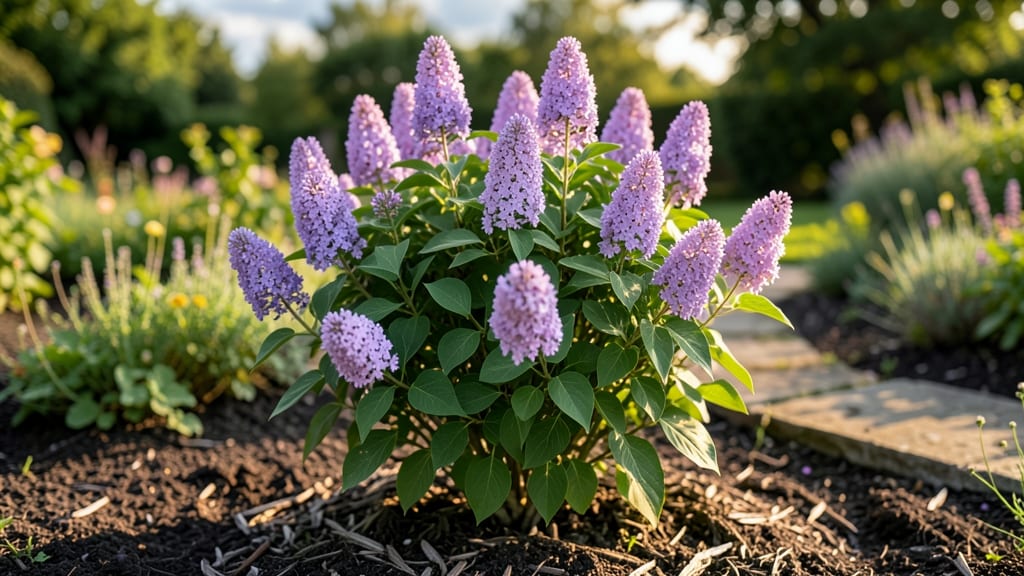
A compact lilac shrub means year-round blooms without the wild, thorny sprawl of their cousins. 🌸 I learned the hard way that pruning makes all the difference—my first lilac took over a corner of the yard before I realized it needed regular shaping.
The secret is understanding when and how to trim to keep those fragrant clusters coming back bigger every season.
These little powerhouses thrive in full sun but tolerate partial shade, making them perfect for small gardens or container growing. They’re not fussy about soil as long as it drains well, though adding compost at planting gives them a head start.
The key to their compact shape? Pruning right after flowering—never in fall, or you’ll lose next year’s blooms. With the right approach, you’ll have a neatly shaped shrub bursting with color from spring through summer.
Once established, compact lilacs need minimal care beyond an annual pruning and occasional watering during dry spells. They’re also deer-resistant, which is a bonus if you’re in a rural area. The blooms attract bees early in the season, giving your garden a head start on pollination.
Plus, their intoxicating fragrance fills the air for weeks, making them a standout in any landscape.
If you’ve struggled with lilacs taking over or producing sparse blooms, this method changes everything. The same techniques work for dwarf varieties like ‘Little Leaf’ or ‘Munstead,’ so you can pick the perfect size for your space. Ready to transform that corner of your yard into a fragrant, low-maintenance showstopper?
📚 In This Guide
- What you need
- Instructions
- Tips and common mistakes
- Wrapping up and next steps
What you need
- ● Compact Lilac Shrub: Choose a dwarf variety like 'Little Lila' or 'Munchkin' (3–4 ft tall at maturity).
- ● Well-draining soil: Mix 1 part garden soil + 1 part compost + 1 part perlite/sand (5 gallons per plant).
- ● Organic fertilizer: Slow-release 10-10-10 or lilac-specific formula (1 lb per plant annually).
- ● Pruning tools: Bypass pruners (sharp, sterilized with rubbing alcohol).
- ● Loppers (for thicker stems, 1–2 ft reach).
- ● Garden gloves (thorn-resistant, size medium).
- ● Mulch: Wood chips or shredded bark (2–3 inches, 3 ft radius around base).
- ● Watering can or hose: With adjustable nozzle (gentle spray setting).
- ● Plant support: Small stakes or cages (for young shrubs in windy areas).
- ○ Pruning sealant: (Optional) For large cuts to prevent disease (e.g., Tangle-Foot).
- ● Soil tester kit: To check pH (ideal: 6.0–7.0).
- ● Drip irrigation system: (For automation, 1–2 emitters per shrub).
Step-by-step guide to pruning your compact lilac shrub for year-round blooms
Here's how to keep your lilac thriving with vibrant blooms while preventing it from becoming a thorny mess.
🌱 Step 1: Identify the Right Pruning Time
Lilacs bloom on old wood, so prune immediately after flowering—usually in late spring (May or June). This ensures you never cut off next year’s flower buds. Watch for blooms to fade completely before touching your shears. I like to wait until about 75% of flowers have dropped, as this signals the plant has finished its current bloom cycle.
If you prune in fall or winter, you’ll remove next year’s flowers entirely. And don’t prune during dormancy—lilacs need their energy to prepare for spring growth. Mark your calendar now: right after blooms fade is your only window for safe pruning.
✂️ Step 2: Remove Dead or Weak Wood First
Start by cutting out any dead, diseased, or crossing branches—these compete with healthy growth and create entry points for pests. Use clean, sharp pruners to make cuts at a 45-degree angle, about ¼ inch above a bud or branch collar. This prevents water from pooling and rotting the wound.
Look for branches that are brown, brittle, or hollow—these won’t recover. Also, remove any stems that rub against each other, as this creates wounds that invite disease. I always prune these first, even if it means sacrificing a few blooms this year. A healthy structure means more flowers next season.
☀️ Step 3: Thin Out Overcrowded Branches
Lilacs thrive when they have good airflow and sunlight. Aim to keep 3-5 main stems on your compact shrub, removing the oldest and weakest branches first. Cut these back to the base—no stubs left behind. This encourages new, vigorous growth from the center.
If your lilac has become too dense, you’ll see fewer blooms and more pests. Thin branches by about ⅓ of the total volume to open up the center. Watch for water sprouts (thin, upright shoots)—these steal energy from flowering. Snip them off at the base immediately. You’ll notice a difference in bloom quality within 2-3 years of consistent thinning.
⏰ Step 4: Shape for Compact Growth
After removing dead wood and thinning, shape your lilac to maintain its compact form. Lilacs naturally grow 3-5 feet tall, but pruning can keep them smaller. Cut back last year’s growth by about ⅓ to encourage bushier growth. Avoid cutting into old wood—this removes next year’s flower buds.
For a rounded shape, make cuts just above an outward-facing bud. This directs new growth outward, filling in gaps. If your lilac leans, prune more on the heavier side to encourage upright growth. I like to step back every few cuts to check the balance—symmetry takes time, but patience pays off with more abundant blooms.
💧 Step 5: Post-Pruning Care for Recovery
After pruning, water deeply to help the plant recover. Lilacs have deep roots, so 1-2 gallons per foot of height is ideal. Avoid heavy mulch around the base—keep it 2-3 inches deep to prevent rot. A light layer of wood chips or shredded bark works best.
Fertilize lightly in early spring with a balanced 10-10-10 formula to support new growth. Too much fertilizer can lead to leafy growth at the expense of flowers. Watch for new shoots emerging from the base—these are a sign your lilac is happy. With proper care, your compact lilac will reward you with fragrant blooms for years.
Tips & tricks for pruning compact lilac shrubs
These simple tricks will help you keep your lilac looking stunning while maximizing those fragrant blooms.
Timing is Everything: I can't stress this enough—wait until 75% of flowers have dropped before pruning. This ensures you're not cutting off next year's blooms. Pro tip: Snap a photo of your lilac when it's fully in bloom, then prune when about three-quarters of those flowers have faded. This visual cue makes timing much easier.
Tool Prep Matters: Before you start, sharpen your pruners and disinfect them with rubbing alcohol. Dull blades tear wood instead of making clean cuts, which slows healing. I also keep a small spray bottle of water nearby to dampen branches before cutting—this prevents sap from clogging your pruners. A little prep goes a long way for clean, professional-looking cuts.
Shape with Purpose: When shaping in Step 4, imagine your lilac as a rounded dome. Make cuts just above outward-facing buds to encourage growth in that direction. For a more natural look, leave some branches slightly longer than others—this creates visual interest. I like to step back every few cuts to check the overall shape from different angles before making final adjustments.
Recovery Care Secret: After pruning, give your lilac a good drink of water—think 1-2 gallons per foot of height. Then, instead of adding mulch right away, wait a week to let any cut branches callus over. This simple step dramatically reduces the risk of disease entering through fresh wounds. It's one of those small details that makes a huge difference in long-term plant health.
Pro Tips for Compact Lilac Shrub
- These simple tricks will help you keep your lilac looking stunning while maximizing those fragrant blooms.
- Timing is Everything: I can't stress this enough—wait until 75% of flowers have dropped before pruning.
- Tool Prep Matters: Before you start, sharpen your pruners and disinfect them with rubbing alcohol.
Frequently asked questions
Got questions about growing and maintaining your compact lilac shrub? You’re not alone! Here are some of the most common concerns—and straightforward answers—to help you keep your shrub thriving with minimal fuss.
How do I choose the best spot for a compact lilac shrub?
Aim for full sun (6+ hours daily) and well-draining soil. Compact lilacs tolerate partial shade but may bloom less. Avoid soggy spots—they hate "wet feet." If your yard is shady, opt for dwarf varieties like 'Little Leaf' or 'Miss Kim', which adapt better.
When and how should I prune my compact lilac for year-round blooms?
Prune right after flowering (late spring/early summer) to encourage new growth. Use clean, sharp shears to trim 1/3 of the oldest stems at the base. Avoid heavy pruning in fall/winter—it removes next year’s blooms! For a bushier look, pinch back tips in early spring.
What pests or diseases should I watch for in compact lilacs?
Keep an eye out for aphids, borers, or powdery mildew. Treat aphids with a strong spray of water; borers require pruning infested branches. For mildew, improve airflow and apply neem oil. Thorns aren’t an issue—compact lilacs are thorn-free!
Can compact lilacs survive winter in cold climates?
Yes! Most compact lilacs thrive in USDA Zones 3–8. Mulch the base with 2–3 inches of organic matter (like shredded bark) in fall to protect roots. In extreme cold (<0°F), a light burlap wrap can shield tender stems. Varieties like 'Dwarf French' are especially hardy.
Are there thornless alternatives if I dislike pruning?
Compact lilacs are naturally thorn-free, but if you want even less maintenance, consider dwarf butterfly bush (Buddleia) or mock orange (Philadelphus). Both bloom prolifically with minimal pruning. Just ensure they fit your space—some grow wider than lilacs!
Wrapping up and next steps
Transforming your garden with a compact lilac shrub is simpler than you think! By mastering pruning techniques and understanding their unique needs, you’ll enjoy fragrant blooms year-round—without the hassle of thorns. These low-maintenance beauties add charm and fragrance to any space, making them a must-have for every gardener.
Ready to elevate your garden? Start by choosing the right variety and giving your lilac the care it deserves. Grab your pruners and get growing! 🌸✨