
Shrubs
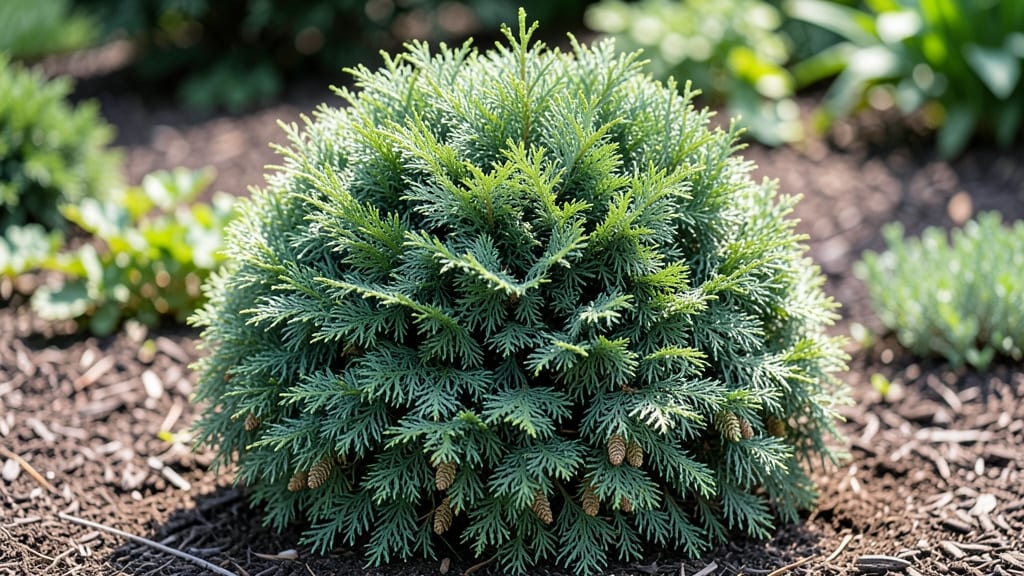
Cone-shaped shrubs instantly transform any space into a lush, private retreat. 🌿 These architectural plants create vertical interest while offering year-round structure—whether you need a windbreak, a focal point, or a natural privacy screen that thrives without thorns. The best part? They pair beautifully with other plants.
Try tucking ornamental grasses or flowering perennials at their base for texture contrast, or layer them with evergreens for deeper greenery. My favorite combo is a Pittosporum tobira (with its glossy leaves) paired with Dwarf Fountain Grass—the contrast is stunning.
You’ll love how they hold their shape through all four seasons, never looking messy or overgrown. A little strategic pruning keeps them tight, and their dense growth blocks noise and wind effortlessly. Perfect for small yards, urban gardens, or even large landscapes where you want to add height without bulk.
Let’s design with them!
📚 In This Guide
- What you need
- Instructions
- Tips and common mistakes
- Wrapping up and next steps
What you need
- ● Cone-shaped shrubs: 3–5 plants (depending on desired height and width; e.g., Buxus sempervirens ‘Suffruticosa’ or Ilex crenata ‘Green Lustre’).
- ● High-quality potting soil: 1–2 bags (50 lbs each) or a mix of 60% topsoil, 30% compost, and 10% perlite for drainage.
- ● Organic mulch: 2–3 cubic feet (e.g., shredded bark or pine needles) to retain moisture and suppress weeds.
- ● Slow-release fertilizer: 10–20 lbs (e.g., 10-10-10 or organic options like fish emulsion).
- ● Watering can or hose with a gentle spray nozzle.
- ● Pruning shears: Sharp, bypass-style shears (for shaping and maintenance).
- ● Garden trowel or spade: For digging holes (1.5x wider than the root ball).
- ● Measuring tape or ruler: To ensure proper spacing (typically 3–6 feet apart, depending on mature size).
- ● Gloves and knee pads: For comfort during planting and maintenance.
- ○ Optional: Soaker hoses (for deep, consistent watering).
- ● Plant stakes or cages (to support young shrubs if needed).
- ● Deer repellent (if in a high-traffic wildlife area).
- ● Sunlight assessment: Confirm your planting area gets full sun (6+ hours/day) or partial shade (4–6 hours), depending on the shrub type.
- ○ Soil test (optional but recommended): Check pH (ideal: 5.5–7.0) and amend if needed (e.g., lime for acidic soil).
- ● Weather check: Plant on a cool, cloudy day or in early spring/fall to minimize transplant shock.
How to design a cone-shaped shrub privacy screen
Here's the method I've used to create lush, thorn-free privacy screens that stay dense year-round.
🪴 Step 1: Select the Right Cone-Shaped Shrubs
Start with fast-growing, naturally conical varieties like Emerald Green Arborvitae or Thuja occidentalis 'Smaragd', which grow 12-18 inches per year. I always choose thornless options to avoid injury during maintenance. For height, 6-12 foot mature shrubs work perfectly for most privacy needs—check your property's height requirements first.
Look for dense, uniform growth habits in the nursery. Avoid plants with brown tips or sparse foliage—they'll struggle to fill in. I like to buy bare-root plants in early spring when they're dormant and easier to establish. If planting in summer, choose container-grown specimens with healthy root systems.
☀️ Step 2: Plan the Spacing and Layout
For a 4-foot-tall privacy screen, plant shrubs 3-4 feet apart in a staggered pattern. This creates natural gaps that fill in beautifully over time. I sketch a simple diagram first—marking center points where each shrub will go. Use a measuring tape to ensure consistent spacing between rows.
Consider your property's sun exposure when positioning. Most cone-shaped shrubs thrive in full sun to partial shade, but morning sun with afternoon shade prevents leaf scorch. If your site has heavy shade, opt for Thuja occidentalis 'Techny', which tolerates lower light conditions better than others.
🌱 Step 3: Prepare the Planting Site
Dig holes twice as wide as the root ball but no deeper—this encourages outward root growth. I always loosen the soil at the bottom of the hole with a garden fork to prevent compaction. For 4 plants, you'll need 4 holes spaced according to your layout.
Mix the native soil with compost (about 20% compost by volume) to improve drainage and fertility. Avoid heavy amendments like manure—they can burn tender roots. Water the amended soil before planting to help it settle around the roots later.
💧 Step 4: Plant and Water for Establishment
Place each shrub in its hole so the top of the root ball sits level with the surrounding soil—never bury the trunk. Backfill with the amended soil, pressing gently to remove air pockets. I use my hands to firm the soil in layers, checking for gaps as I go.
Water deeply immediately after planting to eliminate air pockets and encourage root contact with soil. Use 1-2 gallons per plant—enough to saturate the root zone completely. Mulch with 2-3 inches of shredded bark, keeping it 6 inches away from the trunk to prevent rot.
✂️ Step 5: Prune and Maintain for Dense Growth
Prune once a year in late winter or early spring before new growth begins. Remove dead or crossing branches first, then shape lightly by trimming no more than 1/3 of the plant's height. I use clean, sharp pruners to make 45-degree cuts just above a healthy bud.
Fertilize once in early spring with a slow-release, balanced fertilizer (10-10-10 ratio). Water deeply every 1-2 weeks during the first growing season to encourage strong root development. After establishment, deep watering every 2-3 weeks keeps the soil moist without promoting fungal diseases.
Tips & tricks for perfect cone-shaped shrub privacy screens
These little details make all the difference between a screen that fills in beautifully and one that leaves frustrating gaps.
Shrub Selection: When inspecting plants at the nursery, gently tug on the branches of Emerald Green Arborvitae or Thuja occidentalis 'Smaragd'—healthy ones should feel firm with no brittle spots. I've learned the hard way that even slight browning on the tips means the plant will struggle to establish, so always choose vibrant green specimens with no yellowing. For faster fill-in, select plants that are already 3-4 feet tall rather than smaller ones—they'll close gaps quicker in your screen.
Planting Layout: The staggered pattern in Step 2 isn't just about looks—it creates an optical illusion that makes the screen appear denser immediately. I mark my center points with small wooden stakes before digging, then use a string line to ensure perfect straight rows. For wider screens (over 6 feet), add a third staggered row between your first two to eliminate any visible gaps. This technique works especially well with Thuja occidentalis 'Techny' in shady areas.
Soil Preparation: That 20% compost mix in Step 3 is non-negotiable for root health, but don't stop there. I always add a handful of mycorrhizal fungi to each hole—these beneficial soil organisms help roots absorb nutrients more efficiently. For clay-heavy soils, mix in some perlite to improve drainage, especially important for container-grown plants. The key is creating an environment where roots can spread outward rather than circling in the hole.
Watering Strategy: Those 1-2 gallons per plant immediately after planting should be your first of many deep waterings. I set up a drip irrigation system on a timer for the first month, delivering 1 inch of water every 5 days. This consistent moisture encourages strong root development without promoting fungal diseases. The mulch layer (2-3 inches) helps retain moisture, but keep it clear of the trunk to prevent rot—a common mistake that kills many newly planted shrubs.
Pro Tips for Cone Shaped Shrubs
- These little details make all the difference between a screen that fills in beautifully and one that leaves frustrating gaps.
- Shrub Selection: When inspecting plants at the nursery, gently tug on the branches of Emerald Green Arborvitae or Thuja occidentalis 'Smaragd'—healthy ones should feel firm with no brittle spots.
- Planting Layout: The staggered pattern in Step 2 isn't just about looks—it creates an optical illusion that makes the screen appear denser immediately.
Frequently asked questions
Got questions about cone-shaped shrubs?
You’re not alone! Whether you’re planning a privacy screen, troubleshooting growth, or just curious about care, we’ve got answers. Here are the most common questions—and how to tackle them like a pro.
What’s the best time of year to plant cone-shaped shrubs?
Plant them in early spring or fall when temperatures are mild. This gives roots time to establish before extreme heat or cold. Avoid planting in summer—drought stress can stunt growth. Pro tip: Amend soil with compost for a nutrient boost!
How long does it take for cone-shaped shrubs to grow into a privacy screen?
Most cone-shaped shrubs grow 1–3 feet per year, depending on the variety. A 6-foot-tall screen typically takes 2–4 years to mature. Fast growers like Emerald Green Arborvitae may reach privacy height in 3 years, while slower types take longer. Pro tip: Prune lightly in spring to encourage bushier growth!
Do cone-shaped shrubs need full sun, or can they handle shade?
Most thrive in full sun (6+ hours/day), but some (like Dwarf Alberta Spruce) tolerate partial shade. Check your shrub’s label—shady spots may lead to leggy growth or sparse foliage. Troubleshoot: If leaves yellow, it’s often a sign of too much shade or overwatering.
Are cone-shaped shrubs deer-resistant, or will they get munched?
While no plant is 100% deer-proof, many cone-shaped shrubs (like Thuja or Juniper) are deer-resistant due to their aromatic foliage. For extra protection, wrap young plants in deer repellent spray or use physical barriers. Pro tip: Plant near deer-deterring herbs like lavender!
What’s a good alternative if I need a faster-growing privacy screen?
If cone-shaped shrubs grow too slowly, consider Bamboo (fast but invasive), Leyland Cypress (aggressive but dense), or Hornbeam trees (moderate speed, great for structure). For non-invasive options, Arborvitae hybrids (like ‘Green Giant’) strike a balance between speed and ease. Warning: Avoid invasive species like Mondo Grass—they spread uncontrollably!
Wrapping up and next steps
Cone-shaped shrubs are the ultimate game-changer for privacy, beauty, and low-maintenance landscaping—no thorns, no fuss! Whether you're shielding your backyard from prying eyes or adding texture to your garden, these shrubs deliver year-round greenery with minimal effort.
Their dense, upright growth means faster privacy and fewer headaches than traditional hedges.
Ready to transform your outdoor space? Start by choosing the right variety for your climate and soil, then plant with confidence! 🌱 With the perfect shrub in place, you’ll enjoy a lush, serene retreat that’s as stylish as it is functional.