
Shrubs
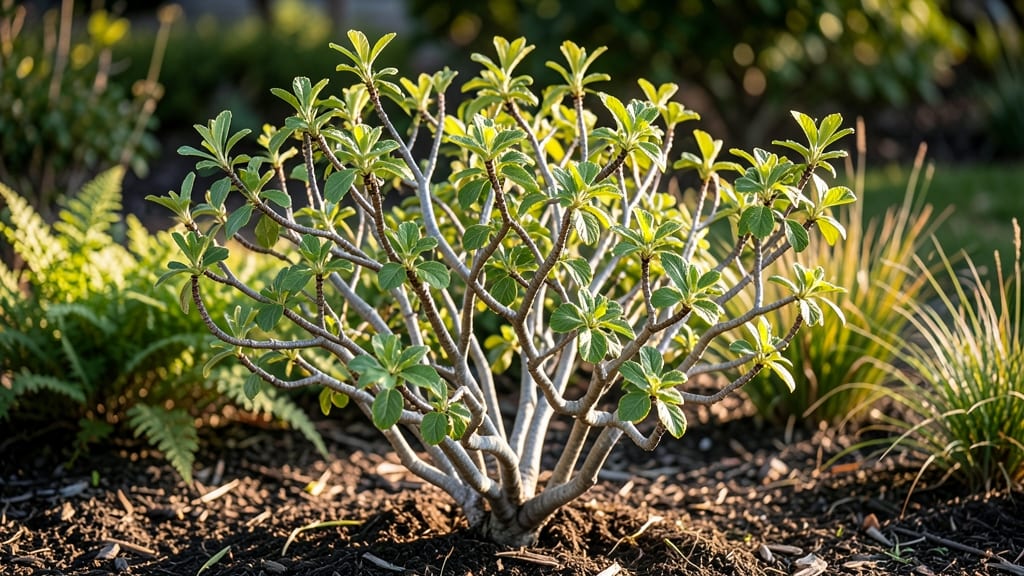
Your garden just got a thorn-free architectural marvel—the corkscrew hazel shrub (Corylus avellana 'Contorta') twists its way into stunning, year-round interest with minimal fuss. 🌿 I fell for it the first time I saw its dramatic, spiral branches—no thorns, just pure sculptural beauty that catches light like a living chandelier.
Planting is simple: well-draining soil, 4-6 hours of sun, and protection from harsh winds. The real magic happens when you let those branches grow wild (or prune lightly to shape them).
Unlike most shrubs, this one rewards patience—its fragrance lingers even in winter, and the golden catkins in early spring are a bonus. By summer, you’ll have a textured, fragrant focal point that outshines boring green hedges.
The twisted branches create dappled shade perfect for seating areas, and deer tend to leave it alone—unlike many ornamental shrubs. Works as a standalone specimen, mixed border plant, or even in containers for small spaces. Here’s how to keep it thriving through every season.
📚 In This Guide
- What you need
- Instructions
- Tips and common mistakes
- Wrapping up and next steps
What you need
- ● Corkscrew hazel shrubs (Corylus avellana ‘Contorta’) – 1-3 plants (depending on desired coverage; spacing 6–10 ft apart).
- ● Well-draining soil – Mix of topsoil, compost (30%), and perlite/sand (20%) for optimal aeration.
- ● Organic mulch – 2–3 inches of wood chips, shredded bark, or pine needles to retain moisture.
- ● Slow-release fertilizer – Balanced 10-10-10 or organic options like fish emulsion or compost tea (1 tbsp per plant).
- ● Watering can or hose with a gentle spray nozzle – For deep but gentle hydration.
- ● Pruning shears – Bypass pruners (sharp, clean) for shaping (avoid dull blades!).
- ● Garden gloves – Heavy-duty, cut-resistant (corkscrew hazel has no thorns, but branches can be prickly!).
- ○ Stakes & twine (optional but helpful) – For young plants in windy areas.
- ● Sunlight – Partial shade to full sun (6+ hours of light daily for best growth).
- ● pH-balanced soil – Aim for 6.0–7.0 (test with a soil kit if unsure).
- ● Spacing plan – Sketch your garden layout to ensure 6–10 ft between plants for mature spread.
- ● Water source nearby – Shrubs need 1–2 inches of water weekly (more in drought).
- ● 🌡️ Best planting time: Early spring or fall when temps are 50–70°F.
- ● ✨ Soil test: Check for nutrient deficiencies (e.g., nitrogen) before planting.
- ● 🎯 Container option: Use a 15-gallon pot with drainage holes if gardening in urban spaces.
How to plant and care for a thriving corkscrew hazel shrub
Here's how to cultivate this stunning ornamental shrub with minimal fuss.
🌱 Step 1: Choose the Perfect Planting Location
The corkscrew hazel (Corylus avellana 'Contorta') thrives in partial shade to full sun, but its signature twisted branches develop best with at least 4 hours of morning sunlight. I always plant mine near a south-facing window or under high-canopy trees where dappled light filters through. The shrub's delicate foliage can scorch in hot afternoon sun, so avoid west-facing exposures unless you have afternoon shade.
Test your spot by observing how light moves across it throughout the day. The ideal location receives gentle morning sun followed by filtering shade—this mimics the shrub's natural understory habitat. Amend heavy clay soil with 2-3 inches of compost before planting to improve drainage, as corkscrew hazels resent soggy roots.
🪴 Step 2: Plant at the Right Depth and Spacing
Dig a hole twice as wide as the root ball but no deeper—this encourages outward root growth rather than circling. The top of the root ball should sit level with the surrounding soil to prevent water pooling around the stem. I always loosen the roots slightly if they're tightly bound, then tease them outward to encourage spreading.
Space multiple shrubs 8-10 feet apart to allow their twisted branches to develop fully without crowding. Plant in early spring or fall when temperatures are mild—this gives roots 6-8 weeks to establish before extreme heat or cold sets in. Water deeply immediately after planting to settle the soil and eliminate air pockets.
☀️ Step 3: Provide Consistent Moisture and Fertility
Keep the soil evenly moist but never soggy for the first 12 months after planting. I water 2-3 times per week in summer, checking soil moisture by pushing a finger 2 inches deep—if it feels dry, water again. Mulch with 2-3 inches of wood chips around the base (keep mulch 6 inches away from the trunk) to retain moisture and suppress weeds.
Fertilize lightly in early spring with a balanced 10-10-10 formula—too much nitrogen promotes leaf growth at the expense of those prized twisted branches. I avoid high-phosphorus fertilizers, as they encourage dense foliage that obscures the shrub's signature form. Prune only to remove dead or crossing branches in late winter, never during the growing season.
✂️ Step 4: Prune for Shape and Health
Corkscrew hazels rarely need heavy pruning, but I do lightly shape them in late winter before new growth begins. Remove any dead, diseased, or crossing branches at the base with clean, sharp pruners. Never cut into old wood—the shrub's twisted branches are its defining feature, and pruning them reduces future growth.
Watch for suckers that sprout at the base—they divert energy from the main plant. Snip them off immediately with hand pruners. The shrub's fragrance peaks in early spring, so I avoid pruning then. A well-maintained corkscrew hazel will reward you with year-round interest, from its spiraled branches in winter to fragrant catkins in spring.
Tips & tricks for perfect corkscrew hazel shrub cultivation
These pro-level insights will help you coax out the most dramatic twists and fragrant beauty from your corkscrew hazel.
Lighting Secret: That crucial 4 hours of morning sunlight in Step 1 isn't just about growth—it's what triggers the helical branching pattern. I've found that positioning your shrub where morning light hits the east-facing side produces the most dramatic spirals. If your yard lacks natural morning sun, supplement with a grow light for 2-3 hours daily during winter months when daylight is shortest. The key is consistency: those twisted branches need reliable morning energy to develop properly.
Root Development Hack: When planting, I take an extra 5 minutes to gently comb through the roots with my fingers before placing in the hole. This breaks up any root circling that might occur from nursery pots, encouraging outward growth exactly as Step 2 recommends. For container-grown plants, I even make 2-3 small vertical slits in the root ball with a knife to help roots spread more quickly. The wider the root system spreads in those first 6-8 weeks, the more stable and vigorous your shrub will be.
Watering Wisdom: The 2-3 inches deep soil moisture check in Step 3 is your best friend, but timing matters too. I water in the early morning rather than evening to prevent fungal issues, and always water at the base rather than overhead. For the first 12 months, I set a reminder to check moisture every 3 days—even if it hasn't rained. The goal is to keep roots consistently moist without creating waterlogged conditions that can suffocate them. A moisture meter makes this easy to track.
Pruning Precision: That late winter pruning window in Step 4 is your chance to shape without sacrificing next year's growth. I always prune just after the first hard frost but before buds swell—this timing prevents bleeding and gives you a clear view of the branch structure. For dramatic specimens, I make my cuts at a 45-degree angle just above an outward-facing bud. And here's a secret: the more you resist the urge to prune those twisted branches, the more spectacular they'll become over time.
Pro Tips for Corkscrew Hazel Shrub
- These pro-level insights will help you coax out the most dramatic twists and fragrant beauty from your corkscrew hazel.
- Lighting Secret: That crucial 4 hours of morning sunlight in Step 1 isn't just about growth—it's what triggers the he...
- Root Development Hack: When planting, I take an extra 5 minutes to gently comb through the roots with my fingers befo...
Frequently asked questions
Got questions about growing and caring for your corkscrew hazel shrub? You’re not alone! Here are some of the most common queries—plus straightforward answers to keep your fragrant, thorn-free beauty thriving.
How fast does a corkscrew hazel grow, and when can I expect it to reach full size?
A corkscrew hazel grows at a moderate pace—expect about 12–24 inches per year under ideal conditions. Most shrubs reach their mature height of 6–10 feet in 5–10 years, though growth slows as they age. Patience pays off with those stunning, twisted branches!
Is this shrub cold-hardy? Can it survive winter in my climate?
Corkscrew hazel is highly cold-hardy, thriving in USDA Zones 4–8. It handles snow, frost, and even light freezes with ease. Just ensure it’s planted in well-draining soil to avoid soggy roots—mulch in winter for extra protection in colder zones.
Why aren’t my corkscrew hazel leaves changing color in fall? Should I be worried?
Don’t panic! These shrubs are evergreen, so their leaves stay green year-round. However, if you’re expecting fall color (some varieties have subtle shifts), ensure it’s getting enough sunlight (6+ hours/day) and isn’t stressed by overwatering or poor soil. Yellowing leaves? Check for pests or root rot.
Can I prune my corkscrew hazel to control its shape, or will it lose its unique form?
Pruning is safe but strategic—focus on removing dead or crossing branches in late winter/early spring. Avoid heavy pruning, as it relies on its twisted, architectural branches for charm. Light shaping after flowering (spring) preserves its signature look while encouraging new growth.
Are there alternatives to corkscrew hazel for a fragrant, low-maintenance shrub?
If you love the fragrance and texture but want options, consider:
- Dwarf Fothergilla – Sweet spring blooms, fall color, and compact size.
- Boxwood – Evergreen, dense, and great for hedges (but less fragrant).
- Oregon Grape Holly – Thorn-free, berries for wildlife, and drought-tolerant.
- Japanese Pieris – Stunning early flowers and glossy leaves.
Wrapping up and next steps
Ready to transform your garden into a fragrant, thorn-free oasis? The corkscrew hazel shrub is your perfect companion—its unique twists, year-round scent, and low-maintenance charm make it a standout star. Whether you're a seasoned gardener or just starting out, this shrub offers beauty and practicality with minimal effort.
🌱 Next steps? Grab your gloves, pick a sunny spot, and get planting! Watch as your garden fills with wavy elegance and a heavenly aroma—your future self (and neighbors!) will thank you. Happy growing! 🌿