
Shrubs
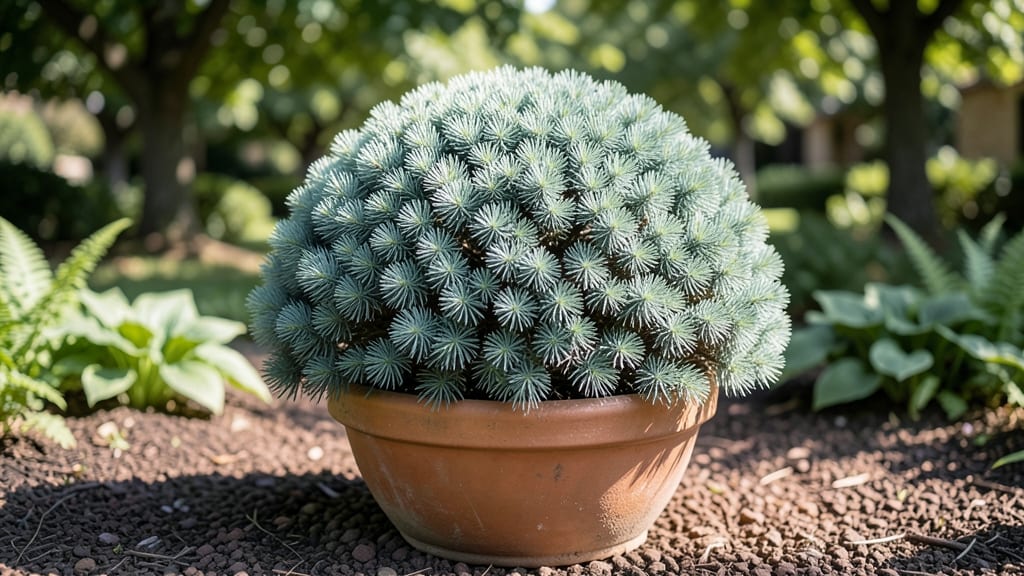
Transform your garden into a lush, year-round green haven with **the Cryptomeria globosa 'Nana' shrub—the dwarf evergreen that thrives in tight spaces. 🌿 This compact beauty stays under 3 feet tall, making it perfect for small gardens, containers, or even as a striking accent plant.
Its feathery foliage stays vibrant all year, resisting winter browning better than most shrubs.
The secret to its neat, rounded shape lies in proper pruning—just a few strategic cuts each spring keep it looking fresh without stunting growth. Unlike finicky shrubs, this one tolerates partial shade and even urban air pollution, so it’s surprisingly low-maintenance for such a showstopper.
I’ve kept mine thriving in a 5-gallon container for years, and it’s never complained.
You’ll love how it stays dense and bushy with minimal effort, plus its piney fragrance adds a spa-like touch to patios. The only real challenge? Avoiding over-pruning, which can leave it looking sparse. We’ll cover that—and how to propagate new plants from cuttings—later in the guide.
Whether you’re filling a corner, lining a walkway, or adding height to a container arrangement, this shrub delivers effortless elegance**. Let’s get yours looking its best!
📚 In This Guide
- What you need
- Instructions
- Tips and common mistakes
- Wrapping up and next steps
What you need
- ● Cryptomeria globosa 'Nana' shrub – A healthy, established dwarf shrub (3–5 feet tall at maturity). Pro tip: Choose a specimen with dense, vibrant foliage for the best pruning results! 🌿
- ○ Sharp bypass pruners – Must be clean and sharp (avoid dull tools that tear branches). Optional: Sterilize with rubbing alcohol between cuts to prevent disease.
- ● Hand pruners or loppers – For thicker branches (if your shrub has outgrown its compact form).
- ● Garden shears – For fine-tuning shape and detail work.
- ● Gloves – Heavy-duty gardening gloves to protect hands from sap and sharp edges.
- ○ Pruning saw (optional) – Only needed if dealing with woody, stubborn branches.
- ● Disposable pruning bags or bucket – To collect clippings and keep your workspace tidy.
- ○ Best pruning time: Late winter or early spring (just before new growth starts). Optional: Light shaping can be done in summer, but avoid heavy pruning then.
- ● Weather: Choose a calm, dry day to avoid stressing the shrub.
- ● Sunlight access: Ensure your workspace has good natural light for visibility.
- ● Water source: A hose or watering can for post-pruning hydration.
- ● Pruning sealant – For larger cuts (1/4 inch or thicker) to prevent disease entry.
- ● Mulch – Organic mulch (like pine straw) to retain moisture and protect roots post-pruning.
- ● Plant food or fertilizer – A balanced, slow-release fertilizer to encourage healthy regrowth after pruning.
- ● Safety glasses – If working with older, thicker branches that might snap.
How to prune Cryptomeria globosa Nana for compact, year-round beauty
This dwarf evergreen thrives with strategic pruning—here’s how to keep it dense, vibrant, and perfectly proportioned.
✂️ Step 1: Time Your First Pruning for Spring Awakening
Prune your Cryptomeria Globosa Nana in early spring, just as new growth begins but before tender shoots harden. This timing ensures you shape the plant while encouraging robust summer foliage. Look for pale green buds along the stems—these signal the start of the growing season and the ideal window for pruning.
I avoid pruning in fall or winter because the plant needs all its energy to survive dormancy. If you missed spring, wait until late summer—but prune only enough to maintain shape, not to reshape. The goal is to stimulate fresh growth before cold sets in.
✂️ Step 2: Use Sharp Tools to Make Clean, Precise Cuts
Grab your bypass pruners (never dull shears—they crush stems) and sanitize them with rubbing alcohol. Cryptomeria branches are brittle, so make cuts at a 45-degree angle just above a bud or leaf junction. This angle prevents water from pooling and causing rot.
For thicker stems, use loppers—but never prune more than one-third of the plant’s total foliage in a single session. I like to start at the outer edges, trimming back any leggy growth or branches that spoil the rounded silhouette. Always step back and assess the shape after each cut.
☀️ Step 3: Shape for Density and Airflow
This shrub’s natural growth habit is compact, but it can get woody with age. To maintain its mounded, bushy form, focus on removing branches that cross or grow inward. These compete for sunlight and weaken the plant. Aim for an open center—this improves airflow and reduces fungal risks.
For a more formal look, trim the top third of the plant slightly more than the sides to encourage upward growth. If you’re growing it as a hedge, shear lightly with hand pruners for a uniform edge. Avoid heavy shearing—it stresses the plant and can lead to sparse foliage.
🌿 Step 4: Lightly Prune in Late Summer for Fall Color
In late August or early September, give your Cryptomeria a light maintenance trim to remove any dead, diseased, or misplaced branches. This keeps the plant tidy and ensures it enters winter with clean growth. Focus on brown or yellowing tips—these are signs of stress or old wood.
I avoid heavy pruning now because the plant needs time to harden off before frost. Instead, just tidy up and remove any branches that disrupt the shape. The new growth you encouraged in spring will shine with vibrant bronze or green hues in fall, making it a standout feature.
⏰ Step 5: Winter Care to Preserve Year-Round Lushness
Winter is the time to observe, not prune. If your shrub has brown tips from cold, wait until spring to trim them—cutting into old wood can expose the plant to pests or disease. Instead, focus on mulching to protect roots from freeze-thaw cycles.
I like to add a 2-inch layer of mulch around the base, keeping it clear of the trunk. This insulates the roots while allowing moisture to penetrate. If you notice any thinning spots, mark them for targeted pruning in spring—this ensures even regrowth.
Tips & tricks for perfect Cryptomeria globosa Nana pruning
A few subtle adjustments can transform your pruning from routine maintenance to a game-changer for your shrub's health and appearance.
Timing is Everything: The early spring window isn't just about new growth—it's about catching those pale green buds while they're still tender. I've found that pruning right when you see 10-15% of buds opening gives the best balance between shaping and encouraging vigorous summer foliage. This is when the plant has enough energy stored from fall but hasn't yet committed to rapid growth.
Tool Precision Pays Off: That 45-degree angle isn't just a technical detail—it's what prevents water from pooling at the cut site, which can lead to rot. I always test my pruners on a few small branches first to ensure they're sharp enough to make clean cuts without tearing. For thicker stems, loppers are essential, but remember: you're not doing surgery—never remove more than one-third of the foliage in one session, or you'll shock the plant.
Shape with Purpose: The open center approach isn't just aesthetic—it's horticultural science. When you remove crossing branches, you're eliminating competition for sunlight and resources. I like to visualize the plant's natural growth pattern and work from the outside in. For formal hedges, a light shearing with hand pruners creates that clean edge, but never go deeper than 1/4 inch at a time—this prevents the plant from looking like it's been scalped.
Seasonal Maintenance Matters: That late summer trim in late August isn't arbitrary—it's about giving the plant time to harden off before winter. Focus on removing only the obvious offenders: brown tips, diseased branches, and anything disrupting the shape. This light touch prevents stress while still keeping your shrub looking its best as it prepares for dormancy. The new growth you encouraged in spring will reward you with vibrant fall color.
Pro Tips for Cryptomeria Globosa Nana Shrub
- A few subtle adjustments can transform your pruning from routine maintenance to a game-changer for your shrub's health and appearance.
- Timing is Everything: The early spring window isn't just about new growth—it's about catching those pale green buds while they're still tender.
- Tool Precision Pays Off: That 45-degree angle isn't just a technical detail—it's what prevents water from pooling at the cut site, which can lead to rot.
Frequently asked questions
How often should I prune my Cryptomeria globosa 'Nana'?
Prune your Cryptomeria globosa 'Nana' lightly 2–3 times a year—spring (after new growth), mid-summer (for shape), and late summer (to prep for winter). Avoid heavy pruning; these shrubs respond best to gentle shaping with sharp shears. Pro tip: Never prune more than ⅓ of the foliage at once!
When is the best time to plant a Cryptomeria globosa 'Nana'?
The ideal planting window is early spring or early fall, when temperatures are mild (50–70°F). Avoid planting in summer heat or winter frost, as roots need time to establish. Water deeply after planting, then mulch to retain moisture. Warning: These shrubs hate soggy soil—ensure well-draining soil!
Can I grow Cryptomeria globosa 'Nana' in containers?
Yes!
This dwarf shrub thrives in containers (5–7 gallons) with fast-draining mix (cactus/succulent blend + perlite). Use a terracotta or fabric pot to prevent root rot. Key tip: Move containers to partial shade in summer to avoid leaf scorch. Fertilize lightly in spring with balanced 10-10-10.
What pests or diseases should I watch for?
Common issues include:
- Spider mites (tiny webs on leaves) – Treat with neem oil or a strong spray.
- Scale insects (sticky residue) – Scrape off manually or use horticultural oil.
- Root rot (yellowing leaves) – Improve drainage and avoid overwatering.
Prevention: Keep foliage dry and prune for airflow. Quick fix: Wipe leaves with soapy water (1 tsp mild soap per gallon) monthly.
What are some alternatives if I can’t grow Cryptomeria?
If your climate is too harsh (Zone 6 or colder) or you prefer faster growers, try these low-maintenance dwarf evergreens:
Shrub
Height
Care Level
Picea pungens 'Glauca Globosa' (Colorado Blue Spruce)
3–4 ft
Moderate (needs well-draining soil)
Juniperus procumbens 'Nana' (Creeping Juniper)
1–2 ft
Very low (drought-tolerant)
Thuja occidentalis 'Rheingold' (Golden Thuja)
2–3 ft
Low (great for hedges)
Climate note: Cryptomeria loves humidity and mild winters (Zones 7–9). For colder areas, opt for hardier junipers or spruces.
Wrapping up and next steps
The Cryptomeria globosa 'Nana' is a stunning, low-maintenance dwarf evergreen that brings year-round charm to any garden. With the right pruning techniques—like shaping, thinning, and seasonal trimming—you can keep its lush, compact form thriving while encouraging healthy growth.
Whether you're a beginner or a seasoned gardener, a little patience and care will reward you with a picture-perfect shrub that stands out all year!
Ready to elevate your garden? 🌿 Start small: Grab your pruners, pick a sunny spot, and give this beauty the love it deserves—your future self (and your neighbors!) will thank you.