
Pruning
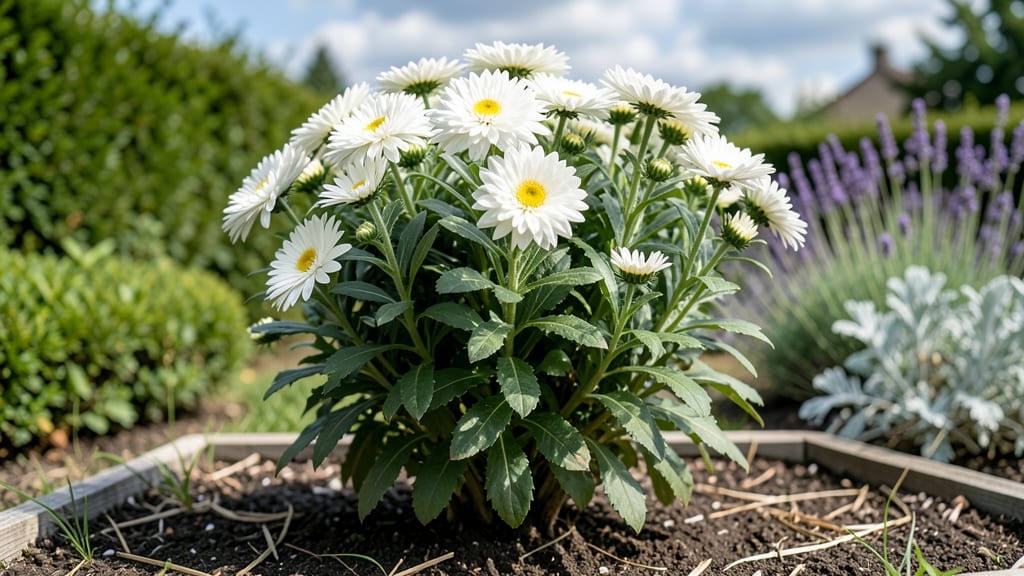
Strategic late-winter cuts turn your daisy bush shrub into a lush, blooming powerhouse—and I’ve perfected the timing to avoid those sad, bare stems. 🌸 The key? Pruning right after the last frost but before new growth starts, when the plant’s energy is still dormant but ready to rebound.
My Shasta daisy bushes now burst with flowers by early June, thanks to this one simple habit I wish I’d known years ago.
You’ll need sharp pruners, gloves, and a clear day to assess your shrub’s shape. Cut back one-third of the oldest stems to the ground—yes, even the ones that look stubborn—and thin out any crossing branches. The goal is sunlight reaching the center, which prevents those leggy, sparse growth patterns.
For gerbera daisy bushes, hold off on heavy pruning until after their first flush of blooms in spring, but still give them a light trim to encourage bushiness.
What you’ll end up with is a neat, compact shrub covered in blooms from early summer through fall. The flowers attract pollinators like crazy, and the foliage stays dense enough to block weeds. Just avoid pruning in fall—it leaves the plant vulnerable to winter damage.
The first year, you might see fewer blooms, but by year two, your shrub will be the star of the border or pollinator garden.
Works for both Shasta and gerbera varieties, and even thrives in containers if you keep the pruning light. Here’s how to time it perfectly for your climate zone—no more guessing, just guaranteed results. Let’s get those shears ready!
📚 In This Guide
- What you need
- Instructions
- Tips and common mistakes
- Wrapping up and next steps
What you need
- ● Sharp pruning shears – Bypass pruners (for clean cuts on smaller stems) or anvil pruners (for thicker branches). Must be sterilized with rubbing alcohol or bleach to prevent disease spread. 🌿
- ● Pruning saw – For larger, woody stems (if your daisy bush has thick growth). Look for a curved-tooth blade to avoid tearing.
- ● Garden gloves – Heavy-duty, cut-resistant gloves (e.g., mechanized or leather) to protect against thorns and debris.
- ● Disposable pruning bags or bucket – To collect and dispose of clippings (prevents pests/diseases from spreading). 1–2 gallon capacity should suffice.
- ● Rubbing alcohol (70% isopropyl) or bleach solution – For sterilizing tools between cuts. Mix 1 part bleach to 9 parts water if using.
- ● Measuring tape or ruler – To check pruning height (aim for 1/3 of the plant’s height for late-winter cuts).
- ○ Sharpie or permanent marker – For marking optional reference points on stems (e.g., target growth zones).
- ● Hand pruners with ratcheting mechanism – Reduces hand fatigue for larger shrubs.
- ● Loppers (for stubborn branches) – 20–24-inch reach for hard-to-access areas.
- ● Pruning sealant – Only if your shrub has large cuts (e.g., 1-inch diameter+). Use a tree wound dressing to prevent disease.
- ● Knee pad or stool – For comfort if your daisy bush is tall or dense.
- ● Spray bottle with water – To mist tools and hands if working in dry conditions.
Step-by-Step instructions for pruning daisy bush shrubs
Late-winter is the perfect time to shape your daisy bush for a fuller, healthier bloom cycle.
✂️ Step 1: Gather Tools and Safety Gear
Start by grabbing your sharp pruning shears and sterilized loppers—dull blades tear stems and invite disease. I always wear gloves to protect against thorns and sap irritation. Lay out a bucket for trimmings and a disinfectant spray (1 part bleach to 9 parts water) to wipe tools between cuts.
Here's the thing—daisy bushes can get leggy if you skip pruning. But don't rush. Wait until after the last frost when new growth starts peeking through. You'll know it's time when you see buds swelling at the base of stems.
✂️ Step 2: Remove Dead or Damaged Wood
Scan the shrub for brown, brittle branches or those with no green tissue inside when cut. These are dead and should go first. Snip them at the base with a clean cut—no jagged edges. I always work from the bottom up, making it easier to see what's left.
Next, look for crossing or rubbing branches. These compete for sunlight and create entry points for pests. Remove the smaller of the two branches where it meets the larger one. You'll see healthier growth fill in those gaps by early spring.
✂️ Step 3: Thin Out Overcrowded Areas
Daisy bushes thrive when air circulates freely. Aim to open up the center by removing 1/3 of the oldest stems at ground level. These are usually the thinnest, woody branches with no new growth. Cut them back completely—they won't regrow from the base.
Watch for water sprouts (straight, fast-growing shoots) and suckers (shoots from the roots). These steal energy from your main plant. Snip them off at the base immediately. You'll notice the remaining branches thicken and bloom more vigorously next season.
✂️ Step 4: Shape for Fullness and Balance
Now for the fun part—shaping! Step back and visualize your ideal shape. Daisy bushes respond well to a rounded or slightly vase-like form. Start by cutting back 1/3 of the length from the longest branches to encourage bushier growth.
Make cuts just above a leaf node or outward-facing bud. Angle the cut slightly away from the bud to prevent water from pooling. Avoid cutting into old wood—new growth only comes from the current year's stems. After pruning, your shrub should look balanced, with no one side overpowering the other.
💧 Step 5: Clean Up and Fertilize
Rake up all trimmings and dispose of them in the trash—never compost diseased wood. Wipe down your tools again with disinfectant to prevent spreading pathogens. Now, spread a 2-inch layer of mulch around the base, keeping it 3 inches away from the trunk.
Here's where it gets rewarding: mix 5-10-10 fertilizer into the soil at the drip line (the edge of the shrub's canopy). Water deeply to help roots absorb nutrients. You'll see fresh, vibrant growth within 4-6 weeks, and your daisy bush will bloom like never before.
Tips & tricks for perfect daisy bush shrub pruning
These simple strategies will help you transform your daisy bush into a thriving, blooming beauty with minimal effort.
Tool Prep Matters: Before you start, sharpen your pruning shears and loppers with a file or whetstone—dull blades crush stems instead of making clean cuts. I've ruined too many shrubs with dull tools that tear instead of slice. Sterilize your blades between cuts using your disinfectant spray, especially when moving from diseased to healthy branches. This prevents spreading fungal spores that can weaken your shrub.
Timing Secret: That "buds swelling at the base of stems" cue is your golden ticket. If you prune too early, you'll cut off potential blooms. If you wait too late, new growth won't have time to harden off before summer heat. For most climates, late February to early March works perfectly—just after your last frost date. Check your local frost calendar if you're unsure.
Shape with Purpose: When cutting back those longest branches in Step 4, think "inside out." Remove branches from the center first to improve airflow, then work outward. The goal is to create a natural, open shape that lets sunlight penetrate to the interior. I like to visualize a rounded dome—this encourages blooms to form evenly throughout the shrub rather than just on the outer edges.
Fertilizer Strategy: Don't just sprinkle that 5-10-10 fertilizer randomly. Work it into the soil at the drip line (that's where new roots will form) using a garden fork or trowel. Mix in some compost if you have it—the combination gives your shrub a nutrient boost while improving soil structure. Water immediately after applying to help the granules dissolve and reach the roots.
Pro Tips for Daisy Bush Shrub
- These simple strategies will help you transform your daisy bush into a thriving, blooming beauty with minimal effort.
- Tool Prep Matters: Before you start, sharpen your pruning shears and loppers with a file or whetstone—dull blades crush stems instead of making clean cuts.
- Timing Secret: That "buds swelling at the base of stems" cue is your golden ticket.
Frequently asked questions
Got questions about keeping your daisy bush shrub thriving with the perfect pruning touch? Here are some of the most common concerns—plus expert answers to help you grow a lush, healthy plant year after year!
When is the absolute best time to prune my daisy bush shrub?
The ideal window is late winter or early spring—just as new growth begins to sprout. This timing ensures you remove dead branches while encouraging vibrant blooms for the season. Avoid pruning in fall, as it can stimulate tender growth that won’t survive winter’s chill. Pro tip: If you missed late winter, a light trim in early summer (after flowering) is better than nothing!
How much can I cut back my daisy bush shrub without harming it?
Daisy bush shrubs are tough! You can safely remove up to one-third of the plant’s height in a single pruning. For rejuvenation, cut back older, woody stems to the ground while leaving younger, healthier branches. Warning: Avoid over-pruning—this can stress the plant and delay flowering. Focus on shaping and removing deadwood first!
What if my daisy bush shrub isn’t blooming after pruning?
Lack of blooms often stems from over-pruning too late in the season or cutting back flowering stems. Always leave at least 6–12 inches of new growth to ensure buds form. If the issue persists, check for nutrient deficiencies (fertilize lightly in spring) or pests (like spider mites). Quick fix: Trim back only dead or leggy branches and avoid heavy cuts in summer.
Are there alternatives to pruning for controlling the size of my daisy bush?
Yes! If pruning feels overwhelming, try these low-maintenance strategies:
- Thinning: Remove only the thickest, oldest stems to improve airflow and sunlight.
- Pinching: Lightly pinch back tips of new growth in early summer to encourage bushier growth.
- Container Growth: Plant in a large pot to naturally limit size (great for patios!).
What should I do if my daisy bush shrub looks sad after pruning?
Don’t panic! A leggy or sparse look after pruning usually means you cut too aggressively. Revive it with:
- A balanced fertilizer (10-10-10) in spring to boost growth.
- Deep watering at the roots (1–2 inches per week).
- Mulching around the base to retain moisture and protect roots.
Wrapping up and next steps
Your daisy bush shrub is now primed for a stunning spring bloom—thanks to your strategic late-winter pruning! Remember, the key is timing, technique, and patience: trim just before new growth emerges, shape with confidence, and reward your plant with proper care afterward.
With these steps, you’ll enjoy vibrant blooms and a fuller shrub all season long. 🌸
Ready to put your new skills to the test? Grab your pruners and head outside! If you’re feeling inspired, share your before-and-after results with fellow gardeners—your green thumb might just spark someone else’s passion. Happy pruning! ✂️🌿