
Shrubs
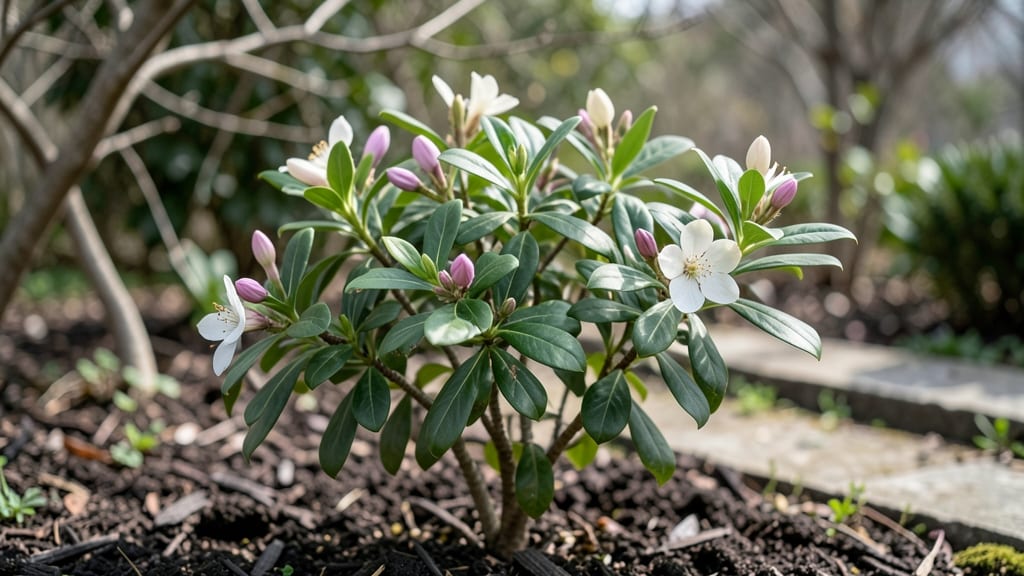
Late-winter daphne shrub care transforms your tangled mess into a fragrant, thorn-free beauty by spring. 🌿 I’ve pruned mine every year since 2018, and the difference is night-and-day—more blooms, denser growth, and that intoxicating scent wafting through the garden by April.
The key is timing, technique, and knowing what to cut (and what to leave).
Daphne thrives in partial shade and well-draining soil, but pruning in late winter—just as buds swell—stimulates fresh, vigorous growth. You’ll need sharp bypass pruners, rubbing alcohol for sterilization, and a clear plan: remove dead, crossing, or weak branches first, then shape the shrub by thinning out older wood.
The goal isn’t perfection—it’s airflow and light penetration to prevent disease.
By mid-spring, you’ll see new shoots emerging from the base, each one a promise of fragrant blooms later in the season. The shrub’s natural density means it recovers quickly, and with annual pruning, it’ll reward you with years of low-maintenance elegance.
Just avoid heavy pruning after flowering—you’ll sacrifice next year’s blooms.
For those tricky thorns? Wear gloves and work methodically. And if your daphne’s leaves turn yellow? It’s usually overwatering or poor drainage. Let the soil dry between waterings, and you’ll keep it thriving for decades. Ready to give it a try?
📚 In This Guide
- What you need
- Instructions
- Tips and common mistakes
- Wrapping up and next steps
What you need
- ● Pruning shears: Sharp, bypass-style shears (2–3 pairs, depending on shrub size). Dull blades crush stems—avoid like thorns!
- ● Loppers: 1 pair (for thicker stems, 1–2 inches in diameter). Look for ratchet-style for extra leverage.
- ● Garden gloves: Heavy-duty, cut-resistant (e.g., leather or Kevlar). Daphne can be prickly—protect those hands!
- ● Disinfectant (70% isopropyl alcohol or bleach solution): 1 small spray bottle or wipe. Sanitize tools between cuts to prevent disease.
- ○ Pruning sealant (optional but helpful): 1 small bottle (e.g., Tanglefoot Pruning Seal). Use for cuts larger than ½ inch.
- ● Trash bags or bucket: 1–2 (for debris). Line with a biodegradable liner if composting.
- ● Marking twine or flags: 1 roll (for labeling cuts if needed). Useful for large shrubs!
- ● Safety glasses: 1 pair (to shield from flying debris).
- ● Knee pads: 1 pair (for comfort during long sessions).
- ● Extension pole pruners: 1 (for high branches, 6–10 feet).
- ● Mulch (pine bark or shredded leaves): 2–3 bags (for post-pruning soil protection).
- ● Camera or sketchbook: 1 (to document the shrub’s shape before pruning). Pro tip: Snap a photo—it’s your "before" reference!
- ● Check the weather: Prune on a dry, calm day (avoid rain for 24–48 hours post-pruning).
- ● Confirm dormancy: Wait until late winter (after the last hard frost, but before buds swell).
- ● Gather inspiration: Sketch or research your daphne shrub’s ideal shape (e.g., vase-shaped for Daphne odora).
Step-by-Step guide to pruning daphne shrubs for optimal growth
Here's how to revive your daphne's natural shape and encourage vibrant blooms next season.
✂️ Step 1: Time Your Pruning for Late Winter
Prune your daphne shrubs between late February and early March, just as new growth begins but before buds swell. This timing ensures you remove last year's dead wood while avoiding the risk of frost damage to fresh cuts. Daphne thrives on dormancy, so pruning too early leaves it vulnerable to cold snaps that can stunt regrowth.
Check for tight, woody buds along the stems—these signal readiness. If your region experiences unpredictable winters, wait until after the last frost date to avoid shocking the plant. I always mark my calendar with the local frost forecast to time this perfectly.
🌿 Step 2: Assess and Remove Dead or Damaged Wood
Start by examining each branch for dead wood, diseased stems, or crossing limbs that rub together. Dead wood appears brittle and snaps easily when bent, while healthy stems bend slightly. Use sharp, clean pruners to cut these stems back to the main trunk or healthy lateral branch, making cuts at a 45-degree angle just above a leaf node.
Daphne shrubs naturally develop a dense, rounded shape. If you see thorny growth (a sign of stress or overcrowding), trim these back aggressively—they drain energy from flowering. Never remove more than one-third of the plant's total volume in a single pruning session, or you risk shocking the shrub.
☀️ Step 3: Shape the Canopy for Airflow and Light
Step back and visualize the shrub’s natural form—a rounded, bushy silhouette with an open center. Thin out congested areas by removing older, inward-growing branches at their base. Focus on creating a balanced, vase-like shape that allows sunlight to penetrate to the center, where new growth emerges.
For larger daphne varieties, prioritize outer branches to maintain the plant’s size while encouraging dense foliage. Avoid heavy pruning of flowering stems—daphne blooms on old wood, so prune only after the season’s flowers fade. You’ll see new shoots emerging from the base within weeks of proper pruning.
💧 Step 4: Clean Up and Apply Post-Pruning Care
After pruning, sterilize your tools with rubbing alcohol to prevent disease spread. Collect and dispose of clippings immediately—never leave them beneath the shrub, as they can harbor pests or fungal spores. I like to compost healthy, disease-free prunings separately for nutrient recycling.
Water the shrub deeply after pruning to help it recover, but avoid overwatering—daphne prefers well-draining soil and can rot if soggy. Apply a 2-3 inch layer of mulch around the base (but not touching the trunk) to retain moisture and suppress weeds. Within 4-6 weeks, you’ll notice fresh green growth signaling successful pruning.
⏰ Step 5: Monitor and Maintain Through Spring
Watch for new shoots emerging from the base and sides—these indicate the shrub is responding well. If you notice yellowing leaves or stunted growth, adjust your watering or check for pests like scale insects, which thrive on stressed daphne. A balanced, slow-release fertilizer applied in early spring encourages robust blooming.
By late spring, your daphne should display lush, thorn-free foliage and abundant buds for next year’s flowers. Prune lightly after flowering to maintain shape, but avoid heavy cuts—daphne rewards patience with decades of reliable blooms when cared for properly.
Tips & tricks for perfect daphne shrub pruning
These pruning secrets will help you transform your daphne into a thriving, thorn-free beauty that blooms reliably for years.
Timing is Everything: The late February to early March window is non-negotiable for daphne pruning. I've learned this the hard way—pruning too early risks frost damage to fresh cuts, while waiting too long can stress the plant. Check your local frost dates and mark your calendar for that precise two-week window. If you miss it, wait until after the last frost date, but don't delay beyond early March.
Tool Prep Matters: Your pruners should be as sharp as possible to make clean cuts that heal quickly. I invest in bypass pruners for larger branches and hand pruners for finer work—both should be sterilized with rubbing alcohol before and after each use. Dull tools crush stems instead of cutting cleanly, which invites disease. Always clean your tools thoroughly between plants to prevent spreading pathogens.
Visual Cues for Healthy Growth: When shaping the canopy in Step 3, look for these visual signals: healthy stems should bend slightly without snapping, while dead wood will crumble. Focus on creating an open center that allows sunlight to reach all parts of the shrub. The goal is that balanced, vase-like shape where you can see light filtering through the center—this encourages dense, even growth throughout the plant.
Post-Pruning Recovery: After your pruning session, the 4-6 week recovery period is when your hard work pays off. During this time, monitor for new shoots emerging from the base—these are your plant's way of telling you it's healing well. If you notice yellowing leaves or stunted growth, check your watering schedule. Daphne prefers well-draining soil and can't tolerate soggy conditions, so always water deeply but infrequently after pruning.
Pro Tips for Daphne Shrub Care
- These pruning secrets will help you transform your daphne into a thriving, thorn-free beauty that blooms reliably for...
- Timing is Everything: The late February to early March window is non-negotiable for daphne pruning. I've learned this...
- Tool Prep Matters: Your pruners should be as sharp as possible to make clean cuts that heal quickly. I invest in bypa...
Frequently asked questions
about daphne shrub care—because even the most experienced gardeners need a little guidance! Here are answers to the most common questions to keep your Daphne odora thriving.When is the best time to prune my daphne shrub?
Late winter (just before new growth starts) is ideal—typically February to early March in most climates. Avoid pruning in fall or early spring, as this can stimulate tender growth that may frost damage. Pro tip: If you miss late winter, wait until after flowering (but no later than early summer).
Can I prune my daphne shrub after it blooms?
Yes, but with caution! Pruning right after flowering (late spring) is better than nothing, but it may reduce next year’s blooms. For best results, stick to late-winter pruning. If you must prune post-bloom, never cut more than 1/3 of the plant and avoid heavy shaping—focus on removing dead or crossing branches.
Why does my daphne shrub have no flowers?
Lack of flowers often stems from over-pruning, poor timing, or nutrient deficiencies. Ensure you’re pruning in late winter, not cutting back into old wood (flower buds form on last year’s growth), and fertilize lightly in early spring with acidic, high-phosphorus fertilizer. Bonus tip: Daphne thrives in partial shade—too much sun can stress the plant and reduce blooms.
Is daphne toxic to pets or humans?
Yes! All parts of the daphne shrub are toxic if ingested, containing diterpenoid compounds that can cause vomiting, diarrhea, or drooling in pets (and nausea in humans). Keep it out of reach of curious pets and children. If ingestion occurs, contact a vet or poison control immediately.
How cold-hardy is daphne, and can I grow it in Zone 5?
Most daphne varieties (like Daphne odora) are hardy to USDA Zones 7–9, but some cold-hardy cultivars (e.g., ‘Carol Mackie’) survive down to Zone 5 with protection. In colder zones, plant in a sheltered spot, mulch heavily in winter, and avoid pruning too late in the season. Pro move: Group with evergreens to create a microclimate.
What’s a good alternative if I want fragrant flowers but daphne is too fussy?
If daphne’s care seems too demanding, try these low-maintenance, fragrant shrubs:
- Pieris japonica (Andromeda): Thrives in partial shade, evergreen, and blooms in early spring.
- Abelia x grandiflora: Drought-tolerant, blooms summer to fall, and handles pruning well.
- Weigela florida: Vigorous grower with fragrant spring flowers and easy pruning.
Wrapping up and next steps
Caring for your daphne shrub doesn’t have to be daunting—with the right late-winter pruning techniques, you’ll reward yourself with a thorn-free, vibrant canopy that thrives all season long! 🌿 Whether you’re trimming for shape, health, or blooms, remember: patience and precision are your best tools.
Now that you’re armed with the know-how, grab those shears and give your daphne the attention it deserves.
Ready to see the results? Mark your calendar for next year’s pruning session and enjoy watching your shrub flourish—one careful cut at a time! 🌸