
Planting
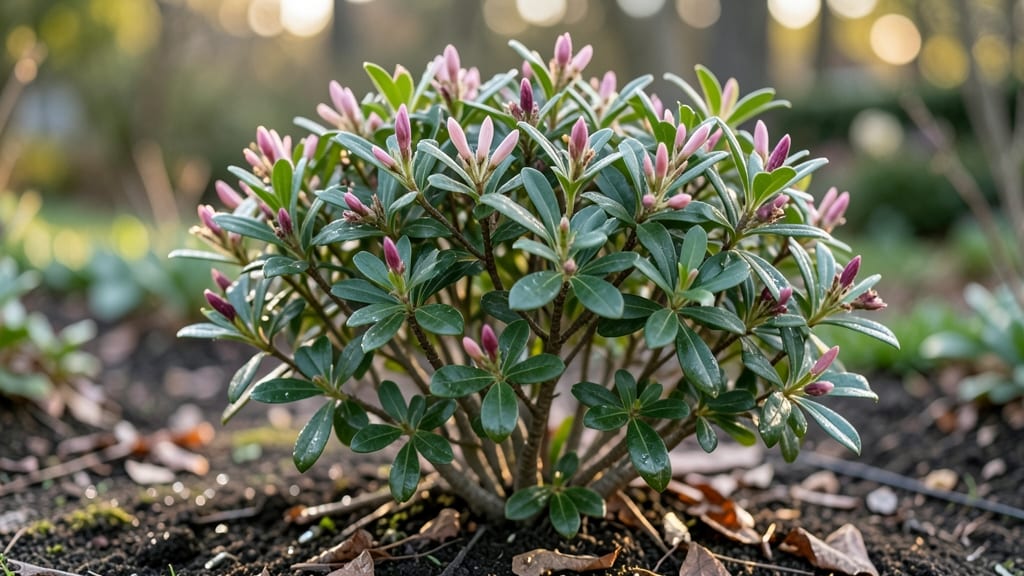
Your daphne shrub plant will become the fragrant centerpiece of your garden—if you master its seasonal trimming secrets. 🌿 These evergreen shrubs reward patience with clusters of intoxicating blooms, but they demand specific care to thrive.
I’ve learned the hard way that skipping pruning leads to leggy growth and fewer flowers, while proper timing unlocks that lush, fragrant canopy you crave.
The key starts with planting in well-draining soil and partial shade—daphne hates soggy roots and harsh afternoon sun. After establishing your shrub, focus on light pruning in late winter to shape it and heavy trimming right after blooming to encourage next year’s flowers.
Most gardeners over-prune, so aim to remove no more than one-third of the plant at a time.
By summer, your efforts pay off with glossy foliage and sweetly scented blooms that perfume the air. The shrub’s natural growth habit—compact yet arching—makes it perfect for borders, containers, or as a fragrant hedge. With consistent care, daphne can live for decades, becoming a living legacy in your landscape.
For beginners, the biggest mistake is waiting too long to prune—don’t let your shrub become overgrown. Start small, observe how it responds, and adjust your approach each season. The goal? A fragrant, full canopy that turns heads (and noses) every spring.
📚 In This Guide
- What you need
- Instructions
- Tips and common mistakes
- Wrapping up and next steps
What you need
- ● Daphne Shrub Plant: 1–3 Daphne odora (Winter Daphne) or Daphne × burkwoodii (Burkwood Daphne) plants (container-grown or bare-root).
- ● Size: 1–3 gallon pots or 1–2 ft tall for mature plants.
- ● Soil & Amendments: 5–10 gallons of well-draining, acidic soil mix (pH 5.0–6.5).
- ● 1 part peat moss or coconut coir + 1 part perlite or coarse sand (for drainage).
- ○ Optional: 1 cup slow-release organic fertilizer (e.g., 10-10-10 or composted oak leaves).
- ● Planting Tools: 1 trowel or hand shovel (for digging).
- ● 1 garden fork (to loosen soil).
- ● 1 measuring tape or ruler (for spacing).
- ● Pruning & Maintenance: 1 pair sharp bypass pruners (sterilized with rubbing alcohol).
- ● 1 hand pruner or loppers (for thicker stems).
- ● 1 gloves (to protect from thorns or sap).
- ○ Optional: 1 mulch (2–3 inches of pine bark or shredded leaves).
- ● Location: A partially shaded spot (3–6 hours of morning sun; avoid harsh afternoon rays).
- ● Climate: Hardy in USDA Zones 7–9 (protect from frost if in cooler zones).
- ● Water Access: A hose with a gentle spray nozzle or drip irrigation (daphne hates soggy roots!).
- ● Seasonal Timing: Planting: Early spring or fall (avoid summer heat).
- ● Pruning: Immediately after flowering (late winter/early spring).
Step-by-Step instructions for daphne shrub plant seasonal trimming
Here’s how I keep my daphne shrubs thriving year after year—with fragrant blooms and healthy growth.
✂️ Step 1: Prune After Spring Blooms for Next Year’s Flowers
Daphne blooms on last year’s growth, so timing matters. Once flowers fade—usually in late April to early May—trim back spent blossoms to the first set of healthy leaves below them. This encourages new growth while preserving next season’s flower buds. I use sharp, clean pruners to make 45-degree cuts just above a leaf node.
Don’t rush—wait until after all blooms drop to avoid cutting off next year’s flowers. If you prune too early, you risk sacrificing next spring’s fragrance. A good rule: Never cut into old wood (the dark, woody stems from previous years). Daphne responds best to light shaping rather than heavy cuts.
☀️ Step 2: Lightly Shape in Early Summer for Airflow
In June or July, give your daphne a gentle shape-up to improve airflow and sunlight penetration. Focus on removing any crossing branches or stems growing inward—these create crowded, damp conditions that invite fungal issues. I trim these back to the main stem or a strong outward-facing branch.
Keep cuts clean and avoid over-pruning. Daphne grows slowly, and aggressive cuts can stress the plant. If your shrub looks leggy, you can also shorten the longest stems by about one-third to encourage bushier growth. Just avoid cutting into old, bare wood—this won’t produce new flowers.
⏰ Step 3: Minimal Maintenance in Fall and Winter
Daphne needs little in late fall and winter, but remove any dead, diseased, or damaged branches as you spot them. These cuts can be made at any time, but I prefer doing them in late winter (February) before new growth starts. Use sterilized pruners to prevent spreading disease.
If your daphne develops water sprouts (thin, fast-growing shoots), snip them off at the base. These saplings drain energy from the main plant. Avoid heavy pruning now—daphne sets flower buds in late summer, and cutting back too much can reduce next year’s blooms.
🌱 Step 4: Fertilize and Mulch After Pruning
After your spring or summer trim, apply a slow-release, acid-loving fertilizer (like one formulated for azaleas or rhododendrons) in early spring or late summer. Daphne prefers slightly acidic soil, so a 2-3 inch layer of organic mulch (like pine bark or shredded leaves) helps retain moisture and mimic its natural woodland habitat.
Keep mulch 2-3 inches away from the stem to prevent rot. Water deeply after fertilizing to help nutrients absorb into the soil. Daphne dislikes soggy roots, so ensure your planting site has well-draining soil. If your shrub looks stressed after pruning, a light application of fish emulsion can give it a gentle nutrient boost.
Tips & tricks for perfect daphne shrub plant trimming
Here's what nobody tells you about keeping your daphne looking its best—these tricks make all the difference between a struggling shrub and one that bursts with fragrance every spring.
Timing is Everything: Mark your calendar for late April to early May—this is when daphne flowers fade and you should prune. I always set a reminder because missing this window means you might accidentally cut off next year's blooms. The key is waiting until after all flowers have dropped completely, not just when some are wilting. This ensures you're not sacrificing the delicate buds that will become next spring's fragrant display.
The 45-Degree Cut Secret: When you make those critical cuts in Step 1, angle your pruners at 45 degrees just above a leaf node. This technique prevents water from pooling on the cut and creates a larger surface area for new growth. I've seen so many gardeners make straight cuts that leave little nubs—these often rot or fail to produce new shoots. A proper angled cut also looks more natural and encourages healthier regrowth.
Tool Maintenance Matters: Your pruners are only as good as their sharpness. Before you start, wipe them clean with rubbing alcohol and check the blades—dull tools crush stems instead of making clean cuts, which can damage the plant. I keep a small bottle of alcohol in my gardening shed specifically for sterilizing tools between cuts. This simple habit prevents spreading disease from one branch to another, especially important when working with daphne's delicate foliage.
Summer Shape-Up Strategy: In June or July, focus on creating airflow rather than just making your shrub look neat. I always look for crossing branches first—these create dark, damp pockets where fungal diseases love to hide. When you trim these back to the main stem, you're not just shaping the plant, you're creating an environment where your daphne can thrive. And remember, those leggy stems? Shortening them by about one-third encourages bushier growth without stressing the plant.
Pro Tips for Daphne Shrub Plant
- Here's what nobody tells you about keeping your daphne looking its best—these tricks make all the difference between a struggling shrub and one that bursts with fragrance every spring.
- Timing is Everything: Mark your calendar for late April to early May—this is when daphne flowers fade and you should prune.
- The 45-Degree Cut Secret: When you make those critical cuts in Step 1, angle your pruners at 45 degrees just above a leaf node.
Frequently asked questions
Got questions about keeping your daphne shrub plant thriving? You’re in the right place! Here are answers to the most common queries from gardeners just like you.
When is the best time to prune my daphne shrub?
Prune your daphne right after flowering—typically in late spring or early summer. Avoid cutting back in fall or winter, as this can harm its delicate growth. Light shaping is fine, but never remove more than 1/3 of the plant at once to prevent stress. Pro tip: Use sharp, sterilized shears for clean cuts!
Can daphne shrubs survive winter in cold climates?
Most daphne varieties thrive in USDA Zones 5-9, but cold-hardy types (like Daphne odora) tolerate down to -15°F (-26°C). For extra protection, mulch the base with 3-4 inches of organic matter and wrap young plants in burlap. Avoid heavy snow buildup—gently brush it off to prevent branch damage.
Why isn’t my daphne shrub blooming?
Daphne blooms on old wood, so aggressive pruning or cutting back too late can stunt flowers. Ensure it gets full sun to partial shade and well-draining soil. Over-fertilizing (especially with nitrogen) also reduces blooms. Try this: Feed lightly with balanced fertilizer in early spring and avoid heavy pruning!
What’s the easiest way to propagate daphne shrubs?
The simplest method is semi-hardwood cuttings in late summer. Take 4-6 inch tips, dip in rooting hormone, and plant in moist perlite or sand. Keep them humid (use a plastic bag!) and in bright, indirect light until roots form (4-6 weeks). Patience is key—daphne roots slowly!
How do I prevent pests like aphids or spider mites on my daphne?
Daphne is generally pest-resistant, but aphids or mites may appear in dry conditions. Spray with water to dislodge pests, or use neem oil for organic control. Ensure good airflow by pruning lightly and avoid overwatering. Quick fix: Introduce ladybugs—they’re natural aphid predators!
What’s a good alternative if my daphne isn’t thriving?
If your daphne struggles with your climate or soil, try Pieris japonica (andromeda) or Abelia—both offer fragrant blooms and similar care. For low-maintenance options, Camellia or Viburnum are excellent substitutes with winter interest and adaptability.
Wrapping up and next steps
Mastering the art of trimming your daphne shrub plant ensures a fragrant, lush canopy that thrives year-round! 🌿 With the right tools, seasonal timing, and a gentle touch, you’ll unlock its full beauty—whether it’s spring blooms or winter interest. Your efforts will be rewarded with vibrant growth and intoxicating scents!
Ready to elevate your garden? Start small: Pick one season to practice trimming, then expand your skills. Before you know it, your daphne will be the star of your landscape—share your progress with fellow plant lovers! 🌸