
Shrubs
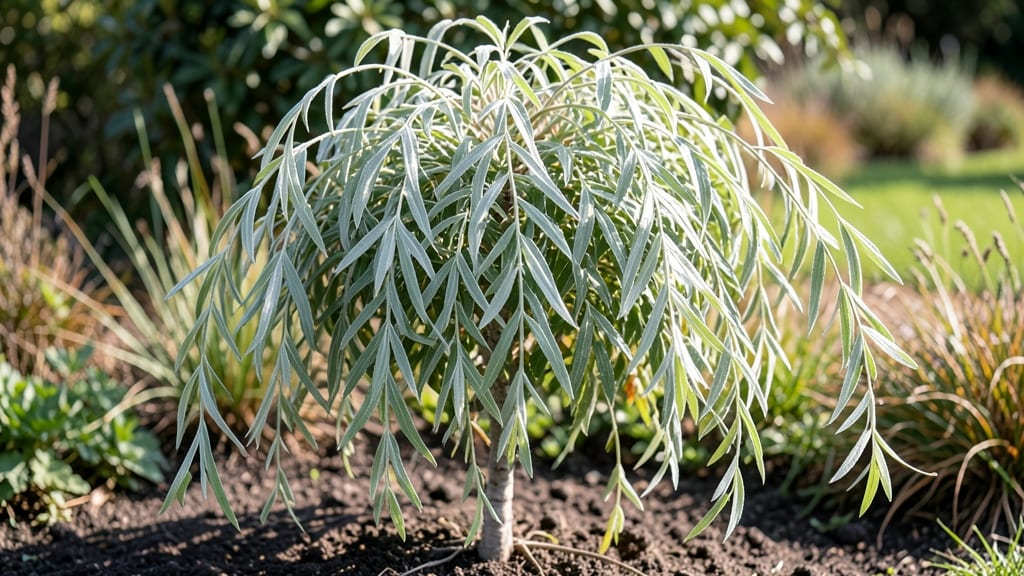
A dappled willow accent shrub turns any garden into a serene retreat with its graceful, arching branches and soft, feathery foliage. 🌿 I fell in love with this shrub after planting one near my patio—it instantly created shade, privacy, and a dreamy, almost fairy-tale vibe without the fuss of thorny roses or dense hedges.
Its delicate leaves filter sunlight beautifully, casting dappled shadows that dance across pathways and patios all season long.
The real magic happens in how versatile it is—plant it near a water feature for a natural, flowing look, or use it as a focal point along a garden path where its branches can sway gently in the breeze.
It thrives in moist but well-drained soil, making it perfect for rain gardens or areas where other shrubs might struggle. Plus, it stays lush year-round, offering winter interest with its silvery bark peeking through.
With just a little pruning in late winter, you can shape it to fit your space—whether you want a tall, dramatic backdrop or a lower, more intimate screen.
Pair it with hostas for shade-loving companions or add some ornamental grasses for texture, and you’ll have a garden corner that feels like a secret escape. The best part? It’s thorn-free, so kids and pets can play nearby without worry.
Whether you’re designing a cozy backyard nook or a grand landscape feature, this shrub delivers effortless elegance. It’s the kind of plant that grows more beautiful with age, rewarding you with years of soft, swaying beauty—no high-maintenance drama required. Ready to transform your space with this gentle giant?
📚 In This Guide
- What you need
- Instructions
- Tips and common mistakes
- Wrapping up and next steps
What you need
- ● Dappled Willow Shrub (Salix caprea 'Pendula'): 1–3 mature plants (depending on desired screen height and width)
- ● Container-grown (3–5 gallon pots) or bare-root (for fall planting)
- ● Soil Amendments: 5–10 lbs of compost or well-rotted manure
- ● 1–2 lbs of balanced fertilizer (10-10-10 or similar)
- ● Planting Supplies: 1–2 garden forks or shovels (for digging)
- ● 1 wheelbarrow (for mixing soil)
- ● 1–2 garden gloves (to protect your hands)
- ● Watering Tools: 1 garden hose with adjustable nozzle
- ○ Optional: drip irrigation kit (for long-term care)
- ● Mulch (3–4 inches of shredded bark or pine straw)
- ● Plant support stakes (if planting in windy areas)
- ● Pruning shears (for shaping after planting)
- ● Soil pH test kit (to ensure optimal growing conditions)
How to plant and maintain a dappled willow accent shrub
This graceful shrub thrives with minimal fuss—here's how to establish it for years of soft, thorn-free privacy.
🌱 Step 1: Choose the Perfect Planting Location
The dappled willow loves partial shade to full sun, making it ideal for edges of driveways or near patios where direct afternoon sun might scorch other plants. I always look for spots with 6+ hours of filtered light daily—think dappled sunlight under mature trees or east-facing exposures. Avoid low-lying areas where cold air pools, as these shrubs dislike soggy roots.
Check the soil pH with a simple test kit—dappled willows prefer 6.0 to 7.0. If your soil runs acidic, mix in 1 pound of garden lime per planting hole to sweeten it slightly. The shrub’s flexible branches will eventually arch gracefully, so give it 8-10 feet of horizontal space for mature growth. Mark the area with stakes to visualize its eventual spread.
🪴 Step 2: Dig and Amend the Planting Hole
Dig a hole twice as wide as the root ball but only as deep as the container. The shrub’s roots are shallow but sprawling, so disturbing them less means faster establishment. Loosen the sides of the hole with a fork to encourage root spread into the surrounding soil.
If your native soil is heavy clay, blend the excavated dirt with 20% compost or well-rotted manure to improve drainage. I like to add a handful of slow-release fertilizer (10-10-10) at the bottom of the hole—just enough to give the shrub a nutrient boost without overfeeding. This prevents root burn while supporting early growth.
☀️ Step 3: Plant and Water for Immediate Support
Remove the shrub from its container and gently tease the roots outward if they’re circling. Position it so the top of the root ball sits 1 inch above ground level—this prevents stem rot from sitting water. Backfill with native soil, pressing lightly to eliminate air pockets but avoiding compaction.
Water deeply right after planting—1 gallon per foot of shrub height—to settle the soil and eliminate gaps. Mulch with 2-3 inches of wood chips, keeping it 6 inches away from the trunk to prevent moisture buildup. The mulch will protect roots from temperature swings and retain moisture, which is critical during the first 6-8 weeks while roots establish.
✂️ Step 4: Prune for Shape and Health in Early Spring
Wait until late winter or early spring before pruning, when new growth is just beginning. Remove any dead or crossing branches first—these compete for energy and invite pests. I like to shape the shrub by cutting back 1/3 of the oldest stems to encourage fresh, vigorous growth from the base.
Use clean, sharp pruners to make cuts at a 45-degree angle just above a leaf node. Avoid heavy pruning in fall, as new growth won’t harden off before winter. The dappled willow’s natural weeping habit means it rarely needs structural pruning, but removing a few wayward branches keeps it tidy and open for that signature airy look.
💧 Step 5: Maintain With Minimal Effort Year-Round
Water deeply once a week during the first growing season, aiming for 1-2 inches of moisture per week. Once established, these shrubs are drought-tolerant but still appreciate 1 inch of water every 2 weeks during dry spells. You’ll know it’s thirsty when the leaves start curling at the edges—water at the base, not overhead, to prevent fungal issues.
Fertilize lightly in early spring with a balanced 10-10-10 formula, applying ½ pound per year of shrub maturity. Avoid high-nitrogen fertilizers, which encourage leafy growth at the expense of that lush, thorn-free canopy. In fall, add a 2-inch layer of mulch to insulate roots and deter weeds—this is the easiest part of the job!
Tips & tricks for planting and maintaining dappled willow shrubs
These simple strategies will help you establish a thriving dappled willow that delivers that signature soft, airy privacy for years.
Location Intelligence: That 6+ hours of filtered light in Step 1 is crucial—think of it as the willow's "sweet spot." South-facing spots get too harsh, while north-facing can mean leggy growth. I've found east-facing locations with morning sun and afternoon shade work perfectly, especially near patios where you want that gentle dappled effect without overheating nearby plants.
Soil Prep Secret: When amending heavy clay in Step 2, I like to mix in an extra 10% perlite or coarse sand with that 20% compost. This creates tiny air pockets that prevent waterlogging while still holding moisture. The key is to work the amendments into the sides of the hole, not just the bottom—this encourages roots to spread outward where they'll find those improved conditions.
Watering Wisdom: Those first 6-8 weeks after planting are make-or-break for root establishment. I set up a slow drip irrigation system near each shrub during this period, delivering that 1 gallon per foot measurement automatically. This prevents both overwatering (which causes rot) and underwatering (which stresses new roots). A simple timer makes it completely hands-off.
Pruning Precision: When cutting back 1/3 of oldest stems in Step 4, look for stems that are thicker than a pencil—they're the ones that need renewal. Make your cuts just above a leaf node where you see a slight bump or bud. I've found that cutting at a 45-degree angle helps water bead away from the cut, reducing the risk of fungal infections that can sneak in during spring rains.
Pro Tips for Dappled Willow Accent Shrub
- These simple strategies will help you establish a thriving dappled willow that delivers that signature soft, airy privacy for years.
- Location Intelligence: That 6+ hours of filtered light in Step 1 is crucial—think of it as the willow's "sweet spot."
- Soil Prep Secret: When amending heavy clay in Step 2, I like to mix in an extra 10% perlite or coarse sand with that 20% compost.
Frequently asked questions
Got questions about the dappled willow accent shrub? You’re not alone!
Here are the most common ones—plus straightforward answers to help you make the best choices for your landscape.
How fast does a dappled willow grow, and how soon can it provide privacy?
The dappled willow is a fast grower, typically adding 2–3 feet per year under ideal conditions. With consistent care, you can expect a 6–8-foot-tall screen in 2–3 years, though full privacy (8+ feet) may take 4–5 years. Planting multiple shrubs close together (3–5 feet apart) speeds up the process!
When is the best time to plant a dappled willow for maximum success?
Spring or early fall are the golden windows for planting. Avoid extreme heat or frost—April–May or September–October work best in most climates. If you’re in a mild zone, late winter (before buds swell) can also work. Pro tip: Soak the root ball before planting to reduce transplant shock!
Can I trim a dappled willow to keep it smaller, or does it need full size to thrive?
Yes! This shrub is highly adaptable to pruning. Light trims after flowering (late spring) encourage bushier growth, while hard pruning in late winter (before new growth starts) keeps it compact. Avoid heavy cuts in fall, as it may not harden off before winter. Warning: Over-trimming can reduce its signature dappled effect!
Are there any downsides to using a dappled willow as a privacy screen?
While rare, a few considerations exist:
- Space needs: Mature shrubs can reach 8–10 feet wide, so space them accordingly.
- Soil preference: Prefers moist, well-draining soil—drought or waterlogged areas may stress it.
- Pests: Aphids or spider mites can occur; treat with neem oil if spotted.
- Thorns: Unlike some privacy shrubs, this one is thorn-free—a plus for pets/kids!
Most growers love its low-maintenance nature and year-round greenery!
What are some alternatives if I need a faster or denser privacy screen?
If you want faster growth, consider:
- Leyland cypress (12+ ft/year, but needs more water).
- Emerald Green arborvitae (dense, evergreen, but slower at 1–2 ft/year).
- Bamboo (clumping varieties) (ultra-fast, but invasive if not contained).
For a similar soft, thorn-free look, try Oregon grape holly or boxwood (though boxwood grows slower). The dappled willow wins for ease and texture!
Wrapping up and next steps
The dappled willow accent shrub is a versatile, low-maintenance choice for adding year-round privacy, texture, and beauty to your landscape—without the hassle of thorns or high upkeep. 🌿 Its soft, feathery foliage and adaptability make it perfect for gardens, borders, or even container planting, while its graceful growth habit effortlessly enhances any outdoor space.
Ready to transform your yard? Start small—plant one or two as a test—and watch how this elegant shrub elevates your outdoor oasis with minimal effort! 🌱