
Flowers
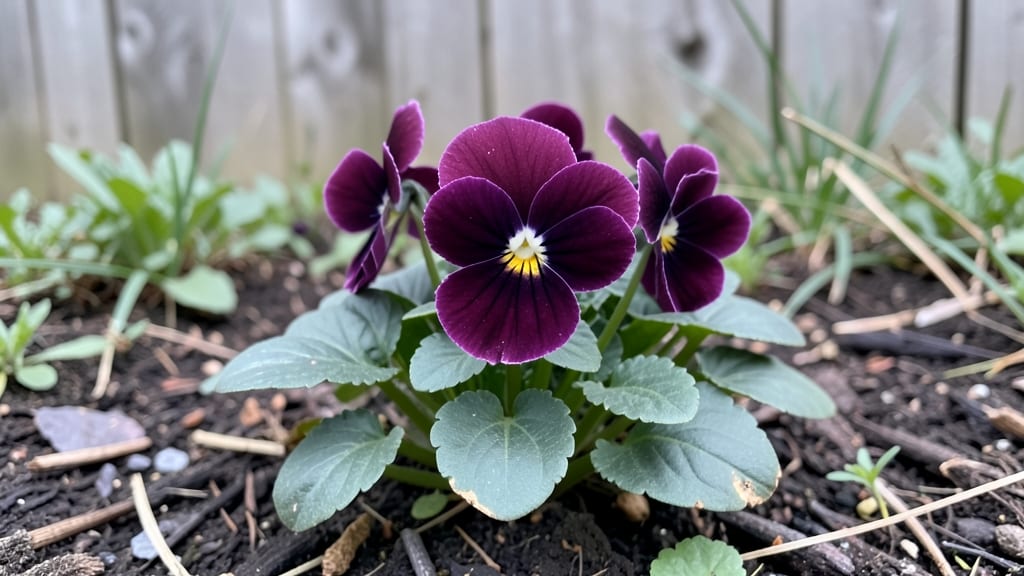
Dark purple pansies steal the show with their velvety blooms that refuse to quit from early spring until frost. ✨ I’ve used them as edging in my front yard borders, and they turn what could be a dull transition between lawn and flowerbed into a showstopping purple river that neighbors comment on all season.
They thrive in partial shade or morning sun, which makes them perfect for tricky spots where other flowers flop. Pair them with silver foliage plants like lamb’s ears for contrast, or tuck them alongside white alyssum for a romantic, cottage-garden effect that feels effortless but looks polished.
Their deep hue makes them a magnet for pollinators—bees and butterflies can’t resist them—and they bounce back after rain better than most flowers. By late summer, when most annuals are fading, these pansies stay cheerfully vibrant, proving they’re the unsung hero of long-season color.
Works just as well in containers as in beds, so whether you’re dressing up a patio pot or framing a garden path, they’ll keep your space lively from first bloom to last. Let’s make your edges impossible to ignore!
📚 In This Guide
- What you need
- Instructions
- Tips and common mistakes
- Wrapping up and next steps
What you need
- ● Dark purple pansy seeds or seedlings: Choose Viola × wittrockiana varieties like 'Dark Purple' or 'Blackout' for deep, velvety hues. Quantity: 20–50 seeds (or 5–10 seedlings) per 10 sq ft.
- ● Well-draining potting mix: A seed-starting mix (for seeds) or garden soil amended with compost (for transplants). Quantity: 1–2 bags (1–2 cubic feet each).
- ● Containers or garden beds: For seeds: Biodegradable seed pots (2–3 inches deep) or a seed tray with cells.
- ● For transplants: Garden beds with 6–12 inches of spacing between plants (pansies love room to sprawl!).
- ○ Slow-release fertilizer (optional but recommended): Look for a balanced 10-10-10 or 20-20-20 formula. Quantity: 1–2 lbs per 100 sq ft.
- ● Hand trowel or small transplant spade – For gentle seed/seedling placement.
- ● Watering can with a fine rose nozzle – Pansies hate soggy soil! Aim for consistent moisture (not drowning).
- ○ Mulch (optional): Straw or shredded bark to retain moisture and suppress weeds. Quantity: 1–2 inches thick.
- ● Pruning shears – For deadheading spent blooms (keep those dark purple pansies flowering nonstop!).
- ○ Gloves (optional) – Protect your hands from thorny stems or soil.
- ● Sunlight: Partial shade to full sun (6 hours of sunlight daily). Pansies tolerate heat better than many flowers!
- ● Soil pH: 6.0–7.0 (slightly acidic to neutral). Test your soil if unsure.
- ● Watering routine: Keep soil evenly moist but not waterlogged. Morning watering is ideal.
- ● Cold-hardy zone: Pansies thrive in zones 3–11—perfect for year-round color in many climates!
Step-by-step guide to planting dark purple pansies
These vibrant beauties transform any garden edge with long-lasting color—here’s how to get them thriving.
🌱 Step 1: Choose the Perfect Planting Spot
Dark purple pansies love partial shade to full sun, but they’ll wilt in scorching afternoon heat. I always pick a location with 4-6 hours of morning sun and afternoon shade, especially in hotter climates. Check your spot by observing how sunlight moves across the area throughout the day—pansies will thank you with bigger, bolder blooms.
For edging, plant along walkways or borders where the 6-inch-tall plants will frame garden beds beautifully. Avoid low-lying areas where water pools—pansies hate soggy roots. If your yard has heavy clay soil, mix in a handful of compost to improve drainage before planting.
🪴 Step 2: Prepare the Soil and Plant with Care
Use well-draining, fertile soil—pansies won’t tolerate poor conditions. Loosen the top 6 inches of soil with a garden fork or trowel, removing any rocks or debris. For four plants, create holes 8-10 inches apart—this spacing gives them room to spread without crowding.
Gently remove each pansy from its container and tease apart the roots if they’re circling. Place the plant so the top of the root ball sits just below soil level. Press the soil lightly around the base to eliminate air pockets, then water deeply to settle everything. You’ll know it’s right when the soil looks evenly moist but not muddy.
💧 Step 3: Water and Mulch for Long-Lasting Blooms
Water your newly planted pansies once daily for the first week, keeping the soil consistently moist but never soggy. After that, water every other day if the weather is dry, or when the top 1 inch of soil feels dry to the touch. Overwatering is the fastest way to kill pansies—yellowing leaves mean it’s time to cut back.
Spread a 1-inch layer of mulch around each plant, leaving a gap near the stem to prevent rot. I use shredded bark because it breaks down slowly and keeps weeds at bay. Mulch also helps retain moisture, so you’ll water less often once established. Watch for blooms to appear in 4-6 weeks—that’s when the real fun begins!
☀️ Step 4: Maintain for Continuous Color
Deadhead spent blooms by pinching off the faded flowers with your fingers or small pruners. This encourages nonstop new blooms all season long. I do this every 2-3 days during peak flowering—it’s a quick habit that keeps pansies looking fresh and vibrant.
Fertilize lightly every 4-6 weeks with a balanced, water-soluble fertilizer. Too much nitrogen makes leaves grow at the expense of flowers, so I always follow the package instructions for pansies specifically. If your plants start looking leggy or sparse, they’re begging for more light—move them to a sunnier spot if possible.
Tips & tricks for perfect dark purple pansy plantings
Here's what I've learned after planting these showstopper flowers for years—simple tricks that make all the difference for vibrant, long-lasting blooms.
Lighting Strategy: That 4-6 hours of morning sun is non-negotiable for dark purple pansies. I test spots by placing a small object in the sun at 9am and checking if it's still in shade by 1pm—this helps visualize the light pattern. In hotter climates, afternoon shade is crucial to prevent wilting. For container gardening, place pots where they get morning sun and afternoon shade from nearby structures.
Soil Prep Secret: The 6-inch soil loosening isn't just about roots—it's about creating air pockets that prevent waterlogging. I add a handful of compost to each planting hole (even for four plants) because pansies thrive in fertile conditions. For heavy clay soil, mix in a 50/50 blend of compost and native soil to improve drainage while retaining moisture.
Watering Wisdom: That first week of daily watering is critical, but don't drown them! I use the "finger test"—stick your finger 1 inch into the soil. If it's dry, water; if it's still moist, wait. After establishing, I water every other day only when the top inch feels dry, which prevents the yellowing leaves that signal overwatering.
Deadheading Discipline: The 2-3 day deadheading schedule might seem frequent, but it's what keeps pansies blooming continuously. I set a phone reminder during peak flowering season because even missing one day can reduce flower production. Use clean pruners or pinch with your fingers—just make sure to cut above a leaf node to encourage new growth.
Pro Tips for Dark Purple Pansy
- Here's what I've learned after planting these showstopper flowers for years—simple tricks that make all the difference for vibrant, long-lasting blooms.
- Lighting Strategy: That 4-6 hours of morning sun is non-negotiable for dark purple pansies.
- Soil Prep Secret: The 6-inch soil loosening isn't just about roots—it's about creating air pockets that prevent waterlogging.
Frequently asked questions
Got questions about growing and styling dark purple pansies? You’re not alone! Here are some of the most common queries—plus quick answers to help you nail that bold, year-round edging.
How do I keep dark purple pansies blooming all season?
Prune spent blooms regularly (every 2–3 days) to encourage new flowers. Use a balanced, water-soluble fertilizer every 4–6 weeks, and mulch lightly to retain moisture. Deadheading and consistent care keep them flowering from spring through frost!
Are dark purple pansies cold-hardy? Can they survive winter?
Yes! Many varieties tolerate light frosts (down to 20–25°F) and even rebloom in spring. For extra protection, add a layer of mulch or a frost cloth in harsh winters. Choose Viola × wittrockiana hybrids for the best cold resilience.
What plants pair well with dark purple pansies for edging?
Combine them with silver foliage (like Lamium or Heuchera) for contrast, or add pops of yellow (Calendula) or white (Dianthus) for a striking look. Avoid overly tall plants—they’ll overshadow your pansies’ delicate blooms!
Why are my dark purple pansies wilting or turning yellow?
Yellowing leaves often signal overwatering or poor drainage. Let soil dry slightly between waterings, and ensure pots/containers have drainage holes. Wilting can also mean thirst—check soil moisture daily in hot weather.
Can I grow dark purple pansies in containers?
Use well-draining potting mix and containers at least 6–8 inches deep. Place them in partial shade to prevent wilting. Rotate pots occasionally for even growth, and fertilize lightly every 2 weeks for container-grown pansies.
Pro Tip:
For longer-lasting color, mix in black pansies (a deeper purple-black shade) with your dark purple varieties. The contrast will make your edging look even more dramatic!
Wrapping up and next steps
Dark purple pansies are a game-changer for adding year-round color and charm to your garden—whether as edging, borders, or containers. Their hardy nature and vibrant hue make them a low-maintenance yet high-impact choice for any space. 🌸
Ready to transform your garden? Start by choosing your favorite shade (dark purple, of course!) and planting them in well-drained soil. Then, sit back and enjoy the season-long blooms they’ll bring to your outdoor oasis!