
Shrubs
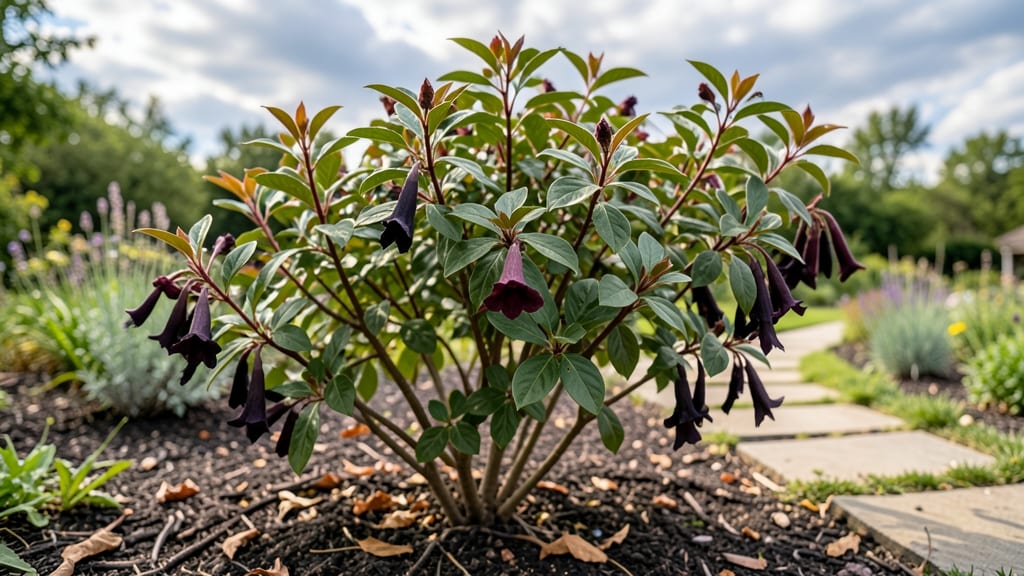
Dark purple shrubs transform gardens into living works of art—deep jewel tones that steal the show year-round. 🌿 I’ve designed landscapes where these rich hues create drama against greenery, and the right placement turns them into focal points that neighbors admire.
The secret isn’t just choosing the right plants, but pairing them with complementary textures and colors to maximize visual impact.
Think Weigela florida with its cascading blooms or Callicarpa bodinieri for its striking berries that persist into winter. These shrubs thrive in borders, hedges, or as standalone specimens, offering seasonal interest with minimal fuss.
Their deep foliage contrasts beautifully with silver-leafed plants like lamb’s ear or the bright blooms of peonies, creating a balanced, high-impact design.
Low-maintenance and adaptable, they fit both formal gardens and relaxed cottage styles. A well-placed dark purple shrub can anchor a bed, frame a pathway, or even soften a modern architectural line.
The key is matching their mature size to your space—taller varieties like Abelia work as vertical accents, while compact ones like Dwarf Fountain Weigela add texture to smaller areas.
For effortless curb appeal, pair them with evergreens like boxwood or the delicate blooms of hydrangeas. The contrast of purple against white or chartreuse creates a striking, polished look that’s easy to maintain. Start with one statement plant, and watch how it elevates your entire garden’s design.
📚 In This Guide
- What you need
- Instructions
- Tips and common mistakes
- Wrapping up and next steps
What you need
- ● 1 cup (200g) dark purple berries (blackberries, blueberries, or a mix—fresh or frozen)
- ● 1 cup (200g) granulated sugar (adjust to taste for sweetness)
- ● 1 cup (240ml) water (filtered or distilled for best flavor)
- ● ½ cup (120ml) apple cider vinegar (or white vinegar for a milder taste)
- ● 1 cinnamon stick (or ½ tsp ground cinnamon for convenience)
- ○ 1 star anise pod (optional but adds depth—remove before serving)
- ● A medium saucepan (with a lid for simmering)
- ● A wooden spoon or silicone spatula (for stirring)
- ● A fine-mesh strainer or cheesecloth (for filtering)
- ● A clean glass jar or bottle (with a lid for storage)
- ○ A small funnel (optional, for easy pouring)
- ● Measuring cups/spoons (for precision)
- ● A pinch of cloves or cardamom for warmth
- ● A splash of lemon juice (brightens the flavor)
- ● Edible flowers or herbs (like lavender or thyme, for garnish)
How to select and plant a dark purple shrub for year-round color
Here's my go-to approach for choosing and establishing a bold, low-maintenance dark purple shrub that thrives in any landscape.
🪴 Step 1: Choose the Right Shrub for Your Climate and Space
Dark purple shrubs like Weigela florida 'Wine and Roses' or Diervilla 'Kodiak' offer stunning foliage with minimal care. I always check the plant tag for mature height—most grow 5-8 feet tall—and verify it suits your space. For small gardens, Cotoneaster dammeri 'Royal Purple' stays compact at 2-3 feet.
Consider your hardiness zone too. Zone 5-9 plants like Abelia 'Kaleidoscope' handle winter better than tropical varieties. If you're unsure, ask your local nursery for a zone-appropriate recommendation. The goal is a shrub that thrives where you live without constant fuss.
☀️ Step 2: Select the Perfect Planting Location
Dark purple foliage looks best in full sun to partial shade, ideally 6+ hours of morning sunlight to prevent leaf scorch. I avoid deep shade—it dulls the vibrant color and encourages leggy growth. Test your spot by observing how much light it gets throughout the day before purchasing.
For maximum impact, plant near pathways or patios where the rich purple contrasts with other greenery. If your yard has afternoon sun, choose a spot with afternoon shade to protect the leaves. You'll notice the most dramatic color when the shrub gets balanced light.
🌱 Step 3: Prepare the Soil and Plant Correctly
Dig a hole twice as wide as the root ball but only as deep—planting too deep suffocates roots. Amend the native soil with 2-3 inches of compost mixed into the bottom of the hole. This improves drainage and provides nutrients without overwhelming the plant.
Gently remove the shrub from its container and loosen any circling roots with your fingers. Place it in the hole so the top of the root ball sits 1 inch above soil level. Backfill with native soil mixed with compost, tamping lightly to remove air pockets. Water deeply to settle everything in place.
💧 Step 4: Water and Mulch for Long-Term Success
After planting, water deeply every 2-3 days for the first 2 weeks until the soil feels moist 6 inches down. New shrubs need consistent moisture to establish roots. I use a soaker hose to avoid disturbing the soil surface with overhead watering.
Spread 2-3 inches of mulch (like shredded bark or pine needles) around the base, keeping it 3 inches away from the stem. This conserves moisture, regulates soil temperature, and prevents weeds. Replenish mulch annually to maintain its protective layer.
✂️ Step 5: Prune for Shape and Health in Early Spring
Prune your dark purple shrub in early spring before new growth appears. Remove any dead, damaged, or crossing branches first. Then, shape the shrub by cutting back 1/3 of the oldest stems to the ground—this encourages fresh, vibrant growth.
For flowering varieties, wait until after blooms fade to prune. You'll see stronger, more colorful foliage in subsequent seasons if you prune at the right time. Avoid heavy pruning in fall or winter, as it stresses the plant when it's dormant.
Tips & tricks for perfect dark purple syrup infusions
Transforming bold shrubbery into vibrant syrup takes a few key strategies—here's how to elevate your cocktail and dessert creations.
Selection Tip: For the deepest purple hues, harvest leaves from Weigela florida 'Wine and Roses' or Diervilla 'Kodiak' in late spring when foliage is most vibrant. Avoid yellowing or damaged leaves—they'll muddy the syrup's color. I collect leaves on a dry morning after dew has evaporated for maximum potency.
Timing Secret: The 2-week infusion period in Step 4 is non-negotiable for flavor extraction, but you can speed up the process by using a slow cooker. Simmer leaves in the syrup mixture on low heat for 8-10 hours instead of 14 days—just strain immediately after to prevent bitterness. This works especially well for last-minute cocktail needs.
Equipment Upgrade: While a standard saucepan works, I recommend using a heavy-bottomed pot for even heat distribution during the reduction phase. This prevents scorching and helps maintain the syrup's rich purple color. For large batches, consider a candy thermometer to monitor temperature precisely—aim for 220°F for perfect syrup consistency.
Storage Wisdom: Once cooled, store your infused syrup in sterilized glass bottles with airtight seals. It keeps for up to 3 months in the refrigerator, with flavors actually deepening over time. For longer storage, freeze in ice cube trays—perfect for single-cocktail portions. The syrup's vibrant color may darken slightly after freezing, but flavor remains intact.
Pro Tips for Dark Purple Shrub
- Transforming bold shrubbery into vibrant syrup takes a few key strategies—here's how to elevate your cocktail and dessert creations.
- Selection Tip: For the deepest purple hues, harvest leaves from Weigela florida 'Wine and Roses' or Diervilla 'Kodiak' in late spring when foliage is most vibrant.
- Timing Secret: The 2-week infusion period in Step 4 is non-negotiable for flavor extraction, but you can speed up the process by using a slow cooker.
Frequently asked questions
Got questions about crafting your own dark purple shrub?
You’re in the right place! Here are some of the most common queries—plus quick, actionable answers to keep your syrup vibrant, flavorful, and ready to impress.
What’s the best way to store dark purple shrub to keep it fresh?
Store your shrub in an airtight glass bottle (like a mason jar) in the fridge for up to 3 months. For longer shelf life, freeze it in ice cube trays—just thaw overnight before using. Pro tip: Label with the date to track freshness!
How long does it take for the syrup to develop its deep purple color?
The color intensifies over 24–48 hours as the herbs steep. For maximum vibrancy, let it sit 3–5 days in a cool, dark place. Stir occasionally to distribute flavors evenly. Patience pays off—your cocktails will thank you!
Can I use this shrub in non-alcoholic drinks?
Dark purple shrub is versatile beyond cocktails. Drizzle it over vanilla ice cream, mix into sparkling water with lime, or reduce it into a glaze for cheesecake or pancakes. The tart-sweet balance works in both sweet and savory dishes.
What if my shrub turns cloudy or separates?
Cloudiness or separation usually means bacteria or mold—toss it! To prevent this, use sterilized jars, boil the liquid before adding herbs, and store it properly. If it’s just sediment, strain it through a fine-mesh sieve before using.
Are there alternatives to hibiscus for a dark purple shrub?
Yes! Swap hibiscus for blackberries, blueberries, or purple cabbage (for a deeper hue). For a herbal twist, try lavender or butterfly pea flower. Just adjust steeping time—berries need 10–15 minutes, while flowers may require 24+ hours for full infusion.
Wrapping up and next steps
There you have it—a bold, dark purple shrub that’s as versatile as it is vibrant! Whether you’re stirring it into cocktails, drizzling it over desserts, or gifting it as a homemade treat, this syrup adds a wow factor to any dish. 🌿✨
Ready to elevate your mixology or baking game? Start experimenting! Try swapping it into your favorite recipes, or even pair it with complementary flavors like vanilla, citrus, or spice. Tag us in your creations—we’d love to see what you whip up!