
Pests
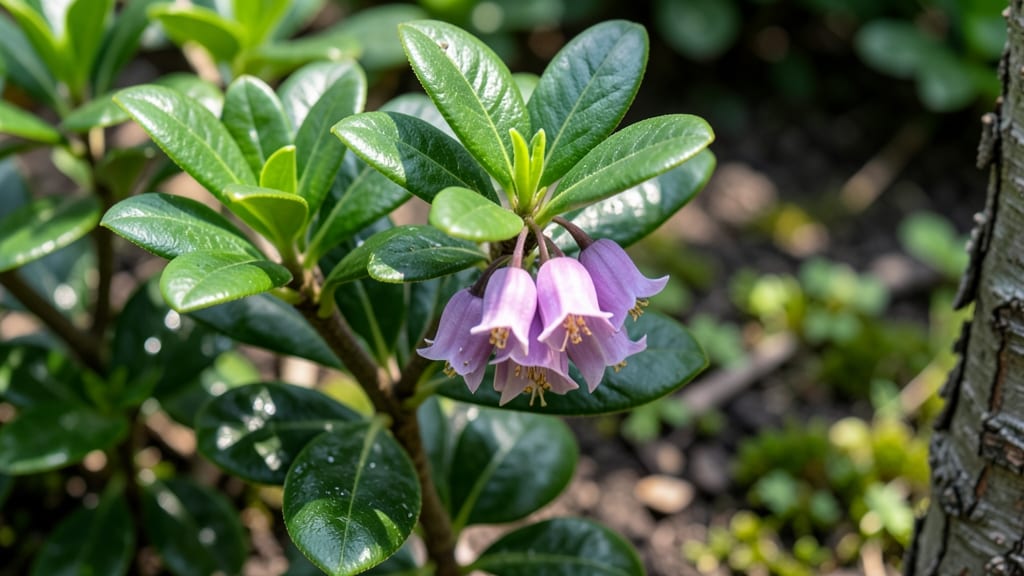
Thorny barriers that actually work—no fences or repellents required. 🌿 Deer-proof flowers and shrubs like Russian sage and barberry pack natural defenses that make your garden a no-go zone for hungry browsers, while still looking stunning in your landscape.
These plants thrive on neglect, handle drought like champions, and multiply like weeds (the good kind). My go-to nandina bushes stay lush year-round, their berries providing winter interest while deer leave them alone. The secret? Thorns, strong fragrances, or toxic compounds—nature’s built-in deterrents that don’t require chemicals.
By strategically placing these toughies along property edges or near high-value plants, you create a visual shield that deters deer without sacrificing beauty. Imagine lavender’s piney scent wafting through your yard while deer turn tail—it’s the ultimate win-win for low-maintenance gardening.
Works in every USDA zone from 3 to 9, and pairs beautifully with native grasses or other deer-resistant perennials. Here’s how to weave them into your design for maximum impact (and minimum browsing).
📚 In This Guide
- What you need
- Instructions
- Tips and common mistakes
- Wrapping up and next steps
What you need
- ● Deer-resistant plants: 10–20 Rudbeckia (Black-Eyed Susan) plants (perennial, drought-tolerant)
- ● 5–10 Lantana shrubs (evergreen, fragrant, and toxic to deer)
- ● 3–5 Barberry bushes (thorny, dense foliage)
- ● 10–15 Russian Sage plants (aromatic, deer avoid its scent)
- ● 5–8 Butterfly Bush (thorny varieties like Buddleia davidii)
- ● 3–5 Boxwood shrubs (dense, evergreen, and deer-resistant)
- ● Soil amendments: 5–10 lbs of compost (for nutrient-rich planting beds)
- ○ Optional: Slow-release fertilizer (10–20 lbs, 10-10-10 NPK ratio)
- ● 1 Garden trowel (for transplanting small plants)
- ● 1 Shovel or spade (for digging larger holes)
- ● 1 Pruning shears (for trimming and shaping plants)
- ● 1 Wheelbarrow or garden cart (for transporting soil/amendments)
- ● 1 Gloves (heavy-duty, for handling thorny plants)
- ● 1 Watering can or hose with nozzle (for post-planting hydration)
- ● Mulch: 2–3 bags of pine straw or wood chips (3 cubic feet each)
- ● 1 Soil pH tester (to ensure optimal growing conditions)
- ● Deer repellent spray (for extra protection during establishment)
- ● 1 Fencing or netting (temporary barrier while plants grow)
- ● Decorative stakes or rocks (to mark boundaries and deter deer)
Step-by-Step guide to designing a deer-resistant garden layout
Creating a garden that naturally deters deer starts with strategic plant selection—focus on textures and scents that deer avoid.
🌱 Step 1: Select Deer-Resistant Flower Varieties
Start with flowers that deer find unappealing due to strong fragrances or fuzzy foliage. Lavender and Russian sage top the list—both have aromatic oils that repel browsers. Plant black-eyed Susans and coneflowers in clusters; their coarse textures and bitter taste discourage nibbling. I always include shasta daisies in my designs—their fuzzy leaves and milky sap make them deer-proof.
For color contrast, add salvia and yarrow—their fine, feathery foliage and intense fragrance create a sensory barrier. Group plants in odd-numbered clusters (3, 5, or 7) to create visual density that deer perceive as overwhelming. This isn’t just about looks; it’s about making your garden feel like a fortress to deer.
🌿 Step 2: Incorporate Shrubs with Natural Deterrents
Shrubs with thorns or prickly stems form the backbone of deer resistance. Barberry and cotoneaster are my go-to choices—their sharp spines make browsing painful. For a softer look, butterfly bush (buddleia) has fuzzy leaves that deer avoid, while potentilla offers vibrant blooms with a bitter taste. Plant these along property edges where deer first approach.
Layer spirea and dwarf ninebark behind flower beds—their aromatic foliage releases scents that deer dislike. Space shrubs 3-4 feet apart to create a dense barrier without sacrificing airflow. This isn’t just about repelling deer; it’s about building a layered defense that looks intentional and thrives.
✂️ Step 3: Create Strategic Plant Pairings
Combine deer-resistant plants with those that deer love to create a confusing sensory experience. For example, plant lilacs (deer-resistant) next to phlox (deer magnets)—the strong fragrance of lilacs masks the scent of phlox. This trick works because deer rely heavily on smell to locate food. I also interplant alliums (deer-resistant) among peony (deer magnets) for the same effect.
Use boxwood as a foundation plant—its dense, waxy leaves are unpalatable, and its compact form creates a physical barrier. Pair it with dwarf holly for additional thorny protection. The key is to make your garden feel like a puzzle to deer, not a buffet. This approach works best in sunny to partially shaded areas where deer are most active.
🪴 Step 4: Add Physical and Scent Barriers
Complement your plantings with physical deterrents like thorny roses or honey locust along property lines. Their sharp stems create a natural fence that deer avoid. For scent barriers, plant rosemary and thyme in borders—their strong aromas mask the scents of deer-preferred plants. I also use garlic chives in containers near garden edges; their pungent odor is a natural deer repellent.
Install motion-activated sprinklers in high-traffic deer areas—even a few sprays will train deer to avoid your garden. Place reflective tape or old CDs on stakes near plantings; the flashing light confuses deer and deters them from lingering. This isn’t just about plants; it’s about creating a multi-sensory environment that deer find overwhelming and unpleasant.
⏰ Step 5: Maintain Year-Round Deterrence
Deer resistance isn’t a one-season solution. Prune barberry and cotoneaster in early spring to encourage dense, thorny growth. Fertilize lavender and Russian sage lightly—over-fertilizing reduces their natural fragrance, making them less effective. I also mulch with cedar chips around plant bases; the scent of cedar is another deer deterrent.
Rotate plantings seasonally—add wintergreen or winterberry in fall for year-round protection. Deer are less active in winter, but they’ll still browse if food is scarce. This is where evergreen shrubs like juniper or arborvitae shine—they provide visual and physical barriers even when other plants are dormant. A well-maintained deer-resistant garden is a year-round project, not a seasonal one.
Tips & tricks for creating a deer-resistant garden
Between us, these practical strategies will help you transform your garden into an impenetrable fortress against deer browsing.
Layered Defense Strategy: In Step 2, when incorporating shrubs like barberry and cotoneaster, create a staggered planting pattern with varying heights. Start with taller shrubs (6-8 feet) along property lines, then layer medium-height shrubs (3-5 feet) behind them, and finish with low-growing plants (1-2 feet) closest to your house. This vertical layering forces deer to navigate through multiple deterrent zones rather than finding a single weak point. The visual complexity alone often confuses them enough to move on.
Seasonal Plant Rotation: For year-round protection, follow Step 5's seasonal rotation advice but go one step further: plant wintergreen and winterberry in fall, then transition to early spring bloomers like dwarf lilacs and azaleas by late winter. This creates a continuous sensory barrier that deer can't ignore. The key is maintaining at least three layers of deer-resistant plants throughout all seasons, even if they're dormant.
Scent Amplification Technique: When using aromatic plants like lavender and rosemary in Steps 1 and 4, crush a few leaves between your fingers before planting to release their essential oils. This intensifies the scent barrier significantly. For maximum effect, plant these scent amplifiers in clusters of 9 or more near property edges where deer first approach. The concentrated aroma creates a psychological repellent that's far more effective than scattered plantings.
Pro Tips for Deer Proof Flowers And Shrubs
- Between us, these practical strategies will help you transform your garden into an impenetrable fortress against deer...
- Layered Defense Strategy: In Step 2, when incorporating shrubs like barberry and cotoneaster, create a staggered plan...
- Seasonal Plant Rotation: For year-round protection, follow Step 5's seasonal rotation advice but go one step further:...
Frequently asked questions
Got questions about keeping deer at bay without fences or chemicals? You’re not alone! Here are some of the most common concerns—and straightforward answers—to help you pick the perfect deer-proof plants for your garden.
What are the most effective deer-resistant flowers and shrubs?
Look for plants with strong scents, fuzzy textures, or thorns. Top picks include lavender (deer hate its fragrance), Russian sage (drought-tolerant and prickly), barberry (thorny shrubs), and butterfly bush (mildly toxic to deer). Pair these with allium or foxglove for extra protection.
How long does it take for deer-resistant plants to establish and deter deer?
Most shrubs take 1–2 years to mature enough to repel deer, while perennials like lavender or salvia may show results in 6–12 months. Pro tip: Combine young plants with temporary deterrents (like motion-activated sprinklers) until they’re fully established. Patience pays off!
Can I mix deer-resistant plants with deer-loved plants in my garden?
Yes! Use deer-resistant plants as borders or focal points to create natural barriers. For example, plant boxwood or holly around prized roses or hostas. Deer are less likely to wander through dense, thorny, or aromatic foliage to reach their favorite snacks.
What should I do if deer still eat my “deer-proof” plants?
Don’t panic! First, check for stress signals (drought, poor soil, or overcrowding), which make plants more vulnerable. Try spraying plants with deer repellent (like garlic-based sprays) or adding physical barriers (like wire mesh around young plants). If the issue persists, swap out stubborn plants for even tougher varieties, like potentilla or ninebark.
Are there any deer-resistant ground covers to protect my garden beds?
Try creeping thyme (fragrant and deer-resistant), ajuga (bitter taste), or lamium (hairy leaves). These low-growing plants create a living mulch that deters deer while suppressing weeds. Just avoid mint or clover—deer love those!
Wrapping up and next steps
Transforming your garden into a deer-resistant paradise doesn’t have to be a challenge—just a strategic choice! By incorporating thorny, aromatic, or toxic flowers and shrubs, you create a natural barrier that keeps deer browsing at bay while adding beauty and resilience to your landscape. 🌿✨
Ready to take the next step? Start by planning your layout—mix deer-deterring plants with your favorites for a thriving, low-maintenance garden. Happy planting, and enjoy your peaceful, pest-free oasis!