
Light Requirements
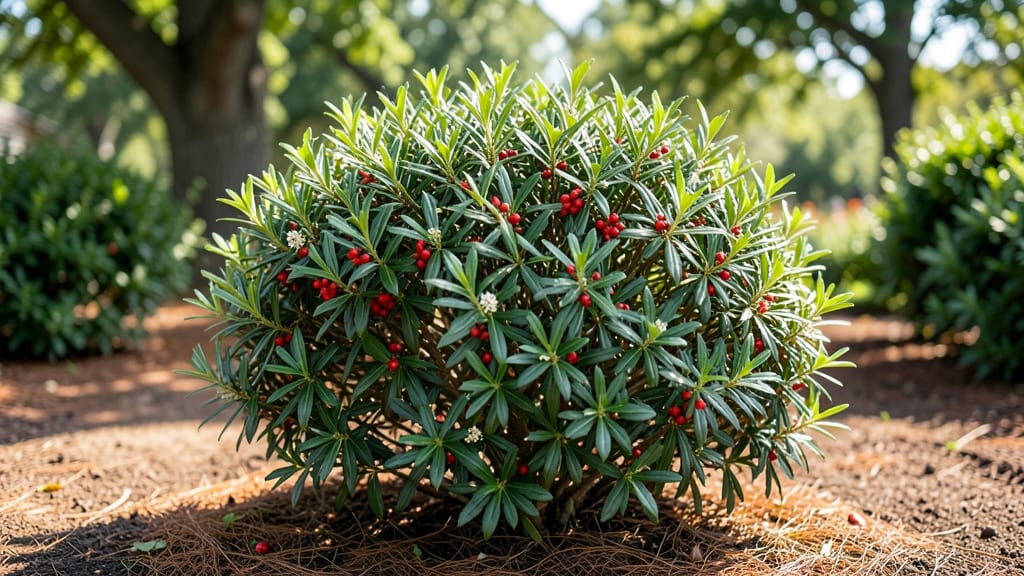
Zone 9's relentless sun and dry heat can turn gardens into crispy landscapes—but evergreen shrubs like olive trees and Texas sage actually love this climate. 🌞 I've planted dozens in full sun, and the right choices stay lush, drought-proof, and beautiful all year without fuss.
The secret? Matching plants to soil, watering smarter than you think, and pruning at the right time.
Start with soil that drains fast—Zone 9's heavy clay needs amending with compost or sand. Most evergreens here thrive on deep but infrequent watering: once established, they'll go weeks without a drop. My olive trees, for example, drink heavily after planting but now sip water like they're at a spa.
Choose plants like lantana, Texas ranger, or coastal rosemary for that perfect mix of color and resilience.
You'll end up with a garden that stays green when neighbors' lawns turn brown, provides year-round structure, and needs less water than anything else in your yard.
The best part? These shrubs attract birds, repel pests, and even improve air quality. Prune just once a year—right after blooming—to keep them shaped and healthy.
Works for borders, privacy screens, or even container gardens on patios. Let's pick the perfect plants for your sunny spot and keep them thriving through every Zone 9 summer.
📚 In This Guide
- What you need
- Instructions
- Tips and common mistakes
- Wrapping up and next steps
What you need
- ● Evergreen shrubs (Zone 9-hardy varieties like Abelia, Boxwood, or Lantana): 3–5 mature plants (1–3 ft tall, depending on desired coverage)
- ● Check for healthy foliage and well-established root balls
- ● Well-draining soil mix (if amending native soil): 50% native soil + 50% compost or potting mix (for sandy or clay-heavy soils)
- ● 1–2 lbs of slow-release fertilizer (10-10-10 or organic options like fish emulsion)
- ● Mulch (2–3 inches): Shredded bark, pine straw, or gravel (avoid organic mulch too close to stems)
- ● Basic tools: Trowel or hand shovel
- ● Garden gloves
- ● Watering can or hose with a gentle spray nozzle
- ● Measuring tape (for spacing plants 3–6 ft apart)
- ● Drip irrigation system (for drought-prone areas—save water and time!)
- ● Pruning shears (for shaping and maintaining shrubs)
- ● Soil pH test kit (aim for 6.0–7.0; amend with lime or sulfur if needed)
- ● Epsom salt (1 tbsp/month for magnesium boost, if leaves yellow)
- ● Reflective mulch or landscape fabric (to suppress weeds)
Step-by-step guide to planting evergreen shrubs in Zone 9 full sun
Here’s how to pick, prep, and plant drought-resistant evergreens that’ll keep your landscape lush all year.
🌱 Step 1: Choose the Right Shrubs for Zone 9 Sun
Zone 9’s full sun means you need shrubs that handle heat, dry spells, and intense light. My top picks are ‘Dwarf Yaupon Holly’ for glossy leaves, ‘Texas Sage’ for silvery foliage, and ‘Lantana’ for vibrant blooms. All three thrive with minimal water once established.
Check the mature size—some, like ‘Dwarf Yaupon’, stay under 4 feet, while others like ‘Texas Sage’ can reach 6 feet. Space them 4-6 feet apart to allow airflow and prevent disease. I always buy from local nurseries to ensure they’re acclimated to Zone 9’s climate.
🪴 Step 2: Prepare the Planting Site
Clear the area of weeds and loosen the soil to a depth of 12 inches with a garden fork. Mix in 2 inches of compost into the top 6 inches of soil to improve drainage and nutrient retention. Zone 9 soil can get heavy, so amending it prevents root rot.
Dig holes twice as wide as the root ball but only as deep as the container. This encourages roots to spread horizontally rather than staying compacted. Place the shrubs in the hole so the top of the root ball sits level with the surrounding soil—burying too deep suffocates the plant.
☀️ Step 3: Plant and Water Deeply
Remove the shrub from its container and gently loosen the roots if they’re circling. Place it in the hole and backfill with soil, pressing lightly to eliminate air pockets. Water deeply until the soil is moist 12 inches down—this settles the roots and removes air gaps.
Mulch around the base with 2-3 inches of organic mulch (like shredded bark), keeping it 3 inches away from the trunk to prevent rot. Water once a week for the first month, then taper to every 2-3 weeks once established. Overwatering here is worse than underwatering—these shrubs are drought-tolerant, not swamp-lovers.
✂️ Step 4: Prune for Shape and Health
Lightly trim any broken or crossing branches right after planting to encourage bushier growth. For ‘Texas Sage’, prune back by ⅓ in early spring to promote dense foliage. Avoid heavy pruning in summer—it stresses the plant when heat is already intense.
Watch for leggy growth toward the sun. If stems stretch too much, it’s a sign of insufficient light, but in Zone 9 full sun, this rarely happens. Instead, focus on removing dead or diseased branches as soon as you spot them—evergreens hide problems until they’re severe.
💧 Step 5: Maintain for Long-Term Beauty
Fertilize once a year in early spring with a slow-release, balanced fertilizer (10-10-10). Too much nitrogen makes shrubs grow fast but weak. Water only when the top 2 inches of soil feel dry—these plants store moisture well once established.
Inspect for pests like aphids or spider mites in late summer. A strong spray of water usually clears them, but for stubborn infestations, use neem oil—it’s tough on pests but safe for plants. With minimal care, your evergreens will stay vibrant, drought-proof, and full of life year after year.
Tips & tricks for perfect evergreen shrubs in Zone 9 full sun
These game-changing tips will help your drought-resistant evergreens thrive for years to come—no green thumb required!
Shrub Selection Wisdom: When choosing between 'Dwarf Yaupon Holly' and 'Texas Sage', consider your space needs first. The 'Dwarf Yaupon' stays compact at 4 feet, perfect for small gardens or container planting. Meanwhile, 'Texas Sage' reaches 6 feet and creates stunning vertical interest. I always check the mature size tag at the nursery—this prevents future crowding headaches!
Soil Prep Secret: The instructions mention mixing 2 inches of compost into the top 6 inches of soil, but here's the pro move: add a handful of perlite or coarse sand to that mix for Zone 9's heavy clay soils. This improves drainage dramatically while preventing root rot. Think of it as giving your shrubs a built-in moisture buffer for those scorching summer afternoons.
Watering Strategy: Those first 4 weeks are critical! While the instructions recommend watering once a week, I've found that early morning watering (before 8 AM) reduces evaporation and prevents fungal issues. Use a soil probe to check moisture—if it's dry at 2 inches down, water again. This simple check prevents both overwatering and underwatering, which are the top two reasons evergreens fail in Zone 9.
Pruning Pro Tips: When pruning 'Texas Sage' back by ⅓ in early spring, use sharp bypass pruners and make cuts just above a leaf node. This encourages bushier growth while preventing unsightly stubs. For all evergreens, I always sterilize my tools with rubbing alcohol between cuts—this prevents spreading diseases between plants. And remember: prune in late winter or early spring when new growth is just starting.
Pro Tips for Evergreen Shrubs Zone 9 Full Sun
- These game-changing tips will help your drought-resistant evergreens thrive for years to come—no green thumb required!
- Shrub Selection Wisdom: When choosing between 'Dwarf Yaupon Holly' and 'Texas Sage', consider your space needs first....
- Soil Prep Secret: The instructions mention mixing 2 inches of compost into the top 6 inches of soil, but here's the p...
Frequently asked questions
Got questions about evergreen shrubs in Zone 9 full sun?
You’re not alone! Here are some of the most common concerns—and their answers—to help you pick the perfect plants for your sunny landscape.
What are the best drought-resistant evergreen shrubs for Zone 9 full sun?
Top picks include Texas Sage (Leucophyllum frutescens), Dwarf Yaupon Holly (Ilex vomitoria 'Nana'), and Lantana (Lantana camara). These thrive with minimal water once established and handle the heat beautifully. For a fragrant option, Texas Ranger (Leucophyllum 'Green Cloud') is a standout!
How long does it take for evergreen shrubs to establish in Zone 9 full sun?
Most evergreen shrubs take 1–2 years to fully establish, especially in full sun. During this time, water deeply once a week (or more during extreme heat) to encourage strong root growth. Mulch around the base to retain moisture and reduce stress.
Can I overwater evergreen shrubs in full sun, or is drought the bigger risk?
Both extremes are risky! While drought is common in Zone 9, overwatering can suffocate roots and invite pests. Let the soil dry out between waterings—stick your finger 2 inches deep. If it’s dry, water; if damp, wait. Well-draining soil is key to avoiding soggy roots.
What if my evergreen shrub turns yellow or loses leaves in full sun?
Yellowing or leaf drop often signals overwatering, underwatering, or sunburn. Check soil moisture first. If leaves are crispy or bleached, provide afternoon shade temporarily. For nutrient issues, fertilize lightly in early spring with a balanced, slow-release fertilizer (10-10-10).
Are there low-maintenance evergreen shrubs that don’t need pruning?
Yes! Dwarf Mexican Petunia (Ruellia brittoniana) and Cenizo (Leucophyllum frutescens) grow naturally compact with minimal pruning. For a tidy look, Dwarf Fountain Grass (Pennisetum 'Little Bunny') (technically not evergreen but drought-tolerant) adds texture without upkeep. Prune only to shape or remove dead growth in late winter.
Wrapping up and next steps
Transforming your Zone 9 garden into a lush, sun-drenched oasis is totally within reach! With the right evergreen shrubs, you’ll enjoy year-round beauty, minimal water needs, and low-maintenance charm. Whether you’re revamping a dry landscape or adding pops of color, these resilient plants are your perfect partners.
Ready to take the next step? Start small—pick one or two shrubs to test your new sunny spot! 🌿 Once you see their success, expand your garden’s green potential with confidence. Happy planting!