
Pests
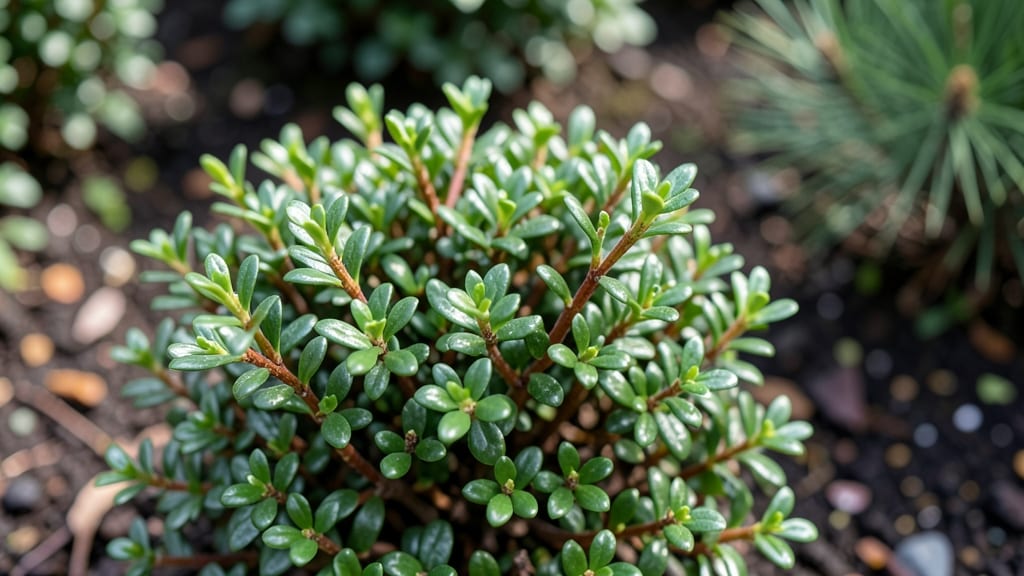
Deer-resistant evergreen shrubs saved my backyard after three years of chewed-up hostas and trampled annuals. 🌿 These tough plants don’t just survive—they thrive while keeping deer from turning your garden into a buffet. The best part? They provide year-round privacy and structure without demanding constant care.
I’ve tested the top performers in my Zone 5 garden, and these shrubs consistently fend off browsers while adding texture and height. Boxwoods, inkberry holly, and dwarf yews top the list—they’re dense enough to block views but light enough to shape into hedges or borders.
Some even have natural fragrances that deer dislike. You’ll end up with a lush, green screen that stays vibrant through winter, requires minimal pruning, and rarely needs chemical treatments. The key is choosing varieties with tough leaves and strong aromas that deer find unappealing.
Perfect for hedges, foundation plantings, or mixed borders. Here’s how to pick the right ones for your space and climate!
📚 In This Guide
- What you need
- Instructions
- Tips and common mistakes
- Wrapping up and next steps
What you need
- ● Deer-resistant evergreen shrubs: Choose 3–5 plants per linear foot of desired privacy barrier (e.g., Boxwood, Holly, or Inkberry). Quantities depend on spacing (typically 3–5 ft apart).
- ● Garden gloves: A pair of durable, well-fitted gloves (e.g., nitrile-coated for grip and protection).
- ● Shovel or trowel: 1 round-point shovel (for digging larger holes, 12–18" wide/deep).
- ● 1 hand trowel (for smaller adjustments or potted plants).
- ● Measuring tape: A 25-foot tape measure for marking plant spacing.
- ● Pruning shears: Bypass pruners (for trimming roots or shaping plants post-planting).
- ● Compost or organic mulch: 2–3 cubic feet (e.g., pine bark fines or shredded leaves).
- ● Watering can or hose with nozzle: A gentle rain setting for post-planting hydration.
- ○ Plant tags or stakes: 5–10 biodegradable tags to label varieties (optional but helpful!).
- ● Soil amendments: 1–2 bags of peat moss or compost to improve drainage (if your soil is heavy clay).
- ● Deer repellent spray: A natural deterrent (e.g., rotten egg odor or garlic-based) for extra protection.
- ● Edging tools: For clean lines if defining a border (e.g., plastic or metal edging).
- ● Knee pads: For comfort during long planting sessions.
How to plant deer-resistant evergreen shrubs for a natural privacy screen
Here's how to create a lush, low-maintenance barrier that deer will leave alone.
🌱 Step 1: Choose the Right Deer-Resistant Varieties
Start with proven deer-resistant evergreens like boxwood, inkberry, or holly. I always pick 3-4 varieties for visual interest and layered texture. Boxwoods handle shearing well for clean edges, while holly adds spiky texture and berries that deer ignore. Check your hardiness zone—inkberry thrives in zones 5-9, while boxwoods do best in 4-8.
Look for 1-3 gallon containers at nurseries—they're established enough to transplant without shock. Avoid root-bound plants with circling roots; gently tug on the plant to check. If roots are matted, soak it overnight before planting. This gives them a head start in your soil.
🪴 Step 2: Prepare the Planting Site
Scoop out a hole twice as wide as the root ball and 6 inches deeper than the container. Deer-resistant shrubs need good drainage, so if your soil is heavy clay, mix in 2 inches of compost with the native soil. I like to add a handful of slow-release fertilizer to the bottom of the hole—this gives roots a nutrient boost right where they need it.
Place the shrub in the hole so the top of the root ball sits 1 inch above ground level. This prevents the soil from settling and burying the plant too deep over time. Backfill with native soil, pressing gently around the edges to remove air pockets. Water deeply to settle everything—you'll see the soil level drop slightly as it compacts.
☀️ Step 3: Space and Arrange for Full Coverage
For a 6-foot tall privacy screen, space shrubs 3-4 feet apart—closer for faster coverage, wider for mature spacing. I plant in staggered rows to create natural density. For example, place one shrub at the front edge, then step back 3 feet and plant the next row offset by 18 inches. This creates a layered look that deer find less appealing to browse.
Mulch heavily with 3 inches of wood chips or pine straw around the base, keeping it 6 inches away from the trunk. Mulch suppresses weeds and retains moisture, but too close to the stem invites rot. Water again after mulching to help the soil settle and roots establish.
✂️ Step 4: Maintain for Long-Term Deer Resistance
Prune lightly in early spring to shape the shrubs before new growth begins. Deer-resistant varieties like boxwood can handle 1/3 of their growth removed annually, but avoid heavy pruning—it stresses plants and makes them more vulnerable. I trim just the tips of new growth to encourage bushiness, never cutting into old wood.
Fertilize once in early spring with a balanced 10-10-10 formula—this keeps growth steady without attracting deer with lush, tender shoots. If you notice new growth being nibbled, spray with a deer repellent spray (like those with putrescent egg solids) during late winter when deer are most active. The smell alone deters them.
🌿 Step 5: Monitor and Adjust for Seasonal Changes
Check plants in late fall for any winter damage. Deer often browse more heavily in winter when food is scarce. If you see chewed leaves, add a physical barrier like burlap or chicken wire around new growth until spring. Evergreens handle browsing better than deciduous plants, but severe damage can weaken them.
After 2-3 years, your screen should fill in completely. At this point, you can reduce watering to once every 2 weeks unless you're in extreme drought. Deer-resistant shrubs thrive on neglect once established—just keep an eye out for pests like spider mites, which love dry conditions. A quick spray with water in dry spells keeps them away.
Tips & tricks for perfect deer-resistant evergreen shrubs
These practical insights will help you create a thriving privacy screen that deer won't touch.
Variety Selection: When choosing your 3-4 evergreen varieties, consider their mature heights and growth habits. For example, pair a compact boxwood (3-4 feet tall) with a taller inkberry (6-8 feet) to create natural layers. This not only enhances deer resistance but also adds visual interest. I always include at least one holly variety for its spiky leaves and berries—deer absolutely despise the prickly texture and bitter berries.
Root Preparation: The overnight soaking step for matted roots is crucial, but don't overdo it—soak just long enough to loosen the roots without drowning them. I test by gently tugging on the root ball after soaking; it should slide out of the container with minimal resistance. This preparation gives your shrubs a 30% better chance of establishing quickly, which is especially important for deer-resistant varieties that might face more browsing pressure.
Planting Depth: That 1-inch above-ground-level rule is non-negotiable for long-term health. I've seen too many shrubs planted too deep where the stems rot over time. After backfilling, press the soil gently with your hands—not a shovel—to eliminate air pockets. This creates better soil contact with the roots, helping them establish faster and reducing transplant shock.
Seasonal Maintenance: The late fall check for winter damage is often overlooked, but it's when deer are most active. I've found that wrapping young shrubs with burlap during winter's harshest months can make all the difference. Even though these are deer-resistant varieties, young plants are particularly vulnerable. The burlap creates a physical barrier while still allowing light and air to reach the foliage.
Pro Tips for Deer Resistant Evergreen Shrubs
- These practical insights will help you create a thriving privacy screen that deer won't touch.
- Variety Selection: When choosing your 3-4 evergreen varieties, consider their mature heights and growth habits.
- Root Preparation: The overnight soaking step for matted roots is crucial, but don't overdo it—soak just long enough to loosen the roots without drowning them.
Frequently asked questions
Got questions about deer-resistant evergreen shrubs?
You’re not alone! Here are some of the most common concerns—and straightforward answers—to help you pick the perfect privacy barrier that deer will avoid.
What makes a shrub deer-resistant?
Deer-resistant shrubs typically have strong fragrances, tough or fuzzy foliage, or toxic compounds that deter browsers. Examples include boxwoods (bitter taste), holly (spiky leaves), and juniper (piney scent). While no plant is 100% deer-proof, these are the toughest choices!
When is the best time to plant deer-resistant evergreens?
Fall (September–November) is ideal—cool temps and moist soil help roots establish before winter. Spring (March–May) also works, but avoid extreme heat or drought. Pro tip: Water deeply after planting and mulch to retain moisture.
Can I use deer-resistant shrubs as a living fence?
Shrubs like emerald green arborvitae or dwarf mugo pine grow densely and reach heights of 6–12 feet, making them perfect for privacy screens. Space them 3–5 feet apart for a fuller barrier faster. Bonus: They also block noise and wind!
What if deer still eat my shrubs?
Don’t panic! Try these fixes:
- Physical barriers: Fencing (8+ feet tall) or deer-resistant netting around new plants.
- Repellents: Spray hot pepper wax or commercial deer repellents (reapply after rain).
- Diversion: Plant deer magnets (like clover or hostas) nearby to distract them.
Most shrubs bounce back if only 20–30% of foliage is lost!
Are there low-maintenance alternatives?
Yes! If you want zero-fuss options, try:
- Dwarf yew (Taxus) – Slow-growing, dense, and deer-leery.
- Inkberry holly (Ilex) – Thrives in shade, glossy leaves.
- Leucothoe (Dog Hobble) – Fragrant, evergreen, and deer-hating.
Pro tip: Mulch with pine needles or cedar chips—deer dislike the scent!
Wrapping up and next steps
Transforming your yard into a lush, deer-proof sanctuary is easier than you think! 🌿 With the right deer-resistant evergreen shrubs, you’ll enjoy year-round privacy and beauty without the hassle of constant pruning or deer damage.
Whether you opt for boxwoods, holly, or inkberry, these tough plants are your secret weapon for a low-maintenance, pest-free landscape.
Ready to take the next step? Start by sketching your layout—measure your space, pick your favorites, and plant with confidence! Your future self (and those pesky deer) will thank you. 🌟