
Pests
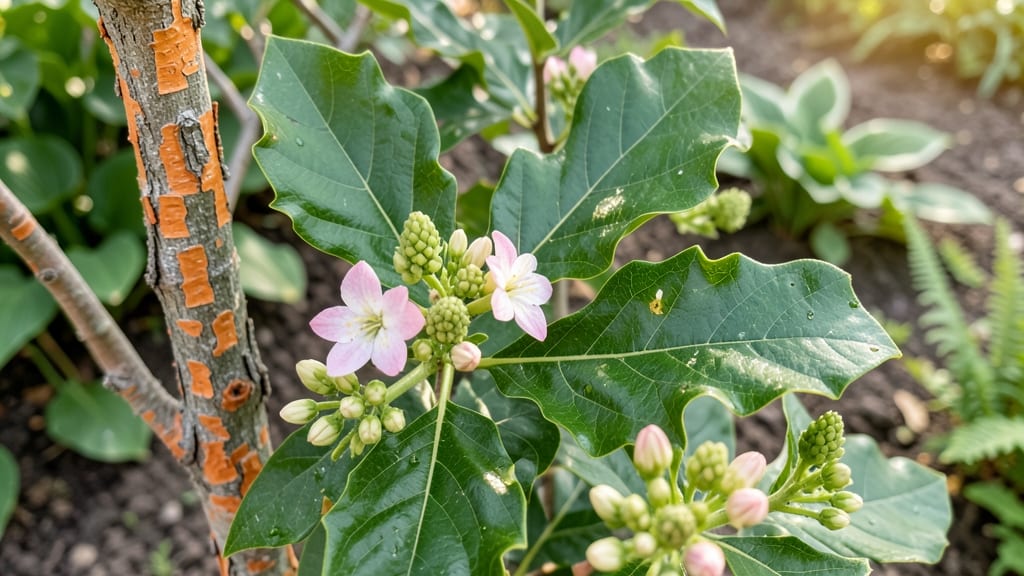
Deer-resistant trees and shrubs saved my backyard from becoming a buffet. 🌲 Last spring, I lost my entire rose hedge overnight—until I swapped in these tough native plants that deer simply avoid. The secret lies in their scent, texture, and chemistry, not fancy fences or repellents.
Native species like Oakleaf Hydrangea and Witch Hazel thrive in most zones while keeping deer at bay. Their leathery leaves and aromatic foliage make them unappealing snacks, and they grow fast enough to create a privacy screen in 3-5 years.
I planted mine along my property line, and the deer haven’t touched them since. You’ll end up with a lush, wildlife-proof barrier that blooms season after season. The best part? These plants need minimal care—just watering the first year and occasional pruning.
No more waking up to chewed leaves or trampled gardens. Works for urban yards, rural properties, and everything in between. Here’s my foolproof list of top performers by region—no more deer damage, just beautiful growth.
📚 In This Guide
- What you need
- Instructions
- Tips and common mistakes
- Wrapping up and next steps
What you need
- ● Deer-resistant plants: 5–10 Oakleaf Hydrangea (Hydrangea quercifolia) – 3–5 ft tall
- ● 3–5 American Holly (Ilex opaca) – 15–20 ft tall (mature)
- ● 5–7 Boxwood (Buxus spp.) – 3–4 ft tall (for hedges)
- ● 2–3 Russian Olive (Elaeagnus angustifolia) – 10–15 ft tall
- ● 4–6 Sumac (Rhus spp.) – 6–12 ft tall
- ● Soil amendments: 5–10 lbs Compost (per plant)
- ● 2–3 lbs Slow-release fertilizer (10-10-10 or similar)
- ● Tools: 1 Shovel (for digging holes)
- ● 1 Garden trowel (for delicate planting)
- ● 1 Pruning shears (for shaping)
- ● 1 Measuring tape (to space plants 3–6 ft apart)
- ● 1 Garden hose (with spray nozzle for watering)
- ● Mulch: 2–3 bags Pine straw or wood chips (to retain moisture)
- ● Plant supports: 2–3 Stakes or cages (for young trees)
- ● Deer repellent: 1–2 Sprays or granules (e.g., Liquid Fence)
- ● Gloves & knee pads: For comfort during planting!
Step-by-step guide to planting a deer-resistant privacy screen
Here's how to create a lush, wildlife-free barrier that thrives with minimal fuss.
🌱 Step 1: Select the Right Deer-Resistant Species for Your Climate
Start by choosing plants that naturally repel deer through scent, texture, or toxicity. In most regions, Oakleaf Hydrangea and Dwarf Fothergilla work beautifully—their leathery leaves and strong fragrance deter browsers. For tougher conditions, Boxwood or Inkberry Holly are excellent choices.
Check your USDA hardiness zone to match plants with your climate. For example, Oakleaf Hydrangea thrives in zones 5-9, while Inkberry Holly handles zones 5-8. Local nurseries often carry deer-resistant varieties labeled as such—ask for their recommendations if you're unsure.
I like to sketch a rough layout before buying, spacing plants 6-10 feet apart depending on their mature width. This ensures they'll fill in completely over time without gaps. For a 4-foot-tall screen, I typically mix 3-4 types of shrubs to create visual interest while maintaining deer resistance.
🪴 Step 2: Prepare Planting Sites and Amend Soil
Deer-resistant plants perform best in well-draining soil with pH 5.5-7.0. Test your soil's pH with a simple kit before planting—most nurseries sell them for under $10. If your soil is heavy clay, mix in 2-3 inches of compost and a handful of sand to improve drainage.
Dig holes twice as wide as the root ball but only as deep. This prevents "planting too deep," which can suffocate roots. Gently remove each plant from its container and tease out any circling roots with your fingers. Place the plant in the hole so the top of the root ball sits 1 inch below ground level—this helps stabilize young plants.
Backfill with native soil mixed with 1/3 compost to give roots a nutrient boost. Water deeply to settle the soil around roots, then add 2-3 inches of mulch (like pine straw or shredded bark) to retain moisture and suppress weeds. Keep mulch 6 inches away from stems to prevent rot.
☀️ Step 3: Plant and Water for Establishment
Arrange your plants in a staggered pattern to create a natural-looking screen. For a 4-plant screen, I space them 8-10 feet apart in a slightly curved line to mimic organic growth. This layout also prevents deer from easily jumping over or walking between plants.
Water each plant deeply right after planting—aim for 1-2 gallons per plant to encourage root growth. Deer-resistant shrubs like Boxwood and Inkberry Holly need 1 inch of water per week during their first year. Use a soaker hose or drip irrigation to deliver moisture slowly at the base, avoiding wet foliage that attracts pests.
Here's the thing—deer are less likely to browse newly planted shrubs if they're established well. After planting, I sprinkle granular deer repellent (like Liquid Fence) around the base. The strong scent deters deer while the plants root, giving them a fighting chance.
✂️ Step 4: Maintain and Encourage Growth
Prune deer-resistant shrubs once a year in early spring before new growth appears. Remove any dead or damaged branches first, then shape the plant by cutting back 1/3 of the oldest stems to the ground. This encourages bushier growth and makes plants less appealing to deer.
Fertilize lightly in early spring with a balanced, slow-release fertilizer (like 10-10-10). Over-fertilizing makes plants softer and more palatable to deer. I apply 1/4 cup per plant and water it in immediately. For Oakleaf Hydrangea, I add aluminum sulfate in late winter to promote blue flowers—just follow package instructions.
Watch for signs of stress like yellowing leaves or stunted growth. These often mean the soil is too wet or dry. Deer-resistant plants are tough, but they still need 6+ hours of sun daily for best results. If your screen is in a shady spot, choose Boxwood or Inkberry Holly, which tolerate partial shade better than others.
🌿 Step 5: Monitor and Adjust for Long-Term Success
After the first year, your screen should fill in nicely. Deer may still test the edges, so I install flexible fencing (like 4-foot tall deer netting) around the perimeter if needed. This is temporary—once plants mature, they'll be too tough to browse.
Every 2-3 years, renew mulch and check for gaps. If deer start nibbling, switch to a different deer-resistant variety in those spots. For example, if Boxwood gets chewed, replace it with Dwarf Ninebark, which is even more deer-proof.
Real talk: Some years will be tougher than others. If deer pressure is extreme, combine your screen with physical barriers or repellent sprays until plants establish. With patience, your privacy screen will become a deer-proof haven you can enjoy for decades.
Tips & tricks for perfect deer-resistant privacy screens
Creating a deer-proof garden barrier takes some strategic planning—here's how to ensure your screen thrives from day one.
Species Selection Strategy: When choosing between Oakleaf Hydrangea and Dwarf Fothergilla, consider their mature heights. For a 4-foot-tall screen, I pair Boxwood (3-4 feet) with Inkberry Holly (4-5 feet) to create a layered effect. The holly's sharp leaves act as a natural deterrent, while boxwood fills gaps beautifully. If deer are particularly persistent in your area, add Dwarf Ninebark—its fuzzy stems are unappealing to browsers.
Soil Prep Secret: The 1 inch below ground level planting depth is crucial—it prevents crown rot while keeping roots stable. For heavy clay soil, I mix in 2-3 inches of compost and sand in a 1:1 ratio before backfilling. This creates a well-draining environment that deer-resistant plants love. Remember to keep mulch 6 inches away from stems to prevent moisture buildup that attracts pests.
Watering Wisdom: Those 1-2 gallons per plant after planting aren't just numbers—they're essential for root establishment. I use a soaker hose set to deliver water slowly over 30 minutes to ensure deep penetration. During the first year, maintain 1 inch of water per week, but avoid overhead watering that can damage leaves and attract deer. The key is consistent moisture without creating a deer magnet.
Long-Term Maintenance Hack: The 2-3 year mulch renewal schedule works perfectly, but here's my extra tip: Add 1 inch of wood chips every 6 months instead of waiting for full renewal. This maintains consistent moisture levels and suppresses weeds more effectively. For Oakleaf Hydrangea, I apply aluminum sulfate in late winter to keep those blue flowers coming back year after year—just follow the package instructions for your specific soil pH.
Pro Tips for Deer Resistant Trees And Shrubs
- Creating a deer-proof garden barrier takes some strategic planning—here's how to ensure your screen thrives from day one.
- Species Selection Strategy: When choosing between Oakleaf Hydrangea and Dwarf Fothergilla, consider their mature heights.
- Soil Prep Secret: The 1 inch below ground level planting depth is crucial—it prevents crown rot while keeping roots stable.
Frequently asked questions
Got questions about keeping deer at bay without sacrificing your garden’s beauty? Here are some of the most common concerns—and answers—to help you create a deer-resistant paradise with confidence!
What are the most deer-resistant trees and shrubs for my region?
Deer preferences vary by location, but Boxwood, Holly, Russian Olive, and Spirea are top picks for most climates. For arid areas, try Desert Willow or Purging Laurel. Check your USDA Plant Hardiness Zone and local nurseries for region-specific recommendations.
How long does it take for deer-resistant plants to establish and deter deer?
Most shrubs take 1–3 years to mature enough to discourage deer, while trees may take 3–5 years. Young plants are most vulnerable—use deer repellent sprays or fencing temporarily. Pro tip: Plant in clusters to create a stronger visual and olfactory barrier!
When is the best time to plant deer-resistant shrubs for maximum survival?
Plant in early spring or fall when soil is moist but not frozen. Avoid summer heatwaves or winter frosts, which stress roots. Bonus: Mulch heavily (3–4 inches) to retain moisture and suppress weeds—deer hate competition!
What if deer still eat my “deer-resistant” plants? What now?
Don’t panic! Try these fixes:
- Physical barriers: Install 8-foot fencing or plastic tree guards around young plants.
- Repellents: Spray rotten egg odor or commercial deer repellents (reapply after rain).
- Diversion: Plant a “deer buffet” (like Clover) nearby to distract them.
If damage persists, consider goat grazing or motion-activated sprinklers.
Are there any deer-resistant alternatives to traditional hedges like Arborvitae?
Try these low-maintenance, deer-deterring options:
Plant
Height
Growth Rate
Dwarf Ninebark
6–8 ft
Moderate
Oakleaf Hydrangea
4–6 ft
Slow to moderate
Potentilla
2–3 ft (great for borders!)
Fast
These thrive in partial shade and require minimal pruning—perfect for privacy screens!
Wrapping up and next steps
Transforming your garden into a deer-resistant oasis doesn’t have to be a challenge—it’s all about choosing the right plants! 🌿 With options like Oakleaf Hydrangea, Boxwood, and Russian Olive, you can create a lush, low-maintenance privacy screen that keeps deer at bay while adding beauty and structure to your outdoor space.
Ready to take the next step? Start by sketching a simple layout of your garden, then research local nurseries or online plant suppliers to source your favorites. Happy planting—your wildlife-free garden awaits! 🌱