
Shrubs
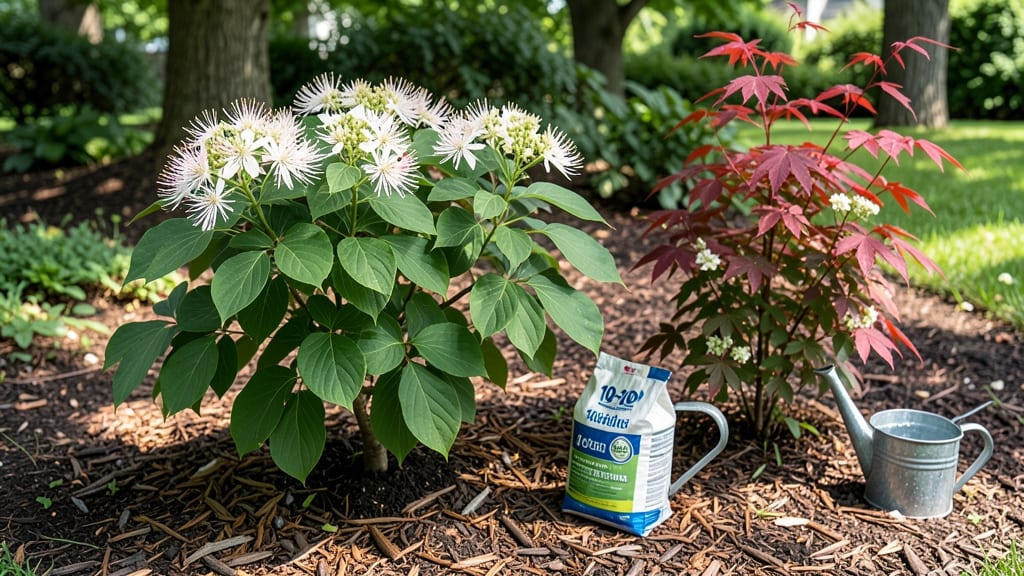
Dogwood shrub care starts with three pruning secrets that keep these showstopping plants thriving for decades. 🌿 I've watched my Cornus florida bloom like clockwork for eight years now, and it all comes down to timing, technique, and knowing when to leave well enough alone.
Most gardeners over-prune dogwoods, stripping them of next year's flowers. The key is pruning after blooming—never in late winter or early spring—and removing only dead, crossing, or crowded branches.
My Cornus kousa produces even more dramatic fruit displays because I treat it like a low-maintenance star rather than a high-maintenance diva.
You'll end up with plants that burst into bloom every spring, maintain their perfect shape year-round, and resist pests better than unpruned shrubs. The secret weapon? A sharp pair of loppers and a little patience—no dramatic cuts needed.
Works for both flowering dogwoods and Kousa dogwoods, and adapts easily to urban yards or woodland gardens. Let's get those branches looking intentional!
📚 In This Guide
- What you need
- Instructions
- Tips and common mistakes
- Wrapping up and next steps
What you need
- ● Pruning shears or loppers: Sharp, bypass-style (for clean cuts) or anvil-style (for thicker branches). Size: 6- to 8-inch blades for shears; 18- to 24-inch loppers for thicker stems.
- ● Pruning saw: Curved-tooth saw for branches ½-inch or thicker.
- ● Garden gloves: Heavy-duty, cut-resistant to protect hands from thorns or rough bark.
- ● Disinfectant (70% isopropyl alcohol or bleach solution): 1 part bleach to 9 parts water to sterilize tools between cuts and prevent disease.
- ● Compost or mulch: 2-4 inches of organic mulch (e.g., shredded bark, pine straw) to retain moisture and regulate soil temperature.
- ● Watering can or hose with adjustable nozzle: For deep but gentle watering (1-1.5 inches per week, including rainfall).
- ○ Fertilizer (optional but recommended): Balanced, slow-release (e.g., 10-10-10 or 20-20-20) or organic options like composted manure. Apply in early spring.
- ● Hand pruners with ratcheting mechanism: For easier cutting on stubborn branches.
- ● Extension pole: Attaches to loppers for high-reaching branches (10-12 feet).
- ● Soil pH tester: Dogwoods prefer slightly acidic soil (pH 5.0-6.5).
- ● Plant food spikes: Convenient for slow-release nutrients without digging.
- ● Rain gauge: To track watering accuracy and avoid over/under-watering.
How to maintain a thriving dogwood shrub through every season
Dogwoods reward patience with stunning blooms and graceful form—here’s how to keep yours healthy, year after year.
🌿 Step 1: Master Seasonal Pruning for Optimal Growth
Dogwoods bloom on old wood, so prune immediately after flowering to avoid cutting off next year’s blooms. I use sharp, sterilized loppers to make clean cuts just above outward-facing buds or branch collars. This prevents tears and encourages strong regrowth.
Remove any dead, diseased, or crossing branches first—they compete with healthy growth and invite pests. Thin the center to improve airflow, which prevents fungal issues like powdery mildew. Aim to open the shrub’s canopy so sunlight reaches all branches.
☀️ Step 2: Provide the Right Light and Soil Conditions
Dogwoods thrive in partial shade to full sun, but afternoon shade in hot climates prevents leaf scorch. I plant mine where they get morning sun and afternoon dappled light—this balances bloom production and leaf health.
Their soil should be moist but well-draining, with a slightly acidic pH (6.0–6.5). Amend heavy clay with 2–3 inches of compost mixed into the top 6 inches of soil at planting. Mulch with 2–3 inches of organic mulch (like shredded bark) to retain moisture and suppress weeds.
💧 Step 3: Water Deeply and Consistently
Newly planted dogwoods need 1–1.5 inches of water per week, either from rain or irrigation. I water deeply 2–3 times per week in dry spells, soaking the root zone to 12–18 inches deep. Shallow watering encourages weak roots that struggle in drought.
Once established, dogwoods tolerate moderate drought, but prolonged dry spells cause leaf drop. Watch for wilting leaves or crispy edges—these are signs to increase watering. Avoid overhead sprinklers to prevent fungal diseases; instead, use drip irrigation or soaker hoses at the base.
✂️ Step 4: Fertilize Strategically for Long-Term Health
Feed dogwoods in early spring with a balanced, slow-release fertilizer (10-10-10 or similar) applied at half the recommended rate. Over-fertilizing leads to excessive leafy growth at the expense of blooms. I also top-dress with 1–2 inches of compost in late fall to replenish nutrients.
Yellowing leaves often signal nutrient deficiencies. If this happens, test your soil and supplement with iron chelate for chlorosis or potassium for weak stems. Dogwoods are light feeders—too much fertilizer stresses them and attracts pests.
⏰ Step 5: Protect Against Pests and Diseases
Watch for dogwood borers, which tunnel into stems and weaken the shrub. I inspect bark annually for sawdust-like frass or exit holes. If found, prune infested branches 6–12 inches below the damage and treat with neem oil or beneficial nematodes.
Powdery mildew appears as white, powdery patches on leaves. Improve airflow by pruning densely packed branches and apply fungicide (like copper-based sprays) if needed. Avoid wetting foliage when watering to reduce fungal risks.
Tips & tricks for perfect dogwood shrub care
Here's what nobody tells you about keeping your dogwood thriving through every season—without the guesswork.
Pruning Precision: When you're pruning in Step 1, look for branches that grow straight back into the center of the shrub. These are the first to remove—they create dense shade that prevents sunlight from reaching inner leaves. I use a small flagging tape to mark branches I'm unsure about before making cuts. This helps me visualize the final shape and ensures I don't accidentally remove too much of the canopy. The goal is to create an open, vase-like shape that allows light to penetrate all the way to the center.
Soil Science: The slightly acidic pH range (6.0-6.5) mentioned in Step 2 is crucial but often overlooked. If your soil tests higher than 7.0, you'll need to amend it with elemental sulfur or peat moss to lower the pH. I've seen dogwoods struggle in alkaline soils despite perfect care—yellowing leaves and poor blooms were the first signs. Test your soil every 2-3 years, especially if you notice these symptoms. The compost recommendation of 2-3 inches is perfect for improving soil structure, but don't skip the 6-inch deep incorporation—surface applications won't provide enough benefit for dogwood roots.
Watering Wisdom: The 12-18 inch deep watering in Step 3 requires patience—don't rush it! Use a soil probe or long screwdriver to check moisture depth after watering. I've seen many gardeners water frequently but shallowly, which encourages shallow root systems that can't handle drought. For established shrubs, you can reduce to once a week during rainy seasons, but always check the soil first. The 1-1.5 inch weekly measurement is for reference—your actual needs depend on rainfall, soil type, and local climate.
Fertilizer Finesse: That "half the recommended rate" in Step 4 is non-negotiable for dogwoods. I've made the mistake of using full strength fertilizer, and the results were disastrous—excessive leaf growth at the expense of blooms, plus a surge in pests. For the 1-2 inches of compost in fall, I use well-aged compost rather than fresh manure, which can burn roots. If you notice new growth in late summer or fall, that's a sign you've over-fertilized—dogwoods should be dormant by then.
Pro Tips for Dogwood Shrub Care
- Here's what nobody tells you about keeping your dogwood thriving through every season—without the guesswork.
- Pruning Precision: When you're pruning in Step 1, look for branches that grow straight back into the center of the sh...
- Soil Science: The slightly acidic pH range (6.0-6.5) mentioned in Step 2 is crucial but often overlooked. If your soi...
Frequently asked questions
Got questions about keeping your dogwood shrub thriving? Here are some of the most common concerns—and practical answers—to help you care for this stunning plant with confidence!
When is the best time to prune my dogwood shrub?
The ideal time to prune dogwood shrubs is late winter or early spring (just before new growth begins). This timing promotes healthy blooms and prevents disease. Avoid pruning in fall, as it can leave cuts vulnerable to winter damage. For shaping or light trimming, you can also prune after flowering.
How often should I fertilize my dogwood shrub?
Dogwood shrubs typically need fertilization once a year, preferably in early spring (March–April). Use a balanced, slow-release fertilizer (like 10-10-10) or one formulated for acid-loving plants. Skip fertilization if your soil is rich in organic matter. Over-fertilizing can harm roots and reduce blooms!
Why are my dogwood leaves turning yellow or brown?
Yellow or brown leaves often signal overwatering, underwatering, or nutrient deficiencies. Check soil moisture—dogwoods prefer consistently moist (not soggy) soil. Brown edges may also mean drought stress or fungal issues (like powdery mildew). Improve drainage, adjust watering, and avoid wetting foliage to prevent disease.
Are dogwood shrubs deer-resistant? What pests should I watch for?
Dogwoods are moderately deer-resistant, but hungry deer may nibble young shoots. To deter them, use repellents or fencing. Watch for borers, scale insects, and spider mites. Treat infestations early with neem oil or insecticidal soap. Healthy, well-watered shrubs are less attractive to pests!
Can I grow dogwood shrubs in containers? What’s the best alternative?
While possible, dogwoods thrive best in ground plantings due to their deep root systems. For containers, choose dwarf varieties like Cornus florida ‘Rubra’ and use well-draining, acidic soil. If you need a low-maintenance alternative, try serviceberry (Amelanchier) or viburnum—both offer similar spring blooms and berries!
Wrapping up and next steps
Caring for your dogwood shrub is a rewarding journey that brings beauty and structure to your landscape year-round! With the right pruning techniques, proper soil and watering habits, and a watchful eye for pests, your shrub will thrive for seasons to come. 🌿
Now that you’re armed with these 3 pruning essentials, it’s time to roll up your sleeves and give your dogwood the love it deserves.
Start by assessing your shrub’s needs—whether it’s a spring trim, summer shaping, or winter cleanup—and make it a regular part of your gardening routine. Happy pruning!