
Shrubs
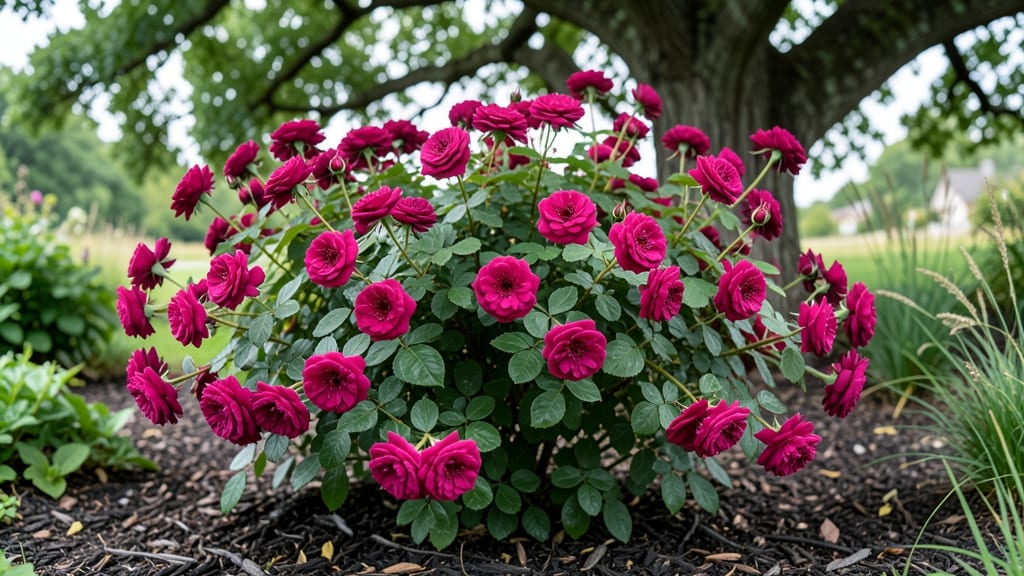
My Drift shrub rose transformed my yard from ordinary to showstopping with just three strategic cuts last spring. 🌿 These thorn-free beauties grow like crazy—up to 6 feet tall—and their vibrant pink blooms last all summer with almost no fuss.
The best part? They’re tough enough to handle my zone 5 winters without flinching, and they resist black spot better than any rose I’ve grown before.
Planting them is easier than you’d think: full sun, well-draining soil, and 18-24 inches of space between plants. Water them deeply once a week after the first month, and you’ll see those lush canopies fill out faster than weeds take over.
The real magic happens when you prune—just three cuts in early spring keeps them compact, blooming, and looking like a professional landscaper did the work.
By midsummer, you’ll have a thorn-free privacy screen that hummingbirds can’t resist. The blooms stay fresh for weeks, and the foliage stays disease-resistant even in humid summers. My neighbors now ask how I keep my yard looking so effortless—now it’s your turn to steal the secret.
Works perfectly for hedges, borders, or even as a standalone specimen plant. Here’s how to get started without the headaches most roses bring.
📚 In This Guide
- What you need
- Instructions
- Tips and common mistakes
- Wrapping up and next steps
What you need
- ● Drift Shrub Rose: 1-3 plants (depending on desired coverage; choose Rosa ‘Drift’ or similar thornless varieties).
- ● Well-draining soil: 5-10 bags of organic compost or potting mix (if amending native soil).
- ● Mulch: 2-3 cubic feet of wood chips or pine straw to retain moisture.
- ● Slow-release fertilizer: 1 bag (10-10-10 or rose-specific formula).
- ● Pruning shears: 1 pair (bypass pruners, sharp and sanitized).
- ● Gloves: 1 pair (heavy-duty for protection).
- ● Watering can or hose: With a gentle spray nozzle.
- ○ Loppers: For thicker stems (optional but helpful for mature shrubs).
- ● Hand trowel: For digging small holes or adjusting roots.
- ● Staking kit: 3-4 stakes + ties (if planting in windy areas).
- ○ Pruning sealant: (Optional) For large cuts to prevent disease.
- ● Rose food tablets: 10-20 tablets (for slow-release nutrition).
- ● Plant tags: To label varieties and pruning dates.
Step-by-Step instructions for pruning a Drift shrub rose
Here's how to shape your thorn-free Drift rose into a lush, sun-loving canopy with just three strategic cuts.
✂️ Step 1: Remove Dead or Diseased Wood First
Start by examining the entire shrub for branches that are brown, brittle, or showing signs of disease like black spots or powdery mildew. Use sharp pruning shears to cut these stems back to healthy green wood—you'll see a clear transition where the dead section meets the living growth. This isn't just about aesthetics; removing dead wood prevents fungal spores from spreading to healthy branches.
I always prune dead wood first because it's the easiest way to improve airflow through the center of the shrub. Aim to open up the center by about 6-8 inches so sunlight can reach all the way to the base. If you see any cankers (sunken, discolored areas), cut back at least 6 inches below the affected spot to ensure you remove the entire infected section.
✂️ Step 2: Shape the Canopy with Three Main Cuts
Now focus on shaping the overall form. The Drift rose naturally grows in a rounded shape, so your goal is to maintain that while encouraging outward growth. Make your first cut just above a bud that faces outward—this ensures new growth will fill in any gaps. Use a slight angle when cutting to prevent water from pooling on the wound.
For the second cut, target any branches that are crossing or rubbing against others. These create weak points where disease can enter. Cut the weaker of the two branches at its base, and if you're removing a significant portion, leave a small bump rather than a flat cut to reduce stress on the plant. The third cut should be for any branches growing inward that block sunlight from reaching the center.
✂️ Step 3: Refine for Airflow and Flower Production
Next, look for branches that are growing straight up rather than outward. These vertical stems produce fewer blooms and can make the shrub look top-heavy. Cut these back to a side bud that angles outward—this encourages the bushier growth that Drift roses are known for. I like to make these cuts just above a leaf node where you can see a small bump indicating a bud.
Finally, thin out any overly dense areas by removing about one-third of the oldest stems at the base. This might sound drastic, but it stimulates new growth from the base and keeps the shrub vibrant. After pruning, step back and visualize the shape—you want a rounded, open form that lets sunlight penetrate to the center where new blooms will emerge.
💧 Step 4: Clean Up and Apply Post-Pruning Care
Once all your cuts are made, sterilize your pruning tools with rubbing alcohol to prevent spreading disease between cuts. Remove all pruned material from the area immediately—never leave it on the ground where it can harbor pests or fungi. I also like to apply a balanced, slow-release fertilizer around the base after pruning to support the new growth that will follow.
Water deeply right after pruning to help the plant recover, but avoid getting water on the fresh cuts. The Drift rose will respond quickly to your pruning—you'll see new shoots emerging within 2-3 weeks, and by late spring, you'll have a fuller, more abundant blooming shrub. The key is to prune just before new growth begins, usually in late winter or early spring when the plant is still dormant.
Tips & tricks for pruning a Drift shrub rose
Transforming your Drift rose into a thriving, thorn-free beauty takes more than just cutting—it's about strategic pruning that enhances its natural shape and health. Here's what I've learned after years of shaping these sun-loving shrubs.
Tool Preparation: Before you begin, sharpen your pruning shears to make clean cuts that heal faster. Dull blades tear the bark, creating larger wounds that invite disease. I also recommend sterilizing your tools with rubbing alcohol between cuts—this prevents spreading fungal spores from diseased branches to healthy ones. The 6-8 inch clearance you aim for in Step 1 becomes much easier when your tools are properly maintained.
Bud Identification: In Step 2, when making your first cut just above an outward-facing bud, look for the small bump where the bud meets the stem. This bump is your target—it's where new growth will emerge. I've found that using a magnifying glass helps when buds are small or hidden by foliage. The slight angle you make when cutting (about 45 degrees) should face away from the bud to prevent water from pooling.
Seasonal Timing: The instructions mention pruning in late winter or early spring, but there's a sweet spot within that window. Aim for just before new growth begins—typically when daytime temperatures consistently reach 50°F. This timing ensures you're not cutting into next year's blooms while still giving the plant time to recover before summer heat. I've noticed the most vigorous regrowth when pruning in early March in my zone 7 garden.
Pro Tips for Drift Shrub Rose
- Transforming your Drift rose into a thriving, thorn-free beauty takes more than just cutting—it's about strategic pru...
- Tool Preparation: Before you begin, sharpen your pruning shears to make clean cuts that heal faster. Dull blades tear...
- Bud Identification: In Step 2, when making your first cut just above an outward-facing bud, look for the small bump w...
Frequently asked questions
Got questions about growing and maintaining your drift shrub rose? You’re not alone—this thorn-free beauty is packed with charm but comes with a few quirks. Here are answers to the most common queries to keep your roses thriving with minimal fuss!
How often should I prune my drift shrub rose?
Prune your drift shrub rose once a year in late winter or early spring (before new growth starts). With its natural, rounded shape, it only needs 3 simple cuts—focus on removing dead wood, shaping the canopy, and thinning crowded stems. Skip heavy pruning; this rose blooms on new wood, so avoid trimming back too aggressively.
Why aren’t my drift shrub roses blooming as much as I expected?
If your roses are underperforming, check these factors:
- Sunlight: Ensure they get 6+ hours of sun daily—partial shade can reduce blooms.
- Watering: Keep soil consistently moist (but not soggy) during the growing season.
- Fertilizer: Use a balanced rose fertilizer in early spring and mid-summer.
- Aging plant: Older roses may bloom less—consider rejuvenating with a light prune in late winter.
Are drift shrub roses cold-hardy? How do I protect them in winter?
Yes! Drift shrub roses are USDA zones 4-9 hardy, meaning they tolerate cold snaps down to -30°F. For extra protection in harsh winters:
- Apply a 3-inch layer of mulch around the base (but not touching the stems).
- Avoid heavy pruning in fall—wait until spring to shape.
- If you live in zone 4 or colder, wrap the plant in burlap during extreme cold snaps.
Do drift shrub roses attract pests or diseases? How do I prevent them?
These roses are disease-resistant but can still face aphids, spider mites, or black spot in humid climates.
- Prevention: Space plants 3-4 feet apart for airflow and water at the base (not overhead).
- Treatment: Spray with neem oil or insecticidal soap if pests appear. Remove infected leaves immediately.
- Fungicide: Use a copper-based fungicide if black spot develops (a fungal disease).
Can I grow drift shrub roses in containers? What’s the best setup?
Drift shrub roses thrive in containers with these tweaks:
- Pot size: Choose a 15-20 gallon container with drainage holes.
- Soil: Use a well-draining potting mix amended with compost.
- Watering: Containers dry out faster—water daily in summer and move pots to a sheltered spot in winter.
- Fertilizer: Feed every 2-3 weeks during growing season with a liquid rose fertilizer.
Wrapping up and next steps
Transforming your garden with a drift shrub rose is easier—and more rewarding—than you think! With just three simple pruning cuts, you can enjoy a lush, thorn-free canopy that blooms beautifully year after year.
Whether you're a seasoned gardener or a curious beginner, this low-maintenance beauty is ready to elevate your outdoor space with minimal effort.
Ready to take the next step? Grab your pruners, pick a sunny spot, and give your drift shrub rose the care it deserves. Watch it thrive—and enjoy the blooms! 🌸✂️