
Shrubs
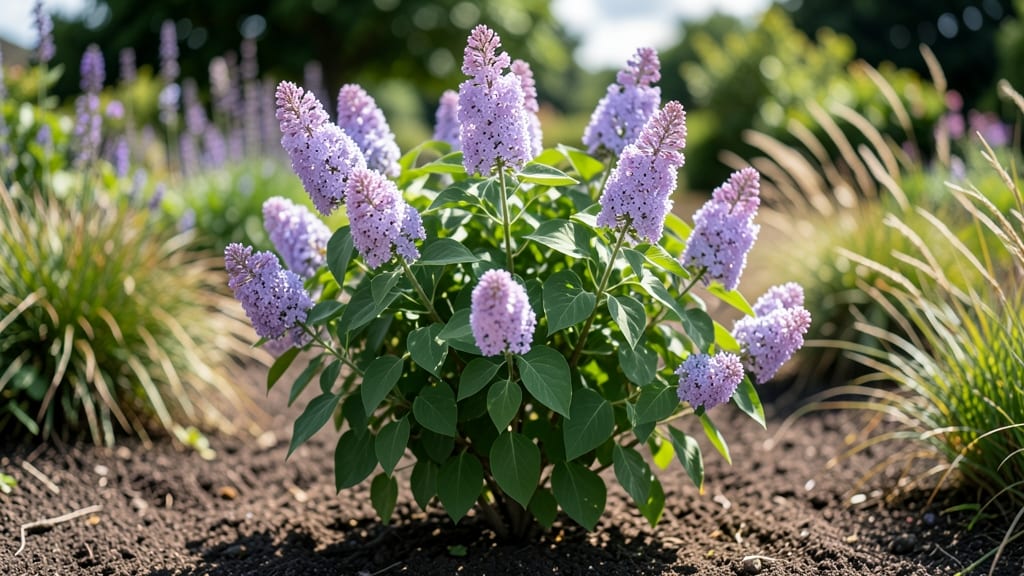
Growing a dwarf Korean lilac shrub means adding fragrant springtime to even the smallest yard. 🌿 I fell for these shrubs after seeing their compact size and intoxicating scent—no more needing acres for a showstopper. They thrive where big lilacs fail, handling cold snaps and tight spaces with ease.
The secret to their success is simple: partial sun, well-draining soil, and a little patience. Plant them in early spring or fall when roots establish best, and you’ll see those signature lavender blooms within 2-3 years.
They stay under 6 feet tall, perfect for borders, containers, or foundation plantings. Once established, they’re nearly carefree—just water during dry spells and trim back spent blooms. The fragrance alone makes them worth it, filling the air with sweetness that neighbors will notice (and maybe envy).
Their dark green foliage even stays attractive when not in bloom. For best results, plant in zones 3-8 and avoid heavy clay soils. A light mulch helps retain moisture while keeping roots cool. With proper placement, your dwarf lilac will reward you with decades of effortless beauty and scent.
📚 In This Guide
- What you need
- Instructions
- Tips and common mistakes
- Wrapping up and next steps
What you need
- ● Dwarf Korean lilac shrub: 1–3 plants (check labels for Syringa meyeri or Pallida cultivars; 3–4 feet tall at maturity).
- ● Well-draining soil: 5–10 bags (1 cubic foot each) of a mix like 50% native soil + 50% compost or a pre-mixed shrub/rose blend.
- ● Organic mulch: 2–3 cubic feet (e.g., shredded bark, pine needles, or composted leaves).
- ● Slow-release fertilizer: 1–2 lbs of 10-10-10 or 5-10-5 (organic options like fish emulsion or bone meal work too!).
- ● Watering can or hose with nozzle: 2–3 gallons capacity (for deep watering).
- ● Pruning shears: 1 pair (bypass-style, sharp, and sterilized).
- ● Garden gloves: 1 pair (nitrile-coated for durability).
- ● Trowel or spade: For digging holes (6–8 inches deep, 12–18 inches wide per plant).
- ○ Soil pH test kit: Optional but helpful—dwarf Korean lilacs prefer 6.0–7.0 pH.
- ● Drip irrigation or soaker hose: For consistent moisture (especially in hot/dry climates).
- ● Stakes or plant supports: 2–3 stakes (if planting in windy areas).
- ● Mulch ring or landscape fabric: To keep mulch in place and deter weeds.
- ○ Epsom salt (magnesium sulfate): 1–2 tbsp (optional, for yellowing leaves).
Step-by-step guide to planting and caring for dwarf Korean lilac
Here’s how to cultivate these fragrant, cold-resistant shrubs with minimal fuss—perfect for small spaces or containers.
🌱 Step 1: Choose the Perfect Planting Site
Dwarf Korean lilacs thrive in full sun to partial shade, with at least 6 hours of direct sunlight daily for optimal blooming. I always pick a spot with well-draining soil—these shrubs despise soggy roots. If your soil is heavy clay, amend it with 2-3 inches of compost before planting to improve aeration.
For containers, select a pot at least 18 inches wide and deep with drainage holes. The roots spread wider than the canopy, so don’t skimp on space. Test drainage by filling the pot with water—if it drains in under 10 minutes, it’s ready. Mulch around the base with 2-3 inches of organic mulch (like shredded bark) to retain moisture and suppress weeds.
🪴 Step 2: Plant at the Right Depth and Spacing
Dig a hole twice as wide as the root ball but no deeper—planting too deep suffocates the roots. Gently loosen the root ball if it’s tightly bound, then place the shrub in the hole so the top of the root ball sits level with the surrounding soil. This prevents crown rot, which is a common killer of young lilacs.
Space multiple shrubs 4-6 feet apart for airflow and future growth. If planting in containers, group 2-3 plants per pot for a fuller look. Backfill with native soil mixed with compost (about 1 part compost to 3 parts soil) to encourage root establishment. Water deeply right after planting to settle the soil and eliminate air pockets.
☀️ Step 3: Water and Fertilize for Strong Growth
Water deeply once a week during the first growing season, ensuring moisture reaches 6 inches down. You’ll know it’s enough when the soil feels damp but not waterlogged. Overwatering causes root rot, so let the top 2 inches of soil dry out between waterings. Once established, these shrubs are drought-tolerant but still appreciate 1 inch of water weekly in dry spells.
Fertilize in early spring with a balanced 10-10-10 fertilizer (about 1/2 cup per shrub). Avoid high-nitrogen fertilizers—they promote leafy growth at the expense of flowers. I also top-dress with compost in fall to feed the roots over winter. Prune immediately after flowering to shape the shrub and encourage next year’s blooms.
✂️ Step 4: Prune for Health and Abundant Blooms
Prune right after flowering (late spring to early summer) to remove dead or crossing branches. Use clean, sharp pruners to make cuts just above a leaf node or bud. Avoid heavy pruning—these shrubs bloom on old wood, so aggressive cuts reduce next year’s flowers. I never prune more than 1/3 of the shrub in a single season.
Shape the shrub lightly in early spring before new growth appears. Remove any suckers or watersprouts at the base to keep energy focused on the main canopy. If your lilac gets leggy, prune back 1/3 of the oldest stems to rejuvenate growth. Always sterilize pruners with rubbing alcohol between cuts to prevent disease spread.
⏰ Step 5: Protect and Maintain Through Seasons
Dwarf Korean lilacs are USDA Zones 3-8 hardy, but young plants benefit from winter mulch (add 3-4 inches of mulch around the base in late fall). This insulates the roots from extreme cold and thaw cycles. In containers, move pots to a protected location (like against a south-facing wall) if your winters dip below 0°F for extended periods.
Monitor for aphids or powdery mildew—common pests in humid climates. Spray affected areas with neem oil or insecticidal soap at the first sign of trouble. I also check for borers (look for sawdust-like frass at branch bases) and treat with systemic insecticide if needed. With proper care, these shrubs reward you with fragrant blooms for decades—minimal effort, maximum impact.
Tips & tricks for perfect dwarf Korean lilac shrubs
These little powerhouses pack big fragrance into small spaces—here's how to coax the most from your dwarf lilacs without the guesswork.
Sunlight Strategy: While 6 hours of sunlight is the minimum, I've found that positioning your lilac where it gets morning sun and afternoon shade (especially in hot climates) actually preserves more of that intoxicating fragrance. The flowers open wider in these conditions, releasing more scent. For containers, rotate them every few weeks so all sides get equal light exposure—this prevents lopsided growth that can happen when plants lean toward the sun.
Soil Science: The 2-3 inches of compost recommendation isn't just about drainage—it's about creating the perfect microbial environment for root health. I always mix in a handful of mycelium-rich soil (from mushroom compost) when amending clay soil. This introduces beneficial fungi that help the roots absorb nutrients more efficiently. Think of it as giving your lilac a probiotic boost for its soil ecosystem.
Watering Wisdom: That 6-inch deep watering isn't just about quantity—it's about quality. I use the "fork test" to check moisture: stick a trowel into the soil after watering. If it comes out clean (not wet), you've reached the right depth. For containers, I water until it drains from the bottom, then let it sit for 5 minutes before emptying the saucer. This prevents waterlogging while ensuring the roots get properly hydrated.
Pruning Precision: When pruning those 1/3 of oldest stems to rejuvenate growth, I always look for stems that are at least 3 years old—they'll have the most mature wood. Make your cuts just above a leaf node where you can see a slight swelling. This creates a natural growth point where new blooms will emerge. I also time my pruning to coincide with the new moon phase for better root establishment—just a gardener's superstition that seems to work!
Pro Tips for Dwarf Korean Lilac Shrub
- These little powerhouses pack big fragrance into small spaces—here's how to coax the most from your dwarf lilacs without the guesswork.
- The flowers open wider in these conditions, releasing more scent.
- Soil Science: The 2-3 inches of compost recommendation isn't just about drainage—it's about creating the perfect microbial environment for root health.
Frequently asked questions
Got questions about your dwarf Korean lilac shrub? You’re not alone!
Here are answers to the most common queries—from planting tips to troubleshooting—so you can enjoy that fragrant, compact beauty with confidence.
When is the best time to plant a dwarf Korean lilac?
Plant your dwarf Korean lilac in early spring or early fall when temperatures are mild (40–60°F). This gives roots time to establish before summer heat or winter cold sets in. Avoid planting in peak summer—the stress can stunt growth.
How often should I water a dwarf Korean lilac?
Water deeply but infrequently: about 1 inch per week (including rainfall). Newly planted shrubs need weekly watering for the first year. Once established, they’re drought-tolerant—just mulch around the base to retain moisture.
Do I need to prune my dwarf Korean lilac, and when?
Prune right after flowering (late spring) to shape the shrub and encourage bushier growth. Avoid heavy pruning—these shrubs bloom on old wood, so trimming too late can reduce next year’s flowers. Use clean, sharp shears to avoid disease.
What pests or diseases should I watch for?
Dwarf Korean lilacs are resistant to most pests, but keep an eye out for aphids (spray with water or neem oil) or powdery mildew in humid climates. Ensure good airflow and avoid overhead watering to prevent fungal issues.
How cold-hardy is this shrub, and can it survive winter?
This shrub thrives in USDA Zones 4–8 and handles winter temps down to -30°F. For extra protection in colder zones, add a 2–3 inch layer of mulch around the base. No pruning is needed for winter prep—just let it rest!
What’s a good alternative if I want a fragrant, low-maintenance shrub?
Consider dwarf lilacs like ‘Miss Kim’ or ‘Munchkin’ lilacs for similar fragrance and compact size. Other options: dwarf butterfly bush (Buddleia) or dwarf abelia, though they may lack the same intense scent.
Wrapping up and next steps
The dwarf Korean lilac shrub is a fragrant, low-maintenance gem that brings beauty and ease to any garden—especially in colder climates! 🌸 With its compact size, hardy nature, and intoxicating blooms, it’s the perfect choice for small spaces, borders, or containers.
Whether you're a seasoned gardener or just starting out, this shrub rewards patience with stunning results.
Ready to add a touch of elegance to your landscape? Start by selecting the right spot, gather your supplies, and dive into planting—your future blooms will thank you! 🌿