
Shrubs
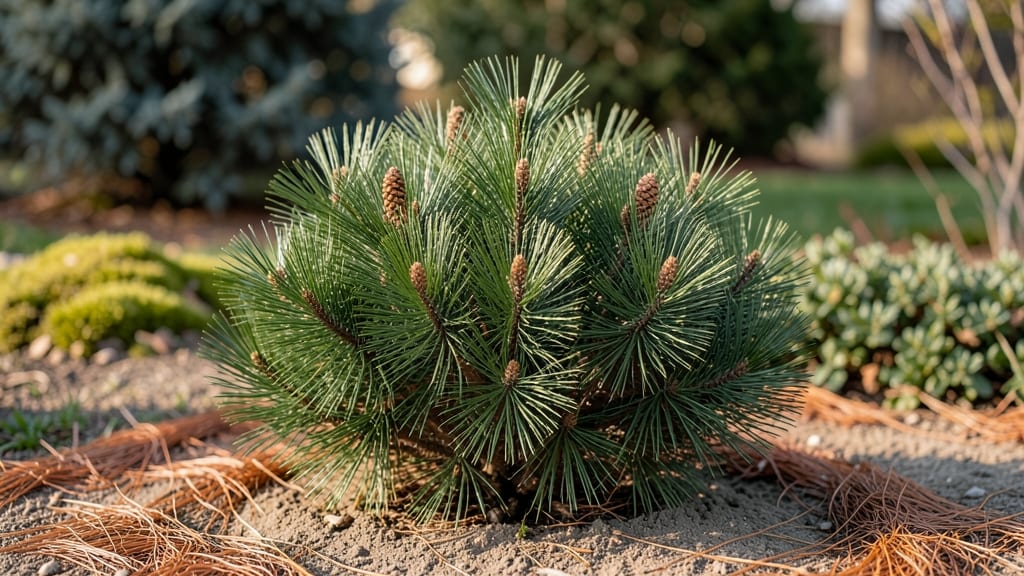
Creating a lush, evergreen privacy screen with dwarf pine shrubs is simpler than you think—and it delivers year-round beauty without the upkeep of traditional hedges. 🌲 I’ve designed this living wall that grows dense enough to block views in just three seasons, using plants that thrive in tight spaces and need minimal pruning once established.
These shrubs shine in border plantings, container gardens, or as the backbone of a Japanese-inspired garden, where their soft, feathery needles contrast beautifully with boulders or moss. Pair them with boxwoods for structure, azaleas for seasonal color, or ground covers like creeping thyme to soften the base.
The key is spacing them 3–4 feet apart—close enough for quick coverage, but far enough to allow airflow and prevent disease.
By year three, your screen will be tall, full, and impenetrable, with a texture that feels like a natural forest edge. The best part? No shearing, no brown patches, and no seasonal color loss—just low-maintenance elegance that works in sun or partial shade.
Whether you’re framing a patio, masking a fence, or adding depth to a rock garden, these pines deliver privacy with personality.
For a themed look, try grouping them with dwarf junipers for height variation or ornamental grasses for movement. In containers, mix with evergreen ferns or heathers for a mini woodland effect. The possibilities are endless—and the results, shockingly lush. Let’s get planting!
📚 In This Guide
- What you need
- Instructions
- Tips and common mistakes
- Wrapping up and next steps
What you need
- ● Dwarf pine shrubs: Choose Pinus mugo (Mugo pine) or Pinus pumilio (Swiss mountain pine) seedlings or bare-root plants (3–5 inches tall for best results). Quantity: 10–15 plants per 10 feet of screen (adjust based on spacing goals).
- ● Well-draining soil: Mix 50% native soil with 50% sand or gravel (or use pre-mixed cactus/succulent soil for faster drainage). Quantity: Enough to fill planting holes (12–18 inches deep).
- ● Organic mulch: Pine bark, cedar chips, or pine needles (avoid dyed mulch). Quantity: 2–3 inches per planting area.
- ● Garden trowel or spade: For digging planting holes (6–8 inches wide/deep).
- ● Measuring tape or ruler: To space plants 3–5 feet apart (closer for denser screens).
- ● Watering can or hose with gentle nozzle: Pines hate soggy roots!
- ○ Pruning shears (optional): For shaping or trimming after planting.
- ○ Garden gloves (optional): Protect your hands from prickly pine needles.
- ● Sunlight: Full sun (6+ hours daily)—dwarf pines thrive in bright, open spaces.
- ● Climate: Hardy in USDA Zones 3–7 (check your local hardiness zone here).
- ● Water source: Access to water for the first 2–3 weeks (deep watering 1–2 times per week).
- ○ Wind protection (optional): Young pines benefit from a temporary windbreak (e.g., burlap or stakes) if in exposed areas.
Step-by-Step guide to planting dwarf pine shrubs for a privacy screen
Here's how to create a lush, evergreen screen that grows naturally over three years.
🌱 Step 1: Choose and Prepare Planting Locations
Select a site with 6+ hours of sunlight daily—dwarf pines thrive in full sun but tolerate partial shade. Mark your planting spots 4-6 feet apart in a straight line for a formal look or staggered for a more natural feel. I like to use wooden stakes and string to visualize the final layout before digging.
Dig holes twice as wide as the root ball and 1 inch deeper than the container. Loosen the soil at the bottom to encourage root expansion. If your soil is heavy clay, mix in 2 inches of compost into the hole to improve drainage—dwarf pines hate soggy roots and will yellow if waterlogged.
🪴 Step 2: Remove Plants and Amend the Soil
Gently remove each pine from its container, tapping the sides to loosen the root ball. If roots are circling tightly, use your fingers to tease them outward—this prevents girdling as the plant matures. Place the plant in the hole so the top of the root ball sits 1 inch above ground level.
Backfill with native soil, pressing lightly to eliminate air pockets. Water deeply to settle the soil around the roots. I like to use a hose with a gentle spray attachment to avoid disturbing the plant. After watering, check that the plant sits upright—if it leans, add more soil to one side to correct the angle.
☀️ Step 3: Mulch and Water for Establishment
Spread 2-3 inches of mulch around each plant, keeping it 6 inches away from the trunk to prevent rot. I use pine bark mulch because it matches the aesthetic and slowly releases nutrients as it breaks down. Water again until moisture reaches 6 inches deep—you'll see the soil darken when it's fully saturated.
For the first 2 weeks, water every 2-3 days to encourage root growth. After that, water only when the top 2 inches of soil feel dry. Overwatering is the fastest way to kill dwarf pines—yellow needles signal root suffocation, and brown tips mean too much salt buildup from frequent watering.
✂️ Step 4: Prune and Maintain for Fullness
Skip pruning the first year—let the plants establish their root systems. In spring of the second year, trim any leggy growth back to a side branch with healthy buds. Use clean, sharp pruners to make cuts just above a node where two leaves meet. This encourages bushier growth without scarring the plant.
Fertilize lightly in early spring with a slow-release, acid-loving plant fertilizer. I use a 10-10-10 formula at half strength to avoid burning the roots. Watch for needle drop after fertilizing—this is normal as the plant adjusts, but excessive shedding means you overdid it.
⏰ Step 5: Monitor and Adjust for Long-Term Health
Check your privacy screen every 3 months for signs of pests like spider mites or needle cast. Dwarf pines rarely have issues, but yellowing needles often signal overwatering or poor drainage. If you notice brown patches, prune them out immediately to prevent spread.
After 3 years, your screen should reach 6-8 feet tall with dense foliage. At this point, you can thin out the center plants slightly to improve airflow, reducing the risk of fungal diseases. If any plants look stunted, they may need more sunlight—consider transplanting them to a sunnier spot.
Tips & tricks for perfect dwarf pine shrub privacy screens
These pro-level insights will help your evergreen screen thrive for years to come—without the common pitfalls that derail even the best-laid plans.
Site Selection Secret: While the instructions mention 6+ hours of sunlight, I recommend testing your spot for at least 2 weeks first. Place a white board where you plan to plant—if it stays shaded for more than 2 hours daily, consider moving your layout. Dwarf pines will survive in partial shade, but their growth rate (and that crucial 3-year timeline) will slow dramatically.
Root Ball Rescue: When teasing out circling roots in Step 2, don't be afraid to be aggressive—these roots will strangle your plant as it matures if left untouched. I've seen gardeners skip this step and end up with plants that look healthy above ground but have stunted root systems. Make those cuts clean and outward like spokes on a wheel.
Mulch Mastery: The 2-3 inches of mulch mentioned is perfect, but here's what nobody tells you: Refresh that mulch layer every spring. Over time, it compresses and loses its ability to regulate moisture. I use a rake to fluff the existing layer before adding new mulch—this also gives me a chance to check for weeds that might be competing with your pines.
Watering Wisdom: That 2-inch soil dryness test in Step 3 is your new best friend. I've found that sticking a wooden chopstick into the soil works better than my finger—it gives a more precise measurement. And here's a pro move: Water in the early morning so the needles have all day to dry, preventing fungal issues that thrive in damp foliage.
Pro Tips for Dwarf Pine Shrubs
- These pro-level insights will help your evergreen screen thrive for years to come—without the common pitfalls that derail even the best-laid plans.
- Site Selection Secret: While the instructions mention 6+ hours of sunlight, I recommend testing your spot for at least 2 weeks first.
- Root Ball Rescue: When teasing out circling roots in Step 2, don't be afraid to be aggressive—these roots will strangle your plant as it matures if left untouched.
Frequently asked questions
Got questions about growing dwarf pine shrubs for your privacy screen? You’re not alone!
Here are answers to the most common queries—from planting tips to troubleshooting—so you can create that lush, evergreen barrier with confidence.
How fast do dwarf pine shrubs grow?
Dwarf pine shrubs grow slowly but steadily—expect about 6–12 inches per year under ideal conditions. With proper care, you can achieve a full 3-foot-tall privacy screen in 3–5 years (as promised!). Patience pays off with their dense, needle-filled foliage that stays vibrant year-round.
What’s the best climate for dwarf pine shrubs?
These hardy shrubs thrive in USDA Zones 4–9, making them versatile for most U.S. regions. They love full sun to partial shade (6+ hours of sunlight daily) and tolerate dry soil, but avoid waterlogged areas. If you’re in a hot, arid zone, mulch around the base to retain moisture.
Can I plant dwarf pine shrubs year-round?
The best time to plant is early spring or fall when temperatures are mild. Avoid extreme heat or frost, as young roots are sensitive. If you must plant in summer, water deeply 2–3 times per week and use shade cloth temporarily. Fall planting gives roots time to establish before winter.
What are some low-maintenance alternatives to dwarf pine shrubs?
If dwarf pines aren’t your style, consider these evergreen privacy-screen stars:
- Emerald Green Arborvitae – Faster growth (1–2 ft/year), soft texture.
- Dwarf Boxwood – Compact, great for hedges, but needs pruning.
- Inkberry Holly – Native, disease-resistant, and wildlife-friendly.
- Dwarf Leyland Cypress – Grows quickly (3–4 ft/year) but needs space.
Why are my dwarf pine shrubs turning brown?
Brown needles usually signal overwatering, underwatering, or pests. Check the soil—it should be dry 1–2 inches down between waterings. Spider mites or bagworms can also cause browning. Treat with neem oil or insecticidal soap if pests are present. Prune dead branches in early spring to encourage new growth.
How close can I plant dwarf pine shrubs together?
For a dense privacy screen, space them 3–4 feet apart in rows. If you want a tighter hedge, plant 2–3 feet apart but expect slower filling-in. Avoid overcrowding, as it reduces airflow and increases disease risk. Mulch between plants to suppress weeds and retain moisture.
Wrapping up and next steps
Dwarf pine shrubs are a fantastic way to create a lush, low-maintenance privacy screen that thrives in just three years! 🌲 With the right soil, spacing, and care, you’ll enjoy their fragrant needles and natural beauty for decades.
Whether you’re a beginner or a seasoned gardener, these evergreens bring year-round charm with minimal effort.
Ready to transform your space? Start planting today—your future privacy oasis is just a few seeds (or saplings) away! For extra inspiration, sketch a layout or browse local nurseries to pick the perfect dwarf pine variety for your yard. Happy gardening! 🌱✨