
Shrubs
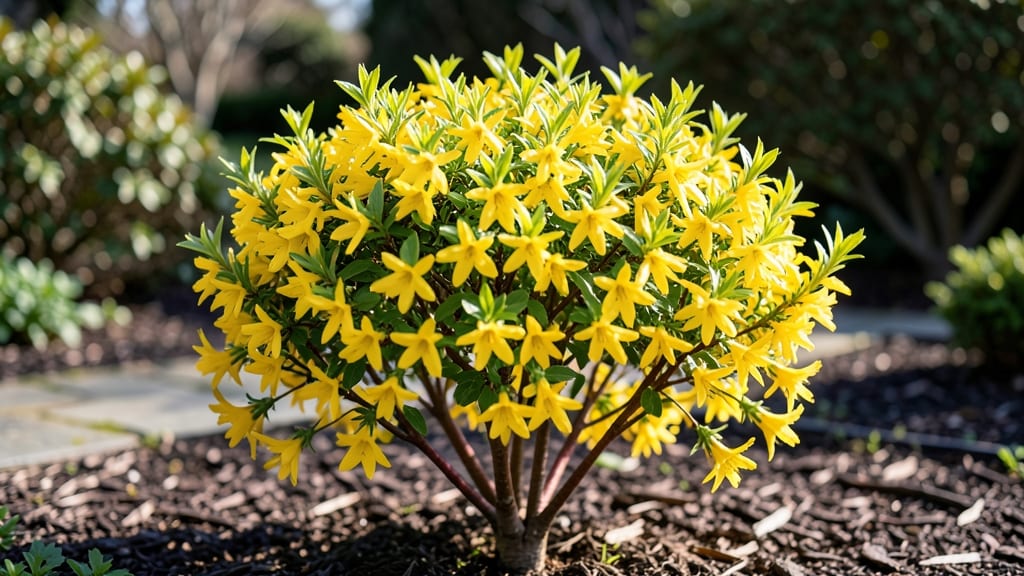
Nothing beats waking up to a yard already alive with color by late February—the early flowering shrubs turn bare branches into fragrant canopies when most gardens are still asleep. Early bloomers like winter jasmine and camellias transform your landscape into a burst of life while others remain dormant.
The secret isn’t just picking the right varieties; it’s timing your pruning, watering, and soil prep to match their natural rhythms. I’ve planted these in everything from Zone 5’s harsh winters to Zone 9’s mild springs, and the key difference is understanding their dormancy needs.
Cold-hardy types like spirea need winter mulch, while Mediterranean beauties like pieris hate soggy roots. Each shrub has a specific window—usually late fall or early spring—when pruning will encourage the most dramatic blooms. By year three, you’ll have a landscape that feels like spring arrived early.
The scent of winter daphne in March or azalea in April isn’t just pretty—it’s a signal that your yard is working harder than your neighbors’. These shrubs also play well with pollinators, bringing bees and hummingbirds to your doorstep when food is scarce. The best part?
They’re low-maintenance once established. Just match the variety to your hardiness zone, give them well-draining soil, and prune after blooming. Here’s how to pick the perfect plants for your yard’s personality.
📚 In This Guide
- What you need
- Instructions
- Tips and common mistakes
- Wrapping up and next steps
What you need
- ● Early flowering shrubs: Choose 3–5 varieties (e.g., Forsythia, Pieris japonica, Viburnum bodnantense, or Mahonia). Buy 1–2 plants per type for full coverage.
- ● High-quality potting soil: 5–10 gallons (mix in compost for nutrient-rich soil). Look for a blend labeled for shrubs or flowering plants.
- ● Organic fertilizer: Slow-release granules (e.g., 10-10-10 or 5-10-5) or a balanced liquid fertilizer (e.g., fish emulsion). Use ~1 lb per 100 sq ft.
- ● Mulch: 2–3 inches of wood chips, pine straw, or shredded bark to retain moisture and suppress weeds.
- ● Pruning tools: Bypass pruners (for clean cuts on stems up to ½ inch thick).
- ● Loppers (for thicker branches, ¾–1½ inches).
- ● Hand saw (for stubborn, woody stems).
- ● Garden gloves: A pair of durable, breathable gloves to protect your hands from thorns or rough bark.
- ● Watering can or hose with a gentle spray nozzle: For deep, even watering (aim for 1–1.5 inches per week).
- ● Soil pH tester: Early bloomers like Pieris thrive in acidic soil (pH 5.0–6.0). Adjust with sulfur or lime if needed.
- ● Slow-release watering system: Drip irrigation or soaker hoses to automate watering (great for busy gardeners!).
- ● Epsom salt: A handful mixed into planting holes for magnesium-rich soil (boosts flower production).
- ● Stakes or plant supports: For taller shrubs (e.g., Viburnum) to prevent flopping in windy areas.
- ● Plant labels: Waterproof markers to track varieties and planting dates.
How to establish early flowering shrubs for spring blooms
Here's how to select, plant, and nurture shrubs that burst into color before most gardens wake up.
Choose the Right Species for Your Climate
Select shrubs that align with your USDA hardiness zone and bloom timeline. Early spring bloomers like viburnum, forsythia, and pieris thrive in zones 5-8, while azaleas and rhododendrons prefer zones 6-9. I always verify each plant's mature height and spread—some, like deutzia, can reach 10 feet while others like dwarf lilac stay under 3 feet.
Look for container-grown plants with established root systems rather than bare-root stock. These transplants establish faster and bloom within their first season. Check the label for bloom time—some varieties flower as early as late winter, while others wait until April. This ensures you'll have a continuous display rather than a single burst of color.
Prepare the Planting Site for Optimal Growth
Choose a location with well-draining soil and partial shade to full sun, depending on the species. Most early bloomers prefer morning sun and afternoon shade, especially in hotter climates. Test your soil's pH—azaleas and rhododendrons thrive in acidic soil (pH 4.5-6.0), while forsythia and viburnum tolerate neutral to slightly alkaline soil (pH 6.0-7.5).
Amend the soil with 2-3 inches of organic matter like compost or peat moss, mixing it into the top 12 inches of soil. Avoid fresh manure, which can burn roots. Dig a hole twice as wide as the root ball but no deeper—planting too deep suffocates the roots and prevents proper nutrient uptake. Loosen the roots gently if they're circling the root ball before placing the shrub in the hole.
Plant and Mulch for Winter Protection
Position the shrub so the top of the root ball sits level with the surrounding soil—never bury the stem or crown. Backfill with native soil, pressing lightly to remove air pockets but avoiding compaction. Water deeply immediately after planting to settle the soil and eliminate gaps. You'll know it's done right when the soil surface looks slightly firm but still holds its shape when pressed.
Apply 2-3 inches of mulch around the base, keeping it 2-3 inches away from the stem to prevent rot. Use shredded bark or pine straw for a natural look. This mulch layer insulates roots during winter and retains moisture in dry spells. Water regularly for the first 6-8 weeks, keeping the soil consistently moist but not soggy—early bloomers establish best with steady hydration.
Prune and Fertilize for Next Year's Blooms
Prune immediately after flowering to shape the shrub and encourage dense growth. Remove any dead, diseased, or crossing branches first—these compete with healthy growth for resources. Thin out crowded stems to improve airflow, which reduces fungal diseases. For spring bloomers like lilacs, prune right after they finish flowering; for summer bloomers like hydrangeas, wait until late winter.
Apply a balanced, slow-release fertilizer (10-10-10) in early spring before new growth begins. Follow the package instructions for dosage—over-fertilizing leads to lush foliage but fewer blooms. Monitor the shrub's growth throughout the season, adjusting watering as needed. By the third year, your shrubs should establish a robust root system and deliver a stunning, early spring display.
Tips & tricks for perfect early flowering shrubs
Transforming your garden into a springtime wonderland starts with these expert insights that go beyond the basics.
Species Selection: When choosing your early bloomers, prioritize plants that match your specific microclimate. For example, forsythia thrives in zones 5-8 and handles both sun and partial shade, while azaleas prefer the acidity of zones 6-9 with morning sun. I've found that container-grown plants with established root systems—especially those labeled "bloom-ready"—will give you color within the first season, which is particularly rewarding for impatient gardeners. The key is verifying bloom times on the label; some varieties like winter jasmine can flower as early as January, while others like lilac wait until April.
Soil Preparation Insight: The 2-3 inches of organic matter you mix into the top 12 inches of soil isn't just about nutrients—it's about creating the perfect textural environment. I've seen many gardeners skip this step and end up with compacted soil that prevents root expansion. For acid-loving plants like pieris, mix in peat moss or pine fines to maintain that crucial pH 4.5-6.0 range. A simple soil test kit (around $10) can save you from guessing whether your soil is ready for azaleas or needs amendment.
Planting Precision: That 6-8 week watering window after planting is your best chance to establish strong roots before summer heat arrives. I've learned the hard way that inconsistent watering leads to shallow root systems that struggle during droughts. Use a soaker hose or drip irrigation to deliver water directly to the root zone without wetting the foliage, which helps prevent fungal diseases. The "firm but not compacted" soil test after backfilling is critical—you should be able to press your finger into the soil about an inch without it feeling rock-hard.
Pruning Strategy: Timing your prune right after flowering is crucial for spring bloomers like viburnum, but the technique matters just as much. When thinning crowded stems, aim to remove branches that are growing inward—these compete for sunlight and nutrients. I use sharp, clean pruners and make cuts just above a leaf node or outward-facing bud. For larger shrubs like deutzia, I never remove more than one-third of the plant's volume in a single pruning session to avoid shocking the system.
Pro Tips for Early Flowering Shrubs
- Transforming your garden into a springtime wonderland starts with these expert insights that go beyond the basics.
- Species Selection: When choosing your early bloomers, prioritize plants that match your specific microclimate.
- Soil Preparation Insight: The 2-3 inches of organic matter you mix into the top 12 inches of soil isn't just about nutrients—it's about creating the perfect textural environment.
Frequently asked questions
Got questions about early flowering shrubs? You’re not alone! Here are some of the most common queries—plus quick, practical answers to help you get started with confidence.
What are the fastest-growing early flowering shrubs for quick color?
If you want blooms in three years or less, opt for varieties like Butterfly Bush (Buddleia), Weigela, or Dwarf Fothergilla. These grow 12–24 inches per year and thrive in full sun to partial shade. For containers, Azalea or Pieris Japonica deliver early spring color with minimal fuss!
When is the best time to plant early flowering shrubs?
Plant in early spring (March–April) or fall (September–October) for the best root establishment. Avoid extreme heat or frost—roots need time to settle before blooming season. Pro tip: Water deeply after planting and mulch to retain moisture.
Do early flowering shrubs need special care in cold climates?
Most hardy varieties (like Viburnum or Spirea) tolerate zones 4–8, but young plants may need winter protection. Apply a 3-inch layer of mulch around the base and avoid heavy pruning in late fall. Evergreens like Pieris benefit from a burlap wrap if winds are harsh.
Can I prune early flowering shrubs after they bloom?
Yes! Shrubs like Weigela or Deutzia bloom on new wood, so prune right after flowering (late spring/early summer) to shape them. Avoid cutting back old wood—it won’t regrow. For spring-blooming camellias or azaleas, prune after blooms fade to encourage next year’s flowers.
Are early flowering shrubs good for pollinators?
Many, like Dwarf Lilac, Serviceberry, and Redbud, are pollinator magnets. Choose native varieties (e.g., Eastern Redbud) for maximum impact. Avoid hybridized cultivars if you prioritize bees and butterflies—open flowers attract them best.
What’s a good alternative if my soil is too acidic?
If your soil pH is below 6.0, try Hydrangea (Oakleaf or Panicle types), which tolerate slightly acidic to neutral soil, or Smoke Bush (Cotinus), a drought-tolerant pick. For alkaline soil, Butterfly Bush or Potentilla thrive with minimal fuss. Test your soil first—amend with lime or sulfur as needed!
Wrapping up and next steps
Early flowering shrubs are a game-changer for bringing vibrant color and life to your garden fast—no waiting years for blooms! Whether you’re reviving a dull landscape or simply craving spring’s beauty sooner, these shrubs deliver year-round interest with minimal fuss. 🌸
Ready to transform your outdoor space? Start by picking 1-2 varieties that suit your climate and sunlight, then plant them this fall or early spring for a head start on next year’s showstopper blooms. Happy gardening—your future garden will thank you! 🌱