
Blooming
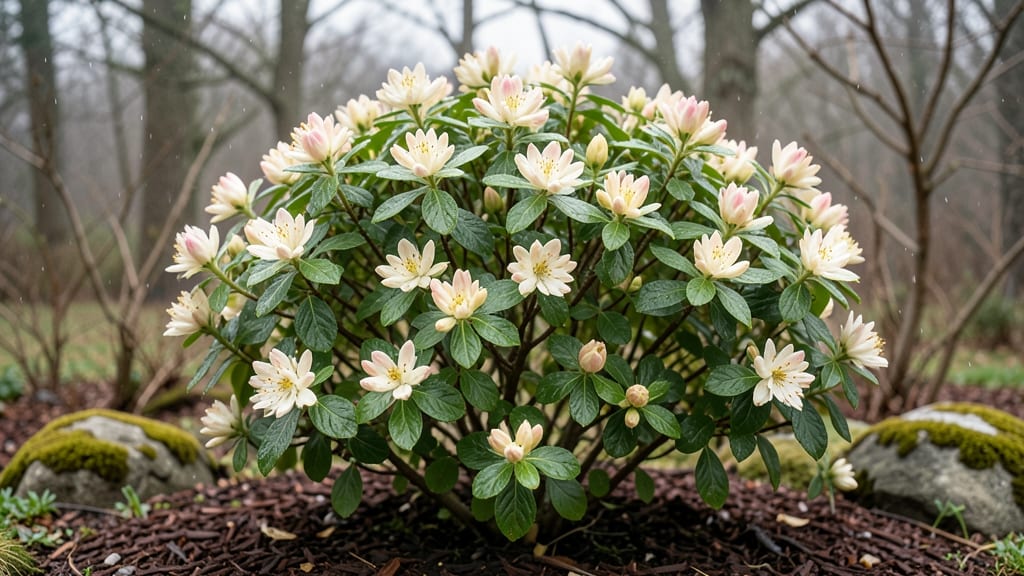
White blooms in March mean your garden doesn’t have to wait for summer to shine. 🌸 These early spring shrubs—like Viburnum bodnantense and Pieris japonica—burst into fragrant white clouds when most plants are still dormant, turning winter’s gray into a luminous show.
The secret? Planting them at the right time (fall or early spring) and pruning just after blooms fade to keep them thriving for decades.
Most of these shrubs handle cold like champions—zones 5 through 8—but the key is protecting tender new growth from late frosts. I’ve seen Hamamelis (witch hazel) bloom in 20°F without flinching, while Pieris needs a little winter mulch to prevent dieback.
Their care is simple: water deeply when soil dries, feed in early spring, and avoid heavy pruning until after flowering.
Imagine your garden waking up with soft white clusters against bare branches—it’s like a living snowfall. These shrubs pair beautifully with hellebores and early bulbs, creating a layered look that lasts for weeks.
Once established, they’re nearly maintenance-free, giving you more time to enjoy the view than fuss over the plants.
For best results, plant them where they’ll get morning sun and afternoon shade, especially in hotter zones. A little afternoon relief keeps the blooms fresh longer. And if you’re worried about pests, these shrubs are deer-resistant and rarely troubled by insects—just more reasons to love them.
📚 In This Guide
- What you need
- Instructions
- Tips and common mistakes
- Wrapping up and next steps
What you need
- ● Early Spring Blooming White Shrubs: 1–3 plants per variety (e.g., Viburnum bodnantense, Helleborus, Pieris japonica, or Weigela florida) Size: 1–3 gallons (container-grown) or bare-root for transplanting
- ○ Soil Amendments: 5–10 lbs. organic compost or well-rotted manure 1–2 lbs. slow-release fertilizer (10-10-10 or 5-10-5 NPK ratio) Optional: 1 lb. sulfur (for acidic-loving shrubs like Pieris)
- ● Pruning Tools: 1 pair bypass pruners (for clean cuts) 1 loppers (for thicker stems) 1 hand saw (for stubborn branches) 1 pruning shears (for shaping)
- ● Safety Gear: Garden gloves (cut-resistant) Safety goggles (if pruning thorny shrubs)
Step-by-step guide to planting and pruning early spring blooming white shrubs
Here's the straightforward approach I use to revive fragrant white blooms year after year.
🌱 Step 1: Select and Prepare Planting Sites
Choose locations with at least 6 hours of sunlight daily—white bloomers like viburnum and lilac thrive in full sun but tolerate partial shade. I dig a hole twice as wide as the root ball but only as deep to avoid burying the crown, which causes rot. Loosen the roots gently if they're circling the root ball.
Amend the native soil with 2-3 inches of compost mixed into the bottom of the hole. This ensures good drainage while retaining moisture. I always test soil pH first—most white bloomers prefer 6.0-7.0. If your soil is too acidic, add a handful of lime to the planting hole.
☀️ Step 2: Plant and Water for Establishment
Place the shrub in the hole so the top of the root ball sits 1 inch above ground level. Backfill with native soil mixed with compost, tamping lightly every 2 inches to remove air pockets. Water deeply to settle the soil around roots—you'll see the soil surface settle about ½ inch.
After planting, water again to ensure the root zone is thoroughly moist. Mulch with 2-3 inches of shredded bark around the base, keeping it 3 inches away from the trunk to prevent rot. This mulch layer helps maintain even soil moisture and suppresses weeds, which compete for nutrients.
✂️ Step 3: Prune for Shape and Next Season's Blooms
Prune immediately after flowering to shape the shrub and encourage next year's blooms. I remove one-third of the oldest stems at ground level—this rejuvenates the plant and prevents overcrowding. For remaining stems, cut back to just above a bud that faces outward to maintain an open, airy structure.
Use clean, sharp pruners to make cuts at a 45-degree angle about ¼ inch above the bud. Avoid leaving stubs—they invite disease. If your shrub has leggy growth, cut back to a lower bud to encourage bushier regrowth. You'll see new shoots emerge within 4-6 weeks.
🌿 Step 4: Maintain Through the Growing Season
Water deeply once a week during the first growing season, providing 1-1.5 inches of water each time. You'll know you're watering enough when the top 6 inches of soil feel moist but not soggy. Reduce watering in late summer to harden off the plant for winter.
Apply a 2-inch layer of mulch in early spring to protect roots from temperature swings. Fertilize lightly in early spring with a 10-10-10 formula—white bloomers don't need heavy feeding, but a little helps. Watch for powdery mildew on leaves; if you see it, treat with neem oil immediately to prevent spread.
⏰ Step 5: Winter Protection for Next Year's Blooms
In late fall, cut back any dead or diseased branches completely. Wrap young shrubs with burlap if your winters drop below 10°F—this prevents sunscald on tender new growth. Older shrubs usually handle cold well, but I still remove any remaining flower stalks to redirect energy to root growth.
Leave the mulch in place through winter—it insulates roots and prevents soil temperature fluctuations. In early spring, remove the burlap and add fresh mulch. You'll see new growth emerge within 2-3 weeks after the last frost, signaling it's time to prune lightly to shape for the season.
Tips & tricks for perfect early spring blooming white shrubs
Transforming your garden into a fragrant white canopy starts with these essential gardening insights that'll make all the difference.
Sunlight Secret: Those 6 hours of sunlight daily are non-negotiable for vibrant blooms. I've seen white lilacs struggle in partial shade—even if they survive, their fragrance fades. If your yard has limited sun, choose a location near a reflective surface like a patio or driveway to maximize light exposure. For container growing, place pots where they'll get morning sun and afternoon shade in hot climates.
Root Ball Revelation: When planting, that 1 inch above ground level positioning is crucial—it prevents rot while allowing roots to establish properly. I've learned this the hard way after burying crowns too deep, which led to fungal issues. If your soil is particularly dense, consider adding a small mound of soil in the hole's center before placing the shrub to achieve this perfect elevation. This small adjustment makes a big difference in long-term health.
Pruning Precision: The one-third of oldest stems rule is a game-changer for rejuvenation. I mark these stems with a ribbon before pruning to avoid confusion. For remaining stems, always cut to an outward-facing bud—this creates that beautiful open structure we all love. Pro tip: Prune on a dry day when tools are clean to minimize disease risk. You'll notice the difference in next year's blooms within just a few seasons.
Winter Protection Wisdom: That 10°F threshold for burlap wrapping is key for tender new growth. I've seen young shrubs develop sunscald after harsh winters without this protection. For extra insurance, wrap the burlap loosely and secure it with twine—don't make it too tight. In areas with milder winters, you can often skip this step entirely, but it's worth the effort for those first few critical years.
Pro Tips for Early Spring Blooming Shrubs White
- Transforming your garden into a fragrant white canopy starts with these essential gardening insights that'll make all...
- Sunlight Secret: Those 6 hours of sunlight daily are non-negotiable for vibrant blooms. I've seen white lilacs strugg...
- Root Ball Revelation: When planting, that 1 inch above ground level positioning is crucial—it prevents rot while allo...
Frequently asked questions
about early spring blooming white shrubs—because every gardener deserves clarity! Here are answers to the most common queries to help you cultivate a stunning, fragrant display with ease.When is the best time to plant these shrubs for early spring blooms?
Plant your white bloomers in early fall or late winter (before bud break) to give roots time to establish. If planting in spring, choose a cool, cloudy day and water deeply afterward. Avoid summer heat—roots need 6–8 weeks to settle before blooming season!
Can these shrubs handle late frosts or light freezes?
Most early spring bloomers like viburnum, forsythia, or spirea are hardy but may suffer frost damage to buds. Choose varieties labeled Zone 4–6 for resilience. Mulch around the base (3–4 inches) and water consistently to protect roots. If buds freeze, don’t worry—new growth will emerge!
How do I encourage more white blooms next year?
Prune right after flowering (never in late summer!) to promote dense growth. For shrubs like deutzia or mock orange, cut back 1/3 of old stems to stimulate fresh blooms. Fertilize lightly in early spring with balanced 10-10-10 and ensure 6+ hours of sun.
Are these shrubs prone to pests or diseases?
Most are low-maintenance, but watch for aphids, spider mites, or powdery mildew in humid climates. Neem oil or insecticidal soap tackles pests gently. For mildew, improve airflow and avoid overhead watering. Resistant varieties like ‘Annabelle’ hydrangea are great picks!
What’s a good alternative if my soil is too acidic?
If your soil pH is below 6.0, try ‘Snowdrift’ cotoneaster or ‘White Cloud’ abelia—both thrive in slightly acidic to neutral soil (pH 5.5–7.0). Amend soil with lime if needed, but test first! For extreme cases, container gardening with well-draining mix works too.
Wrapping up and next steps
Early spring is the perfect time to transform your garden with stunning white blooms—and these fragrant shrubs are your secret weapon! 🌸 Whether you’re a seasoned gardener or just starting, adding these low-maintenance beauties will bring elegance and freshness to your outdoor space.
Now that you’re armed with the right knowledge, take the next step: sketch a simple layout for your garden beds, pick 2-3 shrubs that suit your climate, and start planting! Your future blooms will thank you.
Pro tip: 💡 Snap a photo of your chosen shrubs at a local nursery—it’ll make planning (and bragging to neighbors!) even easier.