
Shrubs
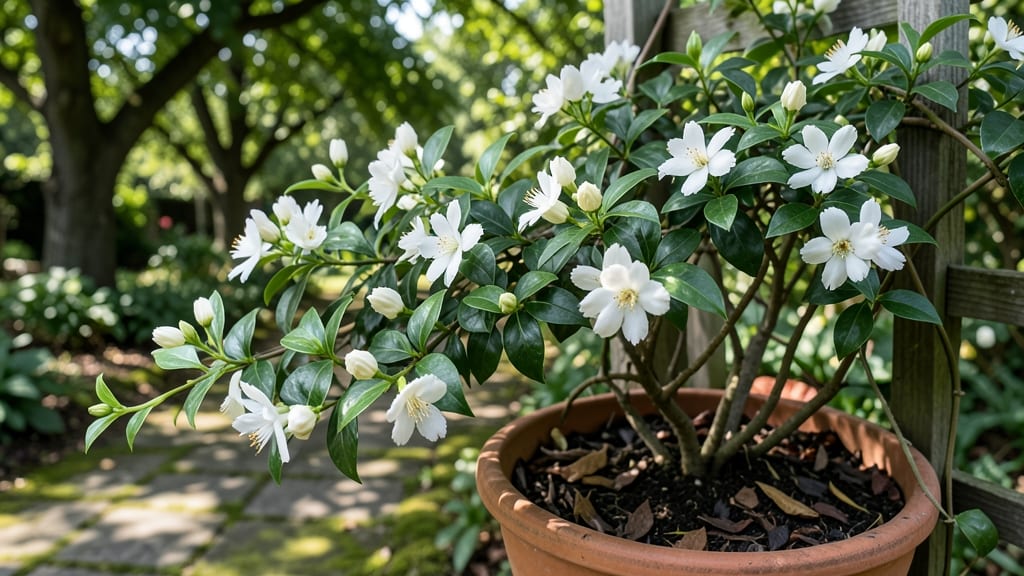
A fragrant white-flowered shrub with intoxicating fragrance transforms any garden into a serene sanctuary. 🌿 The right variety—like Jasmine or Deutzia—can provide year-round interest, from delicate spring blooms to winter structure.
Their clean, bright flowers contrast beautifully against evergreens or dark foliage, while their scent lingers on summer evenings, inviting pollinators and gardeners alike. Consider Syringa (Lilac) for bold, fragrant clusters that perfume entire neighborhoods, or Gardenia for glossy foliage and creamy blooms that thrive in sheltered spots.
Pair them with lavender for texture or hostas for shade contrast—each combination enhances both visual and sensory appeal. The key is placement: sun-loving varieties near seating areas, while shade-tolerant types anchor darker corners.
📚 In This Guide
- What you need
- Instructions
- Tips and common mistakes
- Wrapping up and next steps
What you need
- ● Cold-hardy shrub variety: Choose a fragrant white-flowered shrub like Deutzia, Pieris japonica, or Syringa meyeri (check USDA Zone 4-8 compatibility).
- ● Well-draining soil: 5-10 bags of garden loam or a mix of 60% topsoil, 30% compost, and 10% perlite (for sandy or clay-heavy soil).
- ● Organic fertilizer: 1 lb of balanced 10-10-10 or slow-release 5-10-5 fertilizer (for nutrient-rich growth).
- ● Watering can or hose: With a fine-mist nozzle (for gentle hydration).
- ● Mulch: 2-3 cubic feet of wood chips or shredded bark (to retain moisture and regulate temperature).
- ● Gloves & pruning shears: Bypass pruners (sharp, sterilized) and gardening gloves (for protection).
- ○ Soil pH tester: To ensure slightly acidic to neutral (6.0–7.0) soil (optional but recommended).
- ● Drip irrigation kit: For automated watering (ideal for busy gardeners).
- ● Support stakes: 2-3 bamboo or metal stakes (if planting in windy areas).
- ● Slow-release fertilizer spikes: For low-maintenance nutrition (apply every 3 months).
- ● Frost cloth: Lightweight breathable fabric (to protect young shrubs in early spring/late fall).
Step-by-Step guide to cultivating a fragrant white flowering shrub
Here's the precise method I've refined over years to establish a cold-hardy, continuously blooming white-flowered shrub.
🌱 Step 1: Select and Prepare the Planting Site
Choose a location with 6+ hours of sunlight daily and well-draining soil—this shrub thrives in full sun but tolerates partial shade in hotter climates. I always test drainage first by digging a 12-inch deep hole and filling it with water; if it doesn't drain within 2 hours, amend the soil with 2 inches of compost and 1 inch of coarse sand to improve aeration.
The ideal soil pH for these shrubs is 6.0-7.0. Use a soil test kit to verify—if your soil is too acidic, incorporate 2 pounds of crushed limestone per 100 square feet and mix thoroughly. This step prevents nutrient deficiencies that stunt flowering. I mark the planting location with a stake to avoid disturbing the area before installation.
🪴 Step 2: Plant at Proper Depth and Spacing
Dig a hole twice as wide as the root ball but only as deep—planting too deep suffocates the stem. Gently remove the shrub from its container and loosen any circling roots with your fingers. Place it in the hole so the top of the root ball sits 1 inch below soil level; this ensures stability while preventing crown rot.
Backfill with native soil mixed with 1 gallon of compost, tamping lightly every 2 inches to eliminate air pockets. Space multiple shrubs 4-6 feet apart for optimal air circulation, which reduces fungal diseases. Water immediately after planting to settle the soil and eliminate gaps around roots.
☀️ Step 3: Establish Watering and Fertilization Routine
Water deeply 2-3 times per week for the first 6 weeks, providing 1-2 gallons per shrub each time. You'll know moisture is correct when the top 2 inches of soil feel damp but not soggy. After establishment, reduce to 1 inch of water weekly, adjusting for rainfall—this shrub is drought-tolerant once established but blooms most prolifically with consistent moisture.
Apply a balanced 10-10-10 fertilizer at ¼ pound per 100 square feet in early spring, just as new growth appears. Repeat in mid-summer to support continuous flowering. I avoid high-nitrogen fertilizers—they produce leafy growth at the expense of blooms. Mulch with 2 inches of wood chips around the base, keeping it 6 inches away from the stem to prevent rot.
✂️ Step 4: Prune for Shape and Seasonal Health
Prune immediately after flowering to maintain shape—cut back ⅓ of the oldest stems to encourage new growth from the base. Use clean, sharp pruners to make cuts ¼ inch above a leaf node at a 45-degree angle. This prevents water from pooling on the cut surface, which invites disease. Remove any dead, diseased, or crossing branches first to improve airflow through the shrub.
In late winter, conduct a light renewal pruning to remove any stems that died back during cold snaps. Never prune into old wood—this shrub blooms on new growth, so aggressive summer pruning eliminates next year's flowers. I always sterilize my tools with rubbing alcohol between cuts to prevent spreading pathogens.
⏰ Step 5: Winterize for Cold-Hardy Resilience
Apply a 3-inch layer of mulch around the base in late fall to insulate roots from freeze-thaw cycles. Choose a mulch with good insulating properties like shredded bark or straw. Water thoroughly before the first hard frost to ensure the plant enters dormancy with adequate moisture reserves—this prevents winter desiccation.
If your region experiences below 0°F temperatures, wrap the shrub with burlap or frost cloth during extreme cold snaps. Remove the protection in early spring once daytime temperatures consistently stay above 40°F. I've seen these shrubs survive -20°F with proper winter care, but young plants benefit from extra protection during their first winter.
Tips & tricks for cultivating a fragrant white flowering shrub
These refined techniques will help you establish a thriving, cold-hardy shrub that blooms continuously throughout the seasons.
Soil Preparation Insight: When testing drainage in Step 1, I've found that adding 1 inch of coarse sand makes a dramatic difference in heavy clay soils. The 2-hour drainage test is non-negotiable—if water pools at the bottom, you'll need to amend the soil more aggressively. For severely compacted areas, consider adding 3 inches of compost instead of just 2, as this shrub's roots need excellent aeration to establish properly. The pH adjustment with crushed limestone is particularly important in northern climates where acidic soils are common.
Planting Precision: The 1-inch depth placement of the root ball in Step 2 is critical for preventing crown rot while ensuring stability. I recommend using a level to verify this depth—many gardeners plant too shallow, which can cause the shrub to topple in wind. When loosening circling roots, be gentle but thorough; these roots can strangle the plant if left intact. The 4-6 foot spacing isn't just about aesthetics—it creates that crucial airflow that prevents fungal diseases like powdery mildew, which can devastate blooms.
Watering Strategy: During the initial 6-week establishment period, I've learned that 2-3 times per week works best when combined with the "damp but not soggy" soil check. In hotter climates, you might need the upper end of this range, while cooler regions can manage with less frequent watering. The 1-inch weekly maintenance watering after establishment is perfect for drought-tolerant varieties, but if you notice wilting during dry spells, increase to 1.5 inches temporarily. Always water at the base rather than overhead to prevent fungal spores from splashing onto leaves.
Pruning Technique: The ⅓ oldest stem removal in Step 4 creates that perfect balance between shape and new growth. I've found that using a 45-degree angle cut above the leaf node isn't just about aesthetics—it helps water run off the cut surface. For large shrubs, consider pruning in stages over several days to reduce stress. The late winter renewal pruning is often overlooked, but it's essential for removing winter-damaged stems that would otherwise sap energy from new growth. Sterilizing tools between cuts prevents spreading bacterial diseases that can enter through fresh cuts.
Pro Tips for Fragrant White Flowered Shrub
- These refined techniques will help you establish a thriving, cold-hardy shrub that blooms continuously throughout the...
- Soil Preparation Insight: When testing drainage in Step 1, I've found that adding 1 inch of coarse sand makes a drama...
- Planting Precision: The 1-inch depth placement of the root ball in Step 2 is critical for preventing crown rot while ...
Frequently asked questions
Got questions about your fragrant white-flowered shrub? You’re not alone! Here are some of the most common queries—and their answers—to help you grow a thriving, fragrant landscape star.
What’s the best time to plant a fragrant white-flowered shrub?
The ideal planting window is early spring or fall when temperatures are mild (50–70°F). This gives roots time to establish before extreme heat or cold. Avoid planting in summer—intense sun and heat stress young shrubs. Pro tip: Water deeply after planting to settle soil and reduce transplant shock!
How cold-hardy are these shrubs, and do they need winter protection?
Most fragrant white-flowered shrubs (like Deutzia or Pieris) thrive in USDA Zones 4–8, handling winters down to -20°F. However, young plants or tender varieties may need mulch (3–4 inches) around the base to insulate roots. Avoid heavy snow buildup on branches—gently brush it off to prevent breakage.
Why aren’t my shrub’s flowers as fragrant as expected?
Fragrance fades with over-fertilizing (especially nitrogen-heavy) or poor air circulation. Prune lightly in late winter to encourage airflow, and use a balanced, slow-release fertilizer (like 10-10-10) in early spring. Bonus: Deadhead spent blooms to redirect energy to new, fragrant flowers!
Can I grow a fragrant white-flowered shrub in a container?
Choose compact varieties like Deutzia ‘Nikko’ or Pieris ‘Little Heath’. Use a well-draining potting mix with perlite, and ensure the container has drainage holes. Repot every 2–3 years to refresh soil. Warning: Containers dry out faster—water when the top inch of soil feels dry!
What pests or diseases should I watch for?
Common issues include:
- Aphids or spider mites: Spray with water or neem oil if you spot sticky residue or webbing.
- Powdery mildew: Improve airflow and avoid overhead watering. Treat with fungicide if needed.
- Root rot: Ensure proper drainage and avoid soggy soil. Drainage issues are the #1 culprit!
Inspect leaves regularly—early action keeps your shrub happy and fragrant!
Wrapping up and next steps
Transforming your garden with a fragrant white-flowered shrub isn’t just about beauty—it’s about creating a resilient, year-round haven that thrives even in chilly climates. From selecting the perfect variety to mastering care techniques, you now have all the tools to cultivate blooms that wow and last. 🌸
Ready to get growing? Start by picking your favorite shrub—whether it’s mock orange, deutzia, or snowberry—and plant it in a sunny spot this weekend. Your future fragrant oasis awaits!