
Shrubs
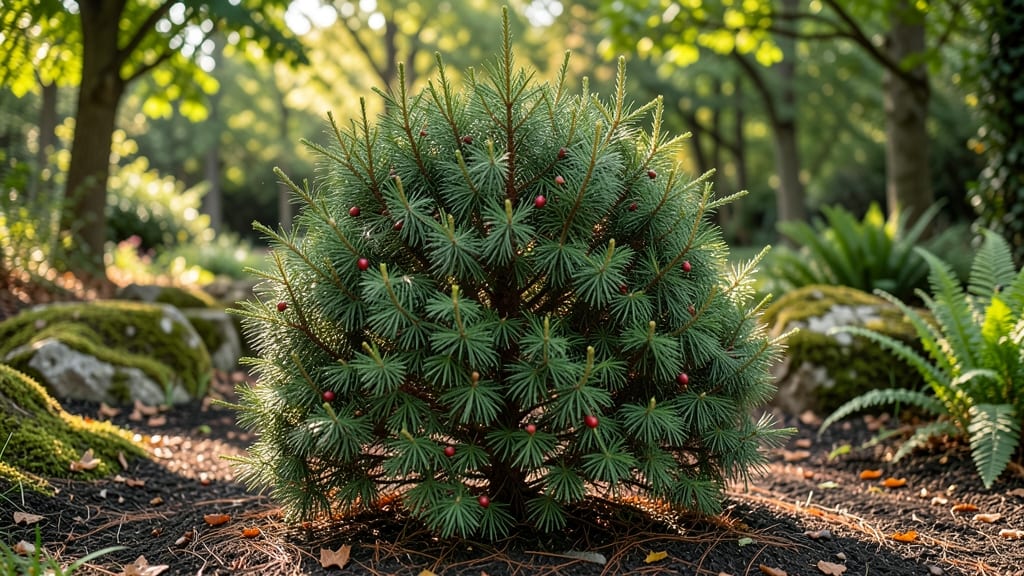
Growing evergreen yew shrubs means year-round structure and nearly zero maintenance—the perfect foundation for any garden. 🌲 I’ve relied on these hardy shrubs for decades, and they’ve never disappointed, even through droughts and harsh winters.
Their glossy, dark green needles stay vibrant all season, making them the ultimate low-fuss evergreen. The secret to their success is simple: well-draining soil, partial shade, and minimal pruning—just shape them lightly in early spring.
Unlike finicky shrubs, yews tolerate poor soil, salt spray, and even urban pollution. Once established, they’ll thrive for 30+ years with almost no effort. You’ll end up with a lush, dense hedge or striking topiary that stays green when other plants go dormant.
The best part? Deer and rabbits usually leave them alone, so they’re ideal for problem areas. For maximum impact, plant them in groups or as a windbreak. Whether you’re lining a driveway or adding height to a border, yews deliver effortless elegance.
Here’s how to make them flourish in your space.
📚 In This Guide
- What you need
- Instructions
- Tips and common mistakes
- Wrapping up and next steps
What you need
- ● Evergreen yew shrubs: Choose between Taxus baccata (English yew), Taxus × media (hybrids), or Taxus cuspidata (Japanese yew). Opt for 1- to 3-gallon containers for mature plants or bare-root seedlings for cost-effective planting.
- ● Planting hole: Dig a hole 2-3 times wider and just as deep as the root ball.
- ● Well-draining soil: Mix 1 part native soil with 1 part compost or peat moss for optimal drainage (yews hate soggy roots!).
- ● Organic mulch: 2-3 inches of pine bark, wood chips, or shredded leaves to retain moisture and suppress weeds.
- ○ Fertilizer (optional): A balanced, slow-release fertilizer (10-10-10) or organic options like fish emulsion to boost growth.
- ● Garden trowel or spade for digging and transplanting.
- ● Gloves (heavy-duty for prickly yew varieties like Taxus baccata).
- ● Watering can or hose with a gentle spray nozzle (yews prefer deep, infrequent watering).
- ● Pruning shears (bypass pruners for clean cuts, sharp and sanitized).
- ● Measuring tape or ruler to ensure proper spacing (3-6 feet apart, depending on variety).
- ○ Stakes and twine (optional) for young, top-heavy shrubs in windy areas.
- ● Sunlight: Partial shade to full sun (morning sun + afternoon shade works best in hot climates).
- ● Soil pH: Slightly acidic to neutral (6.0–7.0). Test your soil with a pH kit if unsure.
- ● Water access: A drip irrigation system or soaker hose for consistent moisture (especially in the first year).
- ● Patience: Yews grow slowly (6–12 inches per year), but their longevity makes them worth the wait!
Step-by-step instructions for planting and maintaining evergreen yew shrubs
Here’s how to establish yew shrubs for lush, low-maintenance greenery that thrives year after year.
🪴 Step 1: Choose the Perfect Planting Location and Prepare the Soil
Yew shrubs (Taxus spp.) tolerate a wide range of soils but thrive best in well-draining, slightly acidic soil with a pH of 5.0–7.0. Test your soil—amend with 2–3 inches of compost or peat moss if it’s heavy clay or overly alkaline. Avoid waterlogged spots; yews hate soggy roots.
Select a site with partial to full shade—morning sun with afternoon shade works best in hot climates. In cooler regions, they handle full sun without stress. Mark the planting area with stakes to ensure 4–6 feet of space between shrubs (depending on mature size). Yews grow slowly but can live for centuries, so plan for their long-term presence.
🌱 Step 2: Plant Bare-Root or Container-Grown Yews Correctly
If planting bare-root yews, soak the roots in lukewarm water for 1–2 hours before handling. Dig a hole twice as wide as the root ball but no deeper—yews dislike being buried too deeply, which can suffocate roots. Gently loosen the roots if they’re circling and position the shrub so the top of the root ball sits level with the surrounding soil. Container-grown plants can go in at the same depth as their pot.
Backfill with native soil mixed with 1 part compost to encourage root spread. Water deeply to settle the soil and eliminate air pockets. Mulch with 2–3 inches of wood chips or pine straw, keeping it 6 inches away from the trunk to prevent rot. This retains moisture while protecting roots from temperature swings.
☀️ Step 3: Water Deeply and Establish a Consistent Routine
Water once a week for the first month, then reduce to every 10–14 days once established—yews are drought-tolerant but appreciate deep soakings. Check soil moisture by sticking your finger 2 inches down; water when it feels dry. Overwatering is the biggest killer, so avoid soggy conditions. In hot, dry climates, increase watering to every 5–7 days during the first growing season.
Fertilize lightly in early spring with a balanced, slow-release fertilizer (10-10-10) applied at half the recommended rate. Yews are not heavy feeders, and too much fertilizer can lead to weak, leggy growth. Skip fertilization in the first year to let roots establish without competition.
✂️ Step 4: Prune Strategically for Shape and Health
Yews handle pruning well but don’t need it often—once a year in late winter or early spring is ideal. Remove dead, diseased, or crossing branches first, cutting back to healthy growth. For shaping, trim no more than 1/3 of the new growth at a time to avoid stress. Use clean, sharp pruners to make cuts just above a leaf node or bud.
If your yew develops brown tips or needle drop, it’s often a sign of overwatering, poor drainage, or fungal issues. Prune out affected areas immediately and improve airflow around the plant. Yews are generally pest-resistant, but watch for spider mites or bagworms—treat with neem oil if needed. Avoid heavy pruning in fall, as it stimulates tender new growth that may not survive winter.
⏰ Step 5: Protect and Maintain for Long-Term Beauty
Mulch annually in early spring to replenish organic matter and suppress weeds. Yews are deer-resistant, making them ideal for wildlife-prone areas, but young plants may need protective netting until established. In USDA Zones 3–8, yews are hardy and require no winter care beyond ensuring good drainage.
Watch for new growth at the tips in spring—this is your cue that the shrub is thriving. Mature yews develop a dense, columnar shape naturally, but you can encourage bushier growth by pinching back tips in early summer. With minimal effort, your yews will provide decades of elegant, evergreen structure with almost no upkeep.
Tips & tricks for perfect evergreen yew shrubs
Transforming your landscape with these resilient beauties takes just a few strategic moves—and avoiding common pitfalls. Here's how to set your yews up for decades of success.
Soil Preparation Secret: Before amending your soil with the recommended 2–3 inches of compost or peat moss, mix in a handful of sulfur granules if your soil test shows a pH above 7.0. Yews thrive in slightly acidic conditions, and this small adjustment prevents the need for repeated pH balancing later. I’ve seen yews struggle in alkaline soil, so don’t skip this step—it’s worth the extra 10 minutes of prep time. The goal is to create that perfect 5.0–7.0 pH range where roots can access nutrients efficiently.
Root Handling Technique: When planting bare-root yews, the 1–2 hour soak in lukewarm water isn't just about hydration—it's about reviving dormant roots. After soaking, gently swirl the roots in a bucket of water to remove any remaining soil, then trim any circling roots with clean shears. This prevents "root binding," where roots grow in tight circles and struggle to spread outward. Position the shrub so the root flare (where roots meet stem) sits just above soil level—burying too deep suffocates the plant. A small wooden stake can help maintain this position while backfilling.
Watering Wisdom: The once-a-week watering for the first month might seem straightforward, but timing matters. Water in the early morning to allow foliage to dry before evening, reducing fungal risks. For the every 10–14 days routine, check soil moisture by pressing your finger 2 inches down—if it feels dry, water deeply until moisture reaches 6 inches down. Overwatering is the silent killer here; yews prefer their roots to dry slightly between waterings. In hot climates, the every 5–7 days adjustment is crucial—mulch helps retain moisture but doesn’t replace consistent monitoring.
Pruning Precision: That once-a-year pruning in late winter or early spring is your chance to sculpt without stressing the plant. Start by removing dead or diseased branches first—they’re easy to spot as they’ll be brown and brittle. For shaping, focus on the outer third of the plant to encourage dense growth toward the center. Use sharp pruners to make clean cuts just above a leaf node, and avoid cutting into old wood. Pro tip: Prune on a dry, sunny day when wounds can heal quickly. If you notice brown tips developing, it’s often a sign of overwatering or poor drainage, not pruning mistakes.
Pro Tips for Evergreen Yew Shrubs
- Transforming your landscape with these resilient beauties takes just a few strategic moves—and avoiding common pitfal...
- Soil Preparation Secret: Before amending your soil with the recommended 2–3 inches of compost or peat moss, mix in a ...
- Root Handling Technique: When planting bare-root yews, the 1–2 hour soak in lukewarm water isn't just about hydration...
Frequently asked questions
Got questions about evergreen yew shrubs?
You’re not alone! Here are answers to the most common queries to help you grow these resilient, low-maintenance plants with confidence.
How fast do evergreen yew shrubs grow, and how big will they get?
Yew shrubs grow at a moderate pace—typically 6 to 12 inches per year. Mature sizes vary by variety: common yew (Taxus baccata) can reach 20 to 40 feet tall, while dwarf varieties like ‘Repandens’ stay under 3 feet. Pruning slows height but encourages bushier growth. Pro tip: Check your variety’s tag for exact expectations!
Are evergreen yew shrubs cold-hardy, and how do they handle heat?
Yews are highly cold-hardy, thriving in USDA zones 5–8 and tolerating temperatures down to -20°F. They also handle heat and drought well once established, though young plants may need occasional watering. Hot, dry climates? Mulch around the base to retain moisture. Bonus: Their dark green needles stay vibrant year-round!
When is the best time to prune evergreen yew shrubs?
Prune yews late winter or early spring (just before new growth starts) for the cleanest results. Avoid heavy pruning in fall, as it can stress the plant before winter. For shaping, use sharp, clean shears and remove no more than 1/3 of the foliage at a time. Hot tip: Prune gradually to maintain a natural look!
What pests or diseases should I watch for in evergreen yew shrubs?
Yews are disease-resistant, but watch for spider mites, scale insects, or bagworms. Signs: Yellowing needles, webbing, or sticky residue. Treat mites with horticultural oil; handpick or spray bagworms with Bt (Bacillus thuringiensis). Fungal issues? Rare, but improve airflow if you spot cankers. Preventative tip: Keep soil moist but not soggy!
Can I grow evergreen yew shrubs in containers, or are they better in the ground?
Yes! Dwarf varieties (like ‘Standishii’ or ‘Globe’) thrive in containers with well-draining soil and a 15–20% larger pot than the root ball. For in-ground planting, ensure 6 feet of spacing for mature shrubs. Container care: Water regularly and fertilize lightly in spring. Warning: Avoid overpotting—root-bound yews struggle!
Wrapping up and next steps
Growing evergreen yew shrubs is a rewarding way to add timeless beauty and low-maintenance elegance to your landscape. With their durability, versatility, and minimal pruning needs, these shrubs thrive year-round—perfect for busy gardeners or those who love a touch of classic charm. 🌿✨
Ready to transform your outdoor space? Start by selecting the right variety for your climate, then give your yews the care they deserve. Plant one today and enjoy decades of lush, green foliage with almost no fuss!