
Light Requirements
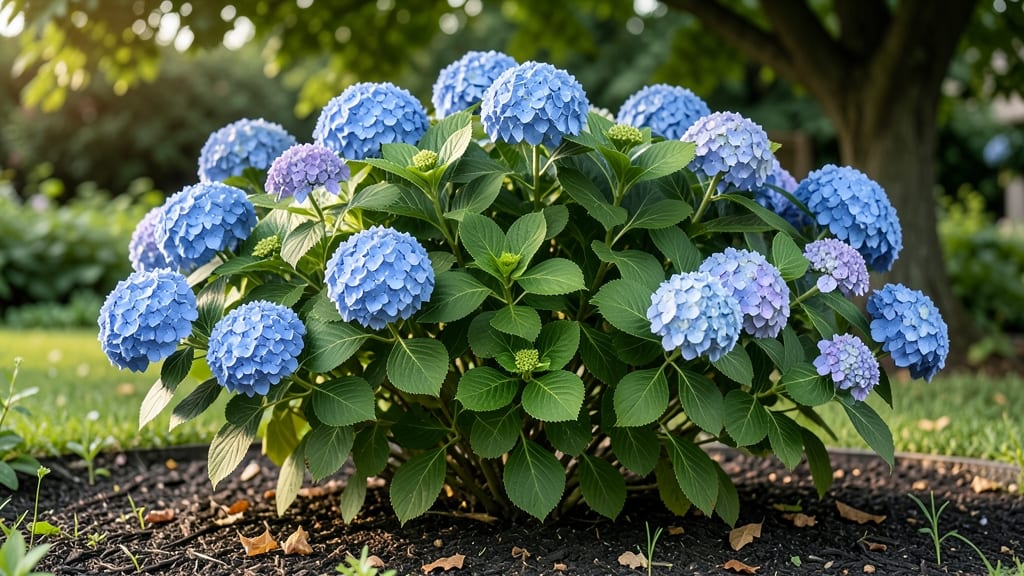
Full shade flowering shrubs turn your darkest corners into a lush, fragrant oasis. 🌿 I used to think shade meant dull greens and boring foliage—until I discovered these sun-haters that bloom like they’re basking in full sun.
The secret lies in choosing the right plants that thrive where others fade, transforming neglected spaces into vibrant focal points.
Think hydrangeas with their paper-doll blooms in pink, blue, or white, or azaleas that burst with color in spring. Even impatiens and ferns bring texture and life to shady spots. These shrubs don’t just survive—they thrive, with minimal fuss once planted in well-draining soil and given occasional water.
No more struggling with leggy, sparse growth; just reliable blooms season after season.
By layering these shrubs with hostas, astilbes, or bleeding hearts, you create depth and movement. A mix of heights—tall hydrangeas in the back, mid-sized azaleas in the middle, and low-growing ferns up front—gives your garden a natural, balanced look.
The result? A low-maintenance, high-impact shade garden that feels alive, even when the sun doesn’t shine.
Perfect for under trees, along north-facing walls, or in dense woodland gardens. These shrubs prove that shade isn’t a limitation—it’s just a different kind of beauty waiting to unfold. Let’s bring some light to those dark spots!
📚 In This Guide
- What you need
- Instructions
- Tips and common mistakes
- Wrapping up and next steps
What you need
- ● Full shade flowering shrubs: Choose from Hydrangea (e.g., 'Annabelle'), Azalea, Rhododendron, Pieris, or Japanese Maple (1-3 plants per 4-6 sq. ft. of space).
- ● High-quality potting soil or garden soil: 1-2 bags (2-3 cubic feet each) with organic matter (compost or peat moss) for moisture retention.
- ● Organic mulch: 1-2 bags (shredded bark or pine needles) to retain moisture and suppress weeds.
- ● Slow-release fertilizer: 1 bag (10-10-10 or acid-loving plant formula) for nutrient-rich soil.
- ● Pruning shears: 1 pair (bypass blades, sharp and sterilized) for shaping.
- ● Gloves & knee pads: 1 pair each (for comfort and protection).
- ● Soil pH tester: To ensure acidic soil (pH 4.5-6.0) for optimal growth.
- ● Drip irrigation system: For consistent moisture in deep shade.
- ● Epsom salt: 1 small bag (for magnesium boosts if leaves yellow).
- ● Decorative rocks: For aesthetic borders around shrubs.
Step-by-Step guide to planting and caring for full shade flowering shrubs
Here’s how to create a lush, low-maintenance shade garden that blooms reliably year after year.
🌱 Step 1: Select the Right Shrubs for Your Space
Start with 4 proven full-shade flowering shrubs like hydrangeas, azaleas, or pieris. These thrive where sunlight barely reaches—think under trees or along north-facing walls. I always check the mature height (most reach 6-10 feet) to ensure they won’t outgrow the space within 3-5 years. For instant impact, choose established 1-gallon plants instead of bare-root starters.
Look for healthy specimens with firm stems and no yellowing leaves. Avoid shrubs with wilted blooms or brown patches—they’re already stressed. Plant in early spring or fall when temperatures hover around 50-70°F, giving roots time to establish before extreme heat or cold.
🪴 Step 2: Prepare the Planting Site
Test your soil’s moisture retention—full shade shrubs hate soggy roots but need consistent dampness. Amend heavy clay soil with 2-3 inches of compost and 1 inch of perlite to improve drainage. For sandy soil, mix in 2 inches of peat moss to hold moisture. Dig holes twice as wide as the root ball but only as deep—burying too deep smothers stems and causes rot.
Space shrubs 3-6 feet apart, depending on their mature width. I plant mine in a staggered pattern to create natural layers and prevent overcrowding. Water the holes deeply 24 hours before planting to settle the soil and reduce transplant shock.
☀️ Step 3: Plant and Mulch for Long-Term Health
Gently remove the shrub from its container and loosen any circling roots with your fingers. Place it in the hole so the top of the root ball sits 1 inch below soil level—this prevents exposure during dry spells. Fill around the roots with the amended soil, pressing lightly to eliminate air pockets. Water immediately to settle everything.
Spread 2-3 inches of mulch (wood chips or shredded bark) over the soil surface, keeping it 6 inches away from the stem to prevent rot. Mulch locks in moisture and suppresses weeds, but don’t pile it high—too much suffocates roots. Water deeply again until the top 4 inches of soil feels moist.
💧 Step 4: Water and Fertilize for First-Year Success
Keep soil consistently moist but not waterlogged for the first 6-8 weeks. You’ll know it’s right when the top inch feels damp but not soggy. After that, water once a week unless rainfall provides 1 inch of moisture. Overwatering in shade leads to root rot—always check before adding more.
Fertilize lightly in early spring with a balanced 10-10-10 formula (follow package rates). Too much fertilizer burns roots in shade, so I halve the recommended dose. Skip fall feeding—shrubs need to rest and prepare for winter. Watch for new growth in 4-6 weeks as your signal that roots are establishing.
✂️ Step 5: Prune and Maintain for Seasonal Blooms
Prune right after flowering (late summer) to shape shrubs and encourage next year’s blooms. Remove dead or crossing branches first, then trim back leggy growth by one-third to promote bushiness. Use clean, sharp pruners to make cuts at a 45-degree angle just above a leaf node.
Deadhead spent flowers in early fall to redirect energy to root growth. In winter, protect young shrubs from freezing winds with burlap wraps if your zone drops below 10°F. By spring’s second flush, you’ll see vibrant new blooms—proof your shade garden is thriving.
Tips & tricks for perfect full shade flowering shrubs
Took me years to figure out these tricks for thriving shade gardens—here's how to avoid the common pitfalls.
Planting Timing: The 24-hour watering before planting in Step 2 is crucial—it helps settle the soil and prevents air pockets around roots. I've learned that planting on a cloudy day (when temps are naturally cooler) gives roots even more time to adjust without stress. This is especially important if your spring arrives late or your fall season is unusually warm.
Soil Prep Secret: When amending heavy clay soil with 2-3 inches of compost and 1 inch of perlite, I like to mix in a handful of worm castings too. This adds beneficial microbes that help roots establish faster. For sandy soil, I've found that adding 1 inch of coconut coir along with the 2 inches of peat moss improves moisture retention even more than peat alone.
Mulch Placement: That 6-inch clearance from the stem when applying 2-3 inches of mulch might seem like a lot, but it's worth it. I've seen too many gardens where mulch piled against stems caused rot. Instead, create a small well around each plant to direct water toward the roots while keeping stems dry. This simple adjustment prevents fungal issues that can kill your shrubs before they even bloom.
Fertilizer Strategy: Halving the recommended dose of 10-10-10 fertilizer is non-negotiable—shade plants are sensitive to over-fertilization. I've found that applying a slow-release organic fertilizer like 5-5-5 in early spring gives even better results than chemical fertilizers. The key is to watch for new growth appearing within 4-6 weeks as your confirmation that the plants are happy.
Pro Tips for Full Shade Flowering Shrubs
- Took me years to figure out these tricks for thriving shade gardens—here's how to avoid the common pitfalls.
- Planting Timing: The 24-hour watering before planting in Step 2 is crucial—it helps settle the soil and prevents air ...
- Soil Prep Secret: When amending heavy clay soil with 2-3 inches of compost and 1 inch of perlite, I like to mix in a ...
Frequently asked questions
Got questions about keeping your full-shade garden vibrant? Here are answers to the most common ones—so you can relax and enjoy those blooms!
What are the easiest full-shade flowering shrubs for beginners?
Start with Hydrangea macrophylla (for lush blooms), Pieris japonica (evergreen + spring flowers), or Daphne odora (fragrant winter blooms). These tolerate shade well and require minimal fuss—just consistent moisture and occasional pruning.
How long does it take for full-shade shrubs to bloom after planting?
Most take 1–3 years to establish and flower, depending on the variety. Azalea and Camellia may bloom sooner (1–2 years), while Hellebore often rewards patience with flowers in their second year. Patience pays off!
Do full-shade flowering shrubs need extra watering?
Yes! Shady spots can stay damp but may also dry out slowly. Water deeply 1–2 times per week during dry spells, especially for Rhododendrons or Calycanthus. Mulch (2–3 inches) helps retain moisture and protect roots.
What if my full-shade shrub isn’t flowering?
Check these fixes:
- Light: Ensure it gets at least 3–4 hours of dappled light (some need more).
- Soil: Amend with compost—shady shrubs often need acidic, well-draining soil (pH 5.0–6.0).
- Fertilizer: Use a slow-release, balanced fertilizer in early spring (avoid high-nitrogen).
- Pruning: Deadhead spent blooms (for repeat bloomers like Hydrangea) but avoid heavy pruning in fall/winter.
Are there any non-toxic full-shade flowering shrubs for pets?
Opt for Hellebore (Lenten Rose), Pieris, or Viburnum (like V. dentatum). Avoid Rhododendrons or Azaleas—they’re toxic to dogs/cats. Always double-check with the ASPCA’s plant list.
Wrapping up and next steps
Transforming your shady garden into a vibrant oasis is easier than you think! Full shade flowering shrubs like hydrangeas, azaleas, and ferns prove that even the darkest corners can burst with color and life—with minimal effort.
These beauties not only thrive in low light but also bring year-round interest, whether through lush foliage or seasonal blooms.
Ready to dive in? Start by sketching a simple layout of your space—note sun exposure, soil type, and shrub heights. Then, pick 2-3 varieties that suit your climate and style. Pro tip: Pair evergreens with seasonal bloomers for year-round appeal! 🌿✨