
Shrubs
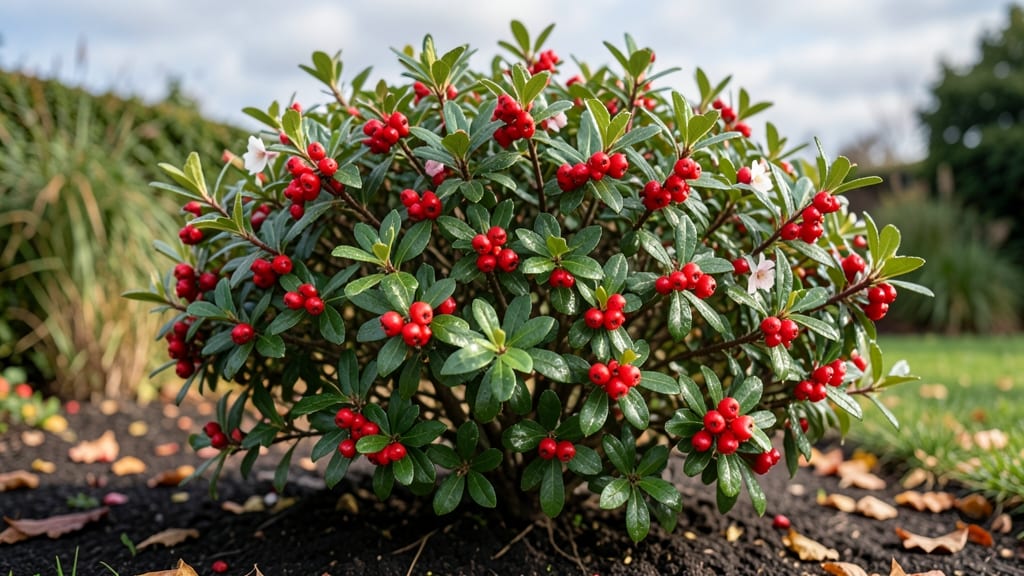
Your garden needs that flaming red shrub—the one that turns heads in winter when everything else fades to brown. 🌿 I’ve planted three varieties, and Cotinus coggygria (smoke bush) steals the show with its fiery foliage that refuses to lose its punch, even when snowflakes start falling.
This isn’t just a shrub; it’s a statement piece that thrives in full sun or partial shade, grows 3–6 feet tall, and pairs perfectly with evergreens like pine or boxwood.
The feathery plumes add texture, while the deep red leaves create a striking contrast against silver foliage or creamy white flowers. Imagine a winter border where this shrub anchors the scene, its bold color drawing the eye while protecting delicate perennials from harsh winds.
It’s the kind of plant that makes neighbors pause and ask, “What is that?”—and then want one for themselves. For best results, plant it where it gets at least 4–6 hours of sunlight daily, and prune lightly in late winter to shape it. The payoff?
Year-round interest with minimal fuss.
📚 In This Guide
- What you need
- Instructions
- Tips and common mistakes
- Wrapping up and next steps
What you need
- ● Flaming Red Shrub Plant: 1–3 nursery-grown Cotinus coggygria (smokebush) or Euonymus alatus (winged euonymus) in 5-gallon pots (for mature plants) or 1-gallon containers (for younger starts).
- ● Pro tip: 💡 Look for ‘Royal Purple’ or ‘Grace’ cultivars for the most vibrant red-purple hues!
- ● Well-Draining Soil: 50 lbs of garden loam (or a mix of 60% topsoil, 30% compost, 10% perlite for improved drainage).
- ○ Optional: 1 lb of sulfur (if your soil is alkaline—test first!).
- ● Mulch: 2–3 cubic feet of wood chips or shredded bark (to retain moisture and regulate soil temp).
- ● Garden Tools: 1 trowel (for planting).
- ● 1 shovel (for digging).
- ● 1 pruning shears (sterilized with 70% isopropyl alcohol).
- ● 1 gloves (heavy-duty for thorny varieties like winged euonymus).
- ○ Optional Extras: 1 soil pH test kit (to ensure acidic/neutral soil, ideal for vibrant foliage).
- ● 1 watering can or hose with a gentle spray nozzle (for post-planting hydration).
- ● 1 plant support stake (if planting in windy areas).
- ● Sunlight: A full-sun to part-sun spot (6+ hours of sunlight daily for optimal color).
- ● Hardiness Zone: USDA Zones 4–8 (check your zone here).
- ● Spacing: 3–5 feet apart for Cotinus.
- ● 4–6 feet apart for Euonymus (to prevent overcrowding).
- ● Water Access: A nearby water source for the first 2–3 weeks post-planting.
How to grow and care for a flaming red shrub
This striking plant brings bold color all year—here's how to keep it thriving.
🪴 Step 1: Select the Perfect Planting Location
Choose a spot with full sun to partial shade—at least 4-6 hours of direct sunlight daily. The vibrant red foliage develops best with good light exposure. I always test the site first by placing the shrub in the hole for a few hours to check how the light hits it.
Well-drained soil is critical—this shrub hates soggy roots. If your soil drains poorly, mix in 2-3 inches of compost or sand to improve drainage. The ideal soil pH is slightly acidic, between 5.5 and 6.5. You'll know you've got it right when the soil feels loose and crumbly when moist.
🌱 Step 2: Plant at the Right Depth and Spacing
Dig a hole twice as wide as the root ball but only as deep. The top of the root ball should sit 1 inch above ground level—burying too deep suffocates the roots. Gently loosen the roots if they're circling tightly in the container.
Space plants 4-6 feet apart to allow for mature growth without crowding. I always place a small stake at the center of the hole before adding the plant—this helps me visualize the final height and ensures proper positioning. Backfill with native soil mixed with compost, tamping gently to remove air pockets.
💧 Step 3: Water Deeply and Establish a Routine
Water immediately after planting to settle the soil around the roots. Give it 1 gallon of water per foot of plant height—so a 3-foot shrub gets about 3 gallons. Let the soil absorb the water completely before adding more.
After the first month, water only when the top 2-3 inches of soil feel dry. This shrub is surprisingly drought-tolerant once established, but young plants need consistent moisture. You'll see the leaves start to droop slightly when they need water—that's your signal to give them a deep drink.
✂️ Step 4: Prune for Shape and Health
Prune in late winter or early spring before new growth begins. Remove any dead, damaged, or crossing branches first. Then shape the shrub by cutting back overgrown branches to just above a leaf bud. I always make cuts at a 45-degree angle just above an outward-facing bud to encourage fuller growth.
Never prune more than one-third of the shrub's total volume at once. You'll know you've pruned too much if the center becomes bare or if new growth looks sparse. The goal is to maintain an open, airy structure that allows light to reach all parts of the plant.
☀️ Step 5: Prepare for Winter Interest
This shrub's real magic happens in winter when most plants go dormant. To keep the foliage vibrant, avoid heavy pruning in fall—just tidy up any dead branches. In colder climates, mulch around the base with 2-3 inches of organic mulch to protect roots from freezing temperatures.
Water sparingly during winter unless there's a prolonged dry spell. The plant's natural color will fade slightly in extreme cold, but it always bounces back beautifully in spring. I've found that a light application of balanced fertilizer in early spring gives the plant the boost it needs to put on its best color show.
Tips & tricks for perfect flaming red shrub care
Here's what nobody tells you about keeping this showstopper thriving year-round.
Light Exposure: The 4-6 hours of direct sunlight in Step 1 is non-negotiable for that signature red color. I've seen plants in partial shade develop duller foliage—almost like someone turned down the vibrancy dial. If your location gets less sun, consider a spot near a south-facing window or use a grow light for 2-3 hours daily during winter months. The leaves will tell you if they're happy: bright red means perfect light, while greenish tinges signal too much shade.
Soil Test Tip: Before planting, grab a handful of your native soil and squeeze it—if it stays clumped together, you definitely need that 2-3 inches of compost or sand. I always mix in a bit of perlite too (about 10% of the soil volume) for extra drainage. The roots will thank you by staying healthy and vibrant, especially during those winter months when soggy roots can cause problems. Think of it as giving your shrub a cozy, well-drained blanket.
Pruning Precision: When shaping in Step 4, I recommend using sharp, clean pruners to make your cuts. Dull blades can crush stems, inviting disease. Always cut just above a leaf bud at a 45-degree angle—this encourages new growth in the right direction. Pro tip: If you're unsure where to cut, look for the tiny bump where the leaf meets the stem—that's your target spot. And remember, one-third is the magic number for how much you can prune at once.
Winter Prep: That 2-3 inches of organic mulch in Step 5 isn't just decoration—it's insulation. Spread it out in a donut shape around the base, keeping it about 2 inches away from the trunk to prevent rot. I've found that adding a layer of straw on top of regular mulch helps even more in extreme cold climates. This simple step can mean the difference between a shrub that fades to brown and one that stays vibrant through winter.
Pro Tips for Flaming Red Shrub
- Here's what nobody tells you about keeping this showstopper thriving year-round.
- Light Exposure: The 4-6 hours of direct sunlight in Step 1 is non-negotiable for that signature red color.
- Soil Test Tip: Before planting, grab a handful of your native soil and squeeze it—if it stays clumped together, you definitely need that 2-3 inches of compost or sand.
Frequently asked questions
Got questions about keeping your flaming red shrub thriving? You’re not alone! Here are some of the most common queries—plus expert answers to help you grow with confidence.
How cold can a flaming red shrub tolerate?
A flaming red shrub (like Pyracantha or Cotinus) is hardy in USDA Zones 5–9, meaning it can handle winters down to -20°F (-29°C). However, young plants may need winter protection, like mulch or burlap wraps, until established. Always check your specific variety’s hardiness for extra peace of mind!
When is the best time to prune a flaming red shrub?
Prune your shrub late winter or early spring (before new growth starts) to avoid cutting off potential blooms. For Pyracantha, prune lightly after fruiting in fall. Never prune in fall—it can stimulate tender new growth that won’t survive winter. Use clean, sharp shears and remove no more than 1/3 of the plant at a time.
How often should I water a flaming red shrub?
Water deeply once a week during the first growing season to encourage root growth. Once established, these shrubs are drought-tolerant but may need occasional watering during prolonged dry spells. Overwatering is worse than underwatering—ensure soil drains well to prevent root rot. Mulch around the base to retain moisture and regulate soil temperature.
What are some alternatives to flaming red shrubs?
If you love the bold color and winter interest but want options, consider:
- Cotinus coggygria (‘Royal Purple’) – Smoky purple foliage with dramatic plumes.
- Berberis thunbergii (‘Rose Glow’) – Glowing red stems and foliage.
- Cornus sericea (‘Flaviramea’) – Golden-yellow stems that turn red in winter.
- Viburnum bodnantense (‘Dawn’) – Winter blooms with fiery red flowers.
Why are the leaves on my flaming red shrub turning yellow or brown?
Yellowing or browning leaves usually signal overwatering, underwatering, or nutrient deficiencies. Check the soil—it should be moist but not soggy. Brown edges often mean low humidity or pests (like spider mites). Apply a balanced fertilizer in spring, and inspect leaves for signs of infestation. If the issue persists, test your soil’s pH—most flaming red shrubs prefer slightly acidic to neutral (6.0–7.0).
Wrapping up and next steps
The flaming red shrub is a stunning addition to any winter landscape, offering bold color and year-round interest with minimal fuss.
Whether you’re drawn to its fiery foliage or its hardy nature, this plant proves that beauty and resilience go hand in hand. Ready to transform your garden? Start by choosing the perfect variety for your climate, then plant with confidence—your winter wonderland awaits!
Next steps:
- 🌱 Pick your shrub—visit a local nursery to see varieties in person!
- 📅 Mark your calendar for spring planting (or dive into container gardening now!).
- 📸 Share your progress—tag us in your flaming red shrub journey! 📲💚