
Shrubs
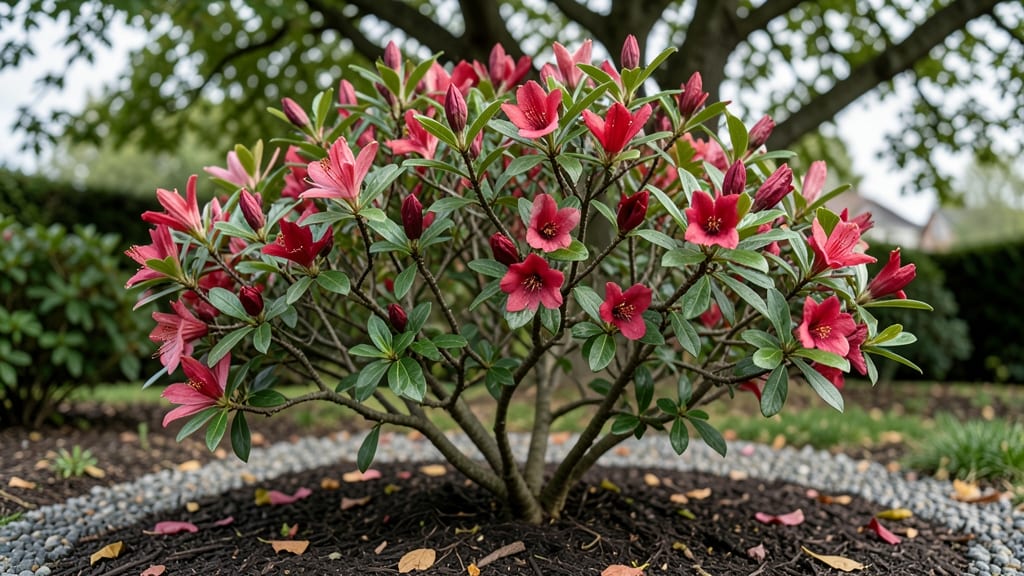
Flowering quince shrubs turn your yard into a fragrant haven with their bold, cup-shaped blooms and intoxicating scent—even when most gardens are dormant. 🌸 I’ve grown them for years, and the secret to their year-round beauty isn’t just planting them right; it’s mastering the pruning timing that keeps them flowering like clockwork.
These shrubs thrive in partial shade, handle poor soil better than most, and their disease-resistant nature means less fuss than roses. The key is pruning after blooms fade—this encourages fresh growth that flowers again next season, while also shaping them into stunning hedges or standalone focal points.
By late winter, you’ll see new pink, red, or white blossoms pushing through bare branches, filling your garden with a scent that lingers for weeks. The fruit? Edible but tart—think of it as a bonus treat for birds, not your dinner plate.
Perfect for small yards, urban gardens, or as a fragrant border. Let’s get yours thriving!
📚 In This Guide
- What you need
- Instructions
- Tips and common mistakes
- Wrapping up and next steps
What you need
- ● Flowering quince shrubs: 1–3 plants (depending on desired coverage; varieties like Chaenomeles speciosa or C. japonica are popular).
- ● Well-draining soil: Amend with compost (5–10 gallons) or peat moss (2–3 bags) if your soil is heavy clay.
- ● Organic mulch: 3–4 inches of wood chips or straw to retain moisture and suppress weeds.
- ● Slow-release fertilizer: 10–15 lbs of 10-10-10 or balanced organic fertilizer (e.g., fish emulsion or bone meal).
- ● Pruning shears: Bypass pruners (for clean cuts) or loppers (for thicker branches).
- ● Garden gloves: Heavy-duty leather or nitrile-coated for protection.
- ● Shovel or transplant spade: 12–18 inches wide for digging holes (2–3x wider than the root ball).
- ● Watering can or hose with nozzle: 1–2 gallons capacity for deep watering.
- ● Rake: Medium-sized (12–18 inches) for leveling soil.
- ● Plant support: Stakes or cages if your quince variety is sprawling (e.g., Chaenomeles ‘Coccinea’).
- ○ Pruning sealant: Wound dressing (optional; only for large cuts to prevent disease).
- ● Soil pH tester: Quince prefers slightly acidic to neutral (6.0–7.0)—adjust with lime or sulfur if needed.
- ● Decorative stones: Mulch rings or pebbles to enhance aesthetics around the base.
Instructions for pruning flowering quince shrubs
Here's how to keep your quince blooming beautifully year after year.
✂️ Step 1: Prune Immediately After Flowering
Cut back any bloomed stems to just above a set of strong buds or leaf nodes. This encourages new growth that will produce next year's flowers. I like to use clean, sharp pruners to make smooth cuts—ragged edges invite disease. Wait until after all blossoms have faded but before new growth starts to sprout.
Remove any dead, diseased, or crossing branches first. These take priority over shaping cuts. You'll know a branch is dead if it's brittle and snaps easily when bent. For crossing branches, cut the smaller one at its base to open the center of the shrub for better airflow and sunlight.
🌿 Step 2: Shape the Shrub in Late Winter
Plan your shaping cuts for late winter or early spring, just before buds begin to swell. This timing ensures you don't accidentally remove next year's flower buds. Start by removing any weak, spindly growth from last year—these rarely produce good flowers and take energy from stronger stems.
Step back and look at the overall shape. Flowering quince responds well to an open, vase-like form. Cut back about one-third of the oldest stems to the ground to rejuvenate the shrub. This might sound drastic, but it prevents the center from becoming too dense and woody.
☀️ Step 3: Thin Out Overcrowded Branches
Look for branches growing inward or rubbing against others. These compete for sunlight and nutrients, weakening the plant. Cut these out completely at their point of origin. You'll see healthier growth immediately after—more sunlight reaches the center, and air circulates better.
Also remove any suckers growing from the base. These are vigorous but rarely produce flowers. Cut them off at ground level. If you wait until they're larger, you'll struggle to remove them cleanly, and they'll drain energy from your main shrub.
⏰ Step 4: Light Maintenance Throughout the Year
Check your quince shrub every few months for any dead or diseased branches. Remove these immediately to prevent problems from spreading. A quick once-over in early summer and again in fall keeps the shrub healthy without major pruning.
Never prune in fall after leaves drop—this encourages tender new growth that won't survive winter. Instead, do a light cleanup of any remaining debris or dead branches. Your quince will reward you with fragrant blooms year after year if you keep up with this simple routine.
Tips & tricks for perfect flowering quince care
Your quince shrubs will thrive with these simple but game-changing strategies—learned from years of watching them bloom beautifully.
Tool Prep: Always disinfect your pruners with rubbing alcohol between cuts. I learned this the hard way after watching a healthy quince turn spotty from contaminated tools. A quick wipe between branches prevents disease spread, especially when removing dead or diseased stems in Step 1.
Visual Cues for Timing: In Step 2, look for swollen buds as your signal—these plump little bumps appear just before spring growth begins. If you see them, it's time to shape! For Step 1, wait until at least 80% of blossoms have dropped their petals completely before pruning. The remaining buds will become next year's flowers.
Sucker Removal Strategy: Those vigorous base suckers in Step 3? Cut them at ground level but leave a tiny bit of stem attached. This prevents the wound from being too exposed, which can invite pests. I also recommend marking sucker locations with small flags if you're unsure which are truly suckers versus new growth—quince can be tricky!
Seasonal Checklist: Set reminders for your early summer and fall maintenance in Step 4. I keep a small notebook by my gardening tools with these dates written in—it's easy to forget between the busy spring and fall seasons. A quick 15-minute once-over prevents major problems before they start.
Pro Tips for Flowering Quince Shrubs
- Your quince shrubs will thrive with these simple but game-changing strategies—learned from years of watching them blo...
- Tool Prep: Always disinfect your pruners with rubbing alcohol between cuts. I learned this the hard way after watchin...
- Visual Cues for Timing: In Step 2, look for swollen buds as your signal—these plump little bumps appear just before s...
Frequently asked questions
Got questions about growing and maintaining flowering quince shrubs? You’re not alone! Here are some of the most common queries—and their answers—to help you keep your shrubs thriving year-round.
When is the best time to prune flowering quince shrubs?
Prune your flowering quince right after blooming (late spring to early summer). This ensures you don’t cut off next year’s flowers while still shaping the shrub. Avoid heavy pruning in fall or winter, as it can stimulate late-season growth that may be damaged by frost.
Why aren’t my flowering quince shrubs blooming this year?
Lack of blooms often stems from over-pruning in late winter or early spring (when buds form) or poor sunlight. Ensure your shrub gets 6+ hours of sun daily and prune only after flowers fade. If the issue persists, check for pests or nutrient deficiencies (like low phosphorus).
Are flowering quince shrubs cold-hardy? What zones do they thrive in?
Yes! Flowering quince shrubs are highly cold-hardy and thrive in USDA Zones 4–8. They tolerate winter temperatures down to -30°F (-34°C), making them ideal for northern climates. Just ensure they’re planted in well-draining soil to prevent root rot in soggy conditions.
What’s the difference between flowering quince and flowering pear?
While both offer stunning blooms, flowering quince has fragrant, cup-shaped flowers and thorny branches, while flowering pear has larger, showier blooms and fewer thorns. Quince also produces edible (but tart) fruit, whereas pear’s fruit is ornamental. Choose quince for fragrance and structure!
Can I propagate flowering quince shrubs from cuttings?
Take softwood cuttings in early summer or hardwood cuttings in late fall/winter. Dip the cut end in rooting hormone, plant in moist perlite or sand, and keep humid until roots form (4–8 weeks). Quince is easier to propagate than many shrubs, so you can share clippings with fellow gardeners!
What pests or diseases should I watch for in flowering quince?
Keep an eye out for aphids, spider mites, and scale insects (wipe leaves with soapy water). Fungal issues like powdery mildew can occur in humid climates—improve airflow and avoid overhead watering. Prune out infected branches immediately to prevent spread. Most problems are preventable with regular pruning and good hygiene!
Wrapping up and next steps
Flowering quince shrubs are a fragrant, low-maintenance gem that rewards patience with stunning blooms and lush foliage. By mastering the right pruning timing—especially in late winter or early spring—you’ll encourage vibrant flowers, healthier growth, and even edible fruit.
Whether you’re a seasoned gardener or just starting, these shrubs offer year-round beauty with minimal effort.
Ready to transform your garden? Start by assessing your quince’s needs—grab your pruners, follow the steps above, and enjoy the sweet rewards of your labor! 🌸