
Shrubs
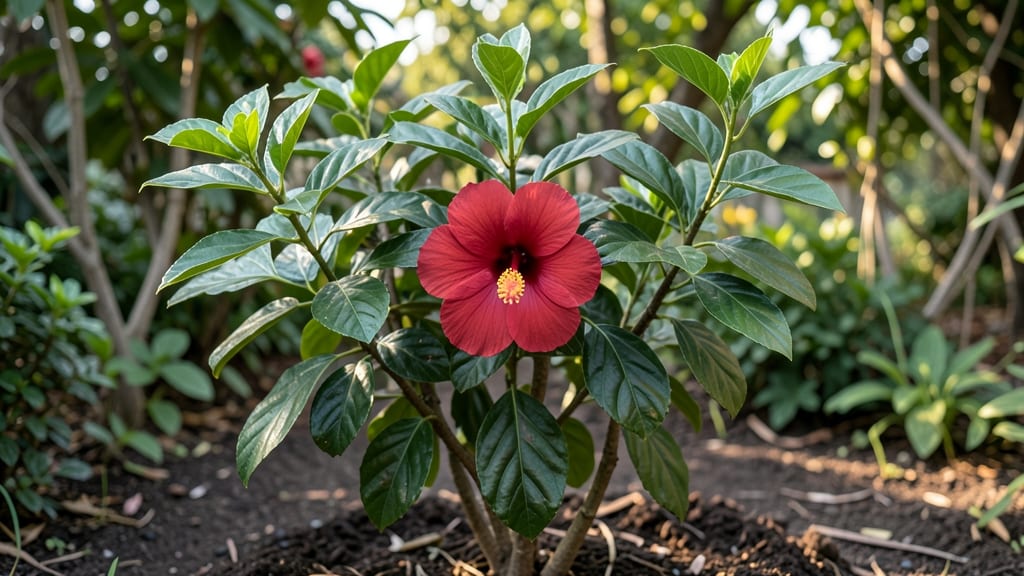
Growing flowering shrub hibiscus means bold, tropical blooms that last all season—if you prune them right. 🌺 I learned the hard way that these plants aren’t just pretty faces; they demand a little attention to keep flowering nonstop.
The secret lies in sunlight, soil, and strategic cuts that encourage fresh growth where old blooms fade. Start with well-draining soil and a spot that bakes in 6+ hours of sun daily—they’re sun worshippers, not shade lovers.
Varieties like ‘Dwarf Red’ or ‘Lady Baltimore’ thrive in zones 5-9, but even in cooler climates, a sheltered microclimate keeps them blooming. The payoff? Flowers from summer through frost, with some tropical types even reblooming in mild winters. Pruning isn’t just about shaping—it’s about forcing new blooms.
Cut back leggy growth after each flush of flowers, and you’ll trigger fresh shoots that burst with buds in weeks. Yellow leaves? Usually overwatering or poor drainage. Fix it with gritty soil and let the top inch dry between waterings. Works for containers, borders, or as a dramatic focal point.
Here’s how to keep yours blooming like a pro—no dead wood allowed!
📚 In This Guide
- What you need
- Instructions
- Tips and common mistakes
- Wrapping up and next steps
What you need
- ● Flowering shrub hibiscus: Choose a healthy nursery-grown plant (e.g., Hibiscus syriacus or Hibiscus rosa-sinensis) or seeds (if starting from scratch). Pro tip: 💡 Opt for disease-resistant varieties like ‘Diana’ or ‘Hamabo’ for easier care!
- ● Well-draining potting mix: 5–10 gallons (depending on pot size), blended with perlite or sand (1:3 ratio) for aeration.
- ● Fertilizer: Balanced granular fertilizer (10-10-10) – 1 cup per 5 gallons of soil at planting.
- ● Slow-release organic fertilizer (e.g., composted manure) – 1–2 lbs per plant annually.
- ● Bloom booster (high-phosphorus, like 5-10-5) – 1 tbsp per plant every 4–6 weeks during growing season.
- ● Mulch: 2–3 inches of organic mulch (e.g., pine bark or shredded leaves) to retain moisture.
- ● Garden trowel or spade – For planting and soil prep.
- ● Pruning shears – Sharp, bypass-style shears (sterilized with rubbing alcohol).
- ● Watering can or hose with gentle spray nozzle – Hibiscus hates soggy roots!
- ● pH testing kit – Ideal soil pH: 6.1–7.5 (slightly acidic to neutral).
- ○ Support stake (optional) – 4–6 ft bamboo or metal stakes if your hibiscus grows tall.
- ● Glove – Protect your hands from thorns (especially on tropical varieties!).
- ● Sunlight: 6–8+ hours of direct sun daily (morning sun is ideal in hot climates).
- ● Climate: Hardy hibiscus (H. syriacus): Zones 5–9 (tolerates frost down to 10°F).
- ● Tropical hibiscus (H. rosa-sinensis): Zones 9–11 (needs winter protection below 40°F).
- ● Watering routine: 1–2 inches per week (daily watering for container-grown plants).
- ● Space: 3–6 ft apart (depending on variety) for airflow and growth.
Step-by-Step instructions for planting and pruning flowering shrub hibiscus
Here's how I create a thriving hibiscus shrub with abundant blooms year-round—no guesswork, just precision.
🌱 Step 1: Choose the Right Location and Plant With Care
Flowering shrub hibiscus thrives in full sun—at least 6-8 hours daily. I always pick a spot with morning sun and afternoon shade in hot climates to prevent leaf scorch. The soil should drain well but retain moisture; amending heavy clay with 2-3 inches of compost improves aeration significantly.
Dig a hole twice as wide as the root ball but no deeper. This encourages roots to spread horizontally rather than settling in a deep hole. Gently remove the plant from its container and loosen any circling roots with your fingers. Place it in the hole so the top of the root ball sits 1 inch above ground level—this prevents rot during heavy rains.
💧 Step 2: Water Deeply and Mulch for Root Health
After planting, water deeply until the soil is 6-8 inches moist. You'll know it's right when water runs out the drainage holes but doesn't pool on the surface. Hibiscus roots need consistent moisture but hate soggy conditions. I use a 3-inch layer of organic mulch (like pine straw or shredded bark) to retain soil moisture and regulate temperature.
Keep the mulch 2-3 inches away from the stem to prevent rot. Water 2-3 times weekly during the first growing season, adjusting for rainfall. You'll notice new growth within 4-6 weeks if conditions are ideal—look for fresh, deep green leaves emerging along the stems.
☀️ Step 3: Feed for Continuous Blooms
Flowering shrub hibiscus responds best to balanced fertilizer (10-10-10 or 20-20-20) applied every 4-6 weeks during spring and summer. I mix the granules into the top 2 inches of soil around the base, then water deeply to activate them. Over-fertilizing causes leaf growth at the expense of flowers, so I halve the recommended dose in fall and winter.
Watch for buds forming at the tips of new growth—this is your cue that the plant is thriving. If you see mostly leaves with no buds, your fertilizer ratio might be too high in nitrogen. Switch to a low-nitrogen, high-phosphorus formula (like 5-10-10) to encourage blooming.
✂️ Step 4: Prune Strategically for Year-Round Blooms
Prune hibiscus right after flowering to shape the plant and encourage new growth. I remove 1/3 of the oldest stems at the base, cutting just above a leaf node or outward-facing bud. This opens up the center for better air circulation and light penetration. Avoid cutting into old wood—new growth emerges from the current season's stems.
For winter preparation, trim back any leggy growth or dead branches. Shape the shrub into a rounded form to support strong structure. You'll see new shoots emerging within 3-4 weeks of pruning—these will produce next season's blooms. Never prune in fall; new growth won't harden off before winter.
⏰ Step 5: Winter Care for Cold Climates
If your winters drop below 20°F, protect your hibiscus by wrapping the base with burlap or frost cloth and covering with 4-6 inches of mulch. In zones 7-9, hibiscus can survive mild winters with minimal protection. I always leave the mulch in place until spring to insulate roots and prevent temperature fluctuations.
Reduce watering in winter to once every 2-3 weeks unless you're experiencing freezing temperatures. Resume regular watering in early spring as new growth appears. You'll know it's time to restart fertilizing when you see new leaves unfurling along the stems—this signals the plant is actively growing again.
Tips & tricks for perfect flowering shrub hibiscus care
These simple yet powerful insights will help you transform your hibiscus into a blooming powerhouse with minimal effort.
Location is Everything: While the instructions emphasize full sun, I've found that hibiscus actually benefits from a little afternoon shade in hot climates. The key is morning sun exposure—at least 6 hours—while protecting leaves from the intense afternoon rays that can cause scorch. If you notice leaves turning yellow or crispy on the edges, you're either getting too much direct sun or not enough water.
Root Health Secret: The 6-8 inch deep watering in Step 2 is crucial, but don't stop there. After your initial deep watering, I recommend using a moisture meter to verify soil moisture at 6 inches depth. Hibiscus roots need consistent moisture but will rot if waterlogged. If your soil drains poorly, consider adding a 2-inch layer of coarse sand to the bottom of the planting hole before adding your plant.
Fertilizing Strategy: The 4-6 week feeding schedule works well, but timing matters more than you might think. I apply fertilizer right after a heavy rain or thorough watering—this ensures the nutrients get washed into the root zone rather than sitting on the surface. For an extra boost, I mix in a handful of Epsom salt (magnesium sulfate) with each fertilizer application, which helps prevent yellowing leaves and improves bloom production.
Pruning Precision: When removing that 1/3 of oldest stems in Step 4, focus on stems that are thicker than a pencil—they're the ones that won't regrow. Always cut just above a leaf node or outward-facing bud, making a clean cut at a 45-degree angle. This technique maximizes airflow and light penetration while encouraging new growth from the exact spot you want. I've seen hibiscus plants double in size within a single growing season using this method.
Pro Tips for Flowering Shrub Hibiscus
- These simple yet powerful insights will help you transform your hibiscus into a blooming powerhouse with minimal effort.
- Location is Everything: While the instructions emphasize full sun, I've found that hibiscus actually benefits from a ...
- Root Health Secret: The 6-8 inch deep watering in Step 2 is crucial, but don't stop there. After your initial deep wa...
Frequently asked questions
Got questions about keeping your flowering shrub hibiscus thriving? You’re not alone! Here are answers to the most common queries—from pruning puzzles to blooming secrets.
When is the best time to prune my hibiscus for maximum blooms?
Prune your hibiscus after flowering (late winter to early spring) to encourage new growth and abundant blooms. Avoid heavy pruning in fall—it can stunt winter hardiness. For tropical varieties, light shaping can happen anytime, but never prune when flowers are open!
Can hibiscus shrubs survive winter in cold climates?
Hardy hibiscus (like Hibiscus moscheutos) tolerate USDA zones 5-9, but tropical types (e.g., Hibiscus rosa-sinensis) need winter protection in zones below 10. Mulch heavily, wrap pots, or dig up potted plants to overwinter indoors. Pro tip: Trim back dead growth in spring—new shoots signal survival!
Why aren’t my hibiscus flowers lasting long?
Short-lived blooms often mean overwatering or poor drainage. Hibiscus thrives in moist (not soggy) soil. Deadhead spent flowers to redirect energy to new buds. Also, check for pests like aphids or spider mites—spray with neem oil if needed.
What’s a good alternative if my hibiscus isn’t thriving?
Try Abelia (drought-tolerant, long blooms) or Butterfly Bush (Buddleia) for similar color and pollinator appeal. For tropical vibes, Plumeria or Allamanda are low-maintenance picks. Just note: Alternatives may need different light/water needs!
How often should I fertilize hibiscus for non-stop blooms?
Feed every 4-6 weeks during growing season (spring-fall) with a balanced fertilizer (10-10-10) or hibiscus-specific bloom booster. Reduce feeding in winter. Over-fertilizing causes leafy growth over flowers—stick to the schedule!
Wrapping up and next steps
Growing a flowering shrub hibiscus is a rewarding journey that brings vibrant color and life to your garden year-round—with the right pruning precision! Remember, these beauties thrive with sunlight, well-draining soil, and a little TLC, especially during their dormant seasons.
Whether you’re a seasoned gardener or just starting, the key is patience and consistency.
Ready to transform your outdoor space? Start by reviewing your pruning schedule and troubleshooting any challenges you’ve noticed. Next, grab your shears and get ready to shape your hibiscus into a stunning, blooming masterpiece! 🌸✨