
Shrubs
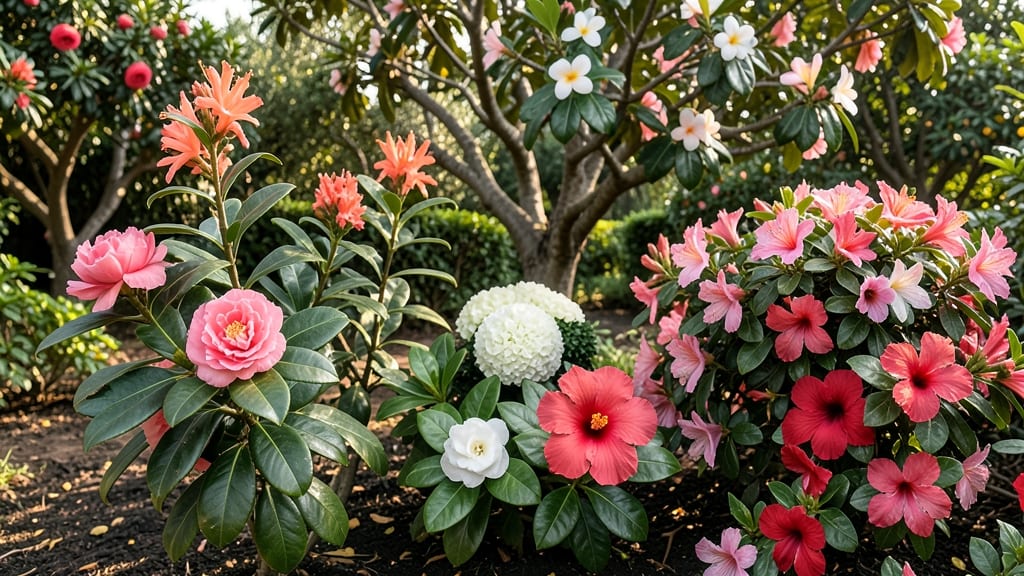
Your garden could burst with flowering shrubs all year round—no more boring brown months. ✨ I've tested the toughest, most reliable bloomers, and these cold-hardy shrubs will keep your landscape vibrant from spring through frost.
The secret lies in layering plants that pick up where one leaves off, like camellias handing the torch to abeliophyllum as temperatures drop.
Most gardeners give up on winter color, but these varieties thrive in zones 5-8: camellias (winter blooms), hydrangeas (late-season rebloomers), and abeliophyllum (spring-to-fall fragrance). They need full sun to partial shade, consistent moisture, and regular pruning—but the payoff is months of effortless beauty with minimal upkeep.
My front yard stays lively through December, and neighbors keep asking for my "secret."
The magic happens when you combine them strategically. Plant camellias near evergreens for winter structure, add hydrangeas for summer drama, and tuck in abeliophyllum for spring perfume.
Even in harsh winters, you'll have continuous blooms that turn heads and keep your garden the envy of the block. Let's build that showstopper landscape together.
These shrubs work beautifully in foundation plantings, mixed borders, or even large containers. Their layered blooming cycles mean you'll always have something in flower—no dead zones, ever. The key is spacing them 3-6 feet apart for mature size and pruning after blooming to encourage next season's flowers.
Most varieties handle pruning like pros, though camellias need a gentler touch after their winter display.
For extra insurance, add seasonal fillers like hellebores for early spring or pansies for winter color. The combination creates a nonstop floral parade that keeps your garden looking fresh year-round. Even in my tough zone 6 winters, this strategy delivers at least 10 months of color with minimal effort.
That's a game-changer for busy gardeners who want beauty without the constant work.
📚 In This Guide
- What you need
- Instructions
- Tips and common mistakes
- Wrapping up and next steps
What you need
- ● Cold-hardy flowering shrubs (5–10 plants, depending on garden size): Camellias (e.g., Camellia japonica, Camellia sasanqua) – 3–5 plants
- ● Pieris japonica (Andromeda) – 2–3 plants
- ● Abelia (e.g., Abelia × grandiflora) – 2–4 plants
- ● Weigela (e.g., Weigela florida) – 2–3 plants
- ● Dwarf lilacs (e.g., Syringa meyeri) – 1–2 plants
- ● High-quality, well-draining potting mix or garden soil (50–100 sq. ft. coverage, ~3–4 cubic feet per plant)
- ● Organic mulch (2–3 inches) (e.g., shredded bark, pine straw, or composted leaves)
- ● Slow-release fertilizer (10–10–10 or 12–12–12 NPK ratio, ~1 lb per plant)
- ● Watering can or hose with a gentle spray nozzle (or a drip irrigation system for efficiency)
- ● Garden trowel or spade (for digging holes)
- ● Garden gloves (to protect your hands)
- ● Pruning shears or loppers (for shaping and maintenance)
- ● Measuring tape or ruler (to ensure proper spacing)
- ● Wheelbarrow or bucket (for transporting soil and mulch)
- ● Soil pH test kit (to ensure optimal acidity for camellias and pieris)
- ● Epsom salt (for magnesium boost, especially for camellias)
- ● Decorative rocks or edging (for a polished garden bed look)
- ● Plant labels (to track varieties and care needs)
- ● Frost cloth (for protecting young plants in early spring or late fall)
How to select and plant cold-hardy flowering shrubs for year-round color
Here's my approach to creating a vibrant, low-maintenance landscape that thrives through all seasons.
🌿 Step 1: Choose the Right Varieties for Your Climate Zone
First, identify your USDA hardiness zone—this determines which shrubs will survive winter and rebound with spring blooms. For zones 3-5, focus on Weigela, Potentilla, and Spiraea varieties, which handle -30°F temperatures. In zones 6-8, Abelia, Pieris, and Camellia (with winter protection) deliver continuous color.
Look for shrubs with staggered bloom times—plant early spring bloomers (like Forsythia) alongside late summer varieties (such as Hydrangea paniculata) to ensure flowers appear year-round. I always check the plant tag for "reblooming" labels, as these varieties produce multiple flushes of flowers instead of just one seasonal burst.
☀️ Step 2: Select Planting Locations Based on Sun and Soil Needs
Most flowering shrubs thrive in full sun to partial shade, but specific varieties have unique preferences. For example, Camellias prefer morning sun and afternoon shade in hot climates, while Butterfly Bushes (Buddleia) love full sun exposure for maximum blooms. Observe your yard's microclimates—south-facing areas get the most sun, while north-facing spots stay cooler and shadier.
Test your soil's drainage before planting. Flowering shrubs hate soggy roots, so amend heavy clay with compost or sand to improve aeration. I dig a hole twice as wide as the root ball but only as deep—planting too deep suffocates the roots and can kill the shrub. The top of the root ball should sit 1 inch above ground level to prevent waterlogging during heavy rains.
🪴 Step 3: Plant Shrubs Correctly for Long-Term Health
Remove the shrub from its container and loosen any circling roots with your fingers—this encourages outward growth rather than a girdled root ball. Place the shrub in the hole and backfill with native soil mixed with compost to improve fertility. Water deeply to settle the soil and eliminate air pockets, then create a 2-inch-high berm around the base to direct water toward the roots.
Mulch with 3 inches of organic mulch (like shredded bark) to retain moisture and regulate soil temperature. Keep mulch 6 inches away from the trunk to prevent rot. I always water newly planted shrubs once a week for the first month, then taper to every 2-3 weeks once established, unless we experience a drought. Overwatering is the #1 killer of young shrubs—look for wilting leaves or yellowing foliage as signs of too much moisture.
✂️ Step 4: Prune for Continuous Blooming and Shape
Prune right after flowering for spring-blooming shrubs like Lilac or Azalea to encourage next year's blooms. For reblooming varieties like Hydrangea or Abelia, prune lightly in late winter or early spring to shape the plant without removing next season's flower buds. Never prune more than 1/3 of the shrub's foliage in a single season—this stresses the plant and reduces flowering.
Remove dead, diseased, or crossing branches first. Then, thin out crowded areas to improve airflow and reduce pest problems. I always sterilize my pruners with rubbing alcohol between cuts to prevent spreading disease. After pruning, apply a balanced fertilizer (10-10-10) in early spring to support new growth and abundant blooms.
⏰ Step 5: Maintain Year-Round with Seasonal Care
In spring, fertilize again in late April or early May when new growth appears. Water deeply every 2 weeks during dry spells, and deadhead spent blooms to encourage more flowers. In summer, reduce watering slightly but keep soil moist—most flowering shrubs enter a semi-dormant state in extreme heat, so don't panic if growth slows.
Prepare for winter by applying a 3-inch layer of mulch in late fall to insulate roots. For tender varieties like Camellia, wrap the canopy in burlap if temperatures drop below 15°F. I also prune any dead or damaged branches in early spring to make room for new growth. With the right care, your shrubs will reward you with nonstop color and minimal effort.
Tips & tricks for perfect year-round blooming shrubs
Creating a landscape that thrives through all seasons takes more than just planting—it's about strategic choices that ensure continuous color and resilience. Here's what I've learned from years of growing these cold-hardy beauties.
Climate Zone Precision: Don't just guess at your hardiness zone—use the USDA zone map to identify your exact zone, especially if you're near a border (like 4b/5a). The difference between zones 4 and 5 can mean the difference between a thriving Weigela and a frost-damaged one. I've seen Camellias survive in zone 7 with proper winter protection, but they'll struggle in zone 6 without it. Check local nurseries or extension offices for microclimate adjustments—they often know which varieties perform best in your specific area.
Root Ball Preparation: When you're loosening those circling roots in Step 3, pay special attention to the root flare—the point where the roots meet the trunk. This should remain visible above the soil line after planting. I've made the mistake of burying this junction, which can lead to root suffocation and crown rot. If your root ball has a thick layer of plastic or burlap, make a few vertical cuts to encourage root growth outward rather than circling the plant. This simple step can double your shrub's long-term health.
Winter Protection Strategy: For those tender varieties like Camellia that need protection below 15°F, I've found that wrapping the canopy (not just the trunk) with burlap creates a microclimate that traps heat. Add a layer of frost cloth over the burlap for extra insulation, especially if you're expecting a hard freeze. Remember to remove these protections in early spring once temperatures consistently stay above freezing—leaving them on too long can cause moisture buildup and fungal issues. I always mark my calendar with the first expected frost date as a reminder.
Seasonal Pruning Calendar: Create a simple pruning schedule based on bloom times: Spring bloomers (like Lilac) get their haircut right after flowering, while rebloomers (like Hydrangea) wait until late winter. I keep a small notebook by my tools with these dates written in permanent marker—it's saved me from accidentally pruning off next season's blooms more times than I'd like to admit. For large shrubs, consider breaking pruning into two sessions over several weeks to reduce stress on the plant.
Pro Tips for Flowering Shrubs All Year Round
- Creating a landscape that thrives through all seasons takes more than just planting—it's about strategic choices that...
- Climate Zone Precision: Don't just guess at your hardiness zone—use the USDA zone map to identify your exact zone, es...
- Root Ball Preparation: When you're loosening those circling roots in Step 3, pay special attention to the root flare—...
Frequently asked questions
Got questions about keeping your garden blooming year-round? You’re in the right place! Below, we tackle the most common queries about cold-hardy, ever-blooming shrubs—from seasonal care to troubleshooting tricks.
Can these shrubs really survive harsh winters?
Varieties like Weigela, Potentilla, and Butterfly Bush are bred for cold resilience. Most thrive in USDA Zones 4–8 (or lower) with proper mulching and winter watering. Pro tip: Group shrubs together to create a microclimate that traps heat.
Do they need special care to bloom continuously?
Yes! Prune after flowering to encourage new growth, and fertilize lightly in early spring. Deadhead spent blooms regularly to redirect energy to fresh flowers. Key hack: Use a slow-release fertilizer in fall for a head start in winter.
What if my shrub stops blooming mid-season?
Over-pruning, poor soil, or pests (like spider mites) can halt blooms. Check for yellowing leaves or sticky residue. Fix it: Amend soil with compost, water deeply, and spray with neem oil if pests are suspected.
Are there drought-tolerant options for year-round color?
Try Dwarf Fothergilla or Dwarf Ninebark—both handle dry spells once established. Mulch heavily (3–4 inches) to retain moisture. Bonus: Pair with succulents for a low-maintenance, water-wise garden.
Where’s the best place to buy these shrubs?
Local nurseries often carry cold-hardy varieties and offer expert advice. For rare species, check online retailers like Fast-Growing-Trees.com or Monrovia. Tip: Buy in early spring for the widest selection and best root development.
Wrapping up and next steps
Transforming your garden into a year-round floral paradise is easier than you think! With the right cold-hardy flowering shrubs, you can enjoy vibrant blooms from winter to summer—no matter the season. These resilient plants not only add beauty but also require minimal fuss once established.
Ready to take the next step? Start small by selecting 2-3 varieties that thrive in your climate, then gradually expand your collection. Whether you’re a seasoned gardener or a beginner, every bloom is a step toward a lush, ever-flowering landscape. 🌸✨ Happy planting!