
Shrubs
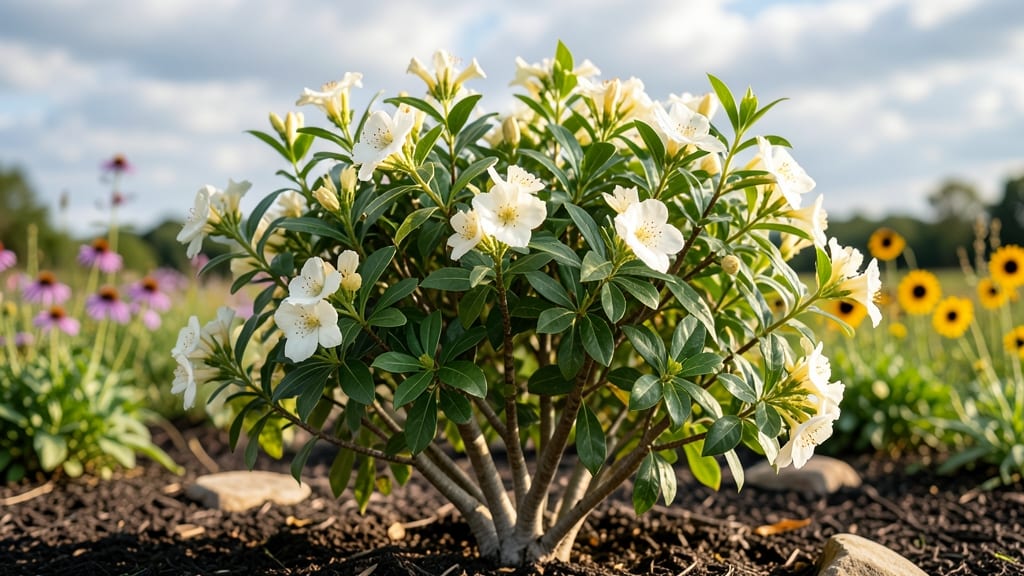
That fragrant mock orange shrub is the star of late spring—its intoxicating citrusy scent wafting through the air like nature’s own perfume. 🌸 And it’s easier to grow than you’d think. I’ve had mine perfume the yard for years, and once established, it thrives with almost no fuss.
The key is getting the planting right from the start: bright, airy blooms and that signature fragrance won’t happen if you cut corners on sunlight or soil.
The shrub loves full sun to partial shade (at least 6 hours of sunlight daily) and well-draining soil—even rocky ground won’t bother it. Water deeply once a week after planting, then taper off as roots establish.
Mulch around the base to keep moisture in and weeds out, and you’ll see those classic white, four-petaled flowers by mid-to-late spring, filling the air with a scent like orange blossoms.
Pruning is where most people stumble, but it’s simple: trim back one-third of the oldest stems right after flowering to encourage fresh growth. The shrub handles pruning well and can even be shaped into a neat hedge or left wild for a romantic, fragrant border.
With proper care, it’ll reward you for years—some varieties live for decades.
Common challenges? Aphids might visit, but a strong spray of water usually sends them packing. Powdery mildew can appear in humid climates, so space plants for airflow. The real magic, though, is watching bees and butterflies flock to those blooms—your garden will feel alive in ways store-bought flowers never could.
📚 In This Guide
- What you need
- Instructions
- Tips and common mistakes
- Wrapping up and next steps
What you need
- ● Mock orange flowers: 1 cup (fresh or dried—pro tip: fresh blooms yield the brightest scent! 🌸)
- ○ Citrus peel: 1 orange (zest only, no pith!) + ½ lemon (optional, for extra zing 🍊)
- ● Simple syrup: 1 cup (1:1 sugar-to-water ratio—store-bought or homemade)
- ● High-proof alcohol: 1 cup (vodka or neutral grain spirit—40–50% ABV works best)
- ● Water: 1 cup (filtered or spring water for clarity)
- ● Fine-mesh strainer (or cheesecloth for extra filtration)
- ● Clean glass jar (1-quart size, sterilized—think mason jar magic! 🧪)
- ● Wooden spoon (for stirring gently)
- ● Citrus zester (or a sharp knife for zesting)
- ○ Optional: Mortar & pestle (to crush flowers for deeper infusion)
- ● Fine-mesh sieve (for straining out every last bit of flower)
- ● 1–2 weeks of patience (infusion time is key for maximum aroma! ⏳)
- ● Access to fresh mock orange flowers (or a trusted dried supplier—no wilted blooms!)
- ● Basic kitchen hygiene (sterile tools = happy shrub! 🧼)
How to plant and maintain fragrant mock orange shrubs
This fragrant beauty thrives with minimal fuss—just follow these steps for lush, citrus-scented blooms year after year.
🌱 Step 1: Select and Prepare the Planting Site
Mock orange shrubs (Philadelphus) love morning sun to partial afternoon shade, especially in hotter climates. Choose a spot with well-draining soil—they hate soggy roots. If your soil is heavy clay, amend it with 2-3 inches of compost mixed into the top 12 inches of soil before planting.
Dig a hole twice as wide as the root ball but only as deep. The top of the root ball should sit 1 inch above ground level—this prevents water from pooling around the stem. Loosen the roots gently if they’re circling tightly in the pot. Here’s the thing—mock orange thrives in USDA zones 4-8, so adjust planting timing to avoid late frosts.
☀️ Step 2: Plant and Water for Strong Establishment
Place the shrub in the hole and backfill with native soil, pressing lightly to remove air pockets. Water deeply to settle the soil around roots, then add 1-2 inches of mulch (like shredded bark) to retain moisture and regulate temperature. Keep the mulch 3 inches away from the stem to prevent rot.
Water every 2-3 days for the first 4 weeks until new growth appears. You’ll know it’s established when leaves stay firm and vibrant—not wilted or yellowing. Overwatering here is the biggest mistake—mock orange roots need air, not a swamp.
✂️ Step 3: Prune for Shape and Blooms
Prune right after flowering (late spring) to shape the shrub and encourage next year’s blooms. Remove dead, crossing, or weak branches first, then cut back others by ⅓ of their length to maintain an open, airy form. Mock orange blooms on old wood, so avoid heavy pruning in fall or winter.
Real talk: If you skip pruning, the shrub gets leggy and sparse. I like to shape mine into a rounded form—this keeps it compact and maximizes those intoxicating orange-blossom-scented flowers. Use clean, sharp pruners to avoid tearing bark.
💧 Step 4: Feed and Protect for Long-Term Health
Apply a balanced, slow-release fertilizer (10-10-10) in early spring before new growth starts. Too much nitrogen makes leaves lush but flowers sparse—mock orange rewards you with fragrance, not foliage. Water deeply once a month during dry spells, but reduce in winter unless your climate is extremely cold.
Watch for aphids or scale insects—they love new growth. Spray with neem oil at the first sign of pests. Here’s where it gets fun: The fragrance deters many pests naturally, but a quick check every 2 weeks keeps problems small.
⏰ Step 5: Winter Care for Cold Climates
In zones 4-5, protect young shrubs with 4-6 inches of mulch around the base after the ground freezes. Older shrubs handle cold well, but a light burlap wrap around the canopy prevents windburn. In zones 6-8, minimal care is needed—just reduce watering and avoid pruning until spring.
You’ll know winter care is working when buds swell in early spring—that’s your cue to remove mulch and prep for another season of intense citrusy blooms. Mock orange is one of those plants that rewards patience with effortless elegance.
Tips & tricks for growing fragrant mock orange shrubs
These practical insights will help you cultivate the most vibrant, fragrant mock orange shrubs in your garden.
Soil Preparation Secret: Before planting, mix 2-3 inches of compost into the top 12 inches of soil to improve drainage and nutrient content. For heavy clay soils, consider adding 10-20% perlite or sand to create that ideal well-draining environment. Remember, mock orange roots despise soggy conditions—this simple amendment makes all the difference in establishing strong root systems.
Planting Position: In Step 1, when selecting your planting site, prioritize locations with morning sun exposure but afternoon shade, especially in warmer climates. The ideal spot should receive 4-6 hours of direct sunlight daily. This balance prevents leaf scorch while maintaining enough energy for those signature citrusy blooms. Observe your garden's sun patterns before committing to a location.
Pruning Technique: When you're ready to prune in Step 3, focus on creating an open, airy structure by cutting branches back by ⅓ of their length. This encourages better air circulation and more abundant flowering. I've found that shaping the shrub into a rounded form not only looks beautiful but also maximizes the surface area for those fragrant blooms. Always use clean, sharp pruners to make precise cuts just above a leaf node.
Fertilizer Strategy: The balanced 10-10-10 fertilizer mentioned in Step 4 is perfect, but timing is everything. Apply it in early spring when you first see new growth emerging. Too much nitrogen later in the season can lead to leafy growth at the expense of those intoxicating orange blossoms. Think of this as a flavor investment—you're nurturing the fragrance, not just the foliage.
Pro Tips for Fragrant Mock Orange Shrub
- These practical insights will help you cultivate the most vibrant, fragrant mock orange shrubs in your garden.
- Soil Preparation Secret: Before planting, mix 2-3 inches of compost into the top 12 inches of soil to improve drainage and nutrient content.
- Planting Position: In Step 1, when selecting your planting site, prioritize locations with morning sun exposure but afternoon shade, especially in warmer climates.
Frequently asked questions
How long does it take for mock orange shrub to develop its signature citrusy aroma?
The magic happens in 4–6 weeks, but the full floral-citrus bouquet peaks at 8–12 weeks. Patience is key—taste test weekly! If it smells faint, try adding a splash of orange blossom water (2 tsp per bottle) to boost fragrance. Store in a cool, dark place to preserve the aroma.
Can I speed up the fermentation process for a quicker shrub?
Not without risk! Mock orange shrubs rely on natural fermentation for depth and safety. However, you can reduce fermentation time to 3–4 weeks by:
- Using pasteurized citrus juice (instead of raw) to lower microbial activity.
- Storing the shrub in the refrigerator after 2 weeks to slow fermentation.
- Avoiding high temperatures (above 75°F/24°C), which can spoil the shrub.
Pro tip: If you’re impatient, try a mock orange-infused simple syrup (no fermentation) for a sweeter, quicker citrusy kick!
What’s the best substitute if I can’t find fresh mock orange flowers?
No mock orange? No problem! Try these fragrant alternatives for a similar citrusy profile:
| Substitute | Ratio | Flavor Notes |
|---|---|---|
| Orange blossom water | 1 tsp per cup of liquid | Delicate floral-orange aroma |
| Bitter orange peel (dried) | 2 tbsp per bottle | Bold citrus with bergamot hints |
| Neroli oil (food-grade, sparingly!) | 1 drop per 8 oz | Intense orange blossom scent |
Warning: Avoid neroli oil if you’re sensitive to essential oils—it’s potent!
My mock orange shrub has mold or a sour smell—what went wrong?
Don’t panic! Mold or off smells usually mean contamination or over-fermentation. Here’s how to fix it:
Surface mold?
Skim it off immediately and pasteurize the shrub (heat to 160°F/71°C for 10 mins, then cool).
Sour or vinegary smell?
The yeast overtook the fermentation. Strain out the liquid, reboil with fresh sugar (1 cup sugar per 2 cups liquid), and refill the bottle.
Pro tip: If the shrub is still drinkable but funky, use it for cocktails or marinades where the flavor can shine!
How long will my finished mock orange shrub last?
With proper care, your shrub stays fresh for 6–12 months in the fridge. Look for these signs it’s time to compost:
- Cloudy or separated liquid.
- Overpowering alcohol or vinegar taste.
- Mold that won’t budge with skimming.
Bonus: Freeze shrub in ice cube trays for longer shelf life—perfect for cocktails!
Wrapping up and next steps
Ready to transform your garden—or even your kitchen—into a fragrant paradise?
The fragrant mock orange shrub isn’t just a stunning addition to your outdoor space; it’s a versatile ingredient that elevates homemade shrubs, cocktails, and infused syrups with its citrusy, floral charm. 🌸 With just a few blooms, you’ve got the power to craft something truly special.
Now that you’re armed with the how-to and answers to common questions, why not grab a pair of pruners and start harvesting those blooms today?
Whether you’re a seasoned fermenter or a curious beginner, every sip of your homemade mock orange shrub will taste like summer in a bottle. Cheers to your next citrusy creation! 🍹✨