
Trees
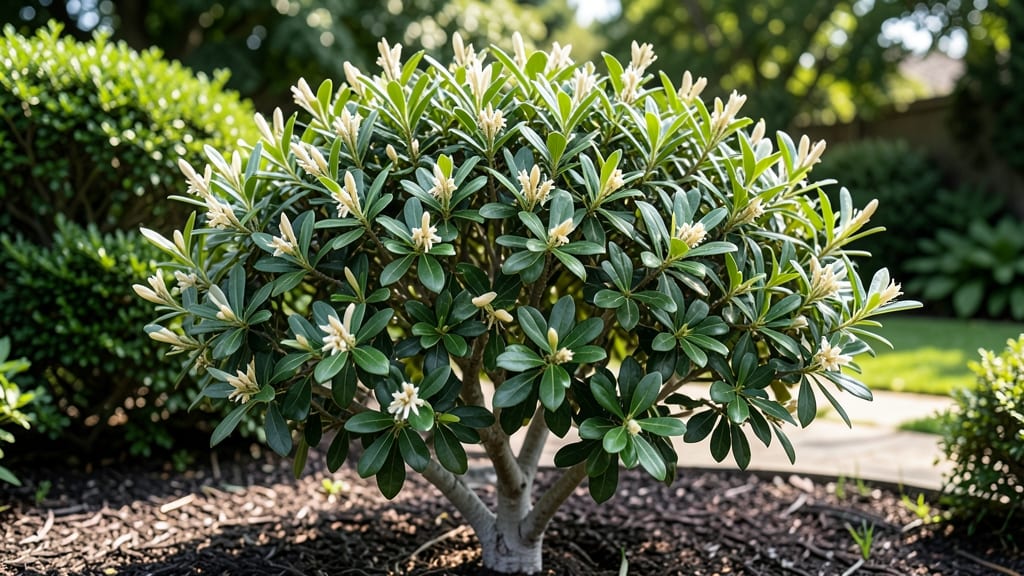
Your garden just became a year-round perfume factory. 🌿 The fragrant tea olive shrub (Osmanthus fragrans) turns ordinary spaces into fragrant havens with its intoxicating blooms and sturdy, disease-resistant branches—no special skills required.
Picture this: juniper-like flowers that smell like sweet tea, even in winter. This evergreen shrub thrives in full sun to partial shade, tolerates most soils, and grows slowly but steadily—perfect for hedges, borders, or even containers on patios.
The key? Plant it in well-draining soil and water deeply but infrequently once established.
Pruning is simple: trim back leggy branches in late winter to encourage bushier growth and more blooms. The shrub’s glossy leaves and fragrant flowers attract pollinators year-round, making it a low-maintenance star for any landscape. Pests rarely bother it, and deer usually leave it alone.
Within 3-5 years, you’ll have a lush, fragrant shrub that outshines most ornamentals. Start with a healthy nursery plant, and you’ll enjoy its perfume for decades—with almost no effort. Ready to transform your yard into a fragrant retreat?
📚 In This Guide
- What you need
- Instructions
- Tips and common mistakes
- Wrapping up and next steps
What you need
- ● Tea olive shrub (Osmanthus fragrans): 1-3 nursery-grown plants (3-5 ft tall, containerized or bare-root). Pro tip: Choose disease-resistant varieties like ‘Gulftide’ or ‘Variegatus’ for hardiness.
- ● Well-draining potting mix: 2-3 bags (50 lbs each) of a blend designed for shrubs or trees (e.g., 60% topsoil, 30% compost, 10% perlite/sand).
- ● Organic mulch: 1-2 bags (2-3 cu. ft.) of wood chips or shredded bark to retain moisture and suppress weeds.
- ● Slow-release fertilizer: 1 bag (20 lbs) of 10-10-10 or a balanced organic option like fish emulsion.
- ● Garden gloves: 1 pair (heavy-duty, chemical-resistant).
- ● Trowel or spade: 1 medium-sized (8-10” blade) for planting.
- ● Pruning shears: 1 pair (bypass-style, sterilized) for shaping and disease prevention.
- ● Watering can or hose with nozzle: For gentle, deep watering (avoid overhead sprinklers).
- ○ pH testing kit (optional but helpful): To check soil pH (ideal range: 5.5–6.5).
- ● Sunlight: A location with full sun to partial shade (6+ hours of sunlight daily for optimal fragrance).
- ● Climate suitability: USDA Hardiness Zones 7–10 (or container-grown for colder zones).
- ● Space: 6–10 ft in width and height at maturity (plan for airflow to prevent fungal issues).
- ● Drainage: Avoid low-lying areas or heavy clay soil (amend with compost if needed).
- ● Epsom salt (for magnesium boost, 1 tbsp per plant every 2 months).
- ● Neem oil spray (for pest prevention, especially against scale insects).
- ● Decorative rocks or edging (to enhance garden aesthetics).
Step-by-Step guide to planting and caring for tea olive shrubs
Tea olive shrubs bring year-round fragrance and resilience to any landscape—here’s how to plant them for maximum beauty.
🌱 Step 1: Choose the Perfect Planting Location
Tea olives thrive in full sun to partial shade, with at least 6 hours of direct sunlight daily. I always plant mine where they’ll receive morning sun and afternoon shade—this prevents leaf scorch while keeping the foliage fragrant. Avoid low-lying areas where cold air settles, as tea olives are sensitive to frost.
Check the soil pH before planting—tea olives prefer 6.0-7.5. If your soil is too acidic, amend it with crushed limestone. Dig a hole twice as wide as the root ball but only as deep as the container it came in. The top of the root ball should sit slightly above ground level to prevent waterlogging.
🪴 Step 2: Prepare the Soil and Plant with Care
Mix the native soil with compost or well-rotted manure to improve drainage and fertility. Tea olives hate soggy roots, so avoid heavy clay soils unless you’ve amended them thoroughly. Place the shrub in the hole, ensuring the root flare (where roots meet stem) is visible above the soil line.
Backfill the hole gently, tamping down the soil in layers to eliminate air pockets. Water deeply immediately after planting to settle the soil and encourage root contact. You’ll know it’s done right when the soil surface looks slightly compressed but not hardened.
☀️ Step 3: Water and Mulch for Long-Term Health
Water the tea olive deeply once a week during the first growing season, allowing the top 6 inches of soil to dry out between waterings. Overwatering is the fastest way to kill these shrubs—yellowing leaves are your first warning sign. Once established, tea olives are drought-tolerant but will reward you with richer fragrance if kept consistently moist.
Apply a 2-3 inch layer of mulch around the base, keeping it 6 inches away from the trunk to prevent rot. I use shredded bark or pine needles—they suppress weeds while slowly releasing moisture. Replenish mulch annually to maintain its insulating properties.
✂️ Step 4: Prune for Shape and Fragrance
Prune tea olives in late winter or early spring before new growth begins. Remove any dead, diseased, or crossing branches first—they weaken the plant and spread pathogens. Then, shape the shrub by cutting back overgrown stems to just above a leaf node, which encourages bushier, more fragrant foliage.
Never prune more than 25% of the plant at once. Tea olives respond well to light pruning but can become stressed if overtrimmed. After pruning, give the shrub a light fertilizer application to support new growth. You’ll notice the fragrance intensifies within a few weeks of proper pruning.
🌿 Step 5: Protect and Maintain Year-Round
Tea olives are remarkably disease-resistant, but they do need protection from harsh winters. In USDA zones 7 and below, wrap young shrubs in burlap or apply a thick layer of mulch around the base. Mature plants usually handle winter well, but a dusting of frost cloth on cold nights adds an extra layer of security.
Fertilize lightly in early spring with a balanced, slow-release fertilizer. Tea olives don’t need heavy feeding—too much nitrogen leads to leafy growth at the expense of fragrance. Watch for pests like spider mites, which thrive in dry conditions. A strong spray of water usually dislodges them, but neem oil works if the infestation persists.
Tips & tricks for perfect tea olive shrub planting
These practical insights will help you maximize fragrance and resilience from day one.
Sunlight Strategy: While tea olives tolerate partial shade, I've found the sweet spot is actually morning sun with afternoon shade—this prevents leaf scorch while maintaining that signature fragrance. If planting in hot climates, consider dappled shade from taller trees during peak afternoon hours (2-5pm). The 6 hours of direct sunlight can be spread across morning and late afternoon for optimal results.
Soil Preparation Secret: The key to preventing waterlogged roots lies in the soil mix. For heavy clay soils, I blend equal parts native soil, compost, and perlite to create a well-draining medium. You can test your soil's drainage by filling a jar with soil and water—if water drains in less than 2 hours, your soil is suitable. Tea olives will reward you with stronger fragrance when roots aren't struggling to breathe.
Watering Wisdom: That once-weekly watering guideline assumes average rainfall conditions. In my experience, the top 6 inches of soil should actually feel dry to the touch before watering—not just the surface. Use your finger to check moisture at 4-6 inches deep, especially during the first growing season. Overwatering is the silent killer of tea olives, often showing up as yellowing leaves before root rot sets in.
Pruning Precision: When shaping your shrub in Step 4, I recommend using sharp, clean pruners and making cuts at a 45-degree angle just above a leaf node. This angle helps water run off the cut and prevents disease entry. The 25% pruning limit is strict but crucial—tea olives are resilient but can become stressed if you remove too much foliage at once. Think of it as a haircut: you wouldn't shave your head in one session!
Pro Tips for Fragrant Tea Olive Shrub
- These practical insights will help you maximize fragrance and resilience from day one.
- Sunlight Strategy: While tea olives tolerate partial shade, I've found the sweet spot is actually morning sun with af...
- Soil Preparation Secret: The key to preventing waterlogged roots lies in the soil mix. For heavy clay soils, I blend ...
Frequently asked questions
How fast does a tea olive shrub grow, and how big will it get?
A Osmanthus fragrans (tea olive) grows at a moderate pace—about 12–24 inches per year under ideal conditions. With proper pruning, it typically reaches 6–10 feet tall and wide, making it perfect for hedges, borders, or container gardens. Patience pays off, though—full fragrance and size take 3–5 years!
Can I grow a tea olive shrub in a container? If so, what size pot do I need?
Tea olive shrubs thrive in containers, especially in colder climates where winter protection is needed. Use a pot at least 18–24 inches wide and deep with drainage holes. Opt for terracotta or fabric grow bags to prevent root rot. Repot every 2–3 years in spring, and choose a well-draining potting mix with 10–20% perlite or sand.
Why aren’t my tea olive leaves fragrant? Is there a fix?
Fragrance fades due to poor sunlight, over-fertilizing (especially with nitrogen), or stress. To revive it:
- Move to full sun (6+ hours/day)—partial shade dulls scent.
- Avoid heavy-handed fertilizing; use a balanced 10-10-10 formula in early spring.
- Prune overcrowded branches to improve airflow and sunlight penetration.
With adjustments, your shrub should regain its signature jasmine-like aroma within a growing season!
Are tea olive shrubs prone to pests or diseases? How do I prevent them?
One of their biggest perks? Disease resistance! However, they can attract scale insects, spider mites, or aphids. Prevent issues with:
- Regular pruning to improve airflow.
- Spraying neem oil or insecticidal soap early if pests appear.
- Avoiding overwatering (they prefer moderate moisture).
If cankers or fungal spots develop, remove affected branches and apply copper fungicide.
How cold-hardy is the tea olive shrub? Can it survive winter?
Most Osmanthus fragrans varieties tolerate USDA Zones 7–9, withstanding temps down to 0°F (-18°C). For colder climates (Zone 6 or below):
- Plant in sheltered spots (e.g., near south-facing walls).
- Mulch heavily with wood chips or straw in fall.
- Wrap the base with burlap or frost cloth in extreme freezes.
Container-grown shrubs may need indoor overwintering in freezing areas.
Wrapping up and next steps
The fragrant tea olive shrub is a true gem for gardeners—offering year-round beauty, disease-resistant canes, and intoxicating aromas that elevate any outdoor space. Whether you’re drawn to its scented leaves, low-maintenance growth, or versatile landscaping potential, this shrub delivers effortless elegance with minimal fuss.
Ready to transform your garden? Start small: plant one today, and let its charm inspire bigger ideas—like creating a fragrant hedge or even a tea garden! 🌿✨