
Shrubs
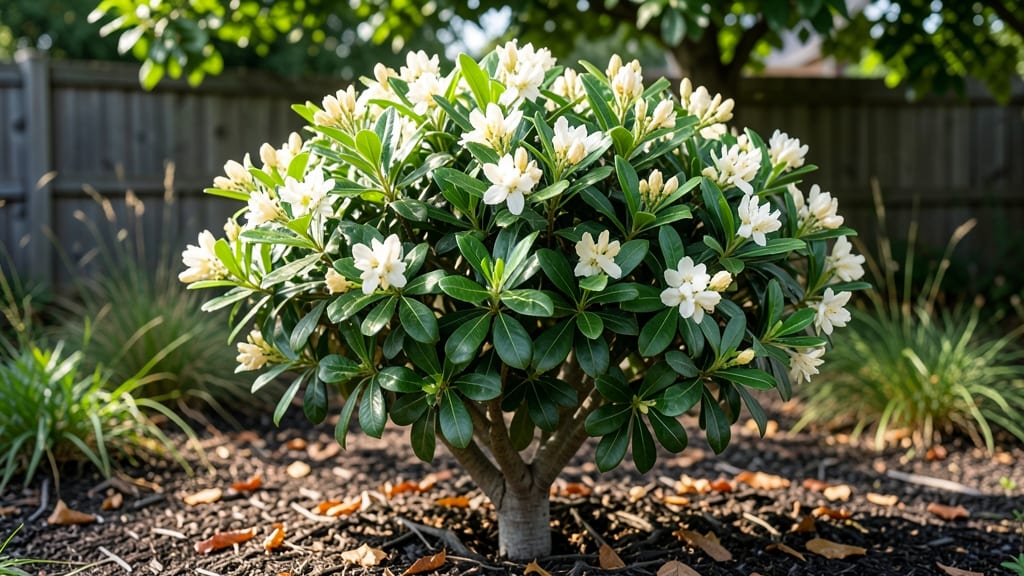
Growing sweet mock orange shrubs (Philadelphus) means filling your garden with fragrant, citrus-scented blooms that hummingbirds adore. 🌸 These hardy shrubs thrive in partial shade and tolerate a range of soils, making them perfect for both beginner and experienced gardeners.
Their delicate white flowers release a scent that lingers in the air, creating a serene atmosphere in your outdoor space.
The key to success lies in proper placement and care. Plant them in well-draining soil with consistent moisture, especially during their first year. Sweet mock orange shrubs grow 3-6 feet tall and wide, so give them space to spread without overcrowding.
Prune lightly after flowering to maintain their shape and encourage bushier growth.
Once established, these shrubs require minimal maintenance, making them ideal for low-maintenance gardens. Their ability to thrive in USDA zones 4-8 means they adapt well to various climates, from cool mountain regions to warmer suburban yards. With the right care, they’ll reward you with years of effortless beauty and fragrance.
For best results, plant in early spring or fall when temperatures are mild. Mulch around the base to retain moisture and suppress weeds, and watch as your garden transforms into a fragrant oasis. Their versatility makes them perfect for hedges, borders, or standalone specimen plants in any landscape design.
📚 In This Guide
- What you need
- Instructions
- Tips and common mistakes
- Wrapping up and next steps
What you need
- ● Sweet mock orange flowers – 1 cup (packed) (fresh or dried; if dried, use ½ cup for equivalent potency)
- ● Citrus peel – 1 orange + 1 lemon (zest only, no pith)
- ● Honey or simple syrup – 1 cup (adjust to taste; raw honey adds depth 🍯)
- ● Water – 1 cup (for simple syrup, if not using honey)
- ○ Citric acid (optional) – ¼ tsp (preserves freshness and brightens flavor)
- ● Heavy-bottomed saucepan (prevents scorching)
- ● Fine-mesh strainer or cheesecloth (for filtering delicate floral bits)
- ● Wooden spoon or spatula (gentle stirring = no burnt flavors)
- ● Glass jar or bottle – 8–16 oz (sterilized, for storage)
- ○ Funnel (optional) – for easy pouring ✨
- ● Small knife or peeler – for zesting citrus
- ● Access to fresh mock orange flowers (or a trusted dried supplier—avoid artificial fragrances!)
- ● Basic kitchen safety (e.g., handling hot liquids 🔥)
- ● Patience! Steeping time is key for maximum floral aroma.
How to grow and care for sweet mock orange shrubs
Transform your garden into a fragrant paradise with this fragrant, low-maintenance shrub—here's my foolproof approach.
🌱 Step 1: Choose the Perfect Planting Location
Sweet mock orange thrives in full sun to partial shade, with at least 6 hours of direct sunlight daily. I always plant mine where the morning sun warms the soil—this helps establish roots quickly. The shrub adapts well to various soil types but prefers well-draining soil with a slightly acidic to neutral pH (6.0-7.5). If your soil is heavy clay, amend it with 2-3 inches of compost before planting.
Dig a hole twice as wide and just as deep as the root ball. Gently loosen the roots if they're circling—this encourages outward growth. Place the shrub so the top of the root ball sits 1 inch above ground level. The reason for this slight elevation? It prevents water from pooling around the stem, which can cause rot.
💧 Step 2: Water Deeply and Establish a Consistent Routine
After planting, water deeply until moisture reaches 12 inches down. You'll know it's enough when water runs out the drainage holes if you're in a container, or when the top 6 inches of soil feel saturated. During the first growing season, keep the soil consistently moist but never soggy—aim for 1 inch of water per week, including rainfall. Sweet mock orange is drought-tolerant once established, but young plants need regular watering.
I like to water in the early morning so the leaves dry quickly, reducing the risk of fungal diseases. Use a soaker hose or drip irrigation for slow, deep watering—this prevents surface evaporation and encourages deep root growth. After the first year, you can reduce watering to every 2-3 weeks unless you're in an extremely hot, dry climate.
☀️ Step 3: Prune for Shape and Encourage Blooms
Prune your sweet mock orange in late winter or early spring, just as new growth begins to appear. This timing ensures you don't cut off next year's flower buds. Remove any dead, diseased, or crossing branches first—these can harbor pests or block airflow. Then, shape the shrub by cutting back up to ⅓ of the previous year's growth to encourage bushier growth and more abundant blooms.
For established shrubs, I also do a light pruning in summer after flowering to maintain size and shape. Never prune into old wood—sweet mock orange blooms on new growth, so you'll get fewer flowers if you cut back too aggressively. Use clean, sharp pruners to make cuts at a 45-degree angle just above a leaf node or bud.
✂️ Step 4: Fertilize for Healthy Growth and Fragrance
Feed your sweet mock orange in early spring with a balanced, slow-release fertilizer (10-10-10 or similar). Apply ½ cup per year of growth around the drip line, not directly on the root ball. This encourages root growth outward rather than inward. I also top-dress with 2-3 inches of compost annually in spring to improve soil fertility and structure.
Skip fertilizing in the fall or winter—this shrub doesn't need extra nutrients when it's dormant. If your plant looks pale or leggy, it might need more nitrogen, but yellow leaves often signal overwatering or poor drainage. Always water thoroughly after fertilizing to help nutrients penetrate the soil and prevent root burn.
🪴 Step 5: Protect and Maintain for Long-Term Beauty
Sweet mock orange is generally pest- and disease-resistant, but watch for aphids or spider mites during hot, dry spells. If you spot these, blast them off with a strong stream of water or treat with neem oil. Mulch around the base with 2-3 inches of organic mulch (like shredded bark or wood chips) to retain moisture, suppress weeds, and regulate soil temperature.
This shrub is hardy in USDA zones 6-9, but young plants may need winter protection in colder areas. Wrap the base with burlap or use a thick layer of mulch to insulate roots. In warmer climates, provide afternoon shade during the hottest months to prevent leaf scorch. With proper care, your sweet mock orange will reward you with sweetly fragrant blooms for decades.
Tips & tricks for perfect sweet mock orange syrup
These game-changing tips will help you harness the full citrusy floral potential of your sweet mock orange shrub—transforming those fragrant blooms into a versatile syrup that elevates cocktails and desserts to new heights.
Harvest Timing Matters: The key to maximum flavor is harvesting blooms in the morning when their citrusy aroma is strongest. I collect them just as they open fully—this ensures peak fragrance and sweetness. Use clean, sharp scissors to snip clusters, then immediately process them to preserve those volatile citrus notes. The fresher the flowers, the more vibrant your syrup will be.
Bloom to Syrup Ratio: For every cup of blooms, use 2 cups of water and 1 cup of sugar in the syrup recipe. This ratio creates the perfect balance between floral intensity and drinkability. If you're harvesting from multiple shrubs, weigh your blooms—about 3 ounces of fresh flowers per cup of water works beautifully. The sugar not only sweetens but also helps extract the citrusy oils from the petals.
Infusion Technique: Don't just steep the flowers—infuse them properly! Bring the water to a gentle simmer first, then remove from heat and let the flowers steep for 30 minutes. This hot infusion method extracts more flavor than cold steeping. After straining, return the liquid to a simmer and add sugar gradually, stirring until fully dissolved. The gradual heat application prevents the delicate citrus notes from becoming bitter.
Storage Wisdom: Store your finished syrup in clean glass bottles in the refrigerator for up to 3 weeks. For longer storage, freeze in ice cube trays—pop out individual cubes as needed for cocktails. The syrup will maintain its vibrant color and citrusy aroma when properly refrigerated. When using in recipes, bring to room temperature before mixing to preserve the floral notes.
Pro Tips for Sweet Mock Orange Shrub
- These game-changing tips will help you harness the full citrusy floral potential of your sweet mock orange shrub—tran...
- Harvest Timing Matters: The key to maximum flavor is harvesting blooms in the morning when their citrusy aroma is str...
- Bloom to Syrup Ratio: For every cup of blooms, use 2 cups of water and 1 cup of sugar in the syrup recipe. This ratio...
Frequently asked questions
Got questions about crafting your sweet mock orange shrub? You’re not alone—this fragrant, citrusy syrup is a game-changer for cocktails and desserts! Below, we’ve tackled the most common queries to help you nail your batch every time.
How long does sweet mock orange shrub last?
When stored properly in an airtight container in the fridge, your shrub will stay fresh for about 3–4 weeks. For longer shelf life, freeze it in ice cube trays—just thaw overnight before use. Pro tip: The syrup’s vibrant color may fade slightly over time, but flavor stays strong!
Can I make this shrub without alcohol?
Skip the vodka and use double the water (1 cup instead of ½) to compensate for the missing alcohol’s preservative properties. Your shrub will last 2–3 weeks in the fridge. For extra preservation, add ¼ tsp citric acid or a pinch of salt.
What’s the best way to use sweet mock orange shrub in cocktails?
Start with 1–2 oz per drink—it’s potent! Try it in a gin sour (swap simple syrup), sparkling water with soda, or a rum punch. For a mocktail twist, mix with tonic, lime, and mint. Pro tip: Rim glasses with sugar and a splash of shrub for a citrusy kick!
Why did my shrub turn cloudy or separate?
Cloudiness usually means yeast or bacteria (if alcohol was used) or natural citrus separation (if alcohol-free). To fix it, strain through a fine-mesh sieve and reboil the liquid with extra sugar if needed. Prevent it by sterilizing jars and using fresh, organic citrus. If mold appears, toss it—safety first!
Can I use this shrub in desserts instead of cocktails?
Yes! Drizzle over panna cotta, cheesecake, or ice cream for a floral-citrus twist. Fold into yogurt parfaits or use as a glaze for cakes or donuts. For a sorbet, blend with lime juice and freeze. Pro tip: Reduce the syrup slightly (simmer 5 mins) to thicken it for baking.
Wrapping up and next steps
The sweet mock orange shrub is your ticket to vibrant, citrusy flavors that elevate cocktails, desserts, and even savory dishes! With just a few simple ingredients—like fragrant mock orange blossoms and bright citrus—you’ve unlocked a versatile, aromatic syrup that’s as easy to make as it is delicious. 🌸
Ready to impress? Start experimenting—mix it into your favorite gin & tonic, drizzle over pancakes, or even infuse it into homemade granita. Your taste buds (and guests!) will thank you.