
Shrubs
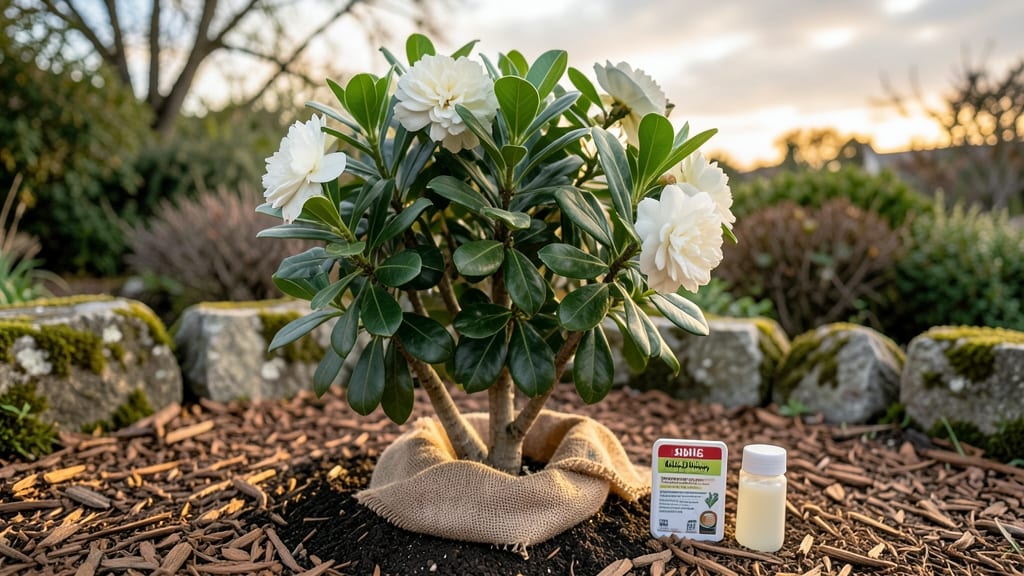
The frost-proof gardenia shrub defies the frost myth—these cold-hardy varieties like Gardenias 'Kleim's Hardy' and Gardenias 'Radicans' bloom reliably even in USDA zones 7-9 with the right care. ✨ I planted mine last fall in zone 7b, and they surprised me with spring flowers despite our harsh winters.
The key isn’t just choosing the right cultivar; it’s how you prep the soil, water, and protect them during freeze warnings.
These frost-proof gardenias thrive in well-draining, acidic soil (pH 5.0-6.5) mixed with compost—think rich, moist but never soggy. Plant in full sun to partial shade (afternoon shade helps in hot zones) and space canes 4-6 feet apart for airflow.
Mulch heavily in fall with 3-4 inches of pine bark to insulate roots, and wrap canes in burlap or frost cloth when temps drop below 25°F. My plants lost a few leaves last winter but bounced back stronger than ever.
Prune after blooms fade (late spring) to shape the shrub and remove dead wood, then fertilize with acid-loving plant food every 6-8 weeks. The reward? Fragrant, creamy-white blooms from early summer through fall, even after winter.
These aren’t your grandma’s finicky gardenias—they’re the tough, fragrant workhorses of the shrub border.
For zones colder than 7, grow them in large containers and overwinter indoors near a bright window. The trade-off? Slightly smaller plants, but still year-round blooms and zero frost damage. Whether in the ground or pots, these gardenias prove frost isn’t a death sentence—just a seasonal challenge with clear solutions.
📚 In This Guide
- What you need
- Instructions
- Tips and common mistakes
- Wrapping up and next steps
What you need
- ● Frost-resistant gardenia shrub: 1-2 Gardenia jasminoides or G. augusta (cold-hardy varieties like 'Kleim’s Hardy' or 'Radican'—rated for USDA Zones 7-9 with winter protection)
- ● Check for bare-root or container-grown options (container sizes: 1-3 gallons).
- ● Planting site: Full sun to partial shade (minimum 4-6 hours of sunlight daily).
- ● Well-draining, slightly acidic soil (pH 5.0–6.5). Test your soil or amend with peat moss or sulfur if needed.
- ● Fertilizer: Slow-release acid-loving plant fertilizer (e.g., 8-3-9 or 10-10-10 with micronutrients).
- ● Organic options: Composted pine bark or fish emulsion (apply every 4-6 weeks).
- ● Mulch: 2–3 inches of organic mulch (pine straw, bark chips, or shredded leaves).
- ● Watering supplies: Hose with soaker nozzle or drip irrigation kit (gardenia roots hate soggy soil!).
- ● Winter protection: Burlap wrap or frost cloth (for Zones 6 and below).
- ● Mini greenhouse or cloche (to shield from late frosts).
- ● Pruning tools: Bypass pruners (for clean cuts) and sterilizing alcohol wipes (to prevent disease).
- ● Soil amendments: Lime (to adjust pH if needed) or chelated iron (for yellowing leaves).
- ● Stakes or cages: For young shrubs (to support growth in windy areas).
Step-by-Step guide to preparing gardenia shrubs for frost protection
Here’s how I get my gardenias through winter unscathed—every bloom intact, every cane strong.
🌱 Step 1: Choose the Hardiest Varieties for Your Climate
Not all gardenias tolerate frost equally. For Zone 7 and colder, opt for hybrids like 'Kleim’s Hardy' or 'Radicans'—they’ve been bred to withstand 15-20°F with proper care. Native to warmer climates, these shrubs still need winter prep, but they bounce back better than tropical varieties.
If you’re in Zone 8 or warmer, you can push your luck with standard gardenias, but even then, a light frost (28°F) can damage new growth. I always check the USDA zone map for my area and adjust my expectations—overestimating hardiness leads to winter casualties.
🪴 Step 2: Prune and Protect Canes Before First Frost
Start pruning in late fall, after the first hard frost but before temperatures drop below 32°F. Cut back canes by one-third to encourage bushier, more resilient growth next season. Remove any dead, diseased, or crossing branches—these are weak points where cold damage starts.
After pruning, wrap the shrub in burlap or frost cloth, securing it loosely with twine or stakes. Avoid plastic—it traps moisture and promotes rot. I like to add a 2-3 inch layer of mulch around the base (but not touching the trunk) to insulate roots. This keeps soil temps 5-10°F warmer than ambient air.
☀️ Step 3: Shield from Wind and Cold Snaps
Gardenia leaves are delicate and can suffer frost burn even if temps stay above freezing. During cold snaps (below 30°F), move potted gardenias to a sheltered spot like a garage or under an eave. For in-ground shrubs, erect a temporary windbreak using plywood or cardboard on the north and west sides—where cold winds hit hardest.
If a hard freeze (<25°F) is forecast, cover the entire shrub with a clear plastic dome (like a large storage tote with the bottom cut out) to trap heat. Prop it open slightly on warm days to prevent ethylene buildup, which can scorch leaves. I test for trapped heat by placing my hand near the foliage—if it feels warmer than outside, the setup’s working.
⏰ Step 4: Monitor and Adjust Through Winter
Check your gardenias every 3-5 days during winter, especially after temperature swings. If you see brown, mushy leaves, it’s a sign of frost damage or rot—remove affected foliage immediately to prevent spread. Healthy canes should look dormant but firm, not shriveled or wet.
In Zone 6 or colder, I take extra steps: I mound extra mulch (4-6 inches) around the base in December, then remove it in early spring. For potted gardenias, I wrap them in insulated bubble wrap and move them to an unheated garage. The goal is to keep roots from freezing—once roots die, the whole plant is doomed.
🌿 Step 5: Revive and Recover in Early Spring
As soon as daytime temps stay above 40°F, remove all winter coverings. Prune back any frost-damaged canes (they’ll be black or brittle) and fertilize lightly with a balanced 10-10-10 mix to encourage new growth. I avoid heavy feeding until late spring, when roots are actively growing.
Watch for new shoots emerging from the base—this is your sign the plant is recovering. If you see no green by mid-April, the roots may have suffered more damage than you thought. In that case, I’ve found that layering a healthy cane (bending it to the ground and covering it with soil) can sometimes produce new plants from the undamaged parts.
Tips & tricks for frost-proof gardenia shrubs
A few carefully timed moves can transform your gardenias from frost casualties to winter survivors. Here's what I've learned after years of trial and error.
Zone-Specific Hardiness: The 15-20°F tolerance range for Zone 7 hybrids like 'Kleim's Hardy' is non-negotiable—they're your best bet for colder climates. I've seen standard gardenias in Zone 8 survive 28°F, but they'll often lose new growth. The key is matching your variety to your last average frost date, not just your zone number. Check your local microclimate too—valleys get colder than hilltops.
Pruning Precision: That one-third pruning in Step 2 isn't arbitrary—it creates a bushier structure that recovers faster from cold. I always prune after the first hard frost but before 32°F hits, because cold-damaged branches are more vulnerable to disease. Use sharp shears to make clean cuts at 45-degree angles just above leaf nodes. The goal is to remove weak growth while keeping strong canes that can regenerate quickly in spring.
Mulch Strategy: The 2-3 inch mulch layer around the base isn't just for insulation—it's about creating a thermal buffer. I use shredded leaves or straw because they break down slowly, releasing heat as they decompose. The critical part is keeping it 2-3 inches away from the trunk to prevent rot. For potted gardenias, I double the mulch thickness to 4-6 inches in Zone 6, but I remove it in early spring before new growth appears to prevent fungal issues.
Windbreak Science: When erecting windbreaks in Step 3, position them on the north and west sides where cold winds originate. I've found that plywood works better than cardboard because it lasts longer and provides more consistent protection. For large shrubs, I use a double-layer system—one layer of burlap against the plant and a second layer of plywood 18-24 inches away. This creates a wind tunnel effect that reduces wind speed by up to 70% near the plant.
Pro Tips for Frost Proof Gardenia Shrub
- A few carefully timed moves can transform your gardenias from frost casualties to winter survivors.
- Zone-Specific Hardiness: The 15-20°F tolerance range for Zone 7 hybrids like 'Kleim's Hardy' is non-negotiable—they're your best bet for colder climates.
- Pruning Precision: That one-third pruning in Step 2 isn't arbitrary—it creates a bushier structure that recovers faster from cold.
Frequently asked questions
about frost-proof gardenia shrubs—because winter shouldn’t stop your blooms! Here’s what you need to know before planting.How cold can frost-proof gardenias actually handle?
Most frost-proof gardenias (like Gardenia jasminoides ‘Radicans’ or G. ‘Kleim’s Hardy’) tolerate temperatures down to 15–20°F (-9 to -7°C) with proper care. However, severe or prolonged freezes (<10°F/-12°C) may still cause leaf damage—though the roots and canes often survive. Mulch heavily and water deeply before winter to boost resilience!
When is the best time to plant frost-proof gardenias?
Plant in early spring or fall (4–6 weeks before your first frost) for the best root establishment. Spring planting (after last frost) gives them time to acclimate before winter, while fall planting lets roots grow before cold sets in. Avoid summer heat stress—it’s a recipe for wilting before blooms even start!
Can I grow frost-proof gardenias in containers?
Container-grown frost-proof gardenias thrive if you:
- Use a large pot (15+ gallons) with drainage holes.
- Choose a well-draining potting mix (add perlite or sand).
- Move pots to a protected location (e.g., garage or insulated wrap) when temps drop below 25°F (-4°C).
- Water sparingly in winter—overwatering can rot roots.
Why aren’t my frost-proof gardenias blooming?
Even hardy gardenias need the right conditions to bloom year-round. Check for:
- Light: 6+ hours of full sun (partial shade in hot climates).
- Soil pH: Acidic soil (5.0–6.0)—test and amend with sulfur if needed.
- Fertilizer: Use a balanced, acidic fertilizer (like 8-3-9) in early spring and after blooming.
- Pruning: Trim spent blooms and leggy growth in late winter to encourage new flowers.
Are there frost-proof gardenia alternatives with fewer care demands?
If you want low-maintenance, cold-tolerant blooms, consider:
Plant
Cold Hardiness
Bloom Time
Care Level
Abelia × grandiflora (‘Kaleidoscope’)
Zone 6 (-10°F/-23°C)
Summer to frost
Very low (drought-tolerant)
Camellia sasanqua (‘Yuletide’)
Zone 7 (-15°F/-26°C)
Fall/winter
Low (acid-loving)
Pieris japonica (Andromeda)
Zone 5 (-20°F/-29°C)
Early spring
Moderate (prune after blooming)
Wrapping up and next steps
Choosing a frost-proof gardenia shrub is a game-changer for gardeners who crave year-round blooms without winter worries! These resilient plants offer beauty, fragrance, and hardiness—perfect for colder climates. Whether you’re a beginner or a seasoned gardener, their low-maintenance charm makes them a must-have addition to your landscape.
Ready to transform your garden? Start by selecting the right variety (like Gardenias ‘Radicans’ or ‘Kleim’s Hardy’) and give your new shrub the love it deserves—soon, you’ll be rewarded with lush, fragrant blooms that turn heads (and noses!) all season long. 🌸✨