
Light Requirements
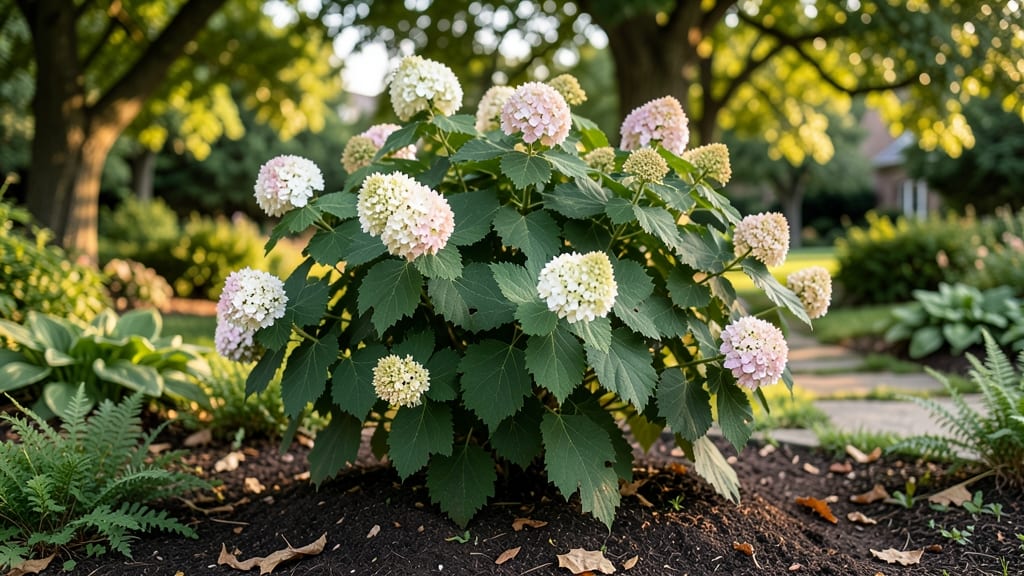
Your Zone 9 yard can stay lush and green even where the sun barely touches the ground. 🌿 Full shade shrubs thrive in these conditions, and I’ve tested the hardiest varieties that survive our hot, humid summers without wilting.
The key is choosing plants that naturally love low light—like Mahonia or Oakleaf Hydrangea—and giving them the right soil and water. These shrubs don’t just survive; they flourish with minimal fuss. Most need well-draining soil and consistent moisture but can handle our Zone 9 heat better than sun-loving varieties.
Pruning once a year keeps them shaped and encourages new growth, while mulch helps retain moisture during dry spells. By mid-spring, you’ll see vibrant foliage and fragrant blooms where others struggle. The right shrubs turn shady spots into year-round greenery that neighbors will envy.
Let’s pick the perfect ones for your space. Native options like Dwarf Fatsia or Japanese Holly add texture and color without extra work. They’re drought-tolerant once established and resist pests that plague other shade plants. Your shade garden will become the envy of the neighborhood—with almost no effort.
📚 In This Guide
- What you need
- Instructions
- Tips and common mistakes
- Wrapping up and next steps
What you need
- ● Full-shade shrubs (Zone 9-hardy): 3–5 plants (e.g., Oregon grape, Japanese holly, or inkberry)
- ● High-quality potting soil or native soil mix: 1–2 cubic yards (amend with compost for nutrients)
- ● Organic mulch: 2–3 inches (shredded bark or pine straw to retain moisture)
- ● Slow-release fertilizer: Balanced (10-10-10) or acid-loving plant formula (for ericaceous shrubs)
- ● Garden trowel or spade: For digging holes (1.5x wider than root ball)
- ● Garden fork: To loosen compacted soil
- ● Watering can or hose with nozzle: For gentle watering (avoid disruption of soil)
- ○ Pruners (sterilized): Sharp, bypass pruners for trimming (optional but helpful)
- ● Measuring tape or ruler: To ensure proper spacing (3–6 feet apart, depending on shrub)
- ● Soil pH test kit: To check acidity (ideal: 5.0–6.5 for many shade shrubs)
- ● Epsom salt: For magnesium-rich soil (1 tbsp per plant if needed)
- ● Drip irrigation system: For consistent moisture in dry spells
- ● Fungal preventative (copper fungicide): If your area is prone to mildew
Step-by-Step guide to selecting and planting full shade shrubs in Zone 9
Here's how to transform shady spots into lush, low-maintenance gardens using proven shade-tolerant shrubs.
🌿 Step 1: Choose the Right Shrubs for Your Shade Conditions
Zone 9's full shade (less than 3 hours of direct sun daily) calls for shrubs that thrive in low light while tolerating the area's humidity and occasional heat spikes. Opt for evergreens like inkberry holly (Ilex glabra) or dwarf gardenia (Gardenia jasminoides 'Kleim's Hardy') for year-round structure, or deciduous options like Japanese pieris (Pieris japonica) for spring blooms and vibrant foliage.
I always check a plant's native range—many shade-loving shrubs originate from temperate forests where they evolved under canopies. For example, dwarf fothergilla (Fothergilla gardenii) handles Zone 9's summers well while providing fragrant spring blooms and fiery fall foliage. Avoid sun-loving shrubs like boxwoods or hydrangeas unless you're planting them at the shade's edge.
✂️ Step 2: Prepare the Planting Site for Optimal Drainage
Full shade means poor soil aeration and slow evaporation, so drainage is critical. Test your site: dig a 6-inch deep hole and fill it with water. If it drains in under 30 minutes, your soil is fine. If water pools after an hour, amend the area with 2-3 inches of organic matter (like compost or leaf mold) mixed into the top 12 inches of soil to improve structure.
I like to add a 1-inch layer of coarse sand or perlite at the bottom of each planting hole to create a drainage layer. For clay-heavy soils common in Zone 9, mix in 1 part sand to 3 parts native soil when backfilling. This prevents root rot, which is the #1 killer of shade shrubs in humid climates.
🪴 Step 3: Plant Shrubs at the Correct Depth and Spacing
Dig holes twice as wide as the root ball but only as deep as the container's root flare (where roots meet stem). Zone 9's heat means shallow planting—burying too deep suffocates roots. Gently remove the shrub from its container, loosen any circled or compacted roots, and place it in the hole so the top of the root ball sits ½ inch above soil level. This prevents stem rot during heavy rains.
Space shrubs according to their mature width: 3-4 feet apart for small shrubs like dwarf gardenia, 5-6 feet for medium-sized inkberry holly, and 6-8 feet for larger Japanese pieris. Overcrowding leads to fungal diseases from poor airflow. Water deeply after planting to settle the soil and eliminate air pockets around roots.
💧 Step 4: Establish a Consistent Watering and Mulching Routine
Newly planted shrubs need deep watering twice weekly for the first month, then once weekly for 3-4 months to encourage deep root growth. In Zone 9's heat, water in the early morning to reduce evaporation and fungal risks. You'll know moisture is right when the top 2 inches of soil feel damp but not soggy—stick your finger in to check.
Apply a 3-inch layer of mulch (like pine straw or shredded bark) around each shrub, keeping it 2 inches away from the stem. This conserves moisture, regulates soil temperature, and suppresses weeds. Refresh mulch annually in late winter before new growth begins. Avoid thick mulch layers—over-mulching can smother stems and attract pests.
☀️ Step 5: Monitor Light Conditions and Adjust Care as Needed
Even "full shade" spots can have dappled light or seasonal sun exposure. After 6-8 weeks, reassess your shrubs: if they're leggy or pale, they need slightly more light. Move them to a sunnier edge of the shade or prune competing trees/structures. Conversely, if leaves yellow or drop, they may be getting too much indirect light—trim nearby branches to filter sunlight further.
Fertilize lightly in early spring with a balanced, slow-release 10-10-10 formula (½ cup per shrub). Shade shrubs don't need heavy feeding—too much nitrogen leads to weak growth and disease susceptibility. Prune only to remove dead wood or shape in late winter or early spring, just before new growth begins. Avoid heavy pruning in summer, which stresses shade-loving shrubs.
Tips & tricks for thriving full shade shrubs in Zone 9
The secret to lush, low-maintenance shade gardens lies in understanding your plants' specific needs—and avoiding common pitfalls that sabotage growth. Here's what I've learned after years of trial and error in Zone 9's unique climate.
Native Range Insight: When selecting shrubs, prioritize those native to temperate forests or humid subtropical regions—they're already adapted to handle Zone 9's 3 hours or less of daily sun and occasional heat spikes. For example, dwarf gardenia and inkberry holly thrive because they evolved under similar conditions. I always cross-reference native ranges with your local climate data to ensure compatibility.
Soil Test Hack: That 30-minute drainage test in Step 2 is non-negotiable. If water pools after an hour, you're dealing with compacted soil that suffocates roots. My go-to fix? Mix 1 part perlite with the 2-3 inches of organic matter—this creates microscopic air pockets that improve aeration without altering soil structure. For clay-heavy soils, I add 1 part coarse sand to every 3 parts native soil when backfilling, which prevents the dreaded root rot that plagues shade gardens.
Planting Depth Secret: The ½-inch above soil level guideline in Step 3 isn't just about aesthetics—it's about preventing stem rot during our frequent heavy rains. I've seen too many shrubs fail because they were buried too deep. Pro tip: Use a small stake to mark the root flare level before planting, then verify it's visible after backfilling. For container-grown shrubs, gently squeeze the root ball to loosen any circled roots that might strangle growth once planted.
Watering Wisdom: Those twice-weekly deep waterings in the first month are crucial for establishing strong root systems, but timing matters just as much. I always water in the early morning to prevent fungal spores from splashing onto leaves. A simple trick: Use a moisture meter to check that the top 2 inches of soil stay consistently damp—not soggy. Overwatering in shade conditions is just as damaging as underwatering.
Pro Tips for Full Shade Shrubs Zone 9
- The secret to lush, low-maintenance shade gardens lies in understanding your plants' specific needs—and avoiding comm...
- Native Range Insight: When selecting shrubs, prioritize those native to temperate forests or humid subtropical region...
- Soil Test Hack: That 30-minute drainage test in Step 2 is non-negotiable. If water pools after an hour, you're dealin...
Frequently asked questions
Got questions about growing full shade shrubs in Zone 9?
You’re not alone! Here are answers to the most common concerns—from picking the right plants to keeping them happy in low-light spots.
What are the best full shade shrubs for Zone 9 that thrive with little sunlight?
Top picks include Oakleaf Hydrangea, Japanese Holly, Inkberry Holly, and Dwarf Fothergilla. These varieties handle deep shade (less than 3 hours of sun) while adding texture, color, and year-round interest. Pro tip: Look for cultivars labeled "shade-tolerant" or "low-light" for extra reliability!
How long does it take for full shade shrubs to establish in Zone 9?
Most shrubs take 1–2 years to fully establish, depending on soil quality and watering. Young plants may show slower growth in deep shade, but patience pays off! Mulch heavily (2–3 inches) and water deeply during dry spells to speed up root development. Bonus: Fertilize lightly in early spring to boost vigor.
Do full shade shrubs in Zone 9 need extra watering?
Yes! Shady spots retain moisture longer, but roots still need consistent hydration. Water 1–2 times per week during dry spells (check soil 1–2 inches deep—if it’s dry, water). Drip irrigation or soaker hoses work best to avoid wetting foliage, which can invite fungal issues. Warning: Overwatering is just as harmful as underwatering!
Why are my full shade shrubs losing leaves or turning yellow in Zone 9?
Common culprits include overwatering, poor drainage, or nutrient deficiencies. Yellow leaves often signal iron deficiency (common in alkaline soils), while brown edges may mean too much salt from tap water. Test your soil and amend with organic matter if needed. Fix: Prune affected branches to encourage new growth.
Can I grow full shade shrubs in containers in Zone 9?
Shrubs like Dwarf Gardenia or Creeping Fig thrive in containers with well-draining soil. Use pots with drainage holes and repot every 2–3 years to refresh nutrients. Place containers in spots with indirect light (e.g., under trees with dappled shade) and water when the top inch of soil feels dry. Tip: Choose smaller varieties to avoid root-bound stress.
Are there any full shade shrubs that tolerate heat and humidity in Zone 9?
Yes! Opt for heat-tolerant varieties like Dwarf Yaupon Holly or Aluminum Plant (Pilea cadierei), which handle Zone 9’s summer heat with ease. These shrubs also resist humidity-related pests like spider mites. Pro move: Group them with mulch to keep roots cool and moist.
Wrapping up and next steps
Transforming your Zone 9 space into a lush, full-shade oasis is totally achievable with the right shrubs! From the hardy Oakleaf Hydrangea to the elegant Japanese Holly, these plants thrive in low-light conditions while adding texture, color, and year-round interest.
Remember, soil prep and consistent moisture are key—your shrubs will reward you with vibrant growth and minimal fuss.
Ready to get planting? Start small with one or two of these shade-loving stars, or sketch a layout to create a cohesive garden design.
Whether you’re filling a dark corner or lining a shady path, these shrubs will turn your space into a serene green retreat—without needing direct sun! 🌿✨