
Landscaping
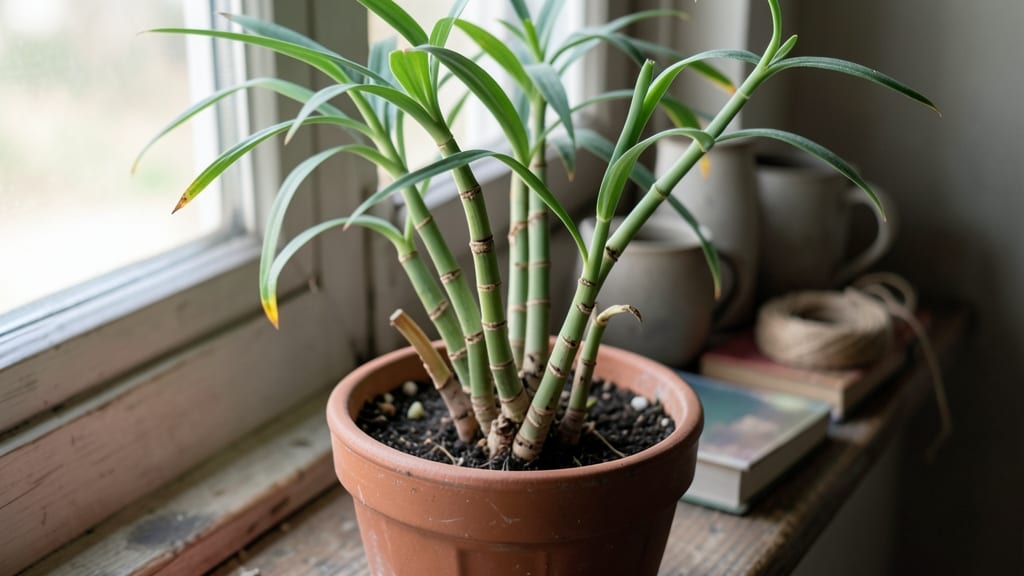
Designing a garden with bamboo that delivers instant privacy feels like cheating—until you see those lush screens unfurl in just six months. 🌿 I planted clumping bamboo along my fence last spring, and by summer, neighbors couldn’t even see my patio through the emerald walls.
The best part? No invasive roots to worry about if you pick the right variety.
Clumping bamboo varieties like Fargesia or Borinda stay put, growing 3–5 feet per year without spreading aggressively. You’ll need stakes for support, well-draining soil, and consistent watering for the first year, but after that, it’s basically set-and-forget.
Pair it with hostas or ferns for a layered, natural look, or let it stand alone for a bold, minimalist statement.
By late summer, you’ll have a living privacy screen that blocks noise, filters wind, and adds value to your property. The texture is soft to the touch, the color stays vibrant year-round, and it attracts birds—no chemicals, no fuss.
This is how you turn a bare fence into a feature that actually works for you.
Works in modern or traditional designs, urban backyards, or rural edges. Here’s how to make it happen without the headaches of running vines or plastic screens that fade in two years.
📚 In This Guide
- What you need
- Instructions
- Tips and common mistakes
- Wrapping up and next steps
What you need
- ● Bamboo plants: Clumping bamboo (e.g., Fargesia or Bambusa species) – 6–12 plants, depending on desired height (6–12 ft) and screen width (1 plant per 3–4 ft of space).
- ● Running bamboo (if preferred): 1–2 plants per 5–6 ft of space (requires root barriers!).
- ● Soil: Well-draining, organic-rich mix (e.g., 50% topsoil + 50% compost).
- ● Mulch: 2–3 inches of wood chips or straw to retain moisture.
- ● Water: 10–20 gallons per plant for initial planting (keep soil moist for 2 weeks).
- ● Digging tools: Shovel, spade, or trenching tool (for root barriers if using running bamboo).
- ● Measuring tape and stakes to mark planting lines.
- ● Gloves and knee pads for comfort.
- ● Hose with sprinkler or watering can (for consistent moisture).
- ○ Optional: Root barrier fabric (30–40 inches deep) for running bamboo.
- ● Sunlight: Partial shade to full sun (6+ hours/day for best growth).
- ● Space: Minimum 3–4 ft wide for a dense screen (adjust based on bamboo type).
- ● Water access: Nearby hose or irrigation system.
- ● Patience: Bamboo grows 1–3 ft per year—but with the right care, you’ll see dramatic changes in months!
Step-by-Step instructions for creating a fast-growing bamboo privacy screen
Here's how to transform your yard into a lush, private retreat using bamboo's rapid growth.
🌱 Step 1: Choose the Right Bamboo Variety for Fast Growth
Select clumping bamboo varieties like Fargesia robusta or Fargesia nitida—they grow aggressively but stay contained. Avoid running bamboo like Phyllostachys unless you want it to spread uncontrollably. I always check the mature height (typically 10-15 feet) to match my screen needs.
Buy 3-5 gallon container-grown plants for instant results. Smaller nursery pots take longer to establish. Look for plants with multiple stems—this ensures a fuller screen faster. If you see yellowing leaves, the plant may be stressed; skip it and pick a healthier one.
🪴 Step 2: Prepare the Planting Site for Optimal Growth
Choose a location with partial shade to full sun—bamboo tolerates both, but morning sun and afternoon shade prevents stress in hotter climates. Mark a 6-foot deep trench along your property line, using a garden hose to outline the curve if needed.
Dig the trench 12 inches wide and 24 inches deep—this depth contains roots and prevents spreading. Amend the soil with 2 inches of compost mixed into the bottom 12 inches of the trench. Bamboo loves rich, slightly acidic soil (pH 5.5-6.5), so test your soil if possible.
💧 Step 3: Plant Bamboo in a Contained Root Barrier
Line the trench with 2-foot deep, 30-gauge hardware cloth (not plastic—roots will puncture it). Bend the edges outward to create a V-shape at the bottom, then fill the trench with the amended soil. Place plants 3-4 feet apart in the trench, spacing them closer at the ends for a natural curve.
Dig holes twice as wide as the root ball but only as deep as the container. Gently remove each plant, loosen the roots, and place it in the hole. The top of the root ball should sit 1 inch below ground level—this encourages strong root growth. Backfill with soil, firming lightly around the base.
✂️ Step 4: Water and Mulch for Rapid Establishment
Water each plant deeply until 6 inches of soil feels moist. I use a soaker hose to avoid disturbing the soil. Keep the area consistently moist for the first 4-6 weeks—bamboo needs steady water to establish roots. After that, water once a week unless it's extremely dry.
Apply 3 inches of mulch around each plant, keeping it 6 inches away from the stems. Use shredded bark or wood chips—they retain moisture and suppress weeds. Replenish mulch annually to maintain the barrier. You'll see new shoots emerge within 4-6 weeks, signaling strong root growth.
☀️ Step 5: Prune and Maintain for a Full Privacy Screen
After 6 months, your bamboo will reach 6-8 feet tall—enough to block most views. Prune leggy canes in early spring to encourage bushier growth. Cut back 1/3 of the oldest canes to the ground to stimulate new shoots. Wear gloves; bamboo has sharp edges.
Fertilize lightly in spring with 10-10-10 granular fertilizer spread 6 inches from the stems. Avoid heavy feeding—bamboo grows fast but doesn't need rich soil. Watch for pests like aphids; spray with water if you see them. With proper care, your screen will reach full height (10-15 feet) in 2-3 years.
Tips & tricks for perfect garden design with bamboo privacy screens
Here's what I learned after installing bamboo screens in my own yard—these tricks will help you avoid common mistakes and get faster, healthier growth.
Root Barrier Tip: When installing the 2-foot deep hardware cloth barrier in Step 3, overlap the edges by at least 6 inches to create a completely sealed system. I learned this the hard way after seeing roots escape through tiny gaps. Also, bend the edges outward to create that V-shape at the bottom—this prevents water from pooling against the barrier and rotting it over time.
Plant Selection Secret: In Step 1, don't just look at the plant's height—examine the stem thickness. Thicker stems (about 1/2 inch diameter) grow faster and create a denser screen sooner. I always check for at least 3-4 stems per plant; single-stemmed plants take much longer to fill out. Skip any plants with brown spots or hollow stems—they won't establish well.
Watering Strategy: The 4-6 week consistent moisture requirement in Step 4 is critical, but here's the trick: water in the morning so the foliage dries quickly, reducing fungal risks. I use a soaker hose set on a timer for 20 minutes daily during the first month. After that weekly watering, give each plant about 1 gallon—you'll notice the soil should stay moist but not soggy 2 inches down.
Pruning Hack: When you prune those 1/3 oldest canes in Step 5, don't throw them away! Cut them into 3-foot sections and plant them along the screen's edge. These will root and create an instant thicker border. Just make sure to cut at a 45-degree angle to maximize surface area for new root growth.
Pro Tips for Garden Design Bamboo
- Here's what I learned after installing bamboo screens in my own yard—these tricks will help you avoid common mistakes and get faster, healthier growth.
- Root Barrier Tip: When installing the 2-foot deep hardware cloth barrier in Step 3, overlap the edges by at least 6 inches to create a completely sealed system.
- Plant Selection Secret: In Step 1, don't just look at the plant's height—examine the stem thickness.
Frequently asked questions
Got questions about using bamboo for fast-growing privacy screens? Here are some common concerns—and expert answers—to help you design with confidence!
How fast does bamboo really grow for privacy screens?
Most clumping bamboo varieties (like Bambusa multiplex) can grow 3–5 feet per year, creating a dense screen in 1–2 years—though some fast growers (e.g., Phyllostachys aureosulcata) may reach 6+ feet in a single season. Running bamboo (e.g., Bambusa vulgaris) grows even faster but requires containment. Pro tip: Plant in early spring for maximum growth before winter dormancy.
Will bamboo take over my yard or damage my property?
Only running bamboo spreads aggressively via underground rhizomes—it can invade foundations, septic systems, or neighboring properties if unchecked. Clumping bamboo stays put (no runners) and is ideal for privacy screens. Always root-barrier install (30" deep) for running types. Warning: Check local laws—some areas ban invasive bamboo species entirely!
Can I plant bamboo in partial shade or small spaces?
Yes! Many bamboo varieties thrive in partial shade (4–6 hours of sun daily), though growth may slow slightly. For small spaces, choose dwarf clumping types like Bambusa multiplex ‘Alphonse Karr’ (6–8 ft tall) or Bambusa ventricosa (10–15 ft). Containers work too—just ensure they’re 2x wider than the root ball and buried at soil level.
Is bamboo cheaper than other privacy solutions like wood or lattice?
Upfront cost:
Bamboo plants ($20–$50 each) are pricier than seeds but far cheaper long-term than wood fences ($15–$30/ft installed) or lattice panels ($50–$150 each). Maintenance wins: No painting/staining, and bamboo self-repairs after storms. Bonus: It’s eco-friendly—absorbs CO₂ and provides wildlife habitat!
How do I keep pests (like bamboo borers) or diseases away?
Bamboo is hardy but not pest-proof. Prevent issues with:
- Well-draining soil (avoid waterlogged roots).
- Prune dead canes in late winter to improve airflow.
- Avoid over-fertilizing (nitrogen attracts borers).
Does bamboo survive harsh winters or drought?
Hardiness varies: Cold zones (5–7): Phyllostachys species (e.g., P. bissetii) tolerate -10°F. Drought-tolerant picks: Bambusa vulgaris or Dendrocalamus asper. Watering tip: Deep water once weekly in dry spells (new plants need more). Mulch with wood chips to retain moisture.
Wrapping up and next steps
Designing your garden with bamboo isn’t just about quick privacy—it’s about creating a lush, sustainable, and stylish outdoor space that grows with you! 🌱 Whether you’re framing a cozy patio, masking an unsightly view, or adding texture to your landscape, bamboo delivers fast results with minimal effort.
Start small with a single clump or go bold with a full screen—your vision is the only limit.
Ready to transform your outdoor space? Roll up your sleeves, grab those stakes, and plant your first bamboo today! Need inspiration? Sketch a rough layout, gather your supplies, and watch your garden evolve in just six months. Happy planting! 🌿