
Shrubs
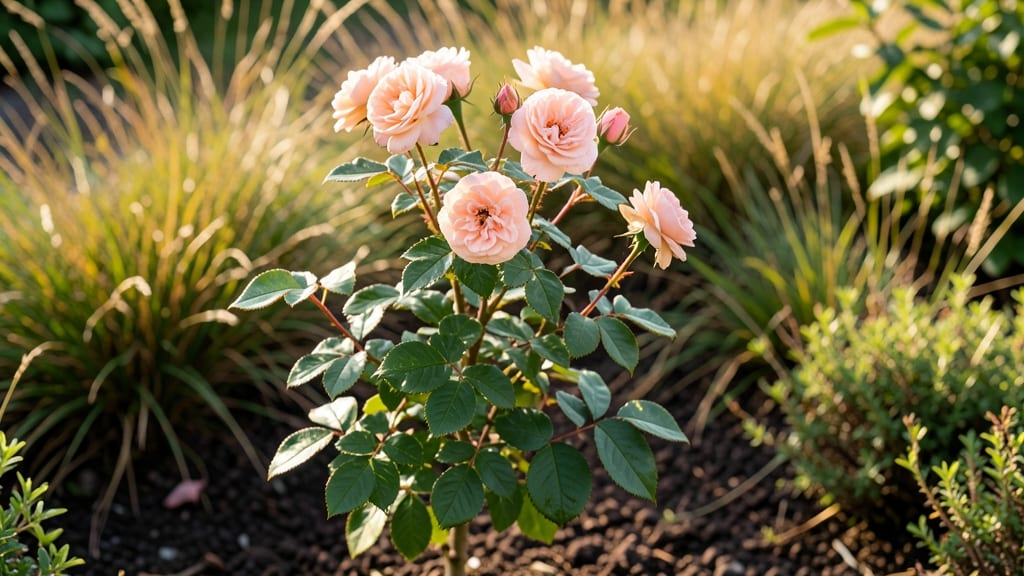
That Gertrude Jekyll shrub rose transforms your garden with its velvety blooms—if you prune it right. ✂️ I’ve spent years perfecting the technique to keep mine flowering nonstop while making it nearly thorn-free to reach.
The secret isn’t just timing; it’s cutting at the right angles and knowing when to stop.
This rose thrives in full sun to partial shade and well-draining soil, but its real magic happens in the pruning. You’ll shape it into a lush, low-maintenance shrub that blooms from early summer through frost—no deadheading required.
The key is three main cuts: winter cleanup, spring shaping, and summer thinning.
By mid-summer, you’ll have a thorn-reduced canopy that’s easy to prune and even easier to admire. The blooms stay abundant, the branches stay strong, and you’ll avoid the common mistake of over-pruning that leaves roses bare.
Works perfectly in mixed borders, cottage gardens, or as a focal point. Let’s get those shears ready—your rose will thank you all season.
📚 In This Guide
- What you need
- Instructions
- Tips and common mistakes
- Wrapping up and next steps
What you need
- ● Bypass pruners (sharp, clean, and sterilized with rubbing alcohol or a 10% bleach solution) – 1 pair
- ● Loppers (for thicker stems, 20-24" reach) – 1 pair
- ● Hand pruners (for delicate trimming, bypass or anvil type) – 1 pair
- ● Garden gloves (thick, thorn-proof, and breathable) – 1 pair
- ● Disinfectant spray (70% isopropyl alcohol or horticultural spray) – small bottle
- ○ Pruning saw (for stubborn, thick branches) – 1 (optional but helpful)
- ● Rubbing alcohol or hydrogen peroxide (3% solution for sterilizing tools) – small bottle
- ● Garden twine or plant ties (for securing branches if needed) – small roll
- ● Pruning sealant (for large cuts to prevent disease) – small tube
- ● Garden kneeler pad (for comfort during pruning) – 1
- ○ Magnifying glass (to inspect buds and small details) – 1 (optional)
- ● Notebook & pen (to track pruning progress and note growth patterns) – 1
Step-by-Step pruning guide for your Gertrude Jekyll shrub rose
This method keeps your rose bush lush, thorn-free, and blooming season after season.
✂️ Step 1: Time Your Pruning for Optimal Growth
Prune your Gertrude Jekyll shrub rose in late winter or early spring, just as new growth begins. This timing ensures you remove dead wood while leaving enough structure for the season's blooms. I wait until the first buds swell but before leaves emerge—usually 4-6 weeks before your last frost date. Avoid pruning in fall or during bloom time, as this stresses the plant and reduces next year's flowers.
If you missed the late-winter window, you can do a light maintenance prune in summer after flowering, but never cut back more than 25% of the plant. The Gertrude Jekyll thrives on structure, so drastic summer cuts weaken its ability to produce those signature deep pink, velvety blooms.
🌿 Step 2: Remove Dead and Diseased Wood First
Start by inspecting the entire bush and removing any dead, broken, or diseased canes with clean, sharp pruners. Cut these back to healthy wood at a 45-degree angle, about ¼ inch above an outward-facing bud. Diseased wood often appears blackened, mushy, or covered in spots—remove it immediately to prevent spread. I always sterilize my pruners with rubbing alcohol between cuts to avoid transferring pathogens.
Next, look for crossing branches that rub against each other. These create wounds where pests and disease enter. Choose one branch to keep—the stronger, more vigorous one—and cut the other back to its origin. The Gertrude Jekyll's natural shape is bushy and rounded, so aim to maintain that silhouette while opening up the center for airflow.
✂️ Step 3: Shape the Bush for Airflow and Blooms
Step back and visualize the plant's structure. Gertrude Jekyll roses bloom on both old and new wood, so you want to encourage a balanced shape. Start by cutting back 1/3 of the oldest canes to the ground—these are typically the thicker, woody stems. This rejuvenates the bush and stimulates fresh growth from the base. For the remaining canes, trim back to 18-24 inches tall, cutting just above an outward-facing bud.
As you prune, aim to create an open vase shape with a clear center. This allows sunlight and air to reach all parts of the plant, reducing humidity-related diseases like black spot. Avoid leaving stubs—always cut at the bud to encourage clean, directed growth. If you're unsure which buds are outward-facing, look for the small bump on the stem where leaves or branches emerge.
🌱 Step 4: Thin Out Overcrowded Branches
Gertrude Jekyll roses can become dense quickly, so thinning is key to a thorn-free, manageable bush. Look for water sprouts—those thin, upright shoots growing from the base or along the stems. These saplings steal energy from the main plant, so remove them entirely at the base. Also, thin out any branches growing inward or downward, as these create a tangled mess and block airflow.
I like to leave 3-5 main branches as the framework of the bush, with additional branches spaced evenly around them. This creates a full, lush appearance while keeping the center open. After thinning, step back again to check your work—you should see a balanced, pyramid-like structure with room for new growth to fill in gaps.
☀️ Step 5: Post-Pruning Care for Strong Regrowth
After pruning, apply a balanced rose fertilizer (10-10-10 or similar) to the soil around the base. This gives the plant the nutrients it needs to recover and produce new blooms. Water deeply at the base—avoid overhead watering, which can spread disease. The soil should be moist 6-8 inches down after watering, but not soggy.
Watch for new growth in 3-4 weeks. You'll notice fresh green shoots emerging from the buds you left behind. If the plant looks stressed (yellowing leaves, wilted stems), it may need more phosphorus (the middle number in fertilizer ratios) to encourage root and bloom development. Mulch around the base with 2-3 inches of organic mulch to retain moisture and suppress weeds, but keep it 2 inches away from the stem to prevent rot.
Tips & tricks for pruning your Gertrude Jekyll shrub rose
Real talk: Even experienced gardeners overlook these key details when pruning their Gertrude Jekyll—don't make my mistake of skipping them!
The Bud Identification Secret: When cutting back canes in Step 3, look for the small bump where leaves emerge—the outward-facing bud. This ensures new growth will spread away from the center, creating that perfect open vase shape. I've seen people cut at the wrong angle and end up with branches growing inward, which blocks airflow and invites disease. Always cut just above that bump at a 45-degree angle for clean, directed growth.
Pruner Sterilization Matters: Between every cut in Step 2, especially when removing diseased wood, sterilize your pruners with rubbing alcohol. I learned this the hard way after transferring black spot fungus between branches. Keep a small bottle of 70% isopropyl alcohol handy—it takes seconds to wipe down your tools between cuts and prevents cross-contamination that could ruin your entire bush.
Seasonal Timing Nuances: While late winter is ideal, your exact timing depends on your climate. In warmer zones, you might prune as early as February, while colder regions should wait until March or April. The key is to catch those first buds swelling—this signals the plant's natural growth cycle is about to begin. I check my local frost dates and adjust accordingly, but never prune after the first leaves appear, as this stresses the plant.
Post-Pruning Visual Check: After completing Step 4, step back and visualize sunlight paths through the bush. You should see clear lines of sight to the center—this means you've successfully opened up the canopy. If you're still seeing dense areas, remove a few more inward-growing branches. The Gertrude Jekyll's signature velvety blooms thrive when they receive even sunlight and airflow, so this visual check is your quality control moment.
Pro Tips for Gertrude Jekyll Shrub Rose
- Real talk: Even experienced gardeners overlook these key details when pruning their Gertrude Jekyll—don't make my mis...
- The Bud Identification Secret: When cutting back canes in Step 3, look for the small bump where leaves emerge—the out...
- Pruner Sterilization Matters: Between every cut in Step 2, especially when removing diseased wood, sterilize your pru...
Frequently asked questions
Got questions about nurturing your Gertrude Jekyll shrub rose? You’re not alone! Here are answers to the most common queries—from pruning puzzles to care conundrums—to keep your rose thriving and tangle-free.
When is the best time to prune Gertrude Jekyll roses for maximum blooms?
The ideal window is late winter or early spring (just before new growth starts), but you can also do a light pruning after the first flush of blooms in summer. Avoid heavy pruning in fall—it stresses the plant before dormancy. Pro tip: Prune on a dry, frost-free day to prevent disease.
How do I prune to reduce thorns while keeping the shape intact?
Thorns form on older, woody stems, so focus on removing thick canes (3+ years old) and thinning crowded branches. Use bypass pruners to make clean cuts at a 45° angle, just above an outward-facing bud. Tip: Wear gloves and long sleeves—thorns are sharper after rain!
Can I prune Gertrude Jekyll roses in fall, or should I wait?
Fall pruning is risky because it exposes fresh cuts to fungal diseases and winter dieback. If you must prune, do it lightly in late fall (after leaf drop) to remove dead/diseased wood. Otherwise, wait until late winter. Exception: Remove any storm-damaged branches immediately, even in winter.
What if my rose isn’t blooming as much as expected after pruning?
Check these common culprits:
- Over-pruning: Never cut more than 1/3 of the plant in one session.
- Poor nutrition: Feed with rose-specific fertilizer in early spring and mid-summer.
- Sunlight: Gertrude Jekyll needs 6+ hours of sun daily—shade reduces blooms.
- Water stress: Deep water 1–2 times weekly (more in heatwaves).
If the issue persists, inspect for pests (like spider mites) or fungal spots.
Are there thornless alternatives to Gertrude Jekyll with similar blooms?
Yes! If thorns are a dealbreaker, try these low-thorn or thornless shrub roses:
- ‘Knock Out® Rose’ – Disease-resistant, repeat blooms, minimal thorns.
- ‘Drift® Series’ – Compact, fragrant, and nearly thorn-free.
- ‘The Fairy’ – Tiny blooms, no thorns, perfect for borders.
Note: Even "thornless" roses may develop small prickles—wear gloves when pruning!
Wrapping up and next steps
Mastering the art of pruning your Gertrude Jekyll shrub rose unlocks a world of lush, thorn-free blooms and year-round beauty! 🌸 With the right tools, timing, and techniques—like selective thinning and deadheading—you’ll keep your rose thriving while minimizing those pesky thorns.
Remember, consistency is key, and a little patience goes a long way.
Ready to transform your garden? Start small: pick one season to focus on, then gradually refine your approach. Before you know it, your Gertrude Jekyll will be the star of your landscape—without the fuss! 🌿