
Pests and Diseases
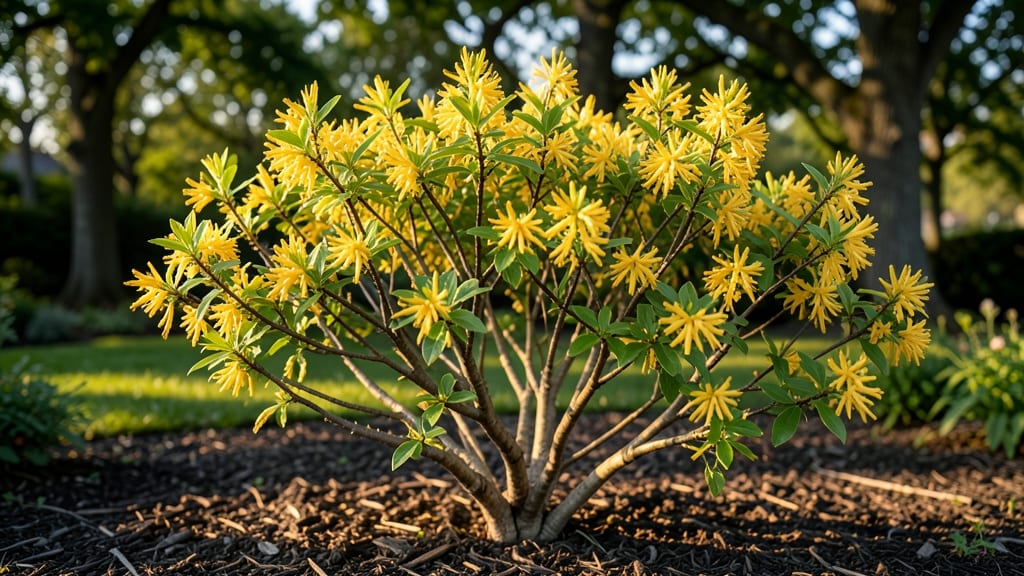
My green and yellow shrub collection transformed a boring corner into a sunlit jewel box. 🌿 The secret? Layering shrubs like Forsythia (bright yellow blooms in spring) with Diervilla (golden foliage year-round) creates movement that catches the light at every season.
These aren't just plants—they're living art pieces that shift with the sun and seasons.
Start with 3-5 shrubs spaced 4-6 feet apart for that "just-right" density. Place taller varieties (like Cotoneaster) at the back, mid-height shrubs (Forsythia) in the middle, and low-growing gold-leafed plants (Diervilla) at the front.
The color contrast pops against evergreens or dark foliage—try pairing with black mondograss or hemlock for drama. Your garden will feel alive even in winter.
📚 In This Guide
- What you need
- Instructions
- Tips and common mistakes
- Wrapping up and next steps
What you need
- ● Healthy shrubs: 3–5 green-and-yellow foliage varieties (e.g., Forsythia, Diervilla, or Abelia), sized 1–3 ft tall (check local nurseries for disease-resistant cultivars).
- ● Pruning shears: 1 pair bypass pruners (sharp, sterilized) for clean cuts.
- ● Gloves: 1 pair nitrile-coated garden gloves (for protection against sap and pests).
- ● Hose or watering can: With a nozzle attachment for targeted spraying.
- ● Organic fungicide: 1 bottle neem oil or copper-based solution (for fungal prevention).
- ● Insecticidal soap: 1 spray bottle (for soft-bodied pests like aphids or spider mites).
- ● Mulch: 2–3 bags organic mulch (shredded bark or pine needles) to retain moisture and deter weeds.
- ● Soil test kit: To check pH and nutrient levels (ideal range: 6.0–7.0 for most shrubs).
- ● Systemic insecticide: For severe infestations (e.g., imidacloprid, use sparingly).
- ● Reflective mulch: To deter pests like deer or rabbits.
- ● Plant support: Stakes or cages for younger shrubs in windy areas.
How to create a stunning green and yellow shrub layered canopy
Here's how to design a vibrant, multi-season shrub display that keeps your garden lively year-round.
🌿 Step 1: Select Complementary Shrub Varieties
Choose shrubs with contrasting foliage textures and seasonal interest. For a green and yellow palette, pair evergreens like Dwarf Golden Hinoki cypress (soft golden needles) with deciduous shrubs such as Forsythia (bright yellow spring blooms) or Variegated Abelia (creamy yellow-edged leaves). I recommend selecting 4-5 plants of varying heights—tallest at the back, mid-height in the middle, and low-growing varieties in front.
Check each plant's mature size to avoid overcrowding. For example, a 6-foot Forsythia needs at least 8 feet of space to develop fully, while 3-foot Abelia thrives in 4-5 feet of clearance. Group plants with similar water needs together to simplify maintenance. The key is layering: taller shrubs create a backdrop, mid-height plants add depth, and low growers fill the base.
☀️ Step 2: Plan Sunlight and Soil Requirements
Assess your site's sunlight exposure—most green and yellow shrubs thrive in full sun to partial shade (6+ hours of direct light daily). Forsythia and Golden Hinoki prefer full sun, while Variegated Abelia tolerates morning sun with afternoon shade. Test your spot by observing how sunlight moves across the area at different times of day; mark the dripline (the area where branches naturally extend) of each plant.
Amend the soil with 2-3 inches of compost to improve drainage and fertility, especially if your soil is heavy clay or sandy. I like to mix in a slow-release organic fertilizer (like 10-10-10) at planting time to give roots a nutrient boost. For acidic-loving plants like Golden Hinoki, add peat moss to lower the pH slightly. A soil test ($20 at garden centers) ensures you’re meeting each plant’s specific needs before digging.
🪴 Step 3: Plant with Strategic Spacing and Depth
Dig holes twice as wide as the root ball but no deeper—this encourages roots to spread horizontally rather than settling too low. Gently loosen the roots of container-grown plants to prevent circling, then place each shrub so the top of the root ball sits level with the surrounding soil (never buried deeper). Space plants according to their mature widths: 3 feet apart for dwarf varieties, 6-8 feet for larger shrubs. Use a level to ensure the planting line is even.
Backfill with native soil mixed with compost (about 20% compost by volume), tamping lightly to remove air pockets. Water deeply to settle the soil and eliminate gaps. I like to add a 2-inch layer of mulch (cypress or pine straw) around the base, keeping it 3 inches away from the stem to prevent rot. Mulch conserves moisture and regulates soil temperature, which is critical for young plants establishing roots.
✂️ Step 4: Prune for Shape and Seasonal Interest
Shape plants immediately after planting to encourage strong branching. For Forsythia, cut back any dead or crossing branches, then trim to just above a bud to promote bushier growth. Golden Hinoki benefits from light shearing in early spring to maintain its rounded form. Avoid heavy pruning in fall—this can stimulate tender new growth that won’t survive winter. Prune deciduous shrubs in late winter (before buds swell) and evergreens in early spring to avoid damaging new foliage.
Watch for yellowing leaves—this could signal overwatering, underwatering, or nutrient deficiency. Adjust your care routine accordingly: water deeply once a week in dry spells (until soil is 6 inches deep and moist), or fertilize lightly with a balanced liquid feed if growth stalls. In late summer, apply a thin layer of compost around the dripline to replenish nutrients for next season’s growth.
🌱 Step 5: Maintain Year-Round Color and Health
Monitor for pests like spider mites (common on Abelia) or aphids (on Forsythia). Treat infestations early with neem oil or a hose blast to dislodge pests. Evergreens like Golden Hinoki may need winter protection in cold climates—wrap young plants with burlap if temperatures drop below 10°F. In spring, remove any dead or discolored branches to keep the canopy open and airy.
To refresh the display, rotate plants seasonally: swap out spring bloomers (like Forsythia) with fall interest plants (such as Spirea ‘Goldflame’) for continuous color. I also add ornamental grasses (like Miscanthus ‘Malepartus’) for movement and texture. By layering plants with different bloom times and foliage colors, your shrub canopy will stay vibrant from early spring through late autumn.
Tips & tricks for perfect green and yellow shrub canopy design
Creating a layered shrub display that thrives year-round takes thoughtful planning—here's how to avoid common pitfalls and elevate your garden's visual impact.
Layering Secret: When selecting your 4-5 plants, prioritize height contrast by choosing one tall backdrop shrub (like Forsythia at 6 feet), two mid-height varieties (3-4 feet), and two low-growing fillers (under 2 feet). This creates natural depth that draws the eye upward. I've learned this the hard way—planting too many mid-height shrubs creates a flat, monotonous look that hides the beauty of your golden foliage. The key is visual balance: let your tallest shrubs anchor the design while your low growers frame the base like a living border.
Soil Prep Strategy: That 2-3 inches of compost isn't just for show—it's the foundation for healthy roots. I recommend mixing in a slow-release organic fertilizer (10-10-10) at planting time, but here's the trick: focus on the root zone first. Create a "compost sandwich" by placing a thin layer at the bottom of the hole, then another around the root ball before backfilling. This targeted approach prevents nutrient runoff while ensuring your shrubs get exactly what they need to establish quickly. For acidic-loving plants like Golden Hinoki, add peat moss to the bottom layer to create the ideal pH environment from the start.
Winter Protection Wisdom: The 10°F threshold for wrapping Golden Hinoki with burlap is critical, but don't stop there. Evergreens lose moisture through their needles in winter, so after wrapping, give them a deep watering before the ground freezes. I've seen too many beautiful shrubs suffer from winter desiccation because this step was overlooked. For added protection, consider installing a simple wire frame around young plants and filling it with evergreen boughs—this creates a microclimate that can raise temperatures by several degrees during cold snaps.
Seasonal Rotation Hack: Your spring bloomers like Forsythia won't provide color after their flowers fade, but that's where the real magic happens. Plan your seasonal rotation now by selecting fall interest plants that complement your existing palette. Spirea 'Goldflame' with its fiery foliage or Viburnum 'Annabelle' with its golden-yellow fall color will keep your display vibrant well into autumn. I like to sketch a simple layout showing where each seasonal plant will go—this prevents last-minute scrambling when it's time to swap out plants.
Pro Tips for Green And Yellow Shrub
- Creating a layered shrub display that thrives year-round takes thoughtful planning—here's how to avoid common pitfall...
- Layering Secret: When selecting your 4-5 plants, prioritize height contrast by choosing one tall backdrop shrub (like...
- Soil Prep Strategy: That 2-3 inches of compost isn't just for show—it's the foundation for healthy roots. I recommend...
Frequently asked questions
Got questions about keeping your green and yellow shrub thriving and pest-free? Here are some common concerns—and expert answers—to help you maintain a stunning, healthy garden year-round!
What pests are most likely to attack green and yellow shrubs?
Common culprits include aphids (tiny green/black insects), scale insects (brown bumps on stems), and Japanese beetles (skeletonizing leaves). Spider mites may also appear in dry conditions. Regularly inspect foliage, especially undersides, and use neem oil or insecticidal soap for early treatment.
How do I protect my shrub from winter damage?
Mulch the base with 2–3 inches of organic mulch (like shredded bark) to insulate roots. Water deeply before the first frost to encourage root hardening. For tender varieties, wrap young shrubs in burlap or use frost cloth. Avoid pruning in late fall—wait until early spring to trim dead growth.
Can I prune a green and yellow shrub at any time?
Timing matters! Prune after flowering (late spring/early summer) to encourage new growth and vibrant fall color. Avoid heavy pruning in late summer—it can reduce winter hardiness. For shaping, use clean, sharp shears and remove no more than 1/3 of the shrub at once.
Why are the yellow leaves turning brown or crispy?
Brown/yellow leaves often signal overwatering, underwatering, or fungal diseases (like powdery mildew). Check soil moisture—shrubs prefer well-draining soil. If fungal issues appear, apply copper fungicide and improve air circulation. Adjust watering to 1 inch per week (more in extreme heat).
Are there low-maintenance alternatives to high-color shrubs?
Yes! Consider Dwarf Fothergilla (golden fall foliage), Abelia (tolerates partial shade), or Weigela (resistant to pests). These shrubs offer year-round interest with minimal fuss. Choose varieties labeled "drought-tolerant" or "deer-resistant" for easier care.
Wrapping up and next steps
Incorporating a green and yellow shrub into your garden isn’t just about aesthetics—it’s a year-round investment in resilience and beauty. These vibrant plants act as natural pest deterrents, provide seasonal interest, and require minimal maintenance once established.
Whether you’re battling aphids, deer, or just the monotony of a dull landscape, these shrubs deliver color, function, and peace of mind.
Ready to transform your garden? Start by selecting the perfect shrub for your climate and soil, then take the plunge—your future self (and local pollinators!) will thank you. 🌱 Happy planting!