
Shrubs
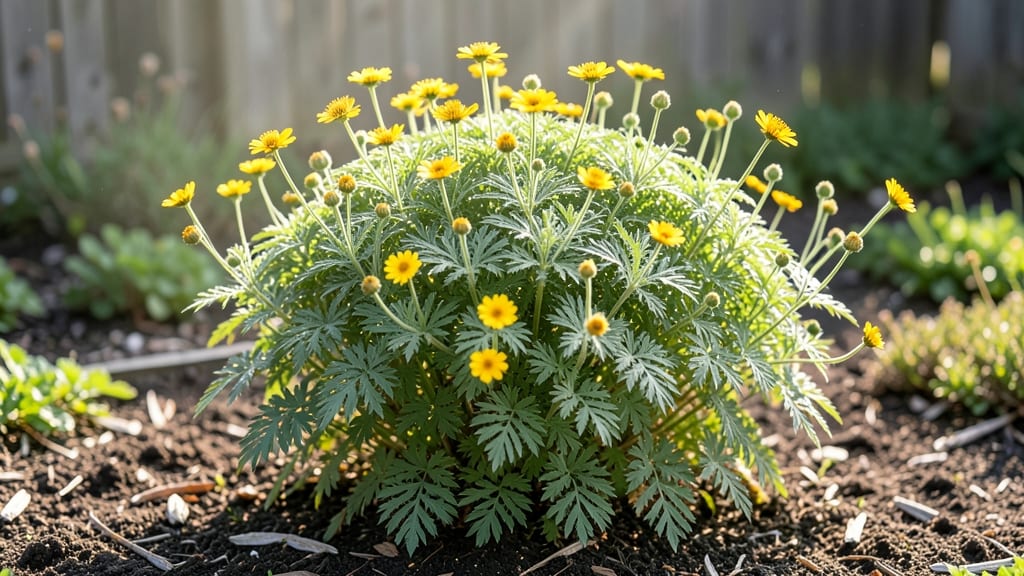
My garden's cold-resistant backbone comes from these hardy flower shrubs—plants that shrug off winter and burst into bloom when others are still sleeping. 🌿 I’ve learned the hard way that not all shrubs survive harsh winters, but these tough beauties—like hydrangeas, lilacs, and abelia—thrive in zones 3 through 9, giving you color from spring to fall (and sometimes even winter).
The secret to their success? Low-maintenance resilience. They handle drought once established, resist pests, and demand minimal pruning. My abelia, for example, blooms twice a year with almost no effort—just a quick trim after the first flush of flowers. And hydrangeas?
They forgive even the most neglectful gardener, adapting to sun or shade and putting on a show with their giant, showy blooms. You’ll end up with a garden that feels lush and intentional, even in the coldest months.
These shrubs create year-round interest: fragrant lilacs in spring, bold hydrangeas in summer, and winter stems that add texture when everything else is bare. Plus, they’re the perfect foundation for borders, hedges, or focal points—no green thumb required.
Here’s how to pick the right ones for your climate and design style, plus my go-to tips for keeping them thriving with minimal fuss. Let’s get your garden looking effortlessly beautiful, no matter what winter throws at it.
📚 In This Guide
- What you need
- Instructions
- Tips and common mistakes
- Wrapping up and next steps
What you need
- ● Hardy flower shrubs: Choose from cold-resistant varieties like Butterfly Bush (Buddleia), Weigela, Potentilla, or Spiraea. Buy 3–5 plants (depending on desired coverage).
- ● High-quality potting soil: 10–20 gallons (mix in compost or peat moss for drainage).
- ● Garden gloves: 1 pair (nitrile-coated for durability).
- ● Pruning shears: 1 pair (bypass pruners, sharp and rust-resistant).
- ● Garden trowel: 1 medium-sized (for digging holes).
- ● Watering can or hose: With adjustable nozzle for gentle watering.
- ● Mulch: 2–3 bags (shredded bark or pine straw for moisture retention).
- ● Fertilizer: Slow-release granular (10-10-10 or organic options like fish emulsion).
- ● Soil test kit: To check pH (ideal range: 6.0–7.0 for most shrubs).
- ● Plant support stakes: For taller varieties (e.g., Buddleia).
- ● Drip irrigation system: For automated watering (great for busy gardeners!).
- ● Epsom salt: For magnesium boost (1 tbsp per plant if leaves look pale).
- ● Cold-frame or frost cloth: For young plants in early spring/fall.
Step-by-step guide to planting hardy flower shrubs
Here's how I plant cold-resistant shrubs that thrive year after year with minimal fuss.
🪴 Step 1: Choose the Right Location and Prepare the Soil
Select a spot with at least 6 hours of sunlight daily—most hardy shrubs need full sun for best blooms. I always check the mature size of each variety to avoid overcrowding; for example, hydrangeas need 8-10 feet of space, while lilacs only require 5-6 feet. Before planting, loosen the soil to a depth of 12-18 inches using a garden fork—this helps roots spread easily.
Amend the soil with 2-3 inches of compost mixed into the top 6 inches of soil. Hardy shrubs tolerate various soil types, but they perform best in well-draining, slightly acidic soil (pH 5.5-6.5). If your soil is heavy clay, add 1 part perlite or coarse sand to 3 parts soil to improve drainage. Test your soil's moisture level—it should feel like a damp sponge, not soggy.
🌱 Step 2: Dig and Plant at the Correct Depth
Dig a hole twice as wide as the root ball but no deeper—planting too deep suffocates roots and can kill the shrub. Place the plant in the hole so the top of the root ball sits level with the surrounding soil. I tap the sides of the hole gently to settle the soil and eliminate air pockets around the roots.
Fill the hole with soil, pressing lightly as you go to remove air gaps. Water deeply to settle the soil around the roots. Avoid compacting the soil too firmly—you want it snug but not dense. After planting, water again to ensure the soil stays moist for the first 2-3 weeks, which helps roots establish quickly.
☀️ Step 3: Mulch and Water for Establishment
Spread 2-3 inches of mulch (like wood chips or shredded bark) around the base of the shrub, keeping it 3-4 inches away from the trunk to prevent rot. Mulch helps retain moisture and regulates soil temperature, which is especially important for young shrubs adjusting to their new home. Water deeply once a week during the first growing season, ensuring the soil stays consistently moist but not waterlogged.
I check moisture by sticking my finger 2 inches into the soil—if it feels dry, it's time to water. Avoid overhead watering, which can spread disease. Instead, use a soaker hose or drip irrigation to deliver water directly to the root zone. After the first year, most hardy shrubs establish strong root systems and require less frequent watering.
✂️ Step 4: Prune for Shape and Health
Prune immediately after planting to remove any damaged or crossing branches. For most hardy shrubs, I wait until late winter or early spring to do major pruning—this gives the plant time to recover before the growing season. Cut back 1/3 of the oldest stems to encourage new growth and maintain a balanced shape.
Use clean, sharp pruners to make cuts at a 45-degree angle, just above a bud or branch junction. Avoid "heading back" (cutting into old wood) unless the shrub is overgrown—this can stimulate weak, leggy growth. After pruning, water the shrub to help it recover. Over time, your shrubs will develop a strong structure and thrive with minimal maintenance.
Tips & tricks for planting hardy flower shrubs
These simple tricks will help your cold-resistant shrubs grow strong and beautiful for years to come.
Sunlight Secret: That 6-hour minimum sunlight requirement is non-negotiable for most varieties, but I've found hydrangeas actually thrive with 8+ hours of direct sun—they'll produce more vibrant blooms. If you're planting in partial shade, choose varieties like lilacs or azaleas that tolerate less light. For best results, observe your garden's sunlight patterns throughout the day before selecting a spot.
Soil Prep Strategy: When loosening soil to 12-18 inches, I like to add a handful of mycorrhizal fungi to the planting hole—this beneficial fungus helps roots absorb nutrients more efficiently. For clay-heavy soils, mix in 1 part perlite to 3 parts soil before planting. This improves drainage without overwhelming the root system, which is especially important for young shrubs establishing themselves.
Planting Depth Tip: The top of the root ball should sit level with soil, but here's what nobody tells you—if your shrub has a prominent root flare (that bulge where roots meet trunk), make sure this flare stays above ground. Burying it can cause rot. After planting, gently press soil around the roots with your hands to eliminate air pockets without compacting too firmly.
Mulching Wisdom: That 2-3 inch mulch layer works wonders, but I've learned the hard way to keep it 3-4 inches away from the trunk. Too close and you risk rot. For newly planted shrubs, I recommend using a light mulch like straw initially—it breaks down faster and won't smother young roots. After the first year, you can switch to wood chips for better moisture retention.
Pro Tips for Hardy Flower Shrubs
- These simple tricks will help your cold-resistant shrubs grow strong and beautiful for years to come.
- Sunlight Secret: That 6-hour minimum sunlight requirement is non-negotiable for most varieties, but I've found hydrangeas actually thrive with 8+ hours of direct sun—they'll produce more vibrant blooms.
- Soil Prep Strategy: When loosening soil to 12-18 inches, I like to add a handful of mycorrhizal fungi to the planting hole—this beneficial fungus helps roots absorb nutrients more efficiently.
Frequently asked questions
Got questions about hardy flower shrubs? You’re not alone!
Whether you're a beginner or a seasoned gardener, these tough beauties can seem tricky at first. Below, we’ve answered the most common questions to help you grow a thriving, cold-resistant garden with confidence.
How cold can hardy flower shrubs actually handle?
Most hardy flower shrubs thrive in USDA Zones 3-8, meaning they can survive temperatures as low as -20°F to -30°F (-29°C to -34°C). Examples like Butterfly Bush (Buddleia) and Weigela are especially resilient. Always check the specific variety’s hardiness zone for best results!
When is the best time to plant hardy flower shrubs?
The ideal time is early spring or early fall—when soil is workable but not frozen. Planting in fall gives roots time to establish before winter, while spring planting avoids harsh winter stress. Avoid planting in extreme heat or drought, as young shrubs need moisture to take root.
Do hardy shrubs need full sun, or can they grow in shade?
It depends on the variety! Most hardy flower shrubs, like Spirea or Hydrangea, prefer full sun (6+ hours/day) for vibrant blooms. However, some, such as Pieris Japonica or Daphne, tolerate partial shade (3-6 hours of sun). Always match the shrub to your garden’s light conditions.
Why are my hardy shrubs not blooming this year?
Several factors could be at play: over-fertilizing (too much nitrogen), pruning at the wrong time (like cutting back after blooming), or poor soil drainage. Try lightly pruning in late winter, using a balanced fertilizer (10-10-10), and ensuring well-draining soil. Patience helps—some shrubs take 2-3 years to fully establish!
What are some low-maintenance alternatives to traditional hardy shrubs?
If you want even less upkeep, consider these drought-tolerant and cold-hardy options:
- Russian Sage (Perovskia atriplicifolia) – Thrives in poor soil, needs minimal water.
- Dwarf Fothergilla – Fragrant spring blooms, handles shade well.
- Cotoneaster – Disease-resistant, produces berries for wildlife.
- Ninebark (Physocarpus) – Tough, colorful foliage, great for hedges.
Wrapping up and next steps
Hardy flower shrubs are the unsung heroes of year-round gardens—bringing color, resilience, and low-maintenance charm even in the coldest climates. 🌿 Whether you're a seasoned gardener or just starting, these cold-resistant beauties prove that stunning landscapes don’t require constant upkeep. Ready to transform your outdoor space?
Your next step? Pick your favorites from this list and plant them this season—your future self (and pollinators!) will thank you. Happy gardening! 🌸