
Watering
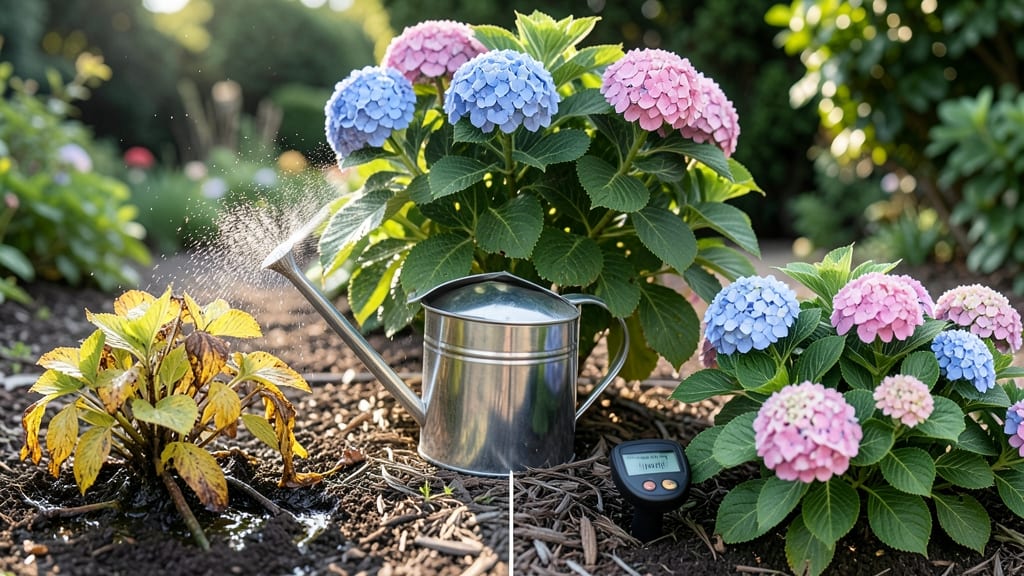
How much water do shrubs need per week? The answer isn’t as simple as 1 inch—that’s just the baseline. 💧 Honestly, I used to drown mine because I assumed "more water = better." The truth? Soil type, season, and even your shrub's species rewrite that rule. Sandy soil drains fast, so you might need twice that amount, while clay holds moisture longer. Then there's the heat wave in July or the damp winter—both change the game.
Most shrubs tell you what they need through their leaves. Drooping or yellowing? You're likely overwatering. Dry, crispy edges? Time to hydrate. I learned this the hard way with my once-lush hydrangea that turned into a sad, brown mess after a week of heavy rain followed by no water.
The fix? A deep soak once a week in summer, less in winter, and always checking the soil 2 inches down before deciding.
Seasonal shifts are everything. In spring and fall, shrubs sip water slowly—1 inch every 10-14 days often does the trick. But summer? That’s when you crank it up to 1-1.5 inches weekly, especially in containers or sandy soil.
Mulch is your secret weapon here—it locks in moisture and keeps roots cool, cutting water needs by nearly 30% in extreme heat.
Here’s the game-changer: watering depth matters more than frequency. A quick sprinkle wets the top layer but leaves roots thirsty. Instead, aim for 6-8 inches deep—that’s how you build drought-resistant shrubs.
Start with a slow drip or soaker hose, let it sink in, and watch your plants thrive without the guesswork. Trust me, your shrubs will thank you.
📚 In This Guide
- What you need
- Instructions
- Tips and common mistakes
- Wrapping up and next steps
What you need
- ● Watering can or hose with a gentle spray nozzle – Choose a 1-gallon (3.8L) capacity for small shrubs or a 5-gallon (19L) capacity for larger ones.
- ● Measuring cup or rain gauge – A 1-cup (8 oz / 240 mL) measuring tool helps track water amounts accurately.
- ● Garden trowel or small shovel – For checking soil moisture 2-3 inches (5-7.5 cm) deep.
- ○ Timer (optional but helpful) – A 10-30 minute interval timer ensures consistent watering sessions.
- ● Mulch (organic or inorganic) – 2-3 inches (5-7.5 cm) thick layer (e.g., wood chips, straw, or gravel) to retain moisture.
- ○ Soil moisture meter (optional but recommended) – A digital probe-type meter for precise readings.
- ● Drip irrigation system – For low-maintenance, consistent watering (especially for multiple shrubs).
- ● Watering wand with adjustable flow – Great for targeted, deep watering without disturbing soil.
- ● Wheelbarrow or bucket – For hauling water or mulch efficiently.
- ● Soil pH test kit – Ensures your shrubs get the right conditions (most prefer 6.0-7.0 pH).
- ● Notebook & pen – To track watering schedules and adjust as needed.
How to water shrubs properly based on soil and season
Here’s how I determine watering needs—it’s all about soil type and weather patterns.
💧 Step 1: Check Soil Type and Water Retention
Start by pressing your finger 2-3 inches deep into the soil near the shrub’s dripline. Sandy soil drains fast and needs watering when it feels dry at this depth, while clay holds moisture longer and may only need watering every 10-14 days. I like to test both dry and wet seasons—what works in summer won’t cut it in winter.
If your soil is rocky or sandy, water deeply once a week to encourage roots to grow downward. If it’s heavy clay, water less frequently but more thoroughly. The key is to mimic natural rain—deep soakings that penetrate 6-12 inches down, depending on the shrub’s maturity.
☀️ Step 2: Adjust for Seasonal Changes
In spring and fall, most shrubs need about 1 inch of water per week from a combination of rain and supplemental watering. I check my rain gauge weekly—if we’ve had less than ½ inch of rain, I top up with a hose or drip system. During summer heat, increase to 1.5–2 inches per week, splitting it into two waterings: once in the early morning and once in the late afternoon.
Winter is different. Most shrubs enter dormancy and need far less water—sometimes just ½ inch monthly unless we have a dry spell. Evergreens are the exception; they’ll need occasional watering if the ground stays frozen or we have dry winds. Watch for wilting leaves or dry soil at the surface—those are your cues.
🌱 Step 3: Focus on Deep, Slow Watering
Use a soaker hose or drip irrigation to deliver water slowly at the base of the shrub. This prevents runoff and ensures moisture reaches the roots where it’s needed. I avoid overhead sprinklers—they waste water and can promote fungal diseases by keeping foliage damp. Water until you see moisture 6-12 inches deep, depending on the shrub’s size.
For newly planted shrubs, water 2-3 times per week for the first month to help roots establish. After that, taper off to the seasonal schedule. Mature shrubs with established root systems can handle longer dry spells, but don’t let the soil become bone-dry—roots can’t recover quickly once stressed.
⏰ Step 4: Monitor for Signs of Over- or Under-Watering
Yellowing leaves or leaf drop usually mean too much water, while crispy, brown edges signal under-watering. I also check the soil around the base—if it smells musty or feels soggy, cut back on watering. For under-watered shrubs, give them a deep soak and mulch around the base to retain moisture.
Mulch is your best friend here. Apply a 2-3 inch layer of organic mulch (like shredded bark or wood chips) around the shrub, keeping it 2 inches away from the trunk. This helps regulate soil temperature and reduces evaporation, cutting your watering needs by 20-30%. Just remember to refresh the mulch annually—it breaks down over time.
Tips & tricks for perfect shrub watering
Keeping your shrubs thriving depends on understanding their unique needs—here's how to get it right every time.
Soil Test Technique: The finger test in Step 1 is your best friend, but there's a trick to make it more accurate. Press your finger in the soil at the dripline (the edge of the shrub's canopy) rather than right at the base. This is where the majority of feeder roots are located, and it gives you a more reliable reading of moisture levels deeper in the soil. I've found that sandy soils often need watering when the top 2-3 inches feel dry, while clay soils can wait until 4-5 inches down show dryness.
Seasonal Adjustments: When summer arrives and you're increasing to 1.5-2 inches of water per week, split those waterings strategically. Early morning watering (before 8 AM) gives plants a full day to absorb moisture before evaporation kicks in, while late afternoon watering (after 4 PM) helps plants recover from daytime heat stress. I've noticed that shrubs watered this way show significantly less leaf scorch during heatwaves. For winter care, remember that evergreens like boxwoods or junipers may need that occasional watering even when other shrubs are dormant.
Equipment Matters: That soaker hose recommendation in Step 3 is spot-on, but here's the pro move: use a hose with adjustable flow settings. Start with a gentle stream and gradually increase pressure until you see water penetrating the soil. This prevents surface runoff and ensures deep watering. I've also found that attaching a simple timer to my soaker hose saves me time and ensures consistent watering—set it for 10-15 minutes per shrub depending on size, and let it do the work while you tend to other garden tasks.
Mulch Maintenance: While that 2-3 inch mulch layer is fantastic for moisture retention, don't let it become a water barrier. After applying fresh mulch, gently press it down around the base of the shrub to create small air pockets. This prevents water from pooling against the trunk while still maintaining its moisture-retaining benefits. I also recommend adding a thin layer of coarse mulch (like pine straw) on top of your regular mulch—this creates an extra insulating layer that helps regulate soil temperature and reduces evaporation even further.
Pro Tips for How Much Water Do Shrubs Need Per Week
- Keeping your shrubs thriving depends on understanding their unique needs—here's how to get it right every time.
- Soil Test Technique: The finger test in Step 1 is your best friend, but there's a trick to make it more accurate.
- Seasonal Adjustments: When summer arrives and you're increasing to 1.5-2 inches of water per week, split those waterings strategically.
Frequently asked questions
Got questions about keeping your shrubs hydrated? Here are some common ones—and their answers—to help you water like a pro!
How do I know if my shrubs are getting enough water?
Check the soil 2-3 inches deep—it should feel moist but not soggy. If it’s dry, it’s time to water. Drooping leaves or yellowing foliage can also signal thirst. Pro tip: Use a moisture meter for accuracy!
Should I water shrubs in the morning or evening?
Morning (before 10 AM) is ideal—it reduces evaporation and gives roots time to absorb water before the heat. Evening watering can promote fungal issues. Exception: In scorching climates, split watering into morning and late afternoon.
Can I use rainwater or collected water for shrubs?
Rainwater is chemical-free and perfect for shrubs. Just avoid collecting water from roofs treated with pesticides. A rain barrel or even a bucket during downpours works great. Bonus: It’s eco-friendly and budget-friendly!
Do shrubs need less water in winter?
Yes! Most shrubs enter dormancy and need 30-50% less water in winter. Water only when soil is bone-dry (check with a trowel). Evergreens may need occasional hydration, but avoid overwatering—root rot is a risk.
What if my shrubs look wilted after watering?
Wilting can mean overwatering (roots suffocate) or underwatering. Let the soil dry slightly between waterings. If the problem persists, check drainage—shrubs hate soggy roots! Adjust your schedule based on soil type (sandy vs. clay).
Wrapping up and next steps
Finding the perfect balance for your shrubs’ water needs doesn’t have to be a guess—it’s all about tuning into your soil, climate, and the season! 🌱 With the right approach, you’ll keep your shrubs thriving while saving water and effort.
Now that you’re armed with these insights, take action: grab your hose or watering can, observe your plants, and adjust as needed. Happy gardening—your green oasis is waiting!