
Pruning
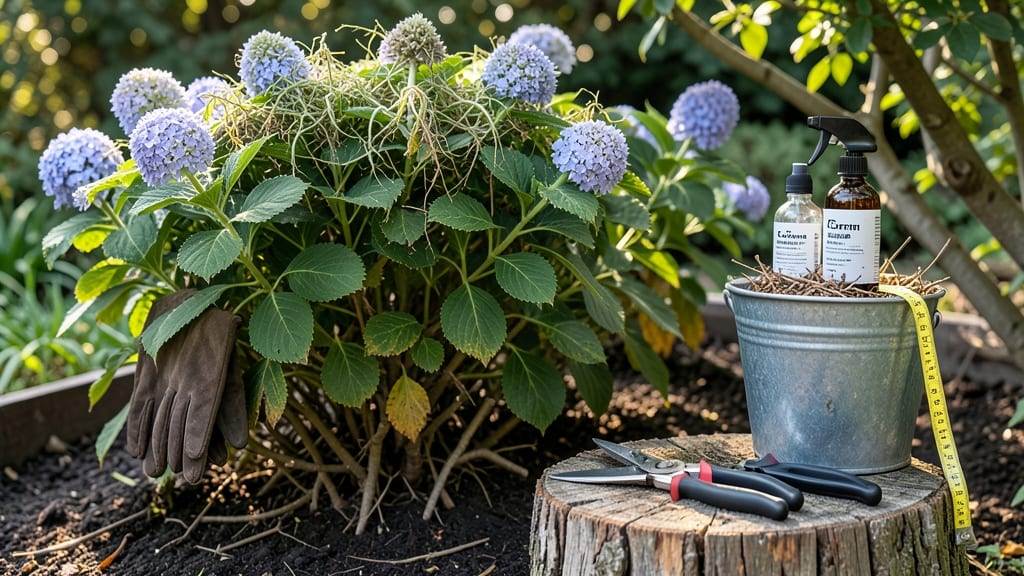
Cutting back overgrown shrubs transforms a wild, unruly mess into a neat, healthy focal point that keeps flowering and growing for years. ✂️ I’ve turned my own tangled lilacs from a jungle into a well-behaved hedge—here’s how you can too without killing your plants in the process.
The key is timing: prune spring-blooming shrubs right after flowers fade, but tackle summer/fall bloomers in late winter. You’ll need sharp bypass pruners, loppers for thicker branches, and a clean workspace to avoid spreading disease. Most shrubs bounce back surprisingly fast when you follow the right cuts.
After pruning, you’ll see fresh green growth within 2-3 weeks, and your shrub will look fuller than ever. The secret is cutting just above a leaf node or bud—never leaving stubs—and shaping gradually over a few seasons to avoid shock.
Works for any shrub type, from formal boxwoods to wild hydrangeas. Let’s get those branches under control the right way!
📚 In This Guide
- What you need
- Instructions
- Tips and common mistakes
- Wrapping up and next steps
What you need
- ● Pruning shears: Bypass pruners (for clean cuts on small to medium stems, 6–8 inches long, with sharp, stainless steel blades).
- ● Loppers: Bypass or anvil style (for thicker branches, 18–24 inches long, with a long handle for leverage).
- ● Pruning saw: Curved-tooth or folding saw (for large, woody stems, 10–14 inches long).
- ● Gloves: Heavy-duty, cut-resistant (to protect hands from thorns and sharp edges).
- ● Disinfectant: Rubbing alcohol (70%+) or bleach solution (1 part bleach to 9 parts water) (to sterilize tools between cuts and prevent disease spread).
- ● Trash bags: Heavy-duty, 30+ gallon (for collecting pruned debris; 2–3 bags per shrub, depending on size).
- ● Ladder (if needed): Sturdy, extendable (for tall shrubs; ensure it’s rated for your weight and height requirements).
- ● Pruning sealant: (for large cuts on non-evergreen shrubs to prevent disease; apply sparingly).
- ● Knee pads: (for comfort if you’ll be kneeling or bending for extended periods).
- ● Work apron with pockets: (to keep tools and small items organized).
- ● Safety glasses: (to protect eyes from debris, especially when using a saw).
- ● Garden hose or spray bottle: (to rinse tools and clean up sap/resin).
Step-by-step guide to cutting back overgrown shrubs
Here's how I transform unruly shrubs into healthy, shaped plants—no matter the season.
✂️ Step 1: Assess the Shrub and Choose Your Approach
Start by examining the shrub's growth pattern and health. Look for dead, diseased, or crossing branches that need removal first. I always use clean, sharp pruning shears—dull blades tear tissue and invite infections. For larger branches, grab your loppers or pruning saw.
Decide whether you're pruning for shape, size control, or rejuvenation. Flowering shrubs often bloom on old wood, so I wait until after they finish flowering to cut back. Evergreens can be pruned anytime, but spring is ideal for most deciduous shrubs. Watch for new growth buds—they'll guide where to make your cuts.
🌿 Step 2: Remove Dead or Damaged Growth First
Begin by cutting out any dead, diseased, or crossing branches. These compete with healthy growth and can spread problems throughout the plant. Make clean cuts at a 45-degree angle just outside the branch collar—the swollen area where the branch meets the trunk. This prevents water from pooling and rotting the wound.
For diseased branches, sterilize your tools with rubbing alcohol between cuts. I like to work in sections, removing one branch at a time and stepping back to check the overall shape. This prevents over-pruning and helps me visualize the final result. If you see signs of pests like sawdust-like frass or sticky sap, note the location for follow-up treatment.
✂️ Step 3: Shape the Shrub Gradually
Now focus on shaping. For formal hedges, use a string line for straight edges. For natural shapes, follow the plant's natural growth habit. Cut back no more than one-third of the shrub's total growth in a single season—this prevents shock. Always cut back to an outward-facing bud to encourage growth in the right direction.
Step back frequently to assess your progress. You'll see the shrub take shape as you remove excess growth. For layered shrubs, start with the bottom branches, then work upward. This creates that classic tiered look and prevents the shrub from looking top-heavy. Avoid cutting into old wood—it won't regrow, and you'll end up with bare spots.
🌱 Step 4: Clean Up and Maintain Health
After pruning, remove all clippings from the base of the plant to prevent disease. I like to rake up debris and dispose of it in the trash—never compost diseased material. Sterilize your tools again with rubbing alcohol or a bleach solution (1 part bleach to 9 parts water) to prevent spreading pathogens.
Water the shrub deeply after pruning to help it recover. Mulch around the base with 2-3 inches of organic mulch to retain moisture and protect roots. Monitor the shrub over the next few weeks for new growth. If you see yellowing leaves or wilting, it might be adjusting to the pruning—just keep it well-watered and give it time. Regular pruning keeps shrubs healthy and encourages fuller growth season after season.
Tips & tricks for perfect shrub pruning
Transforming overgrown shrubs into healthy, shaped plants takes more than just cutting—it's about strategy and care. Here's what I've learned after years of pruning mistakes (and successes!).
Tool Selection Matters: I can't stress enough how important sharp tools are. Dull pruners tear plant tissue, making wounds larger and inviting disease. Before you start, test your shears by making a clean cut through a piece of paper—if it doesn't slice cleanly, sharpen or replace them. For branches thicker than your wrist, loppers or a pruning saw are essential. I keep a small bottle of rubbing alcohol handy to sterilize tools between cuts, especially when dealing with diseased branches.
Timing is Everything: The instructions mention waiting until after flowering for blooming shrubs, and that's critical. For example, azaleas and rhododendrons bloom on old wood, so pruning after their spring display ensures next year's flowers. Evergreens are more forgiving, but spring is still ideal for most. Pro tip: Look for the fat, swollen buds—they're your guide for where to make cuts to encourage new growth in the right direction.
Visualize First: Before making any cuts, step back and imagine the final shape. I like to sketch a rough outline on paper first, especially for formal hedges. For natural shapes, follow the plant's natural growth habit. Remember the one-third rule—never remove more than one-third of the shrub's total growth in a single season. This prevents shock and gives the plant time to recover. I often work in sections, removing one branch at a time and stepping back to assess progress.
Post-Pruning Care: The cleanup after pruning is just as important as the cuts themselves. Remove all clippings from the base of the plant to prevent disease, and sterilize your tools again with rubbing alcohol or a bleach solution. After pruning, water deeply and apply 2-3 inches of organic mulch around the base. This helps retain moisture and protects roots as the shrub recovers. I've seen shrubs struggle after pruning simply because they weren't given enough water during the recovery period.
Pro Tips for Cut Back Overgrown Shrubs
- Transforming overgrown shrubs into healthy, shaped plants takes more than just cutting—it's about strategy and care.
- Tool Selection Matters: I can't stress enough how important sharp tools are.
- Timing is Everything: The instructions mention waiting until after flowering for blooming shrubs, and that's critical.
Frequently asked questions
Got questions about tackling those wild shrubs? You’re not alone! Here are some of the most common concerns—and straightforward answers—to help you prune like a pro.
When is the best time to prune overgrown shrubs?
The ideal time depends on your shrub type! For spring-blooming shrubs (like lilacs or azaleas), prune right after flowering. Summer-bloomers (e.g., hydrangeas) can wait until late winter or early spring. Evergreens? Lightly shape them anytime, but avoid heavy cuts in late fall or winter to prevent stress. Always check your specific shrub’s needs!
Can I use regular scissors or do I need pruning shears?
For small shrubs or light trimming, hand pruners or sharp scissors work fine. But for thick branches or overgrown shrubs, dedicated pruning shears (bypass or anvil type) are a game-changer—they cut cleaner and reduce damage. Skip the hedge clippers unless you’re shaping boxwoods or similar dense shrubs.
What if I cut too much off? Will my shrub die?
Don’t panic! Most shrubs are resilient, but avoid removing more than ⅓ of the plant’s foliage in one go. If you’ve already overdone it, focus on healthy growth (green stems) and water deeply. New growth will sprout from the base or buds—just be patient and give it time to recover. Pro tip: Never top a shrub (cutting the top flat)—it weakens the plant!
Do I need to sterilize my tools between cuts?
Sterilizing tools (with rubbing alcohol or a 10% bleach solution) between shrubs prevents spreading fungal diseases or bacterial infections. Wipe blades down after each plant, especially if you’re working with diseased foliage. It’s a small step that keeps your garden thriving!
What’s the deal with “thinning out” vs. “shearing”?
Thinning (selective pruning) removes entire branches to improve airflow and light—great for shrubs like forsythia or spirea. Shearing (even cuts) shapes dense shrubs (e.g., boxwoods) but can look unnatural if overdone. Mix both methods: thin out dead/weak growth first, then shear for shape. Balance is key!
Wrapping up and next steps
Cutting back overgrown shrubs doesn’t have to be daunting—with the right tools, timing, and technique, you can restore their health and beauty while keeping your yard looking sharp. 🌿 Remember, patience and precision are key, whether you’re pruning for shape, size, or seasonal renewal.
Start small, work methodically, and soon your shrubs will thrive year after year!
Ready to tackle your next project? Plan your next pruning session—maybe focus on a different shrub or even expand to trees!—and enjoy the satisfaction of a well-maintained landscape. Happy gardening! 🌱