
Shrubs
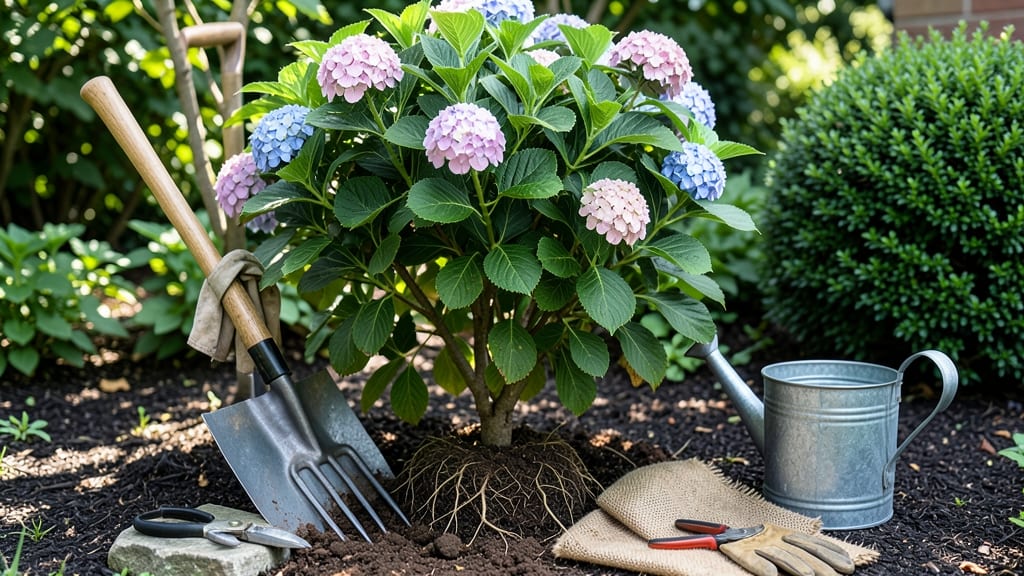
Moving a shrub without killing it starts with the right timing and tools—digging up shrubs in early spring or fall when roots are dormant makes all the difference. I’ve relocated half my yard this way, and the secret is working with the roots, not against them.
A sharp spade, burlap, and a wheelbarrow become your lifeline when the roots are bigger than the pot you’re using.
First, mark the new location and dig the hole twice as wide as the root ball but no deeper. Water the shrub 24 hours before moving to loosen the soil—this reduces breakage when you lift.
For large shrubs, dig a trench around the base, cutting roots only if necessary, then gently rock the shrub free. Evergreens need extra care: wrap the root ball in burlap soaked in water to prevent drying.
After transplanting, backfill with native soil mixed with compost, then water deeply to eliminate air pockets. Mulch around the base to retain moisture, and avoid fertilizing for 6-8 weeks—new roots need time to establish without stress.
You’ll know it’s working when new growth appears within 4-6 weeks, proving the roots survived the move.
Common mistakes? Skipping the watering prep or using a shovel instead of a spade for clean cuts. Deciduous shrubs handle relocation better than evergreens, which dry out faster. With patience, even the biggest shrubs can thrive in their new home—just give them time to settle in.
📚 In This Guide
- What you need
- Instructions
- Tips and common mistakes
- Wrapping up and next steps
What you need
- ● Shovel or spade: A digging shovel (16–18 inches wide) for breaking up soil and a transplant spade (with a sharp, straight edge) for clean cuts around roots.
- ● Pruning shears or loppers: For trimming back overgrown branches to reduce stress on the shrub.
- ● Garden fork or mattock: Helps loosen compacted soil around deep or woody roots.
- ● Wheelbarrow or tarp: For transporting soil and the shrub to its new location.
- ● Garden hose or bucket: To keep roots and soil moist during the process.
- ● Measuring tape: To assess the shrub’s root ball size and dig depth accurately.
- ○ Burlap or landscape fabric: (Optional but helpful) Wrap the root ball to protect it during transport.
- ○ Root stimulator or mycorrhizal fungi: (Optional) Boosts root growth post-relocation.
- ○ Mulch: (Optional) Shredded bark or compost to retain moisture in the new planting hole.
- ○ Stakes and twine: (Optional) For temporarily securing the shrub if it’s tall or top-heavy.
- ● Check the weather: Aim for a cool, cloudy day to minimize transplant shock.
- ● Water the shrub 24–48 hours before digging to soften the soil and reduce root damage.
- ● Plan the new location: Ensure it has the same sunlight, soil, and drainage conditions as the original spot.
Step-by-Step instructions for safely relocating shrubs
Moving shrubs without harming them takes planning—but these steps make it simple and stress-free.
Choose the Right Time and Prepare the New Location
Spring or early fall offers the best conditions for transplanting shrubs. Avoid extreme heat or cold, which can shock the plant. Pick a day with mild temperatures and light cloud cover to reduce stress. Before digging, clear the new planting area of weeds, rocks, or debris down to at least 12 inches deep.
Loosen the soil with a garden fork or tiller to improve drainage and root expansion. Mix in 2-3 inches of compost into the top 6 inches of soil to enrich it. This prepares the ground so your shrub can establish quickly after relocation. Water the area thoroughly 24 hours before transplanting to ensure the soil is moist and workable.
Prune and Mark the Shrub for Digging
About 1-2 weeks before digging
, trim back one-third of the shrub’s foliage to reduce water loss and stress. Focus on cutting back long, leggy branches to encourage bushier regrowth. Mark the shrub’s drip line—the outermost edge of the canopy—with stakes or spray paint to guide your digging.On the day of transplanting, water the shrub deeply to hydrate the roots. This makes the soil easier to work with and helps prevent root damage during removal. If the shrub is large, consider using a transplanting spade or saw to cut through thick roots rather than pulling them by hand. This minimizes breakage and keeps the root ball intact.
Dig Around the Shrub’s Root Ball
Start digging 12-18 inches away from the trunk and work your way inward in a circular motion. Use a sharp spade or shovel to cut vertically down to the root ball’s depth, which is roughly 12-18 inches deep for most shrubs. The goal is to keep as much of the root system intact as possible—this reduces transplant shock.
As you dig, gently loosen the soil around the edges of the root ball. For larger shrubs, you may need to use a pruning saw to sever thick roots. Avoid tearing roots—this can weaken the plant and delay recovery. Once the root ball is exposed, slide the spade underneath and lift the shrub carefully. If the root ball is too heavy, use a wheelbarrow or tarp to transport it to the new location.
Transport and Plant the Shrub in Its New Home
Wrap the root ball in burlap or a tarp to protect it during transport. Keep the shrub shaded and hydrated by misting the roots lightly if it’s hot or windy. At the new location, position the shrub so the top of the root ball sits 1-2 inches above ground level. This prevents settling and potential rot over time.
Backfill the hole with the soil you removed, mixing in additional compost as needed. Tamp down gently to remove air pockets but avoid compacting the soil too firmly. Water deeply to settle the soil and eliminate air gaps around the roots. Mulch the base with 2-3 inches of organic mulch, keeping it 3 inches away from the trunk to prevent rot.
Water and Monitor for Recovery
Water the newly planted shrub thoroughly immediately after transplanting, then maintain consistent moisture for the first 2-3 weeks. Deep watering 2-3 times per week encourages root growth without over-saturating the soil. Avoid letting the root ball dry out, but also prevent waterlogging, which can suffocate roots.
Monitor the shrub closely for signs of stress, such as wilting, yellowing leaves, or stunted growth. If you notice these symptoms, adjust your watering or check for pests. Most shrubs take 4-6 weeks to fully recover, but some may take up to a year for large specimens. Prune lightly if needed to encourage new growth, but avoid heavy trimming during the first season.
Tips & tricks for safely relocating shrubs
Moving shrubs successfully comes down to a few key details that make all the difference between a thriving transplant and a struggling one.
Timing is Everything: The 24-hour advance watering in Step 1 is non-negotiable—it ensures the soil is perfectly workable when you dig. I've seen people skip this and end up with clumpy soil that tears roots. If your weather forecast predicts rain, move your transplanting day up by 24 hours to avoid soggy soil conditions.
Root Ball Preservation: In Step 3, when you're cutting vertically down to the 12-18 inch depth, think of it like unwrapping a gift—you want that root ball to stay intact. Use a sharp spade and work slowly around the edges. For stubborn roots, a pruning saw is your best friend, but never yank or pull. I once tried to drag a large hydrangea by its roots and ended up with a broken root system that took two years to recover.
Transport Protection: The burlap or tarp wrapping in Step 4 isn't just about keeping roots moist—it's about maintaining structural integrity. I've seen root balls collapse when transported without protection, which can cause irreparable damage. If you're moving a particularly large shrub, consider using a wheelbarrow with a tarp secured over it to prevent any shifting during transport.
Post-Planting Recovery: That 2-3 week watering schedule in Step 5 is your plant's lifeline. I recommend setting a phone reminder for your watering days—consistency is more important than volume. Most people overwater initially and then forget completely, which can be just as damaging as underwatering. A simple spray bottle keeps the roots hydrated without oversaturating.
Pro Tips for Dig Up Shrubs
- Moving shrubs successfully comes down to a few key details that make all the difference between a thriving transplant...
- Timing is Everything: The 24-hour advance watering in Step 1 is non-negotiable—it ensures the soil is perfectly worka...
- Root Ball Preservation: In Step 3, when you're cutting vertically down to the 12-18 inch depth, think of it like unwr...
Frequently asked questions
about digging up shrubs—because even pros need a little extra guidance! Here are answers to the most common questions to help you relocate your shrubs like a pro.When is the best time of year to dig up shrubs?
The ideal times are early spring (before new growth) or late fall (after leaf drop). These seasons minimize stress on the plant. Avoid extreme heat or cold, as they can shock the roots. If you must move in summer, do it on a cloudy day and water thoroughly afterward.
How long does it take for a shrub to recover after being dug up?
Recovery time varies by shrub type, but most take 4–8 weeks to establish roots in their new location. Smaller shrubs bounce back faster, while larger ones may need a full growing season. Keep soil moist and mulch the base to speed up healing.
Should I water my shrub before or after digging it up?
Water the shrub 2–3 days before digging to soften the soil and reduce root damage. After transplanting, water immediately and keep the soil consistently moist for the first 2 weeks. Deep watering helps roots reattach to the new soil.
Can I divide a large shrub instead of digging it up entirely?
Yes! If your shrub is clumping (like hydrangeas or spirea), you can divide it into smaller sections. Dig around the base, separate into root-bound clumps, and replant. Just ensure each division has healthy roots and stems. Avoid dividing woody shrubs like boxwoods—they don’t recover well.
What should I do if my shrub’s leaves turn brown after moving?
Brown leaves are normal for a few weeks post-transplant, but wilting or yellowing signals stress. Check for overwatering (root rot) or underwatering (dry soil). Trim dead leaves and prune any damaged branches. If the issue persists, adjust care or consider a root stimulator.
Wrapping up and next steps
Digging up shrubs doesn’t have to be stressful—with the right tools, timing, and technique, you can relocate them safely and give them a fresh start! Remember to water them thoroughly beforehand, use a sharp shovel to minimize root damage, and protect their roots with burlap or a tarp.
Patience and care are key, especially during the transplanting process.
Now that you’re armed with these tips, go ahead and give your shrubs the move they deserve! 🌿 Next, focus on post-relocation care—like proper watering and mulching—to help them thrive in their new home.