
Pruning
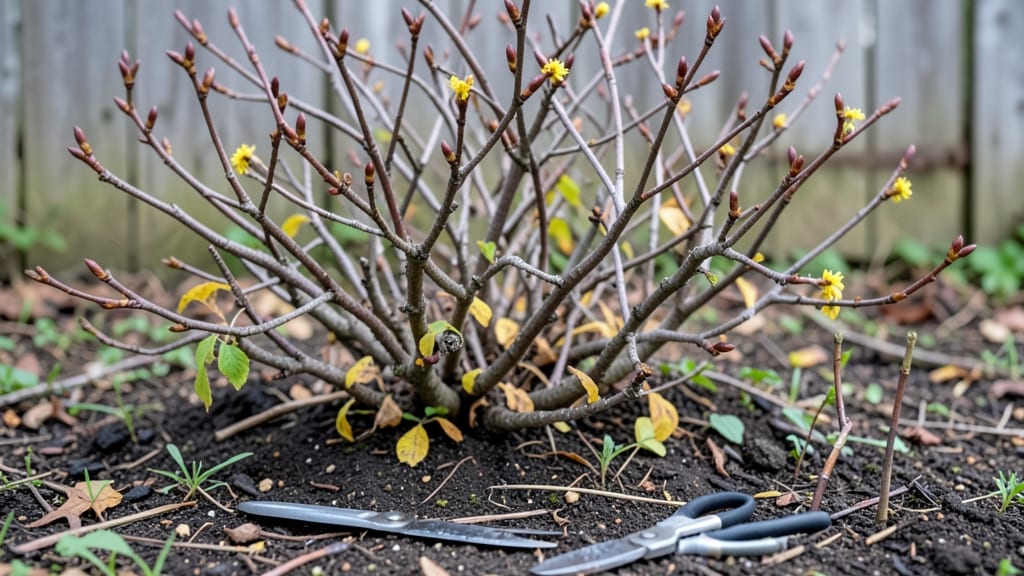
Pruning barberry shrubs transforms them from scraggly to showstopping—if you do it right. I’ve spent years watching these tough plants go from wild to neatly shaped, and the secret lies in timing, sharp tools, and knowing exactly what to cut.
The best part? You can prune them almost year-round, as long as you follow the right rules.
Start with clean, sharp pruners and heavy-duty gloves—those thorns don’t play nice. The ideal time is late winter or early spring, right before new growth kicks in, but you can also trim lightly after flowering to keep them tidy.
For overgrown shrubs, rejuvenation cuts work wonders, though they take patience. The goal is to open up the center for better airflow and sunlight, which means more blooms and fewer pests.
After pruning, you’ll notice a denser, bushier plant within weeks—those fresh green shoots are a dead giveaway. Plus, the flowers (if you’ve got a flowering variety) will pop even brighter against the lush foliage.
Just avoid cutting into old wood if you’re after berries, since those form on last year’s growth. A little precision goes a long way.
For those with edible varieties, timing matters even more—harvest berries in late summer or fall, but hold off on heavy pruning until after they’ve ripened. And if your barberry’s getting too leggy?
Don’t panic—just work in stages over a few years. The key is consistency, not perfection. Your shrubs will thank you.
📚 In This Guide
- What you need
- Instructions
- Tips and common mistakes
- Wrapping up and next steps
What you need
- ● Pruning shears (bypass or anvil type) – Choose sharp, high-quality shears (4-6 inches) for clean cuts on smaller stems.
- ● Loppers (for thicker branches) – Opt for bypass loppers (8-10 inches) to avoid crushing stems over ½ inch thick.
- ● Pruning saw (for large, woody growth) – A curved-tooth saw works best for branches over 1 inch in diameter.
- ● Gloves (heavy-duty, cut-resistant) – Protect your hands from thorns and rough bark (leather or reinforced fabric preferred).
- ● Disinfectant (70% isopropyl alcohol or bleach solution) – Clean tools between cuts to prevent disease spread (1 part bleach to 9 parts water).
- ● Hedge shears – For shaping formal hedges or dense foliage.
- ● Extension pole pruners – Reach high branches without a ladder (10-12 feet recommended).
- ● Rag or paper towels – Wipe tools between cuts for quick disinfection.
- ● Safety glasses – Protect your eyes from debris or sap splatter.
- ○ Marking spray (optional) – Highlight areas to keep or remove for better visibility.
- ● Check the weather forecast – Prune on a dry, calm day (avoid wind or rain).
- ● Review your pruning goals – Decide if you’re rejuvenating, shaping, or removing deadwood.
- ● Have a cleanup plan – Gather a bucket or tarp for clippings (compost or dispose properly).
Step-by-step instructions for pruning barberry shrubs
Here’s the method I’ve used for years to keep barberries healthy, dense, and full of vibrant foliage.
Understand the Right Time to Prune
Barberries respond best to pruning in late winter or early spring, just as new growth begins. This timing ensures you remove dead wood while encouraging fresh, vigorous shoots. Avoid pruning in fall—it leaves the plant vulnerable to winter dieback. If you must prune in summer, do so after flowering to maintain the shrub’s natural shape without sacrificing next year’s blooms.
Look for dormant branches that are brittle or lack leaves—these are your first targets. Healthy branches will have green buds ready to burst open in spring. If you’re unsure, wait until you see at least one or two green buds on a branch before cutting.
Gather Tools and Prepare the Workspace
You’ll need clean, sharp pruning shears for small branches and loppers for thicker stems. Disinfect your tools with rubbing alcohol before starting to prevent spreading disease between cuts. Lay out a tarp or old sheet to collect clippings—barberry branches can be thorny, so protect your hands and workspace.
Work on a dry day when the shrub isn’t stressed. Avoid pruning after rain, as wet branches are harder to handle and can spread fungal spores. If you’re pruning a large barberry, consider wearing gloves—those thorns don’t play nice with bare skin.
Remove Dead, Diseased, or Damaged Wood
Start by scanning the shrub for dead branches—these will be dry, brown, and snap easily when bent. Cut these back to the main stem or a healthy bud using a clean, angled cut. Next, look for branches with signs of disease, like blackened leaves, mold, or unusual spots. Remove these entirely to prevent the issue from spreading.
If a branch is damaged but still alive (like from winter frost), trim it back to the last healthy bud. Never leave stubs—always cut just above a bud or branch collar to encourage proper healing. This step keeps your barberry strong and prevents pests from moving into weak areas.
Thin Out Crowded or Overlapping Branches
Barberries grow dense, so you’ll often find branches rubbing against each other or growing inward. These should be removed to improve airflow and sunlight penetration. Focus on branches that cross or overlap—cut them back to the main stem or a healthy outward-facing bud. This step is key for maintaining a bushy, full shrub.
Step back occasionally to check your progress. You want to see light filtering through the center of the shrub. If you’re unsure whether to keep a branch, ask yourself: Does this branch contribute to the overall shape, or is it just taking up space? If it’s the latter, it’s time to go.
Shape and Maintain the Shrub’s Form
Once you’ve removed the dead, diseased, and crowded branches, it’s time to refine the shape. Barberries respond well to light pruning, so avoid cutting back more than one-third of the shrub’s total growth in a single season. Use your shears to trim just the tips of branches that are growing too long or out of place.
For a natural look, follow the shrub’s natural growth pattern. If your barberry has a rounded form, taper your cuts to maintain that shape. If it’s more upright, focus on keeping the top slightly narrower than the base. Finish by cleaning up any small twigs or rough edges with your pruning shears.
Clean Up and Monitor Recovery
After pruning, rake up and dispose of all clippings—don’t leave them on the ground, as they can harbor pests or diseases. Water the base of the shrub deeply to help it recover from the stress of pruning. Over the next few weeks, keep an eye out for new growth—this is your sign that the pruning was successful.
If you notice any unusual wilting, discoloration, or pests after pruning, act quickly. A light application of fungicide or insecticidal soap can prevent small issues from becoming big problems. With proper care, your barberry will bounce back stronger than ever, ready for another season of growth.
Tips & tricks for perfect barberry pruning
Pruning barberry shrubs might seem intimidating, but these key insights will help you achieve professional results without stress.
Timing is Everything: The late winter or early spring timing in Step 1 is critical because it allows the shrub to heal before summer heat arrives. I've learned that if you must prune in summer, always wait until after flowering—this preserves next year's blooms while still maintaining shape. Trust me, skipping this step can leave your barberry looking ragged by next season.
Tool Preparation Matters: In Step 2, I can't emphasize enough how important it is to disinfect your tools before starting. I once skipped this step and ended up with a fungal infection spreading through my entire shrub. Use rubbing alcohol on both pruning shears and loppers, and consider wearing gloves—those thorns are sharper than they look, and they'll draw blood if you're not careful.
Visual Cues for Healthy Cuts: When removing branches in Step 3, look for the "branch collar" where the branch meets the main stem. This is the small, swollen area you should cut just above. I used to make the mistake of leaving stubs, which can rot and attract pests. Make clean, angled cuts about 1/4 inch above this collar for the healthiest results.
Shape with Purpose: Step 5's emphasis on maintaining natural shape is key. I recommend stepping back every few minutes to check your progress. If your barberry has a rounded form, taper your cuts slightly to maintain that silhouette. For upright varieties, keep the top narrower than the base—this creates a balanced, elegant look that's both functional and visually appealing.
Pro Tips for Prune Barberry Shrubs
- Pruning barberry shrubs might seem intimidating, but these key insights will help you achieve professional results without stress.
- Timing is Everything: The late winter or early spring timing in Step 1 is critical because it allows the shrub to heal before summer heat arrives.
- Tool Preparation Matters: In Step 2, I can't emphasize enough how important it is to disinfect your tools before starting.
Frequently asked questions
Got questions about pruning your barberry shrubs? You’re not alone! Here are some of the most common concerns—and expert answers—to keep your shrubs thriving with minimal stress.
When is the best time to prune barberry shrubs?
The ideal time is late winter or early spring (just before new growth starts) for general shaping. If you need to remove dead or diseased branches, do it year-round—just avoid pruning in extreme heat or cold. For flowering barberries, prune after blooming to preserve next year’s flowers.
How much can I trim back my barberry shrubs?
You can safely remove up to one-third of the plant’s growth in a single pruning session. For older shrubs, never cut more than 25% in one go—this prevents shock. If your barberry is overgrown, spread pruning over 2-3 years for a gentler approach.
What if my barberry leaves turn brown or yellow after pruning?
This is often normal if it’s old growth being removed. However, if new growth turns yellow, check for overwatering, poor drainage, or fungal issues (like rust or powdery mildew). Adjust care and monitor for pests—neem oil can help if needed.
Can I prune barberry shrubs in the fall?
Fall pruning is risky because it encourages tender new growth that may not survive winter. If you must prune, do it early fall (September) and avoid heavy cuts. Focus on removing dead wood or crossing branches instead.
What’s the difference between pruning barberry and other shrubs?
Barberries are hardy and fast-growing, so they tolerate pruning better than delicate shrubs. Unlike roses (which need deadheading), barberries thrive with structural pruning—focus on shape, airflow, and removing suckers at the base. Their thorns also mean wear gloves!
Still stumped? Drop your question in the comments—we’re happy to help your barberry shine!
Wrapping up and next steps
Pruning your barberry shrubs doesn’t have to be intimidating—with the right tools, timing, and techniques, you’ll keep them healthy, vibrant, and thriving year after year! 🌿 Whether you’re shaping for aesthetics or boosting growth, remember: consistency is key. Start small, observe your shrubs’ response, and adjust as needed.
Ready to take the next step? Grab your pruners, pick a sunny day, and give your barberries the care they deserve! Your garden will thank you with lush, beautiful foliage for seasons to come.