
Shrubs
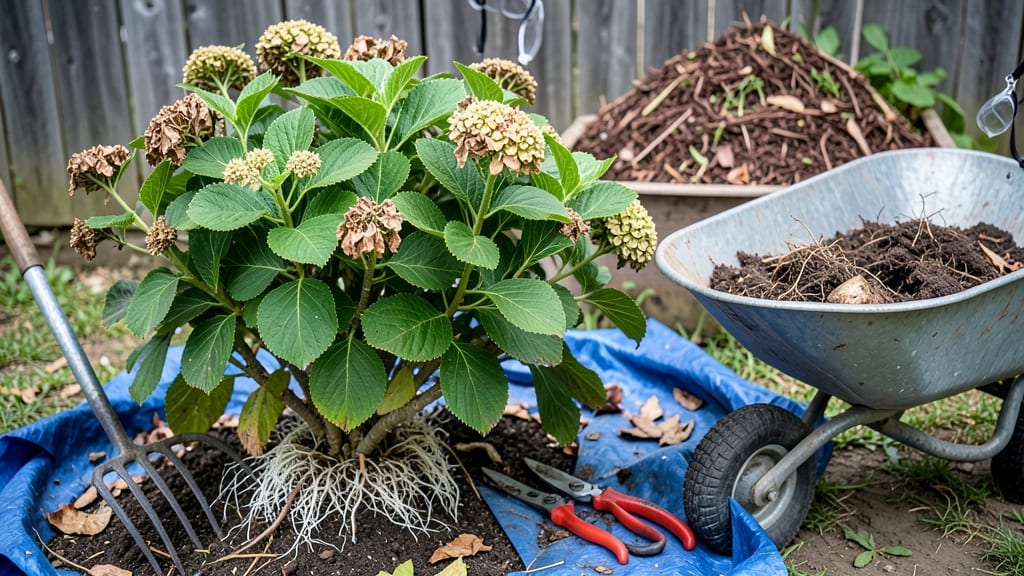
How to remove shrubs from the yard feels like wrestling with a stubborn neighbor—until you know the right moves. 🌿 The secret isn’t brute force but strategy: cutting at the right time, removing roots completely, and avoiding regrowth. I’ve turned my backyard from a tangled mess into clean lines by following these three steps, and you can too. Start with the right tools—a sharp shovel, pruners, and a stump grinder if the roots are thick. Wear gloves and long sleeves; thorns and splinters are no joke. The best time to tackle this is late fall or early spring when the plant isn’t actively growing, making it easier to dig without stressing yourself or the yard. You’ll end up with a smooth, open space ready for new plants or a fresh lawn. The key is patience—don’t rush the root removal, or you’ll spend next season pulling up stubborn suckers. Think of it as a fresh start for your outdoor space, one that’ll pay off in easier maintenance and a yard you’ll actually enjoy. For larger shrubs or stubborn roots, consider renting a stump grinder to save time and effort. And if you’re removing natives, check local regulations—some plants are protected, and replanting with similar species helps the ecosystem. Let’s get that yard back under your control!
📚 In This Guide
- What you need
- Instructions
- Tips and common mistakes
- Wrapping up and next steps
What you need
- ● Shovel (flat-edged or digging) – A sturdy, 5- to 7-inch-wide blade for digging roots (e.g., Fiskars or similar). Pro tip: Rent a mattress shovel (wide, flat blade) for big shrubs—it’s a game-changer! 💡
- ● Pruning shears or loppers – Bypass pruners (for clean cuts) or loppers (18–24 inches) for thicker branches. Safety first! Wear gloves to avoid snags. 🧤
- ● Garden fork or root pruner – A heavy-duty fork or d-handle root saw to slice through stubborn roots (especially for woody shrubs like honeysuckle or privet).
- ○ Wheelbarrow or tarp – A 5-cubic-foot wheelbarrow or heavy-duty tarp to haul debris. Optional: A shredder if you’re composting!
- ● Rake (bow or leaf) – For clearing loose soil, mulch, or small roots post-digging.
- ● Garden hose with nozzle – To rinse tools and wet stubborn roots (makes digging easier!).
- ● Work gloves – Heavy-duty, thorn-resistant (e.g., Mechanix or Dr. McGill’s). Pro tip: Add arm sleeves if tackling brambles like blackberries! 🛡️
- ● Safety gear – Sunglasses, closed-toe shoes, and long pants to protect from debris and scratches.
- ● Root killer or vinegar spray – Glyphosate (Roundup) or 20% vinegar + dish soap to pre-treat stubborn shrubs (spray 2–3 days before digging).
- ● Post-hole digger – For deep or rocky soil—saves your back!
- ● Knee pads – Because digging all day isn’t a flex unless you’re a superhero. ✨
- ● Trash bags (30–50 gallon) – For hauling debris if your wheelbarrow is full.
- ● Mulch or landscape fabric – To prep the area for new plants post-removal.
- ● Check local regulations – Some areas restrict burning or composting invasive species (e.g., English ivy or Japanese knotweed). Call your local waste management for disposal rules.
- ● Mark utilities – Use 811 to locate underground lines before digging.
- ● Water the shrubs – 24 hours before digging to soften the soil and make roots easier to extract.
Step-by-Step guide to removing shrubs from your yard
Here's the straightforward method I use to eliminate shrubs cleanly without leaving stubborn roots behind.
✂️ Step 1: Cut Back and Prepare the Shrub
Start by cutting the shrub back to within 6 inches of the ground using pruning shears or a handsaw. This makes the remaining stump easier to handle and reduces the risk of tearing. I like to work on a dry day—wet soil sticks to roots and makes cleanup harder.
Remove any large branches first to clear space. For thorny shrubs like roses, wear thick gardening gloves and long sleeves to avoid scratches. Once the main structure is reduced, you'll see the root system clearly—this helps you plan your digging strategy.
🪴 Step 2: Dig Around the Base and Expose Roots
Using a shovel or mattock, dig a 6-inch-deep trench around the shrub's perimeter, about 4-6 inches away from the stem. This creates a clean edge for the roots. Work slowly to avoid cutting through roots prematurely—you want to expose the entire root ball intact.
For large shrubs, I switch to a garden fork to loosen compacted soil. Pry gently upward to break up the soil without severing roots. You'll feel resistance as you hit the main roots—this is normal. The goal is to lift the entire root system in one piece for easiest removal.
💧 Step 3: Lift and Remove the Shrub
Once the roots are exposed, wedge the shovel under the root ball and lift straight up. For stubborn roots, I use a pry bar to gently separate any remaining soil. If the shrub is too heavy to lift, dig deeper around the edges until you can. Never force it—this can break roots and leave fragments behind.
After removal, fill the hole with topsoil or compost to prepare for new plantings. I always check the remaining soil for any remaining root pieces and remove them by hand. This prevents regrowth and keeps your yard clean. For large shrubs, you might need help lifting—team up with a neighbor or use a wheelbarrow to transport the debris.
⏰ Step 4: Clean Up and Prevent Regrowth
Rake the area smooth and dispose of the shrub debris properly. For invasive species like bamboo, burn the material or bag it to prevent spreading. I like to add a 2-inch layer of mulch over the empty space to suppress any remaining root sprouts.
If you notice small shoots popping up later, pull them immediately. The key to a completely thorn-free yard is persistence—check the area monthly for the first few months. For stubborn roots, a vinegar and salt solution sprayed directly on new growth works well as a natural herbicide.
Tips & tricks for a clean shrub removal
Removing shrubs doesn't have to be a battle—these key tricks make the job easier and more effective.
Timing is Everything: Schedule your shrub removal for a dry day, especially if your yard has clay soil. Wet conditions make roots slippery and harder to expose cleanly. I've learned this the hard way after struggling with muddy trenches that collapsed mid-dig. Start early in the day when the soil is still cool—roots are easier to lift when they're not baked hard by afternoon sun.
The Right Tools Make All the Difference: Don't just grab any shovel—opt for a bypass pruner for Step 1 to make clean cuts, and a digging bar for Step 3 when stubborn roots resist. I keep a small trowel handy for removing those last stubborn root fragments after lifting. For thorny shrubs, invest in heavy-duty gardening gloves that extend past your wrists—trust me, you'll thank yourself when you're not picking thorns out of your arms for days.
Work in Layers for Large Shrubs: If you're tackling a massive shrub, don't try to dig the entire root ball at once. Instead, work in sections: dig a 6-inch trench on one side, lift that portion, then move to the next section. This prevents soil from caving in and makes it easier to spot any remaining roots. For particularly stubborn roots, I use a garden fork to gently pry them loose rather than forcing the shovel—this preserves the root ball's integrity.
Prevent Regrowth Before It Starts: After removing the shrub, don't just rake the area smooth—take an extra 5 minutes to check for any remaining root fragments. I like to use a vinegar and salt solution (1 part vinegar, 1 part water, 1 tablespoon salt) on any small shoots that appear in the first few weeks. This natural herbicide works without harsh chemicals, and it's especially effective for invasive species like bamboo that love to regrow from tiny pieces.
Pro Tips for Remove Shrubs From Yard
- Removing shrubs doesn't have to be a battle—these key tricks make the job easier and more effective.
- Timing is Everything: Schedule your shrub removal for a dry day, especially if your yard has clay soil.
- The Right Tools Make All the Difference: Don't just grab any shovel—opt for a bypass pruner for Step 1 to make clean cuts, and a digging bar for Step 3 when stubborn roots resist.
Frequently asked questions
Got questions about removing shrubs from your yard? You’re not alone! Here are some of the most common concerns—and straightforward answers—to help you tackle the job like a pro.
When is the best time of year to remove shrubs?
The ideal time depends on your shrub type and local climate. Late winter or early spring (before new growth starts) is best for most shrubs, as the soil is workable and roots are dormant. For evergreens or invasive species, fall removal can prevent regrowth. Avoid removing shrubs in extreme heat or freezing temps—soil conditions matter!
Do I need special tools, or can I use basic gardening gear?
Basic tools like a shovel, pruners, and gloves work for small shrubs, but larger or woody shrubs may require a mattock, wheelbarrow, or even a stump grinder for roots. Renting a chain saw for thick stems or a post hole digger for deep roots can save time. Always prioritize safety—wear protective gear!
What if the shrubs keep growing back after removal?
Stubborn shrubs (like bamboo or suckering varieties) often regrow from root fragments or underground runners. To prevent regrowth, dig deep (at least 12 inches below the soil) and remove all visible roots. For invasive species, consider applying a vinegar-based herbicide to cut stumps or use a root barrier if replanting.
Can I reuse the soil from the shrub hole for other plants?
Not always! Shrub roots deplete nutrients, and the soil may contain disease pathogens or pests. Discard or compost the old soil unless you’re planting hardy ground covers (like clover or creeping thyme). Mix the removed soil with fresh topsoil and compost (50/50 ratio) for new plantings, or use it for mulch or garden paths.
How do I dispose of large shrub debris responsibly?
Check local landfill rules—many areas ban yard waste. Chop debris into smaller pieces with a wood chipper or rent a mulcher to reduce volume. Compost leaves and small branches, or donate to community gardens. For thorny or diseased plants, bag and dispose of them separately to avoid spreading pests.
What should I do if I accidentally damage underground utilities?
Before digging, call 811 (or your local utility locator service) to mark underground lines—it’s free and legally required in most areas. If you hit a line, stop digging immediately, mark the area, and contact the utility company. Never ignore it—safety first!
Wrapping up and next steps
Removing shrubs from your yard doesn’t have to be a daunting task—with the right tools, patience, and these three strategic steps, you’ll reclaim your space in no time! 🌿 Whether you’re clearing overgrown bushes or making room for a fresh landscape, you’ve got the know-how to tackle the job safely and efficiently.
Now that you’re armed with the how-to, take action and transform your yard into a well-maintained, clutter-free oasis. Ready to dig in? Grab your gloves and start today! 💪