
Pruning
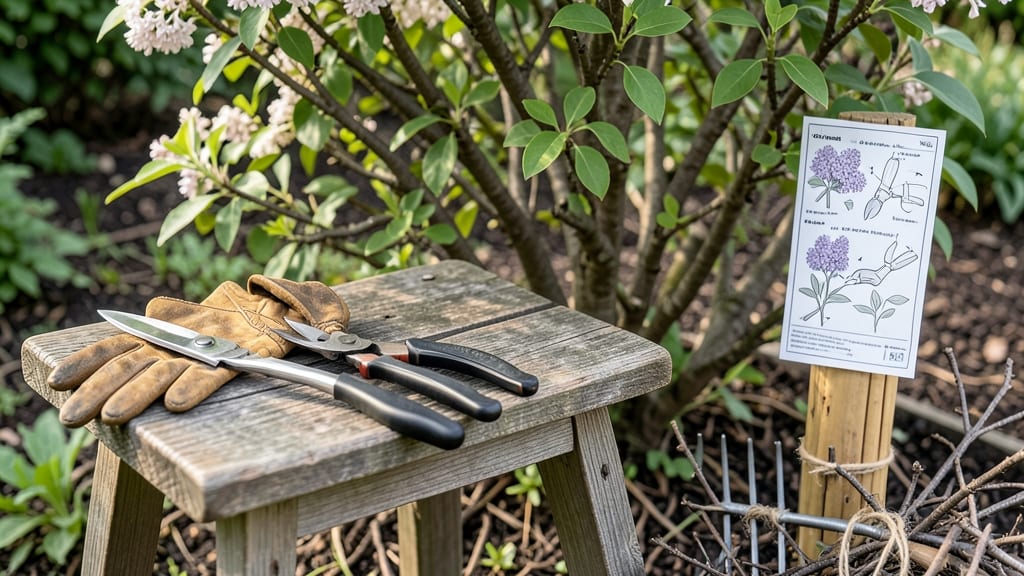
Your lilac shrub’s blooms depend on how to trim a lilac shrub each year—and getting the angle right makes all the difference. ✂️ After years of pruning mine, I’ve learned that timing and technique turn a tangle of branches into a showstopper that flowers for weeks.
The secret isn’t just when you cut, but how—and I’ll show you the exact angles that keep your lilac thriving.
Most gardeners prune too late or too aggressively, which means fewer flowers next spring. The best time is right after blooms fade, when new buds form at the base of last year’s growth.
You’ll need sharp bypass pruners, gloves, and a ladder if your shrub is tall—then it’s just a matter of cutting at a 45-degree angle, just above a leaf node. This small detail prevents water from pooling and keeps branches healthy.
What you’ll end up with is a lilac that bursts with fragrant purple blooms for three weeks instead of one, year after year. The shrub stays compact, resists disease, and produces flowers on last year’s wood—meaning even older branches contribute.
My neighbors still ask how I keep mine looking so full, and now you’ll know the trick too.
This method works for both old-fashioned and modern lilac varieties, whether you’re shaping a hedge or a single statement shrub. The only rule? Never cut into old wood—always look for the fresh, green growth where next year’s flowers will form. Let’s get those branches in shape!
📚 In This Guide
- What you need
- Instructions
- Tips and common mistakes
- Wrapping up and next steps
What you need
- ● Pruning shears or bypass pruners – Sharp, bypass-style shears (not anvil) for clean cuts (1 pair). Look for 5- to 8-inch blades for medium-sized branches.
- ● Loppers – For thicker branches (½ to 1½ inches in diameter). Opt for long-handled loppers (20+ inches) for leverage.
- ● Pruning saw – For branches thicker than 1½ inches. A curved-tooth saw prevents tearing wood.
- ● Gloves – Heavy-duty gardening gloves to protect hands from thorns and sap.
- ○ Disinfectant (optional but recommended) – Rubbing alcohol (70%+) or a pruning sealant to sterilize tools and prevent disease spread.
- ● Trash bags or bucket – For collecting pruned branches (1-2 large bags or a sturdy 5-gallon bucket).
- ● Marking twine or tape – To temporarily mark branches for removal (if needed).
- ● Extension pole pruners – For high branches (12+ feet) without a ladder.
- ● Step stool or ladder – If your lilac is tall (ensure it’s stable and rated for your weight).
- ● Gardening kneepads – For comfort during long pruning sessions.
- ● Plant food or compost – To nourish the shrub post-pruning (balanced 10-10-10 fertilizer or compost tea).
Step-by-step instructions for pruning a lilac shrub
Here’s my go-to method for keeping lilacs lush and blooming year after year—no guesswork involved.
✂️ Step 1: Time Your Pruning for Maximum Blooms
Lilacs bloom on old wood, so prune right after flowering—never in fall or winter. If you wait until summer, you’ll cut off next year’s buds. I mark my calendar for late May to early June in most climates, right when the last flowers fade but before new buds form. Watch for brown flower clusters—that’s your cue.
If you missed the window, don’t panic. A light trim in early fall (just to shape) is better than nothing, but expect smaller blooms the following spring. Lilacs are forgiving, but timing is everything for those dramatic, fragrant clusters.
✂️ Step 2: Cut at the Right Angle for Healthy Growth
Use clean, sharp pruners—dull blades tear stems and invite disease. Cut just above a bud that faces outward from the center of the shrub. This creates a 45-degree angle that lets water run off, preventing rot. I like to visualize a triangle: the cut should form the base of that triangle, with the bud at the top.
Never cut into old wood (gray, woody stems)—you’ll stimulate weak, leggy growth. Focus on green, flexible stems from this year’s growth. If a branch is completely spent (no leaves, no buds), remove it entirely at the base. Lilacs reward precision over aggression.
✂️ Step 3: Thin Out Crowded Branches for Airflow
Lilacs bloom best with good airflow, so thin out 10-20% of the oldest stems each year. Start at the center of the shrub and work outward. Remove every 3rd or 4th branch that’s thicker than a pencil—these are the energy vampires sucking resources from younger growth.
You’ll know you’re doing it right when you see more light reaching the inner branches. After thinning, step back and check for a balanced shape. Lilacs naturally grow in a vase-like form, so avoid shearing (cutting back evenly all around)—it turns them into shapeless blobs.
✂️ Step 4: Shape and Deadhead for Next Season
Once you’ve thinned, lightly shape the outer edges with small, precise cuts. Lilacs don’t need harsh shaping, but a few strategic snips keep them tidy. Deadhead spent blooms by cutting the stem just below the faded cluster—this redirects energy to next year’s flowers instead of seed production.
Here’s the thing—don’t overdo it. A lilac can handle a hard prune every few years, but annual light trims keep it healthier long-term. If your shrub is overgrown, spread the pruning over 2-3 years to avoid shock. Water deeply after pruning to help it recover.
🌿 Step 5: Clean Up and Monitor for Recovery
Rake up all clippings and debris—they can harbor pests and diseases. Sterilize your pruners with rubbing alcohol between cuts if your lilac has had issues like powdery mildew. After pruning, keep an eye out for new buds forming along the stems—this means you’ve done it right.
In 4-6 weeks, you’ll see fresh, vibrant growth. If the shrub looks stressed (yellow leaves, wilting), it’s reacting to the prune. Give it time—lilacs bounce back stronger. Next spring, you’ll be rewarded with even more dramatic blooms than before.
Tips & tricks for perfect lilac pruning
These simple tricks will help you avoid common mistakes and get the most stunning blooms from your lilac shrubs.
Timing is Everything: The late May to early June window is critical because lilacs bloom on old wood. If you prune too late, you risk cutting off next year's buds. I always check for brown flower clusters—those are my cue to start. Confession: I skipped this step for years and wondered why my lilacs never bloomed as well as my neighbor's!
The 45-Degree Angle Secret: When you make that cut just above an outward-facing bud, you're not just shaping the plant—you're creating the perfect conditions for water to run off and preventing rot. Visualize a triangle: the cut should form the base, with the bud at the top. This technique alone makes a huge difference in how healthy your lilac stays year after year.
Thinning Strategy: Removing every 3rd or 4th branch thicker than a pencil might seem drastic, but it's essential for airflow. I like to think of these branches as energy vampires—they're sucking resources from the younger growth that needs to bloom. After thinning, step back and check for that balanced vase shape. Lilacs naturally grow this way, so you're just helping them along.
Recovery Watch: That 4-6 week recovery period is when the real magic happens. You'll know you did it right when you see fresh, vibrant growth. If your lilac looks stressed with yellow leaves, it's just reacting to the prune—give it time. I've seen lilacs come back stronger after pruning, with even more dramatic blooms the following spring.
Pro Tips for Trim A Lilac Shrub
- These simple tricks will help you avoid common mistakes and get the most stunning blooms from your lilac shrubs.
- Timing is Everything: The late May to early June window is critical because lilacs bloom on old wood. If you prune to...
- The 45-Degree Angle Secret: When you make that cut just above an outward-facing bud, you're not just shaping the plan...
Frequently asked questions
Got questions about trimming your lilac shrub? You’re not alone! Here are some of the most common concerns—plus expert answers to keep your lilacs blooming beautifully.
When is the best time to trim lilacs?
The ideal time to prune lilacs is right after they finish blooming in late spring or early summer. This ensures you don’t cut off next year’s flower buds, which form on old wood. Avoid trimming in fall or winter, as this can stimulate new growth that may be damaged by frost.
How much should I cut off a lilac shrub?
Remove about one-third of the oldest stems each year to encourage new growth and maintain shape. For mature shrubs, aim to trim back to a bud or joint just above where flowers emerged last season. Never cut into old, woody stems—they won’t regrow.
What if my lilac isn’t blooming after pruning?
If your lilac skips blooms, it might be due to over-pruning or cutting into old wood. Focus on trimming only the oldest stems and avoid shearing. Also, ensure your shrub gets full sun (6+ hours/day) and well-draining soil. Fertilize lightly in early spring if growth seems weak.
Can I shape lilacs like hedges?
Lilacs hate being sheared into formal hedges! This practice removes flower buds and can stress the plant. Instead, opt for selective pruning to open the center and shape naturally. If you love a manicured look, consider planting dwarf varieties like ‘Miss Kim’ or ‘Little Leaf.’
What should I do if my lilac has dead or diseased branches?
Remove any dead, diseased, or crossing branches first—even if it’s not the main pruning season. Use sterilized tools and cut back to healthy wood. If you spot powdery mildew (a common lilac issue), prune for airflow and apply fungicide in early spring before buds swell.
Wrapping up and next steps
Trimming your lilac shrub doesn’t have to be intimidating—with the right tools, timing, and technique, you’ll encourage vibrant blooms year after year. Remember to prune after flowering, cut at the right angles, and never remove more than one-third of the plant to keep it healthy.
Your efforts will reward you with lush, fragrant blooms that steal the show in your garden! 🌸
Now that you’re armed with these tips, grab your pruners and get started—your lilac shrub will thank you! For even more pruning inspiration, explore our guide on maintaining other flowering shrubs.