
Shrubs
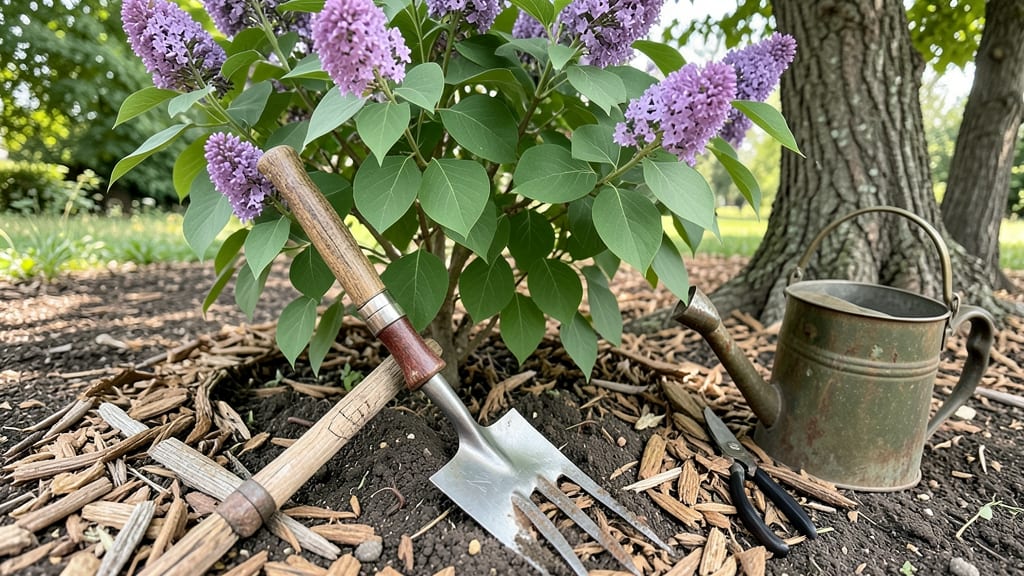
Caring for lilac shrubs in late winter transforms tangled messes into fragrant canopies that perfume your yard for years. ✨ I’ve pruned mine every February for five seasons, and the difference is night-and-day—thicker blooms, stronger stems, and that signature lilac scent hitting your porch by May. The secret isn’t aggressive cutting—it’s timing and technique. Wait until late winter (after the worst cold snaps but before buds swell), then trim just above outward-facing buds to encourage bushier growth. Avoid cutting into old wood, or you’ll sacrifice next year’s flowers. Most shrubs need no more than a third of their branches removed—less is more. You’ll end up with vibrant green foliage by spring and abundant clusters of blooms by late spring. The scent alone makes it worth the effort, but the health of your shrub? That’s the real reward. Lilacs thrive with full sun and well-draining soil, so pick your spot carefully. Works for all lilac varieties—whether you’ve got the classic French lavender or dwarf varieties. Here’s how to do it right the first time.
📚 In This Guide
- What you need
- Instructions
- Tips and common mistakes
- Wrapping up and next steps
What you need
- ● Pruning shears: Bypass pruners with sharp, clean blades (for small to medium stems). Quantity: 1 pair.
- ● Loppers: For thicker stems (1–2 inches in diameter). Quantity: 1 pair (long-handled for reach).
- ● Hand saw: For stubborn, thick branches (3+ inches). Quantity: 1 (with a fine-tooth blade).
- ● Gloves: Heavy-duty gardening gloves (to protect from thorns and sap). Quantity: 1 pair.
- ● Disinfectant: 70% isopropyl alcohol or a 10% bleach solution (to sterilize tools between cuts). Quantity: Small spray bottle or wipe.
- ○ Pruning sealant: Optional but helpful for large cuts (to prevent disease). Quantity: Small tube.
- ● Trash bags or bucket: For collecting pruned branches. Quantity: 1–2 (depending on shrub size).
- ● Measuring tape or ruler: To check branch thickness and pruning height. Quantity: 1.
- ● Notebook & pen: To sketch your shrub’s shape and mark cuts before pruning. Quantity: 1.
- ● Safety glasses: Protect your eyes from debris (especially when using a saw).
- ● Knee pads: For comfort if you’re working on the ground.
- ● String or twine: To temporarily mark branches for removal.
- ● Compost bin: For repurposing pruned branches as mulch or compost.
- ● Extension pole: For high-reaching branches (attachable to loppers or shears).
Step-by-step guide to late-winter lilac shrub pruning
Revive your fragrant lilac canopy with this precise late-winter pruning method—timed to maximize next season's blooms.
🌿 Step 1: Assess the Shrub's Structure and Health
Examine your lilac shrub for dead, diseased, or crossing branches first. I always start by removing any wood that's brown inside when cut—these are dead and won't regenerate. Look for branches that rub against each other; these create wounds where pests can enter. Mark these branches with a small flag or note them mentally before making any cuts.
Check for signs of lilac borer damage: small holes in the bark or sawdust-like frass. If you find any, note the location and plan to monitor those branches closely throughout the growing season. Healthy lilacs have smooth, grayish-brown bark with no cracks or oozing sap. This assessment ensures you're only removing what needs to go before reshaping the shrub.
✂️ Step 2: Remove Dead and Problematic Wood
Use clean, sharp pruning shears to cut out dead branches at their base, making the cut just outside the branch collar—the swollen area where the branch meets the trunk. For thicker branches over ½ inch in diameter, use loppers and make the cut at a 45-degree angle about ¼ inch above a bud or lateral branch. This prevents water from pooling on the cut surface.
Remove any branches that cross or rub against others, cutting back to the point where the branch grows outward from the shrub. Never leave stubs—always cut just above a bud or lateral branch. I like to step back frequently to visualize the shrub's new shape. The goal is to open up the center for better airflow and sunlight penetration, which prevents fungal diseases like powdery mildew.
🌱 Step 3: Thin Out Overcrowded Branches
Select 1-3 of the oldest, thickest stems to remove entirely, cutting them back to the ground. These stems are often the least productive and take energy away from younger growth. Lilacs naturally produce new stems from the base, so removing these won't harm the shrub—it actually encourages stronger, more vigorous growth. Aim to leave 6-12 of the healthiest, most outward-facing branches on mature shrubs.
Focus on branches that grow inward or downward, as these create a dense, shaded center that discourages blooming. For each branch you remove, look for a younger, more vigorous branch nearby to take its place. This step is where you shape the shrub into a more open, vase-like form. If you're unsure, less is more—lilacs are resilient and will bounce back even if you're conservative with cuts.
⏰ Step 4: Prune for Next Season's Blooms
Lilacs bloom on old wood, meaning flowers develop on stems that grew the previous season. Never cut back into last year's growth—only remove stems that are completely spent or those you're thinning out entirely. Look for branches that have already bloomed; these can be pruned back to a strong lateral bud just below where the flowers emerged. This encourages new growth that will produce next year's flowers.
For branches that haven't bloomed yet, avoid cutting them back at all. Even if they look leggy or overgrown, leave them alone. The blooms will appear on the tips of these stems, so pruning them now would remove next season's flowers. Step back and admire your work—you're not just pruning for aesthetics, but for the fragrant canopy you'll enjoy in late spring.
💧 Step 5: Clean Up and Fertilize for Recovery
After pruning, rake up and dispose of all clippings to prevent disease from spreading. Lilacs are prone to fungal issues, so never leave pruned material on the ground beneath the shrub. Sterilize your pruning tools with rubbing alcohol or a 10% bleach solution to kill any lingering pathogens. Water the base of the shrub deeply to help it recover from the stress of pruning, but avoid overwatering—lilacs prefer well-draining soil and can rot if kept too wet.
Apply a balanced, slow-release fertilizer (10-10-10 or similar) around the drip line of the shrub, working it into the top 2-3 inches of soil. This provides the nutrients needed for new growth without overwhelming the plant. Mulch the base with 2-3 inches of organic mulch, like shredded bark, to retain moisture and suppress weeds. Avoid piling mulch against the trunk, as this can cause rot. Your lilac is now ready to burst into growth with a stunning display of fragrant blooms next season.
Tips & tricks for perfect late-winter lilac pruning
Transforming your lilac into a fragrant masterpiece starts with these game-changing insights—ones I've learned after years of pruning my own garden's lilacs.
Tool Preparation: Before you even touch a branch, sterilize your pruning shears and loppers with rubbing alcohol or a 10% bleach solution. This simple step prevents cross-contamination of fungal diseases between plants. I keep a small spray bottle of 70% isopropyl alcohol in my gardening toolkit specifically for this purpose. Sharp tools make clean cuts that heal faster—dull blades crush stems, creating larger wounds that invite infection. Test your tools by making a clean cut through a piece of paper; if it tears, your blades need sharpening.
Branch Collar Awareness: The branch collar—the swollen area where a branch meets the trunk—is your guide for making precise cuts. In Step 2, when removing dead wood, cut just outside this collar to ensure the shrub can seal the wound properly. I've made the mistake of cutting too close to the trunk, which left ugly scars and sometimes even killed the branch. For thicker branches, that 45-degree angle isn't just for looks—it creates a natural water-shedding surface that prevents water from pooling and causing rot.
Visualizing the Final Shape: Step back frequently during Steps 2 and 3 to visualize your lilac's new shape. The goal is an open, vase-like form that allows sunlight to penetrate the center. I like to imagine removing branches that would block someone standing directly in front of the shrub from seeing through to the other side. This creates that signature lilac canopy we all love. Remember, lilacs are resilient—they'll bounce back even if you're conservative with cuts. The key is to maintain that balance between opening up the center while preserving the structure that produces next season's blooms.
Post-Pruning Recovery Strategy: After completing all steps, focus on recovery. The deep watering in Step 5 isn't just about hydration—it helps the plant flush out any stress hormones from the pruning process. I've found that applying the balanced fertilizer (like 10-10-10) right after pruning gives the lilac a nutrient boost when it needs it most. The mulch layer acts like a blanket, protecting the roots from temperature fluctuations while retaining moisture. Just be careful not to create a volcano effect around the trunk—keep that mulch at least 2 inches away from the base to prevent rot.
Pro Tips for Caring For Lilac Shrubs
- Transforming your lilac into a fragrant masterpiece starts with these game-changing insights—ones I've learned after ...
- Tool Preparation: Before you even touch a branch, sterilize your pruning shears and loppers with rubbing alcohol or a...
- Branch Collar Awareness: The branch collar—the swollen area where a branch meets the trunk—is your guide for making p...
Frequently asked questions
Got questions about keeping your lilacs thriving?
Here are answers to the most common concerns—so you can enjoy that sweet spring fragrance year after year!
When is the best time to prune lilac shrubs?
Prune lilacs right after flowering (late spring to early summer) to avoid cutting off next year’s blooms. For late-winter pruning (like in your blueprint), focus on removing dead or weak wood—just don’t overdo it! Lilacs bloom on old wood, so heavy pruning too early can reduce flowers.
How much can I trim back my lilac shrubs?
Never cut back more than ⅓ of the plant’s height in one season. For rejuvenation, you can prune older shrubs back by half over 2–3 years. Use clean, sharp tools to make angled cuts just above a bud or branch junction to encourage healthy regrowth.
Why aren’t my lilacs blooming?
Lilacs may skip blooms due to over-pruning (cutting back too late or too hard), nutrient deficiencies (like lack of phosphorus), or pests/disease (e.g., borers or powdery mildew). Check for yellowing leaves, holes in stems, or fungal spots. Adjust care: fertilize in early spring, prune correctly, and ensure 6+ hours of sunlight daily.
How often should I water lilac shrubs?
Water lilacs deeply but infrequently—about 1–1.5 inches per week, especially during the first growing season. Once established, they’re drought-tolerant but may need extra water in extreme heat or dry spells. Avoid soggy soil, as lilacs hate "wet feet." Mulch around the base (2–3 inches) to retain moisture.
Can I grow lilacs in containers?
Yes! Dwarf varieties like 'Little Leaf' or 'Miss Canada' thrive in containers (15+ gallon pots). Use well-draining soil, a pot with drainage holes, and repot every 2–3 years. Place in full sun and water consistently. Note: Container lilacs may need winter protection in cold climates (wrap pots in burlap or move to a sheltered spot).
What should I do if my lilac leaves turn yellow?
Yellow leaves often signal overwatering, nutrient issues, or disease. Check soil moisture—lilacs prefer it slightly dry between waterings. If yellowing starts at the bottom, it may be iron deficiency (apply chelated iron). For fungal issues (like powdery mildew), prune affected branches and treat with neem oil or fungicide.
Wrapping up and next steps
Caring for lilac shrubs is all about patience, precision, and a little love—your efforts will reward you with stunning blooms and a fragrant canopy year after year. 🌸 By following this late-winter pruning blueprint, you’ve set your shrubs up for vibrant growth, better airflow, and fewer pests.
Now, grab your pruners and watch your lilacs thrive!
Ready to take the next step? Monitor your shrubs’ progress throughout the growing season, adjust care as needed, and soon, you’ll be the envy of the neighborhood with your blooming masterpiece!