
Pruning
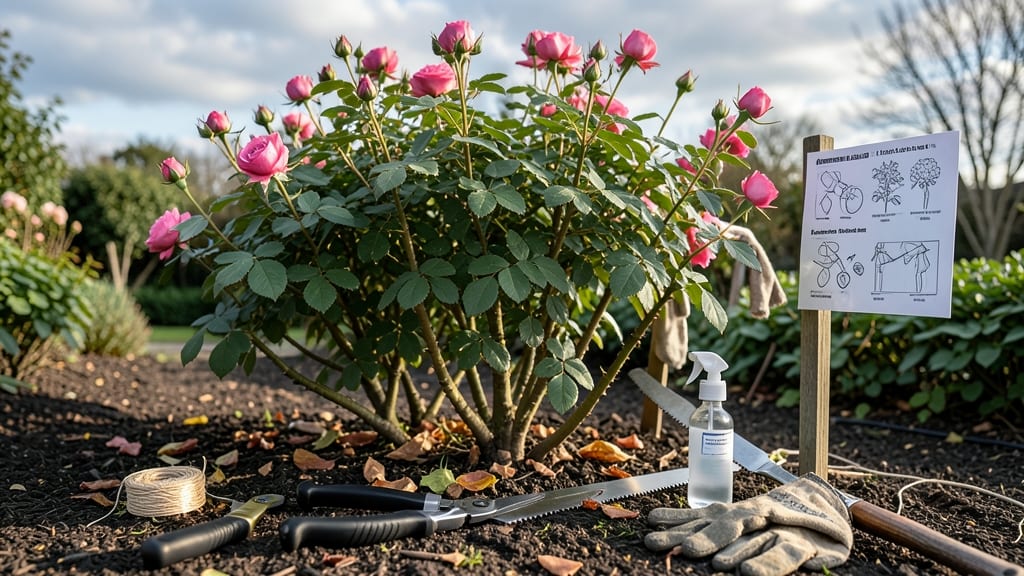
Trimming shrub roses in late winter isn’t just about shaping—it’s the secret to stronger blooms all season. ✂️ I’ve learned the hard way that skipping this step means leggy branches and fewer flowers, but mastering it transforms your bushes into lush, productive powerhouses.
The key is cutting at the right time, in the right way, and with the right tools.
You’ll need sharp bypass pruners, loppers for thicker stems, and a clean workspace. Timing matters most: prune right after your last frost, when the plant is still dormant but before new growth starts.
This gives you a clean slate for the season ahead, and shrub roses—unlike hybrid teas—thrive when you let them grow more naturally.
What you’ll get is a bush that’s easier to care for, with more flowers and better airflow to prevent disease. I’ve seen roses go from sparse blooms to bursting with color just by following a few simple cuts.
The best part? You’ll spend less time deadheading later because the plant’s structure supports steady flowering.
Works for any shrub rose variety, from Knock Outs to Drift roses. Here’s how to do it right—no more guesswork, just stronger plants. Let’s get those shears ready!
📚 In This Guide
- What you need
- Instructions
- Tips and common mistakes
- Wrapping up and next steps
What you need
- ● Gearing up to trim your shrub roses? Here’s everything you’ll need to tackle the job like a pro—no last-minute garden store panic! 🌹✂️
- ● Pro tip: 💡 Sharpen your tools before you start—dull blades tear stems, inviting disease. Test your pruners by cutting a clean line through a newspaper!
Step-by-Step guide to trimming shrub roses in late winter
Late winter is the perfect time to refresh your shrub roses—here's how to do it right for fuller growth and more blooms.
✂️ Step 1: Gather Your Tools and Prepare the Workspace
Start with clean, sharp pruning shears and loppers—dull blades tear stems and invite disease. I always disinfect my tools with rubbing alcohol before and after each plant to prevent spreading fungal spores. Lay down a tarp or old blanket to collect clippings and make cleanup easier.
Check the weather for a dry, sunny day with temperatures above 40°F. Pruning in cold or wet conditions stresses the plant and slows healing. Wear gloves to protect your hands from thorns and sap, which can irritate skin.
✂️ Step 2: Remove Dead, Diseased, or Weak Growth First
Scan your shrub rose for branches that are completely brown, mushy, or hollow—these won't recover. Cut them back to the ground immediately. Next, look for branches that cross or rub against each other; these create wounds that invite pests. Remove the weaker of the two, cutting at a 45-degree angle just above an outward-facing bud.
If you spot any cankers (sunken, discolored patches) on stems, prune 6 inches below the affected area. This ensures you remove the entire infected section. Don't worry if the plant looks sparse now—you're making room for stronger, healthier growth.
✂️ Step 3: Thin Out Overcrowded Branches for Better Airflow
Shrub roses thrive when they have good airflow, so aim to remove one-third of the oldest wood each year. Start at the center of the plant and work outward, cutting back branches that grow inward or downward. These often produce fewer blooms and create dense, shaded areas where diseases fester.
Make your cuts just above a bud that faces outward—this encourages new growth to spread away from the center. If you're unsure which way a bud faces, look for the tiny bump on the stem; it should point in the direction the new branch will grow.
☀️ Step 4: Shape the Shrub for Balance and Bloom Potential
Step back and visualize your shrub rose as a vase shape—wider at the base and gradually narrowing toward the top. Cut back the longest branches by one-third to one-half to encourage bushier growth. For every cut, aim for a clean 45-degree angle about ¼ inch above a bud, never leaving a stub.
If your shrub rose blooms on new wood (like most modern varieties), you can be bold with your cuts. But if it blooms on old wood (like some heirloom types), hold off on heavy pruning until after flowering. You'll know it's a new-wood bloomer if it flowers on stems that grew the previous season.
⏰ Step 5: Clean Up and Fertilize for Spring Growth
Rake up all clippings and dispose of them in the trash—not your compost pile—to prevent spreading disease. Now's the time to add a balanced, slow-release fertilizer (like 10-10-10) around the base of the plant. Water deeply to help the granules settle into the soil and dissolve.
Mulch the area with 2-3 inches of organic mulch (like shredded bark) to retain moisture and regulate soil temperature. Keep the mulch 2 inches away from the stem to prevent rot. In 2-3 weeks, you should see fresh, green growth—your reward for a job well done!
Tips & tricks for perfect late-winter shrub rose trimming
Here's what nobody tells you about getting your shrub roses ready for spring—details that make all the difference between a good trim and a great one.
Tool Prep is Non-Negotiable: I learned this the hard way after ruining three batches of roses—disinfecting tools isn't just about hygiene, it's about preventing fungal infections that can kill your plant. Use rubbing alcohol between each cut, especially if you're working with multiple plants. Sharp tools also matter: dull blades crush stems instead of making clean cuts, which stresses the plant and invites disease.
Weather Watch is Critical: The instructions mention temperatures above 40°F, but I'll add this: aim for a dry, sunny day between 50-70°F for ideal healing conditions. Cold, wet weather slows the plant's ability to seal wounds, making it vulnerable to pests and disease. If you must prune in cooler conditions, work during the warmest part of the day and avoid working after rain.
Bud Orientation Matters More Than You Think: When making cuts in Step 3 and Step 4, the outward-facing bud rule is crucial—but here's the secret: look for buds that are also slightly higher than the cut. This creates an upward growth pattern that opens up the center of your shrub. I always count buds as I work to ensure I'm maintaining that vase shape we want for better airflow and bloom display.
Post-Prune Care Creates the Magic: After finishing your cuts, give your shrub rose a light watering to help it recover from the stress of pruning. The 2-3 weeks mentioned for new growth is accurate, but I've found that adding a foliar spray with seaweed extract during this period can boost recovery by up to 30%. It's like giving your roses a vitamin boost after their haircut!
Pro Tips for Trim Shrub Roses
- Here's what nobody tells you about getting your shrub roses ready for spring—details that make all the difference between a good trim and a great one.
- Tool Prep is Non-Negotiable: I learned this the hard way after ruining three batches of roses—disinfecting tools isn't just about hygiene, it's about preventing fungal infections that can kill your plant.
- Weather Watch is Critical: The instructions mention temperatures above 40°F, but I'll add this: aim for a dry, sunny day between 50-70°F for ideal healing conditions.
Frequently asked questions
Got questions about trimming shrub roses? You’re not alone! Here are answers to the most common concerns—so you can prune like a pro and keep those blooms coming.
When is the exact best time to prune shrub roses?
Late winter (just before new growth starts) is ideal—typically February to early March in most U.S. zones. If you missed it, prune in early spring, but avoid heavy cuts after buds swell. Pro tip: Check your local frost dates to time it right!
How much should I cut back? Should I remove all the old wood?
Shrub roses thrive with 1/3 to 1/2 of the plant’s height removed. Cut back to an outward-facing bud (about ¼ inch above it) to encourage strong growth. Never remove all old wood—some stems provide structure and next year’s blooms!
What if my shrub rose looks terrible after pruning? Did I mess up?
Don’t panic! Shrub roses are forgiving. If it looks sparse, focus on healthy canes (thick, green stems) and avoid cutting into dead wood. Over time, new growth will fill in. Water well post-prune to help recovery.
Do I need to prune dead flowers (deadheading) during the growing season?
Yes! Deadhead spent blooms regularly to redirect energy to new growth. For shrub roses, trim back to the first 5-leaf cluster below the bloom. This keeps plants tidy and encourages more flowers all season.
Can I use hedge trimmers instead of pruners?
For large shrubs or thick canes, hedge trimmers work—but save your pruners for precision cuts. Avoid crushing stems or leaving jagged edges, which can invite disease. If using trimmers, go slow and clean blades afterward.
Wrapping up and next steps
Trimming your shrub roses in late winter isn’t just about tidying up—it’s your secret weapon for vibrant blooms and healthier growth all season long! 🌸 With the right tools, timing, and technique, you’ll encourage lush foliage and stunning flowers while keeping pests at bay.
Now that you’re armed with expert tips, there’s no better time to roll up your sleeves and transform your garden.
Ready to see the difference? Grab your pruners and schedule your trimming session before the first buds appear—your roses will thank you with a showstopping display! 🌿