
Shrubs
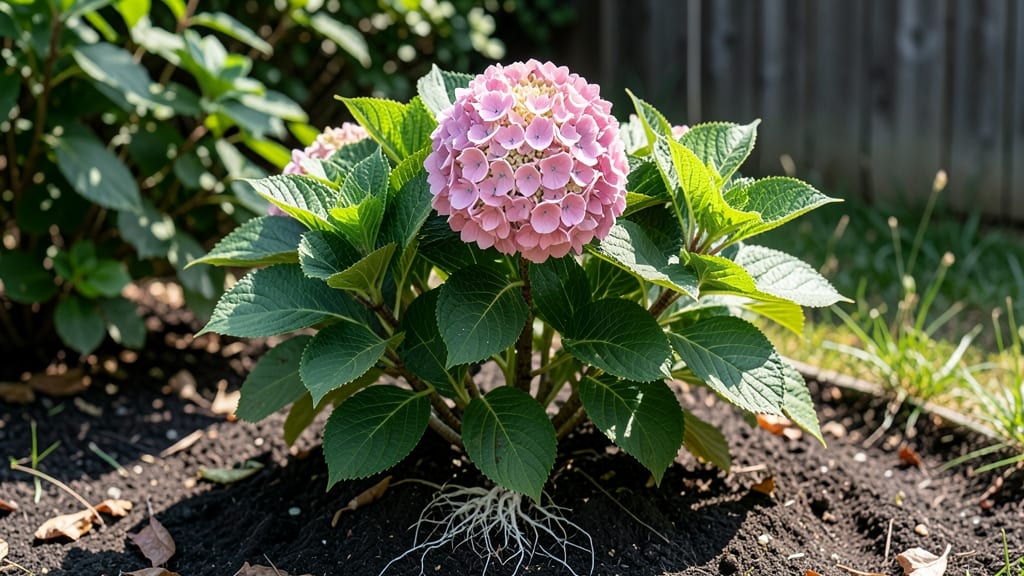
Mastering hydrangea flowering shrubs starts with one simple truth: when you prune, you control the blooms. 🌸 I’ve turned my once-sparse hydrangeas into lush, year-round showstoppers by following the right timing and technique—no green thumb required.
The key is knowing your hydrangea type: mopheads and bigleaf need pruning right after flowering, while panicle types bloom on new growth and can handle early spring cuts. Too much pruning at the wrong time? You’ll end up with bare stems and zero flowers.
But get it right, and you’ll see bold clusters from spring through fall. What you’ll achieve is a shrub that thrives with minimal effort—vibrant blooms that change color with the seasons and foliage so dense it becomes a privacy screen. The secret isn’t complicated: it’s about patience and precision.
Works for both container gardens and landscape beds. Let’s get those shears ready!
📚 In This Guide
- What you need
- Instructions
- Tips and common mistakes
- Wrapping up and next steps
What you need
- ● Pruning shears: Bypass pruners (sharp, 5-8" blades) for clean cuts on small stems.
- ● Loppers: Long-handled (24-30") for thicker branches (½"–1½" diameter).
- ● Pruning saw: Curved-tooth blade for stubborn, woody stems (1½"+ diameter).
- ● Disinfectant: Rubbing alcohol (70%+) or bleach solution (1:9 bleach:water) to sterilize tools between cuts.
- ● Garden gloves: Cut-resistant, breathable (e.g., leather or synthetic mesh).
- ● Twine or zip ties: 10–15 ft for securing branches during pruning.
- ○ Marking spray: Water-soluble paint (optional but helpful for identifying cuts).
- ● Bucket or bag: For collecting debris (5+ gallon capacity).
- ● Extension pole: 3–6 ft with pruning attachment for high branches.
- ● Handheld leaf blower: To clear debris post-pruning.
- ● Pruning sealant: For large cuts (e.g., tree wound pruning paste).
- ● Notebook & pen: To log pruning dates and notes on plant health.
- ● Mulch or compost: 2–3 inches to replenish soil after pruning.
How to prune hydrangeas for maximum blooms
Here’s the straightforward approach I’ve used for years to keep my hydrangeas flowering like crazy—no guesswork, just results.
✂️ Step 1: Identify Your Hydrangea Type
First, figure out which type you’re working with—this makes all the difference. Bigleaf hydrangeas (Hydrangea macrophylla) bloom on old wood (last year’s growth), so you prune lightly in late winter or early spring. Panicle and oakleaf types (H. paniculata and H. quercifolia) bloom on new wood, so you can cut them back harder in late winter or early spring.
Check your plant’s stems: if you see flower buds forming in late winter, it’s an old-wood bloomer. If the stems are bare until summer, it’s a new-wood type. I always double-check with a quick online search if I’m unsure—misidentifying your hydrangea can mean no flowers that season.
✂️ Step 2: Time Your Pruning Perfectly
For old-wood bloomers, prune right after flowering ends in late summer or early fall—this prevents removing next year’s buds. For new-wood types, wait until late winter or early spring when the plant is still dormant. Never prune in fall if you’re unsure of your type—you’ll risk cutting off potential blooms.
I like to mark my calendar with the first frost date. For old-wood types, I prune 4-6 weeks after the last bloom fades. For new-wood types, I wait until just before new growth starts—usually when forsythia blooms in my zone. This timing ensures you’re not pruning too early or too late.
✂️ Step 3: Prune for Shape and Airflow
Start by removing dead, diseased, or crossing branches first—they’re easy to spot and always need to go. Cut these back to the main stem or a healthy outward-facing bud. Next, shape the plant by thinning out crowded branches from the center to improve airflow. This prevents fungal issues and lets sunlight reach all parts of the plant.
For old-wood types, I only trim back spent blooms and shape lightly—never cut into old wood. For new-wood types, I can be bolder, cutting back one-third of the oldest stems to encourage vigorous new growth. Always use clean, sharp pruners and make cuts at a 45-degree angle just above a leaf node or bud.
✂️ Step 4: Encourage Stronger Growth
After pruning, give your hydrangea a light feeding with balanced fertilizer (10-10-10 or similar) to support new growth. Water deeply right after pruning to help the plant recover. For old-wood types, I avoid heavy fertilizer in fall—just a light application in early spring is enough.
Watch for new growth in 4-6 weeks. Healthy stems should be firm and green, not soft or mushy. If you notice yellowing leaves or weak stems, your plant might need more phosphorus (the middle number in fertilizer ratios) to support flowering. Mulch around the base with 2-3 inches of organic mulch to retain moisture and protect roots.
🌱 Step 5: Maintain Through the Season
Throughout the growing season, keep an eye out for wilted or discolored leaves—these can signal overwatering, underwatering, or pests. Hydrangeas love morning sun and afternoon shade, so if your plant looks stressed in hot afternoons, consider moving it to a slightly shadier spot.
Deadhead spent blooms on new-wood types to encourage more flowers, but leave old blooms on old-wood types until they naturally fade. I also check for pests like aphids or spider mites weekly—if I see them, I treat with neem oil or insecticidal soap. A healthy hydrangea is a happy hydrangea, and happy hydrangeas bloom like crazy!
Tips & tricks for perfect hydrangea pruning
Mistakes in pruning can mean the difference between a lush, blooming hydrangea and a sad, bare shrub. Here’s what I’ve learned after years of trial and error.
Type-Specific Pruning: Old-wood types like bigleaf hydrangeas need gentle care—never cut into last year’s wood where next year’s buds form. For new-wood types, you can be more aggressive, but never remove more than one-third of the oldest stems at once. I mark my calendar with the forsythia bloom date as my cue for new-wood pruning—it’s foolproof timing.
Tool Prep: Clean, sharp pruners are non-negotiable. I sterilize mine with rubbing alcohol between cuts to prevent spreading disease. For thicker branches, I use loppers with a bypass blade—they make cleaner cuts that heal faster. Always make cuts at a 45-degree angle just above a leaf node to encourage proper regrowth.
Post-Pruning Care: After shaping, I give my hydrangeas a deep watering to help them recover from stress. For old-wood types, I avoid heavy fall fertilizing—just a light spring feeding with 10-10-10 is enough. The 4-6 week window for new growth is your best chance to spot problems early, so keep an eye out for weak stems or yellowing leaves.
Seasonal Watch: Throughout summer, I check for pests weekly. Aphids love hydrangeas, but I’ve found neem oil spray works better than chemical treatments. Morning sun and afternoon shade is ideal—if your plant looks stressed in hot afternoons, move it to a shadier spot temporarily. This simple adjustment can prevent heat damage that stunts flowering.
Pro Tips for Hydrangea Flowering Shrubs
- Mistakes in pruning can mean the difference between a lush, blooming hydrangea and a sad, bare shrub.
- Type-Specific Pruning: Old-wood types like bigleaf hydrangeas need gentle care—never cut into last year’s wood where next year’s buds form.
- Tool Prep: Clean, sharp pruners are non-negotiable.
Frequently asked questions
Got questions about keeping your hydrangeas blooming beautifully?
Here are some of the most common ones—plus quick, expert-backed answers to help you master pruning and care like a pro!
When is the best time to prune hydrangeas for maximum blooms?
The timing depends on your hydrangea type! For mophead and bigleaf varieties (like Hydrangea macrophylla), prune right after flowering (late summer to early fall) to encourage next year’s blooms. For panicle (like Hydrangea paniculata) and oakleaf types, prune in late winter or early spring before new growth starts. Pro tip: Deadhead spent blooms year-round to tidy up and redirect energy!
Can I prune hydrangeas in winter? What if they’re dormant?
Most hydrangeas are dormant in winter, but pruning timing matters! Avoid heavy pruning in freezing temps—it stresses the plant. For panicle and oakleaf types, light shaping is okay in late winter (when temps rise above 40°F). For bigleaf hydrangeas, wait until spring or after blooms fade. Warning: Pruning too early can remove next year’s flower buds!
Why aren’t my hydrangeas blooming this year?
Several factors could be at play! Check these first:
- Pruning mistakes: Bigleaf hydrangeas bloom on old wood—pruning in spring/severe cuts can remove next year’s buds.
- Light/soil issues: Too much shade or alkaline soil (pH > 6.0) can limit blooms. Test soil and amend with sulfur or peat moss if needed.
- Over-fertilizing: Too much nitrogen = leafy growth, fewer flowers. Use a balanced 10-10-10 or hydrangea-specific fertilizer.
- Stress: Drought, pests (like lace bugs), or root damage can stunt blooms.
Are there hydrangea alternatives that bloom longer or require less pruning?
If you love hydrangeas but want low-maintenance blooms, try these:
- Butterfly Bush (Buddleia): Drought-tolerant, blooms all summer, and attracts pollinators. Prune once a year in late winter.
- Abelia: Semi-evergreen, blooms spring to fall, and thrives in partial sun. Minimal pruning needed!
- Weigela: Produces vibrant pink/red flowers for months with almost no pruning.
- Panicle Hydrangeas (like ‘Limelight’): Bloom on new wood, so they’re more forgiving with pruning.
How do I fix yellow leaves or brown tips on my hydrangeas?
Yellow leaves or brown tips usually signal environmental stress or nutrient issues. Try these fixes:
Problem
Likely Cause
Solution
Yellow leaves (especially lower ones)
Overwatering or poor drainage
Let soil dry slightly between waterings; improve drainage with compost or sand.
Brown tips on leaves
Underwatering, fluoride in tap water, or low humidity
Water deeply 2x/week; use rainwater or filtered water; mulch to retain moisture.
Yellowing + weak stems
Nutrient deficiency (iron, nitrogen, or magnesium)
Fertilize with chelated iron or a balanced fertilizer in spring.
Brown spots or holes in leaves
Pests (lace bugs, slugs) or fungal disease
Spray with neem oil; remove affected leaves; improve airflow.
Wrapping up and next steps
Transforming your hydrangeas into year-round blooming stars is easier than you think! With the right pruning techniques—whether you're dealing with mopheads, panicles, or oakleaf varieties—you’ll unlock lush, vibrant flowers that keep your garden show-stopping season after season. 🌸
Ready to take the next step? Grab your pruners, dust off those gloves, and schedule your first pruning session—your hydrangeas (and your neighbors!) will thank you. Review the pruning guide one last time, then get growing!