
Shrubs
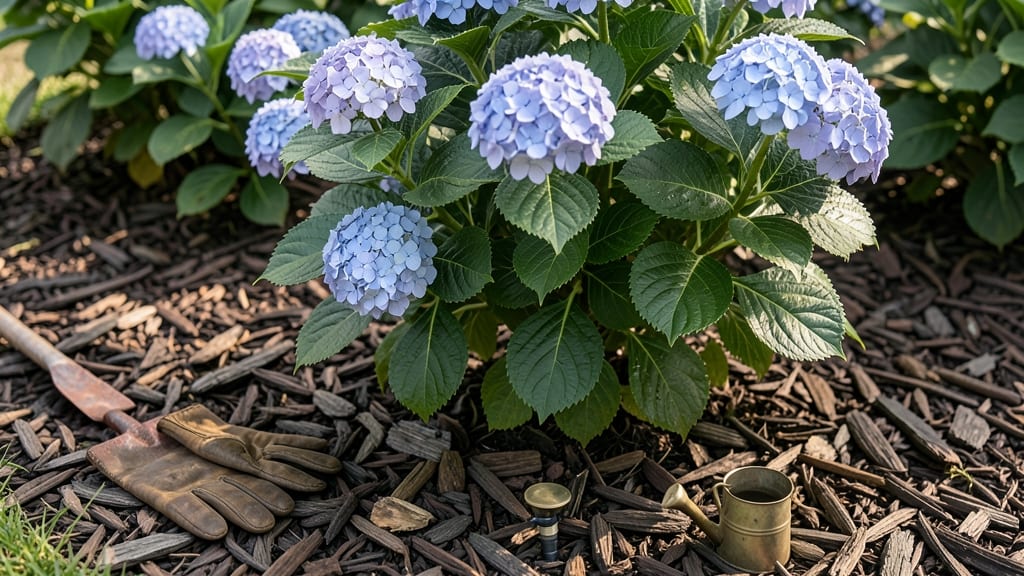
Hydrangea shrubs for shade turn dim corners into lush, fragrant showstops—no harsh sun required. 🌿 I’ve grown Hydrangea macrophylla and arborescens under trees for years, and they thrive where other plants struggle. The secret? Matching the right variety to your light conditions and giving them the moist, acidic soil they crave. These shrubs aren’t picky about sunlight—partial shade (2–6 hours of dappled light) is ideal, but they’ll even tolerate deep shade if you choose the right types. Hydrangea arborescens (like ‘Annabelle’) handles low light better than macrophylla (mopheads or lacecaps), which need at least morning sun for vibrant blooms. Forget the myth that shade means no flowers—with proper care, you’ll get bold blooms even in the gloomiest spots. The payoff is worth the effort: glossy leaves year-round, romantic blooms from summer to fall, and minimal fuss. Just keep soil consistently moist (they hate drying out) and prune spent flowers in late winter to encourage fresh growth. Even my shadiest corner now looks like a secret garden. Works for urban yards, woodland edges, or north-facing patios. Let’s get those roots settled!
📚 In This Guide
- What you need
- Instructions
- Tips and common mistakes
- Wrapping up and next steps
What you need
- ● Hydrangea plants: Choose shade-tolerant varieties like Hydrangea macrophylla (Bigleaf) or Hydrangea quercifolia (Oakleaf). Buy 1–3 mature plants (3–5 gallons in size) or seeds for DIY growing.
- ● Well-draining soil: 1–2 cubic yards of peat moss or compost (mix 50% garden soil, 30% compost, 20% perlite). Hydrangeas thrive in acidic soil (pH 5.2–6.0)—test with a soil pH kit ($10–$15).
- ● Organic mulch: 2–3 inches of pine bark or shredded leaves (replenish annually). Avoid cedar mulch—it’s too acidic!
- ● Fertilizer: Slow-release granular: 10–20 lbs of 10-10-10 or 20-20-20 fertilizer (spring/fall).
- ● Acid-loving plant food: 1–2 bottles of hydrangea-specific fertilizer (e.g., Miracle-Gro Azalea, Camellia & Rhododendron).
- ● Watering supplies: Garden hose with soaker hose attachment ($15–$30) or drip irrigation kit ($20–$50).
- ● 5-gallon watering can (for seedlings).
- ● Planting tools: Trowel or garden spade (for digging holes).
- ● Garden gloves (to protect hands from thorns on H. quercifolia).
- ● Pruning shears ($10–$20) for shaping.
- ● Epsom salt: 1–2 cups (for magnesium boost, especially for blue-flowering hydrangeas).
- ● Lime or aluminum sulfate: Adjust soil pH if needed (e.g., aluminum sulfate for blue blooms, lime for pink).
- ● Stakes or cages: For young plants in windy areas ($5–$15).
- ● Mulch rings: To keep mulch contained and tidy.
- ● Garden journal: Track watering, blooms, and soil changes!
Step-by-step guide to cultivating hydrangeas in shady gardens
Here’s how to transform dim corners into lush hydrangea displays—no direct sun required.
🌱 Step 1: Select the Right Hydrangea Varieties for Shade
Not all hydrangeas thrive in low light, but Oakleaf (Hydrangea quercifolia), Bigleaf (Hydrangea macrophylla), and Panicle (Hydrangea paniculata) varieties like ‘Limelight’ or ‘Little Lime’ handle shade beautifully. Oakleaf hydrangeas, in particular, love dappled shade and produce stunning fall foliage. Check the tag for ‘shade-tolerant’ labels—this ensures you’re choosing a variety bred for low-light success.
I always opt for container-grown plants (not bare-root) when shopping, as they’ve already established roots and adjust to your garden’s conditions faster. Look for compact, bushy plants with no signs of yellowing leaves—this signals healthy root systems ready to thrive in your shady spot.
🪴 Step 2: Prepare the Planting Site for Optimal Growth
Hydrangeas in shade need moist, well-draining soil with a slightly acidic pH (5.2–6.0) for best bloom color. If your soil is heavy clay, amend it with 3–4 inches of compost mixed into the top 12 inches of soil. I dig a hole twice as wide as the root ball but only as deep—planting too deep suffocates roots and causes stress.
For containers, use a lightweight potting mix blended with 20% perlite to prevent compaction. Place a 1-inch layer of gravel at the bottom for drainage, then fill with the mix. Hydrangeas are thirsty plants, so ensure your site holds moisture without becoming waterlogged—mulch with 2–3 inches of shredded bark to retain humidity and protect roots.
☀️ Step 3: Plant and Water for Immediate Establishment
Gently remove the plant from its container and loosen the roots if they’re circling—this encourages outward growth. Place it in the hole so the top of the root ball sits just below soil level (never deeper). Backfill with soil, pressing lightly to eliminate air pockets, then water deeply until the soil is saturated. You’ll know it’s right when water runs out the drainage holes.
After planting, water every 2–3 days until new growth appears—shade slows evaporation, so the soil stays moist longer than in sunny spots. Avoid overhead watering, which can cause fungal issues. Instead, water at the base with a soaker hose or drip irrigation for consistent moisture without wetting the foliage.
🌿 Step 4: Maintain Soil Moisture and Fertility for Vibrant Blooms
Hydrangeas in shade need consistent moisture—let the top 1–2 inches of soil dry out between waterings, but never allow it to stay bone-dry. In hotter months, you may need to water daily, especially in containers. I use a moisture meter to check soil conditions, as hydrangeas wilt quickly when thirsty but bounce back fast once rehydrated.
Feed plants once in early spring with a balanced, slow-release fertilizer (10-10-10) and again in mid-summer with an acid-loving plant formula to encourage blooms. For blue flowers, add aluminum sulfate (follow package rates) to the soil in spring. If your hydrangeas produce pink blooms, they’re likely in neutral soil—amend with sulfur to acidify gradually over time.
✂️ Step 5: Prune Strategically for Health and Shape
Prune late winter or early spring (before new growth starts) to remove dead, weak, or crossing branches. For Bigleaf and Oakleaf hydrangeas, cut back last year’s blooms to encourage fresh flowers on new wood. Panicle hydrangeas, however, bloom on current year’s growth, so prune in late winter to shape the plant without sacrificing blooms.
Never prune in fall—this removes next year’s flower buds. After pruning, apply a 2-inch layer of mulch around the base (keep it 3 inches away from the trunk) to protect roots and retain moisture. Hydrangeas in shade grow more foliage than flowers if overpruned, so light shaping is key—aim for an open, airy structure to prevent disease.
Tips & tricks for thriving Hydrangea shrubs in shade
Shade-loving hydrangeas reward patience—here’s how to ensure they flourish where others struggle.
Variety Selection: Oakleaf hydrangeas are your best bet for deep shade, as they tolerate lower light better than Bigleaf varieties. When shopping, inspect the root ball for signs of root rot—a common issue with container-grown plants sitting too long in damp conditions. If you notice any dark, mushy roots, soak the plant in a bucket of water with a root growth stimulant for 24 hours before planting to encourage healthy regrowth.
Soil Preparation: The 5.2–6.0 pH range isn’t just a suggestion—it’s critical for vibrant blooms. Test your soil before planting using a simple home kit (available at garden centers). If your soil tests neutral or alkaline, amend with sulfur in the fall to gradually lower the pH. For containers, mix in one part peat moss for every three parts potting mix to maintain acidity and moisture retention.
Watering Wisdom: Hydrangeas in shade need consistent moisture, but their water needs shift with seasons. In summer, check soil moisture daily—if the top 1–2 inches feel dry, it’s time to water. Use a moisture meter for accuracy, especially in containers where soil dries out faster. A soaker hose is ideal for deep watering without wetting foliage, which helps prevent fungal diseases like powdery mildew.
Pruning Precision: The late winter timing for pruning can’t be emphasized enough—it’s when hydrangeas are dormant and most resilient. For Bigleaf varieties, cut back stems to just above the first set of leaves to encourage bushier growth. For Panicle types, prune selectively to maintain an open structure, removing only dead or crossing branches. Avoid heavy pruning, which can reduce next year’s blooms dramatically.
Pro Tips for Hydrangea Shrubs For Shade
- Shade-loving hydrangeas reward patience—here’s how to ensure they flourish where others struggle.
- Variety Selection: Oakleaf hydrangeas are your best bet for deep shade, as they tolerate lower light better than Bigleaf varieties.
- Soil Preparation: The 5.2–6.0 pH range isn’t just a suggestion—it’s critical for vibrant blooms.
Frequently asked questions
Got questions about growing hydrangeas in shady spots? You’re not alone! Here are some of the most common concerns—and their solutions—to help you cultivate thriving shade-loving shrubs with confidence.
Which hydrangea varieties do best in deep shade?
Look for Hydrangea macrophylla (like ‘Nikko Blue’ or ‘Endless Summer’) or Hydrangea quercifolia (oakleaf hydrangea), which tolerate low light better than others. Avoid Hydrangea paniculata (e.g., ‘Limelight’), which needs at least 4–6 hours of sunlight for optimal blooms.
How long does it take for hydrangeas to bloom in shade?
Patience is key! Hydrangeas in shade may take 2–3 years to establish and flower. Prune lightly in late winter or early spring to encourage new growth. If blooms are sparse, check for over-pruning or nutrient deficiencies (like low phosphorus).
Do hydrangeas in shade need extra watering?
Yes! Shade slows evaporation, but consistent moisture is critical—especially in containers. Water deeply 1–2 times per week (more in heatwaves) and mulch to retain soil moisture. Yellowing leaves? Often a sign of overwatering or poor drainage—amend soil with compost if needed.
Why are my shade hydrangeas’ leaves turning yellow?
Yellow leaves usually mean overwatering, nutrient deficiency, or fungal issues. Check the soil—it should be moist but not soggy. Amend with acidic fertilizer (pH 5.2–6.0) and ensure good airflow. If spots appear, treat with neem oil for powdery mildew.
Can I grow hydrangeas in shade from seed?
Not recommended! Hydrangeas grown from seed take years to bloom and may not retain parent plant traits. Instead, buy nursery-grown plants (bare-root or potted) for faster, reliable results. Grafted varieties (like ‘Endless Summer’) are especially shade-friendly.
What’s the best alternative if my hydrangeas struggle in shade?
Try these shade-tolerant shrubs:
- Pieris japonica (Japanese andromeda) – Evergreen with delicate blooms.
- Abelia x grandiflora – Glossy leaves and summer flowers.
- Fatsia japonica – Large, tropical-looking foliage.
- Viburnum bodnantense – Winter blooms and dark green leaves.
Wrapping up and next steps
Transforming your shady garden into a vibrant oasis is easier than you think! Hydrangeas thrive in low-light spaces, offering year-round beauty with minimal fuss.
Whether you choose Hydrangea macrophylla for bold blooms or Hydrangea arborescens for hardy resilience, these shrubs are your secret weapon for lush, green spaces—no sun required! 🌿
Ready to get started? Pick your favorite variety, prep your soil, and plant with confidence! Grab your gardening gloves and turn that shadowy corner into a showstopper—your future self (and your neighbors!) will thank you. 🌱 Need a refresher? Jump back to our planting guide for step-by-step tips.