
Shrubs
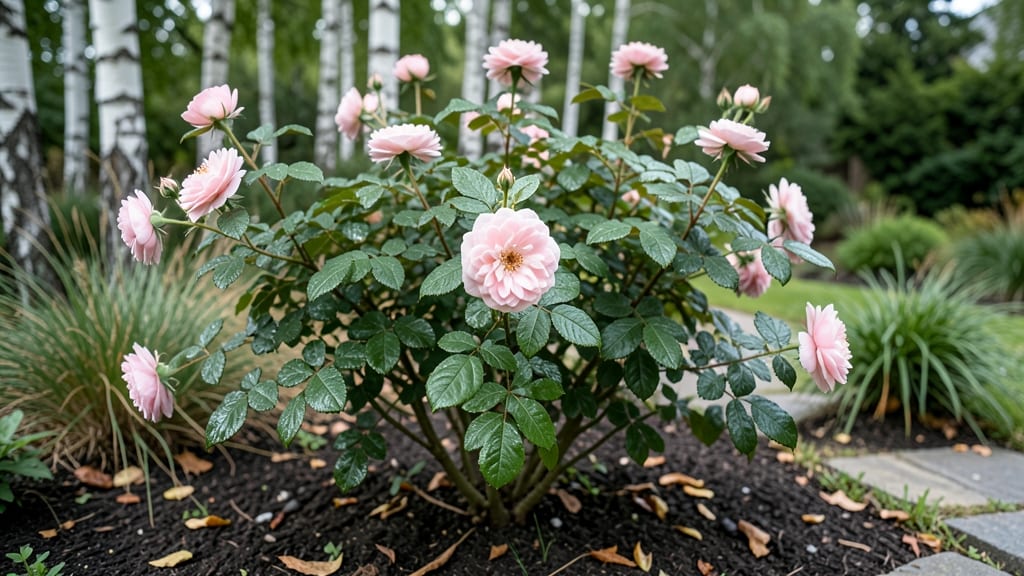
Japanese shrub roses transform your yard into a fragrant, thornless paradise with minimal effort. 🌸 I planted mine last spring, and by summer, their arching branches were heavy with blooms—no thorns, no fuss, just pure color.
The secret lies in their adaptability: they thrive in partial shade, handle drought better than hybrid teas, and bloom continuously from early summer through frost.
Start with well-draining soil and a spot that gets at least 4-6 hours of sunlight daily. These roses love room to stretch, so space them 3-5 feet apart to prevent overcrowding. Water deeply once a week (more in extreme heat), and mulch to keep roots cool.
The real magic happens with pruning—three seasons of shaping keeps them lush and productive without the chaos of traditional roses.
By mid-summer, you’ll have a cloud of blooms in shades of pink, red, and white, all accessible without gloves. The fragrance lingers in the evening air, and the branches arch gracefully over pathways or patio edges.
With the right care, your Japanese shrub roses will reward you with years of effortless beauty, far outlasting the seasonal fuss of annuals.
Works beautifully in mixed borders, as a privacy screen, or even in containers for smaller spaces. Here’s how to keep them thriving through every season—no green thumb required.
📚 In This Guide
- What you need
- Instructions
- Tips and common mistakes
- Wrapping up and next steps
What you need
- ● Japanese shrub rose plants: Choose disease-resistant varieties like 'Kifukurin' or 'Fantin-Latour' (1-3 plants, depending on space).
- ● Well-draining potting mix: 50% garden soil, 30% compost, and 20% perlite or sand (for containers or in-ground planting).
- ● Organic mulch: 2-3 inches of wood chips or straw to retain moisture and suppress weeds.
- ● Slow-release fertilizer: Balanced 10-10-10 or rose-specific formula (apply at planting and mid-season).
- ● Pruning shears: Bypass pruners (sharp, clean, and sterilized with rubbing alcohol).
- ● Hand pruners: For smaller stems (avoid dull tools—squeeze test! 🤲).
- ● Gloves: Heavy-duty gardening gloves (roses have thorns, even if thornless varieties!).
- ● Watering can or hose: Drip irrigation or soaker hose preferred for deep watering.
- ○ Stakes or cages: Optional but helpful for support (3-4 ft tall, flexible metal or bamboo).
- ● Sunlight: Full sun (6+ hours daily) for optimal blooms.
- ● pH-balanced soil: Aim for 6.0–6.5 (test with a soil kit if unsure).
- ● Drainage: Avoid soggy soil—raise beds or amend clay soil with grit.
- ● Patience: Japanese shrub roses thrive with consistent care (prune in early spring, summer, and late fall!).
- ● Rose-specific fungicide (prevents black spot).
- ● Epsom salt (for magnesium boost, 1 tbsp/gallon monthly).
- ● Decorative rocks or pebbles (for mulch aesthetics).
- ● Pruning paint (to seal cuts on larger stems).
Step-by-Step guide to pruning Japanese shrub roses
Here's how to shape your thornless beauty through three simple seasonal cuts.
✂️ Step 1: Late Winter Pruning for Structure
Prune when the plant is still dormant but buds have begun to swell—usually in late February to early March in most climates. I look for the first tiny pink buds peeking from the stems as my signal. This is the only time you'll cut back one-third to one-half of last year's growth. Use clean, sharp pruners to make cuts at a 45-degree angle, just above an outward-facing bud.
Remove any dead, diseased, or crossing branches first—they'll compete with new growth. Japanese shrub roses bloom on both old and new wood, so don't be aggressive with cutting back flower stems from last season. Focus on opening the center of the plant to improve airflow and sunlight penetration. You'll see the plant's natural shape emerge as you work.
🌿 Step 2: Light Summer Maintenance
After the first flush of blooms, give your rose a light trim in mid-June to early July. This isn't about drastic shaping—just tidying up. Remove any spent blooms (deadheading) and branches that are growing inward or crossing others. Cut just above the next set of healthy leaves or buds. I usually do this on a dry morning when the plant is fully hydrated.
Watch for any weak or leggy growth that's stretching toward the sun. These stems won't produce strong blooms and can make the plant look unkempt. Pinch back the tips of these stems to encourage bushier growth. Japanese shrub roses respond well to this gentle encouragement, and you'll notice new side shoots forming within 2-3 weeks.
✂️ Step 3: Post-Bloom Cleanup in Fall
After the final flush of flowers in late September to early October, do a light cleanup to prepare for winter. Remove all dead or dying foliage, as well as any branches that are thin, weak, or diseased. Cut back any overly long stems by about one-third to maintain the plant's shape. This is also the time to thin out crowded branches to improve airflow.
I never cut back into old wood during this pruning—save that for late winter. Instead, focus on shaping the plant and removing anything that might harbor pests or diseases over winter. After pruning, give the plant a light layer of mulch (about 2-3 inches) to protect the roots from freezing temperatures. You'll see the plant looking tidy and ready for dormancy.
⏰ Step 4: Winter Inspection and Protection
In mid-winter (January), do a quick inspection of your rose. Look for any dead or damaged branches from frost and remove them immediately. This is also the time to tie up any weak stems that might be flopping in winter winds. If you're in a cold climate (below 0°F), consider wrapping the plant with burlap or frost cloth for extra protection.
Japanese shrub roses are generally hardy, but their canes can still suffer from winter burn if exposed to harsh winds. I like to mound extra mulch around the base of the plant to insulate the roots. Avoid heavy pruning now—just keep an eye out for anything that looks damaged. Your plant will thank you with stronger growth come spring.
Tips & tricks for perfect Japanese shrub rose pruning
These simple strategies will help you master the seasonal rhythm of pruning—so your thornless beauty thrives year after year.
Timing is Everything: The late February to early March window for Step 1 is critical because that's when your rose is just waking up from dormancy. If you prune too early, you risk cutting back new growth that's already forming. I've learned this the hard way—waiting for those first pink buds is your best signal, not just the calendar date. In colder climates, you might need to wait until March to avoid frost damage to fresh cuts.
The 45-Degree Angle Secret: When making cuts in Step 1 (or any pruning step), that 45-degree angle isn't just for show—it helps water run off the cut, preventing rot. Make sure your pruners are sharp enough to create clean cuts without tearing the bark. I keep a small bottle of rubbing alcohol handy to wipe down my pruners between cuts on different branches, which prevents spreading any potential diseases.
Summer Pinch Technique: In Step 2, when you notice those leggy stems reaching for the sun, don't just cut them back—pinch them! Using your fingers or small pruners to pinch off the growing tips encourages the plant to branch out. You'll see those new side shoots appear within 2-3 weeks, just as the instructions promise. This is how you get that lush, full canopy without heavy pruning.
Mulch Matters: That 2-3 inch layer of mulch in Step 3 isn't just for looks—it's insulation. In colder climates (below 0°F), this extra protection can mean the difference between winter survival and frost damage. I like to use shredded bark mulch because it breaks down slowly and improves soil as it decomposes. Just be sure to keep it a few inches away from the plant's base to prevent rot.
Pro Tips for Japanese Shrub Rose
- These simple strategies will help you master the seasonal rhythm of pruning—so your thornless beauty thrives year after year.
- Timing is Everything: The late February to early March window for Step 1 is critical because that's when your rose is just waking up from dormancy.
- The 45-Degree Angle Secret: When making cuts in Step 1 (or any pruning step), that 45-degree angle isn't just for show—it helps water run off the cut, preventing rot.
Frequently asked questions
When is the best time to prune Japanese shrub roses?
Prune your Japanese shrub rose in three key seasons: late winter (before buds swell), summer (after flowering), and fall (light cleanup). Avoid heavy pruning in fall—focus on removing dead wood and shaping. This guide breaks it down step by step!
Are Japanese shrub roses cold-hardy?
These roses thrive in USDA Zones 5–9, making them perfect for most U.S. climates. In colder zones, mulch heavily around the base in winter to protect roots. Bonus: Their thornless stems make them pet-friendly for snowy play areas!
What pests or diseases should I watch for?
Keep an eye out for aphids, spider mites, and black spot fungus. Treat aphids with a strong spray of water; mites respond to neem oil. For black spot, remove infected leaves immediately and apply fungicide. Pro tip: Space plants for airflow to prevent fungal issues!
Can I grow Japanese shrub roses in containers?
Yes! Choose a large container (at least 15–20 gallons) with drainage holes. Use well-draining soil and repot every 2–3 years. Container roses need more frequent watering and may bloom less than in-ground plants, but they’re great for patios or small gardens!
How do I encourage more blooms?
For continuous flowering, prune lightly after each bloom cycle (deadhead spent flowers). Feed with a balanced rose fertilizer in spring and mid-summer. Avoid over-fertilizing nitrogen—it promotes foliage over flowers. Sunlight is key: 6+ hours daily keeps blooms bountiful!
Wrapping up and next steps
Japanese shrub roses are a low-maintenance, high-reward addition to any garden—offering vibrant blooms, fragrant petals, and a lush, thornless canopy with the right care. By mastering their three-season pruning (spring, summer, and fall), you’ll keep them thriving for years while minimizing pests and diseases.
Ready to transform your outdoor space? Start small: pick one bush, gather your tools, and dive into pruning with confidence!
Next step: Bookmark this guide, grab your shears, and watch your Japanese shrub rose flourish like never before! 🌸✂️