
Shrubs
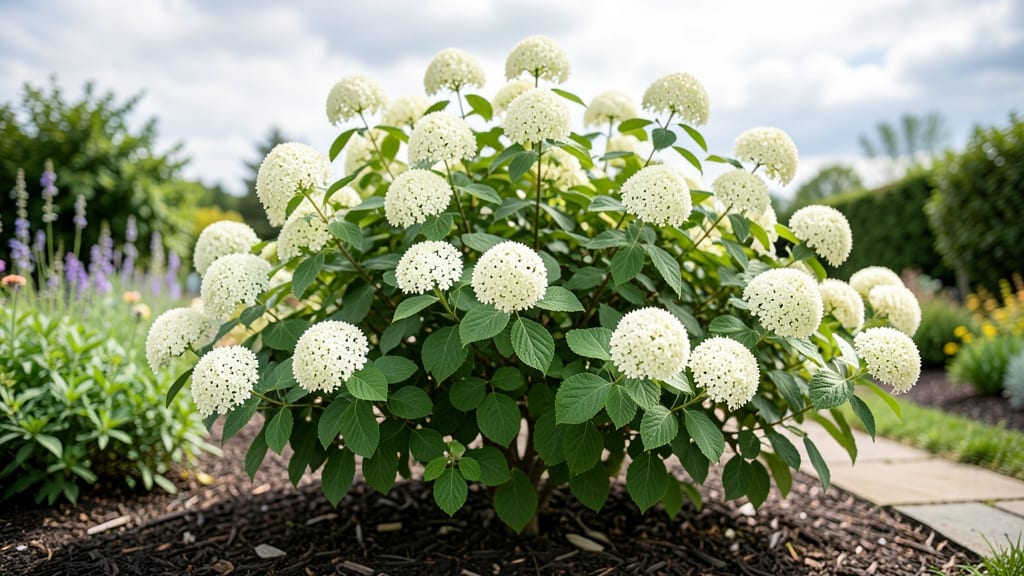
Growing a Japanese snowball shrub means winter white blooms that smell like spring. 🌸 I've watched mine transform from bare branches to lacy clusters of fragrant flowers—it's the kind of shrub that makes neighbors stop and stare.
The secret lies in its love for well-drained soil and morning sun, not afternoon heat. This shrub thrives in zones 5-8, where it handles cold snaps like a champ.
Start with a spot that gets at least 6 hours of sunlight daily, and plant in early spring when the soil is workable but not soggy. Water deeply after planting, then keep the roots consistently moist but never soggy—think damp sponge, not swamp.
By summer, you'll see those iconic snowball clusters forming on last year's wood. Prune right after flowering to shape the shrub and encourage next year's blooms. The fragrance alone makes it worth the effort—imagine walking past in December and smelling something that feels like a vacation.
Perfect for hedges, focal points, or mixed borders. With proper care, it grows 10-15 feet tall and wide, creating a stunning winter display that outshines most spring bloomers. Here's how to keep yours thriving year after year.
📚 In This Guide
- What you need
- Instructions
- Tips and common mistakes
- Wrapping up and next steps
What you need
- ● Japanese Snowball Shrub: 1–3 nursery-grown plants (3–5 ft tall, mature size 6–10 ft wide) OR
- ● Seeds (from a trusted supplier) OR
- ● Hardwood cuttings (4–6 inches long, taken in late winter/early spring)
- ● Planting Site: Full sun to partial shade (6+ hours of sunlight daily)
- ● Well-draining, moist but not soggy soil (pH 5.0–7.0)
- ● Space: 10–15 ft apart (for mature shrubs)
- ● Soil Amendments (if needed): Compost (5–10 lbs per plant) for nutrient-rich soil
- ● Organic mulch (2–3 inches of wood chips or pine straw)
- ● Tools: Garden trowel or spade
- ● Pruning shears (sterilized)
- ● Gloves (for handling cuttings/seeds)
- ● Watering can or hose with a gentle spray nozzle
- ● Slow-release balanced fertilizer (10-10-10 or similar, applied in early spring)
- ● Plant support stakes (if planting in windy areas)
- ● Rooting hormone (for cuttings)
- ● Epsom salt (1 tbsp per gallon of water for magnesium boost)
- ● Pest/disease control: Neem oil or copper fungicide (preventative measure)
How to grow a thriving Japanese snowball shrub
Here's my go-to method for cultivating these fragrant, thorn-free beauties that bloom even in winter.
🌱 Step 1: Choose the Perfect Planting Spot
Japanese snowball shrubs (Viburnum plicatum 'Tomentosum') thrive in partial shade to full sun, but they reward you most when planted where they receive morning sun and afternoon shade—this prevents leaf scorch while still encouraging those iconic blooms. I always look for spots with well-draining soil and protection from harsh winds, which can damage delicate winter flowers.
Test your soil’s drainage by digging a 6-inch hole—if water pools after 30 minutes, amend the area with 2-3 inches of compost or sand to improve drainage. These shrubs tolerate a range of soil types but perform best in slightly acidic to neutral soil (pH 6.0-7.0). A simple soil test kit from your local garden center will tell you if adjustments are needed.
🪴 Step 2: Plant at the Right Depth and Spacing
Dig a hole twice as wide as the root ball but only as deep—the top of the root ball should sit 1 inch above ground level to prevent waterlogging. Gently loosen the roots if they’re circling tightly, then place the shrub in the hole and backfill with the original soil, tamping lightly every 4 inches to eliminate air pockets.
Space your shrubs 8-10 feet apart for full, rounded growth. Since you’re planting 4 shrubs, arrange them in a loose square or staggered pattern to create a natural, flowing border. Water deeply right after planting to settle the soil and encourage root establishment—1 gallon per shrub should do the trick. Mulch around the base with 2-3 inches of organic mulch (like shredded bark) to retain moisture and suppress weeds.
☀️ Step 3: Water Consistently During the First Year
Keep the soil evenly moist but not soggy for the first 12 months—this is critical for root development. Water 1-2 times per week, depending on rainfall, until the top 2 inches of soil feel dry. Overwatering is a common mistake; these shrubs hate "wet feet." You’ll know you’re doing it right when the soil around the roots stays slightly damp but not waterlogged.
After the first year, reduce watering to once every 1-2 weeks during dry spells, as established shrubs are quite drought-tolerant once mature. The key is deep watering—soak the soil to 6 inches deep rather than giving shallow, frequent drinks. This encourages deep root growth, which makes the plant more resilient during winter.
✂️ Step 4: Prune for Shape and Encourage Blooms
Prune your Japanese snowball shrubs right after flowering (late spring) to shape them and promote next year’s blooms. Remove dead, diseased, or crossing branches first, then thin out 10-20% of the oldest stems at the base to rejuvenate growth. This prevents the shrub from becoming overcrowded and ensures those signature snowball-like clusters return year after year.
For a more formal look, trim back any overly long branches by ⅓ of their length, cutting just above a bud or leaf node. Avoid heavy pruning in fall or winter, as this can stimulate new growth that won’t harden off before cold weather. If you notice leggy growth, it’s a sign the shrub needs more light—gradually move it to a sunnier spot over a few weeks to avoid shocking the plant.
⏰ Step 5: Protect and Maintain for Winter Blooms
Japanese snowball shrubs are hardy to USDA Zone 5, but their winter blooms benefit from a little extra care. In colder climates (below 10°F), wrap the base of young shrubs with burlap or frost cloth to protect against temperature swings. Mature shrubs usually handle winter well, but a 2-3 inch layer of mulch around the base helps insulate roots and retain moisture.
Fertilize lightly in early spring with a balanced, slow-release fertilizer (like 10-10-10) to support new growth. Skip heavy fertilizing in fall, as this can encourage tender shoots that won’t survive winter. Watch for aphids or spider mites on new growth—spray with neem oil if you spot them, as these pests can weaken the shrub before blooming season.
Tips & tricks for perfect Japanese snowball shrub planting
These simple strategies will help your Japanese snowball shrubs thrive and reward you with stunning winter blooms.
Soil Test First: Before planting, grab a soil test kit from your local garden center—it's the only way to know your soil's true pH. If your soil tests below 6.0, mix in 2-3 inches of sulfur and re-test in 4-6 weeks. For pH above 7.0, add elemental sulfur or peat moss to bring it back to that sweet spot of 6.0-7.0. I've seen shrubs struggle for years because of ignored soil pH issues.
Root Ball Prep: When you receive your shrubs, soak the root balls in water for 15-20 minutes before planting. This hydrates the roots and helps prevent transplant shock. After soaking, gently tease apart any circling roots with your fingers—this encourages outward root growth instead of the roots staying tightly bound. The 1-inch above ground level placement becomes even more critical after this step.
Watering Wisdom: The 1-2 times per week guideline works best when you check soil moisture with your finger. Stick your finger 2 inches deep—if it feels dry, it's time to water. For the first year, I use a hose with a gentle spray nozzle to avoid disturbing the soil around the roots. The key is consistency: better to water deeply once a week than give light waterings daily.
Winter Protection: For those below 10°F nights, don't just wrap the base—create a protective barrier around the entire root zone. Use burlap or frost cloth wrapped around the shrub and secured with twine, extending it 12-18 inches above the ground. This creates a microclimate that protects both the roots and emerging winter buds. Remove the protection in early spring once temperatures stabilize above freezing.
Pro Tips for Japanese Snowball Shrub
- These simple strategies will help your Japanese snowball shrubs thrive and reward you with stunning winter blooms.
- Soil Test First: Before planting, grab a soil test kit from your local garden center—it's the only way to know your s...
- Root Ball Prep: When you receive your shrubs, soak the root balls in water for 15-20 minutes before planting. This hy...
Frequently asked questions
Got questions about growing and caring for your Japanese Snowball Shrub? Here are some of the most common ones—plus quick answers to keep your fragrant winter blooms thriving!
What’s the best time to plant a Japanese Snowball Shrub?
Plant in early spring or fall when temperatures are mild (50–70°F). Avoid extreme heat or frost, which can stress the shrub. Give it 3–5 years to reach full bloom potential—patience pays off with those stunning white clusters!
How cold-hardy is the Japanese Snowball Shrub?
This shrub is highly resilient, tolerating zones 4–8. It thrives in winter, even under snow, and blooms late winter to early spring. Just ensure it’s planted in well-draining soil to prevent root rot in soggy conditions.
When and how should I prune my Japanese Snowball Shrub?
Prune right after blooming (late spring) to shape the shrub and encourage next year’s flowers. Avoid heavy pruning—stick to light trimming (20–30% of growth) to maintain its rounded form. Never prune in fall or winter—it blooms on old wood!
Do Japanese Snowball Shrubs attract pollinators?
Yes! Their fragrant, dense blooms are a magnet for bees and butterflies—especially in early spring when food is scarce. For extra pollinator appeal, plant near early-blooming perennials like crocus or hellebores.
Why aren’t my Japanese Snowball Shrub flowers opening?
Likely culprits: too much shade, over-pruning, or poor soil drainage. Ensure it gets 6+ hours of sun, prune lightly, and amend soil with compost. If buds form but don’t open, thin the shrub to improve airflow.
Wrapping up and next steps
The Japanese Snowball Shrub (Viburnum plicatum) is a stunning, low-maintenance addition to any garden, offering fragrant blooms and winter interest without the hassle of thorns. With the right location, soil, and care, you’ll enjoy its show-stopping clusters year after year—whether you’re a seasoned gardener or just starting out!
Ready to transform your outdoor space? Start by selecting the perfect spot in your yard, gather your supplies, and dive in! Planting this beauty is the first step to creating a serene, fragrant retreat that will thrive for decades. 🌸✨