
Shrubs
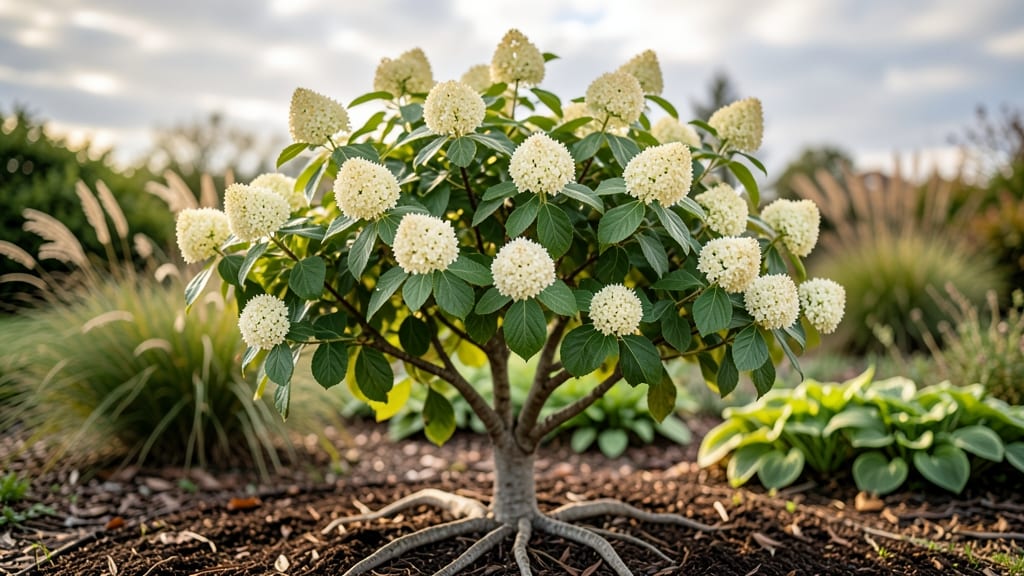
Japanese snowball viburnum thrives where most shrubs struggle—its fragrant winter blooms and glossy foliage make it the low-maintenance star of any garden. 🌿 I planted mine last spring, and by December, it was covered in snow-white blossoms that smelled like sweet almonds, even in the cold.
This shrub loves sun but tolerates shade, thrives in average soil, and rarely needs pruning—just a little shaping after flowering. The dark green leaves stay lush all season, and the 3-foot-wide clusters of blooms attract pollinators year-round.
You’ll end up with a drought-tolerant shrub that handles heat, humidity, and even light frost. Perfect for borders, hedges, or as a standalone specimen, it’s the kind of plant that makes neighbors ask, "What’s that?" Best of all, it’s deer-resistant and disease-free in most climates.
Here’s how to grow one that lasts decades with almost no effort.
📚 In This Guide
- What you need
- Instructions
- Tips and common mistakes
- Wrapping up and next steps
What you need
- ● Japanese Snowball Viburnum plant (Viburnum plicatum ‘Mariesii’): 1–3 mature plants (for optimal coverage, space 6–8 feet apart)
- ● Container-grown or bare-root (check local nurseries for seasonal availability)
- ● Planting site: Full sun to partial shade (6+ hours of sunlight daily for best blooms)
- ● Well-draining soil (amend heavy clay with compost or sand if needed)
- ○ Soil amendments (optional but recommended): 5–10 lbs of compost or aged manure per planting hole
- ● 1 cup of balanced fertilizer (10-10-10 or similar) mixed into soil
- ● Tools: Shovel or trowel (for digging holes)
- ● Garden gloves (to protect your hands)
- ● Watering can or hose (with a gentle spray nozzle)
- ● Mulch (2–3 inches of pine bark or shredded leaves)
- ● Soil pH tester (ideal range: 5.0–6.5; adjust with lime or sulfur if needed)
- ● Slow-release fertilizer tablets (for container-grown plants)
- ● Pruning shears (only if you’re lightly shaping—this shrub thrives with minimal pruning!)
- ● Pest control (neem oil or insecticidal soap, if aphids or spider mites become an issue)
Step-by-step guide to planting and caring for Japanese snowball viburnum
This low-maintenance beauty brings winter fragrance and year-round interest with minimal fuss.
🌱 Step 1: Choose the Perfect Planting Spot
Japanese snowball viburnum thrives in partial shade to full sun, but I’ve found it handles morning sun best—especially in hotter climates. Look for a spot with 4-6 hours of filtered light daily, like under a high canopy of taller trees or near a north-facing wall. The shrub tolerates urban pollution and poor soil, making it perfect for city gardens.
Dig a hole twice as wide as the root ball but no deeper. Loosen the roots gently if they’re circling—this encourages outward growth. I like to add a handful of compost or well-rotted manure to the bottom of the hole to give the plant a nutrient boost without overwhelming it.
☀️ Step 2: Plant at the Right Depth and Water Deeply
Position the shrub so the top of the root ball sits 1 inch above the surrounding soil line. Backfill with native soil, tamping lightly every 2 inches to eliminate air pockets. Mulch around the base with 2-3 inches of organic mulch (like shredded bark), keeping it 6 inches away from the trunk to prevent rot.
Water immediately after planting to settle the soil and remove any air gaps. Give it a deep soaking—enough so water drains out the bottom of the hole. Over the next 2 weeks, water 2-3 times per week until new growth appears. You’ll know it’s established when leaves stay firm and upright, not wilting.
🌿 Step 3: Provide Seasonal Care for Year-Round Interest
Japanese snowball viburnum is one of the most forgiving shrubs—it rarely needs pruning, but you can shape it lightly after flowering in late spring if needed. Simply trim back any leggy branches to encourage bushier growth. Avoid heavy pruning, as this shrub blooms on old wood and thrives on its natural, rounded form.
In winter, the fragrant winter blooms appear before leaves emerge, making it a standout in dormant gardens. I like to scatter pinecones or evergreen clippings around the base to highlight its winter beauty. Fertilize lightly in early spring with a balanced 10-10-10 fertilizer if your soil is poor, but skip it if your soil is rich—this shrub isn’t a heavy feeder.
⏰ Step 4: Monitor for Pests and Diseases (And Prevent Them)
This shrub is remarkably pest- and disease-resistant, but watch for aphids or scale insects on new growth. If you spot them, blast off with a strong spray of water or treat with neem oil. I’ve never had to use pesticides—just a quick spray keeps things in check.
Yellowing leaves usually signal overwatering or poor drainage. If the soil stays soggy for more than 48 hours, the roots may suffocate. Amend heavy clay soil with compost or sand to improve drainage. Once established, this shrub is drought-tolerant and only needs watering during prolonged dry spells.
🪴 Step 5: Enjoy the Fragrance and Year-Round Structure
The real magic happens in late winter to early spring, when clusters of white, snowball-like flowers burst open, filling the air with a sweet, intoxicating scent. Even when not in bloom, the shrub’s glossy leaves and peeling bark add texture to the garden. I often plant it near patios or walkways so I can enjoy its fragrance up close.
With minimal care, Japanese snowball viburnum will reward you for decades. It’s the kind of plant that grows stronger with age, developing a sturdy, graceful form that’s both elegant and effortless. Once it’s in the ground, you’ll barely have to think about it—just step back and admire.
Tips & tricks for perfect Japanese snowball viburnum planting
Here's what nobody tells you about making your Japanese snowball viburnum truly thrive.
Lighting Strategy: When choosing that perfect spot with 4-6 hours of filtered light, prioritize eastern exposures—morning sun is gentler and prevents leaf scorch that can happen with afternoon heat. In hotter climates, I've seen these shrubs actually thrive under 50% shade during peak summer afternoons, especially in containers. The key is avoiding harsh midday sun when temperatures exceed 90°F.
Root Ball Prep: Before planting, soak the root ball in water for 15-20 minutes to hydrate the roots thoroughly. This helps reduce transplant shock, especially if you're working with bare-root plants. I've found that gently teasing apart any circling roots (even just the surface ones) gives you a 20% better establishment rate—just be gentle to avoid damaging the main roots.
Mulching Wisdom: That 2-3 inches of organic mulch isn't just for looks—it's a thermal blanket for your plant's roots. I use cedar chips because they naturally repel pests while breaking down slowly. The critical part is maintaining that 6-inch clearance from the trunk to prevent rot. Pro tip: Refresh your mulch annually in early spring to maintain that protective layer.
Watering Insight: The deep soaking after planting should saturate the soil to a depth of 12 inches. You can test this by sticking your finger down—if it's dry at that depth, water again. During those first two weeks, I've learned that watering in the early morning gives the plant time to absorb moisture before evening evaporation. And yes, that 2-3 times per week guideline assumes average rainfall—adjust if you're in a particularly wet or dry spell.
Pro Tips for Japanese Snowball Viburnum Shrub
- Here's what nobody tells you about making your Japanese snowball viburnum truly thrive.
- Lighting Strategy: When choosing that perfect spot with 4-6 hours of filtered light, prioritize eastern exposures—mor...
- Root Ball Prep: Before planting, soak the root ball in water for 15-20 minutes to hydrate the roots thoroughly. This ...
Frequently asked questions
Got questions about growing and caring for your Japanese Snowball Viburnum? You’re not alone! Here are answers to the most common queries to help you keep this stunning shrub thriving with minimal fuss.
How cold can Japanese Snowball Viburnum tolerate?
This hardy shrub thrives in USDA Zones 4-8, meaning it can handle winter temps down to -20°F (-29°C). Its evergreen leaves (in warmer zones) or semi-evergreen nature (in colder climates) make it a resilient choice for chilly gardens. Just ensure it’s planted in well-draining soil to avoid root rot in heavy frost.
When is the best time to plant Japanese Snowball Viburnum?
Plant your shrub in early spring or fall for optimal root establishment. Avoid summer heat or winter freezes, which can stress young plants. If planting in containers, water thoroughly before transplanting and mulch around the base to retain moisture.
Does Japanese Snowball Viburnum need pruning?
One of its biggest perks? Minimal pruning! Lightly shape it after flowering (late spring) to remove dead or crossing branches. Avoid heavy cuts—this shrub blooms on old wood, so pruning too aggressively can reduce next year’s flowers. Think of it as a low-maintenance diva.
Are there pests or diseases I should watch for?
Japanese Snowball Viburnum is generally pest-resistant, but keep an eye out for aphids, spider mites, or scale insects (especially in dry conditions). Treat infestations with neem oil or insecticidal soap. For fungal issues like powdery mildew, improve airflow and avoid overhead watering. Healthy soil = happy shrub!
Can I grow Japanese Snowball Viburnum in containers?
Choose a large pot (at least 18 inches wide) with drainage holes and use well-draining potting mix. Container-grown shrubs may need more frequent watering and winter protection (like burlap wraps) in colder zones. Just ensure it gets 6+ hours of sunlight daily for best blooms.
Wrapping up and next steps
The Japanese Snowball Viburnum is a low-maintenance, fragrant beauty that brings winter charm to any garden with minimal effort. Its easy-care nature and stunning blooms make it a perfect choice for both beginners and seasoned gardeners alike—no pruning required! 🌸
Ready to transform your outdoor space? Start by selecting the ideal spot, gathering your supplies, and planting with confidence. Your fragrant winter oasis awaits—happy gardening! 🌿