
Shrubs
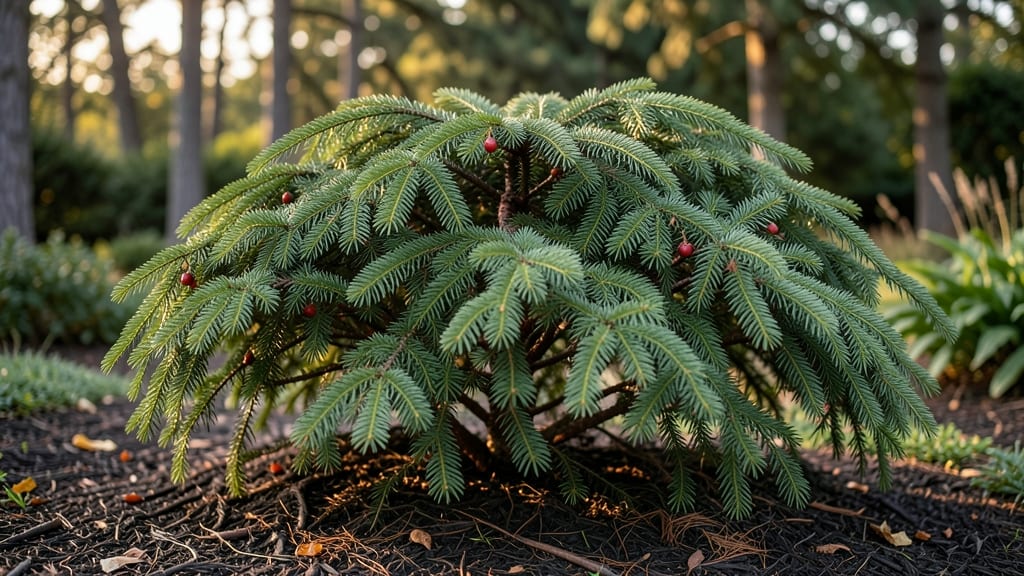
Japanese yew shrubs transform any landscape with their glossy green needles and elegant form. 🌿 I’ve battled their thorny nature for years—until I discovered the pruning secrets that turn them into lush, thorn-free hedges. The key lies in timing, technique, and a little patience.
These evergreens thrive in partial shade but tolerate full sun once established. They prefer well-draining soil and consistent moisture, especially during their first year. The real magic happens when you prune in late winter or early spring—before new growth begins—using sharp shears to shape without damaging the branches.
A properly maintained Japanese yew becomes a dense, impenetrable barrier that deters pests and looks stunning year-round. You’ll notice fewer thorns and more foliage within just a few seasons, making it the perfect low-maintenance shrub for privacy screens or foundation plantings.
For best results, feed with a balanced fertilizer in early spring and mulch to retain moisture. Whether you’re starting from a young plant or reviving an overgrown hedge, these techniques will give you a thriving, thorn-free canopy in no time.
📚 In This Guide
- What you need
- Instructions
- Tips and common mistakes
- Wrapping up and next steps
What you need
- ● Japanese Yew Shrub: Mature plant (3–10 years old) with a dense canopy. Choose a healthy specimen with no signs of disease or pest damage.
- ● Pruning Shears: Bypass pruners (sharp, not anvil-type) for clean cuts. Recommended: Felco F-2 or similar (blade length: 6–8 inches).
- ● Loppers: For thicker branches (½ inch or larger). Opt for ratcheting loppers for ease (e.g., Corona or Fiskars).
- ● Hand Pruners: Small bypass pruners (4–5 inches) for delicate trimming. Pro tip: 💡 Keep them sterilized with rubbing alcohol between cuts to prevent disease spread!
- ● Gloves: Heavy-duty gardening gloves (thick leather or thorn-proof) to shield hands from sharp needles.
- ○ Pruning Saw: Optional for stubborn, thick branches (1+ inch diameter). A bow saw or pruning saw works best.
- ● Disposable Pruning Bags: 3–5 gallon capacity to collect clippings and reduce mess.
- ● Hose or Water Spray Bottle: To clean tools between cuts and rinse sap off blades.
- ● Rake or Leaf Blower: For clearing fallen needles and debris post-pruning.
- ● Pruning Sealant: Wound dressing (e.g., Tanglefoot Tree Wound Pruning Seal) for large cuts to prevent disease entry.
- ● Ladder or Step Stool: If your yew is taller than 6 feet—safety first! 🔥
- ● Marking Spray: Non-toxic paint or chalk to outline pruning areas before cutting.
- ● Mulch: Organic mulch (pine bark or shredded leaves) to protect roots after pruning.
- ● Safety Goggles: Protect your eyes from flying debris, especially when using a saw.
Step-by-step guide to pruning Japanese yew for a lush, thorn-free shrub
Japanese yews reward precision pruning with dense, thorn-free growth. Here's how to shape them like a pro.
✂️ Step 1: Time Your First Pruning for Spring Awakening
Prune your Japanese yew in early spring—just as new growth begins but before buds fully open. This timing ensures you remove last year's growth while encouraging fresh, vigorous shoots. Avoid pruning in fall or winter; cold stress makes the plant more vulnerable to disease.
Look for tight, green buds along the stems—these signal readiness. If you see yellowing leaves or bare branches, prune those first to improve air circulation. I always start with a 20-30% reduction of the previous year's growth to avoid shocking the plant.
🌿 Step 2: Use Sharp Tools for Clean Cuts and Control Thorns
Dull shears crush stems and leave jagged edges that invite disease. Use bypass pruners for branches under ½ inch thick and loppers for thicker stems. Make cuts at a 45-degree angle, just above a leaf node or outward-facing bud to encourage new growth in the right direction.
Japanese yews develop thorns when overcrowded. To minimize them, prune interior branches first—these get the least light and often produce thorns. Step back every few cuts to check balance; uneven pruning leads to lopsided growth.
☀️ Step 3: Shape Gradually for a Natural, Dense Canopy
Japanese yews thrive with light, formative pruning—never remove more than ⅓ of the plant in one season. Start by thinning overlapping branches from the center outward. This improves airflow and reduces fungal risks like powdery mildew.
For a rounded shape, prune longer branches first to create balance. Watch for new growth within 4-6 weeks; if it's sparse, you may have pruned too aggressively. I like to leave some textural variety—a few longer branches add movement to the shrub's structure.
⏰ Step 4: Maintain Year-Round with Light Touch-Ups
After the spring prune, do a light cleanup in mid-summer to remove any dead, diseased, or crossing branches. This keeps the plant tidy and prevents winter dieback. Avoid heavy pruning now—it stimulates tender growth that won’t harden off before frost.
In late fall, do a final check for damaged branches from storms or pests. Prune only what’s necessary—Japanese yews store energy for next spring, and late cuts can stress the plant. Mulch lightly around the base to protect roots from winter temperature swings.
🌱 Step 5: Feed and Water for Recovery After Pruning
After pruning, apply a balanced, slow-release fertilizer (10-10-10) in early spring to support new growth. Water deeply—about 1 inch per week—to help roots recover, especially if your climate is dry. Japanese yews are drought-tolerant once established, but fresh cuts need moisture to heal.
Watch for new shoots emerging within 6-8 weeks. If growth is weak, the plant may need more sunlight or better-draining soil. I often add a 2-inch layer of mulch (but keep it 6 inches away from the trunk) to retain moisture and regulate soil temperature.
Tips & tricks for pruning Japanese yew shrubs
Mastering the art of pruning Japanese yews transforms them from thorny shrubs into lush, sculptural canopies. Here's what I've learned after years of shaping these resilient plants.
Timing is Everything: The early spring window—when buds tighten but haven't burst—is your golden opportunity. I've found that waiting until you see those first bright green buds (usually February-March in most climates) gives you the perfect balance between removing old growth and stimulating fresh shoots. If you're in a warmer zone, don't wait until buds open completely—you'll miss the ideal timing for vigorous new growth.
Tool Precision Prevents Thorns: I can't stress enough how dull tools ruin everything. Japanese yews develop thorns when stressed, and rough cuts from dull shears create perfect entry points for disease. Always use bypass pruners for branches under ½ inch—look for the clean, scissor-like cut they make. For thicker branches, loppers prevent the crushing action that signals the plant to produce defensive thorns. Pro tip: Sharpen your tools with a file before starting; a quick test cut on a scrap branch will tell you if they're ready.
Structural Balance Creates Natural Shape: The secret to that perfect rounded silhouette lies in strategic thinning. Start with the center—this is where branches compete for light and often produce thorns. Remove 20-30% of last year's growth from the interior first, then work outward. What I've noticed is that Japanese yews respond beautifully to gradual shaping. If you see sparse new growth after 4-6 weeks, you may have pruned too aggressively. The goal is to maintain that natural, full appearance while improving airflow—think of it as creating an open lattice rather than a dense wall.
Seasonal Maintenance Matters: That mid-summer cleanup isn't just about tidiness—it's about preventing winter dieback. I make it a habit to remove any dead, diseased, or crossing branches during this time, but I always keep cuts minimal. The key is to avoid stimulating tender new growth that won't harden off before frost. In late fall, I do a final inspection for storm damage, but I never prune more than absolutely necessary. Japanese yews store energy for next spring, and late cuts can disrupt this process.
Pro Tips for Japanese Yew Shrub
- Mastering the art of pruning Japanese yews transforms them from thorny shrubs into lush, sculptural canopies. Here's ...
- Timing is Everything: The early spring window—when buds tighten but haven't burst—is your golden opportunity. I've fo...
- Tool Precision Prevents Thorns: I can't stress enough how dull tools ruin everything. Japanese yews develop thorns wh...
Frequently asked questions
How do I prune a Japanese yew shrub to keep it dense and thorn-free?
Prune in late winter or early spring (before new growth starts) to shape your shrub. Use sharp, clean shears to make cuts just above a leaf bud, avoiding over-pruning. For a dense look, trim 1/3 of the plant’s height annually, and remove any leggy or woody growth. Pro tip: Thin out the center to improve airflow and reduce thorns!
When is the best time to plant a Japanese yew shrub?
The ideal times are early spring or fall when temperatures are mild. Avoid planting in summer heat or winter frost, as extreme conditions can stress young roots. Choose a partially shaded spot with well-draining soil—this shrub hates soggy feet! Water deeply after planting to help it establish.
What pests or diseases should I watch for in Japanese yew shrubs?
Common issues include spider mites, scale insects, and bagworms. Look for yellowing leaves or sticky residue (signs of pests) and treat with neem oil or insecticidal soap. Fungal diseases like root rot can occur in poor drainage—ensure your soil is well-aerated and avoid overwatering. Pro tip: Monitor for cankers or dieback in winter and prune affected areas immediately.
Can I grow a Japanese yew shrub in a container, or is it better in the ground?
While Japanese yews prefer ground planting, they can thrive in large containers (15+ gallons) with drainage holes. Use a well-draining potting mix and repot every 2–3 years to refresh nutrients. Just know: Container-grown shrubs may grow slower and need more frequent watering in hot weather.
What’s a good alternative if I want a thorn-free, dense shrub?
If thorns are a dealbreaker, consider Emerald Green Arborvitae (thorn-free, evergreen) or Dwarf Fountain Boxwood (compact and low-maintenance). For a Japanese-inspired look, try Japanese Holly (Ilex crenata)—it’s non-toxic and easier to shape. Pro tip: Check your USDA hardiness zone (Japanese yews thrive in zones 5–8) before choosing a substitute!
Wrapping up and next steps
Transforming your Japanese yew shrub into a lush, thorn-free masterpiece is entirely within reach—with patience, the right tools, and a little creativity! 🌿 Whether you're trimming for shape, health, or aesthetics, remember that consistency is key.
Start small, observe your shrub’s response, and soon you’ll enjoy a dense, vibrant canopy that’s the envy of any garden.
Ready to take the next step? Grab your pruners, dust off your gloves, and schedule your first pruning session this weekend! Your Japanese yew will thank you with years of beautiful, low-maintenance growth.